
SC LLC Operating Agreement

An operating agreement is a foundational document for any South Carolina limited liability company (LLC), outlining the structure, governance, and operational guidelines of the business. While South Carolina law does not legally require LLCs to adopt an operating agreement, creating one is a critical step in establishing clarity among members, protecting personal liability status, and ensuring smooth business operations. This document typically addresses key aspects such as member roles, profit distribution, decision-making processes, and procedures for resolving disputes or handling membership changes. By formalizing expectations and responsibilities, a well-drafted SC LLC operating agreement not only safeguards compliance with state regulations but also provides a roadmap for long-term stability and success.
- Understanding the SC LLC Operating Agreement: Key Components and Considerations
-
Does South Carolina require an operating agreement for LLC?
- Is an Operating Agreement Mandatory for South Carolina LLCs?
- Benefits of Drafting an Operating Agreement in South Carolina
- What Should a South Carolina LLC Operating Agreement Include?
- Risks of Not Having an Operating Agreement in South Carolina
- How to Create an Operating Agreement for a South Carolina LLC
- Can I write my own operating agreement for my LLC?
- Is an LLC operating agreement the same as an LLC agreement?
- Does an LLC operating agreement need to be notarized?
- Frequently Asked Questions About LLCs (FAQs)
Understanding the SC LLC Operating Agreement: Key Components and Considerations
What is an SC LLC Operating Agreement?
An SC LLC Operating Agreement is a legally binding document that outlines the ownership structure, management rules, and operational procedures for a Limited Liability Company (LLC) registered in South Carolina. While not legally required by the state, it is critical for defining member roles, profit distribution, and dispute resolution. This agreement ensures compliance with South Carolina LLC laws (Title 33 of the S.C. Code of Laws) while customizing governance to the company’s needs.
See AlsoIdaho LLC Operating Agreement| Key Purpose | Clarifies member rights, responsibilities, and financial arrangements. |
| Legal Protection | Shields members from personal liability when structured correctly. |
| Flexibility | Allows customization of profit-sharing, voting rights, and management. |
Essential Clauses in an SC LLC Operating Agreement
A well-drafted agreement includes clauses covering member contributions, voting rights, profit/loss allocation, and dissolution procedures. For example, it should specify whether the LLC is member-managed or manager-managed, as this affects decision-making authority. Additionally, dispute resolution methods (e.g., mediation) prevent costly litigation.
| Management Structure | Defines roles (member vs. manager) and decision-making processes. |
| Capital Contributions | Details initial investments and rules for additional funding. |
| Transfer of Ownership | Outlines procedures for selling or transferring membership interests. |
Tax Implications of an SC LLC Operating Agreement
South Carolina LLCs default to pass-through taxation, where profits/losses are reported on members’ personal tax returns. However, the operating agreement can specify alternative tax classifications (e.g., S Corporation election). Clauses about distributive shares must align with IRS rules to avoid disputes.
See AlsoConnecticut LLC Operating Agreement| Default Taxation | Pass-through (no corporate tax). |
| Electing S Corp Status | Requires IRS Form 2553 and adherence to specific criteria. |
| Annual Reporting | SC requires annual reports and a $0 fee for LLCs. |
Amending an SC LLC Operating Agreement
Amendments require member approval as outlined in the original agreement. Common reasons include adding members, changing profit splits, or updating management roles. Amendments must be documented in writing and comply with South Carolina’s LLC Act to remain enforceable.
| Voting Threshold | Often a majority or supermajority vote. |
| Documentation | Revised agreement must be signed and stored with company records. |
| State Compliance | Changes must not violate SC LLC regulations. |
Enforcing an SC LLC Operating Agreement
The agreement becomes enforceable once signed by all members. Courts generally uphold its terms unless they violate state law or public policy. Including mediation/arbitration clauses strengthens enforceability by providing clear conflict resolution pathways.
See AlsoIndiana LLC Operating Agreement| Legal Standing | Binding if properly executed and lawful. |
| Breach Consequences | Members may sue for damages or specific performance. |
| Governing Law | South Carolina statutes override conflicting terms. |
Does South Carolina require an operating agreement for LLC?
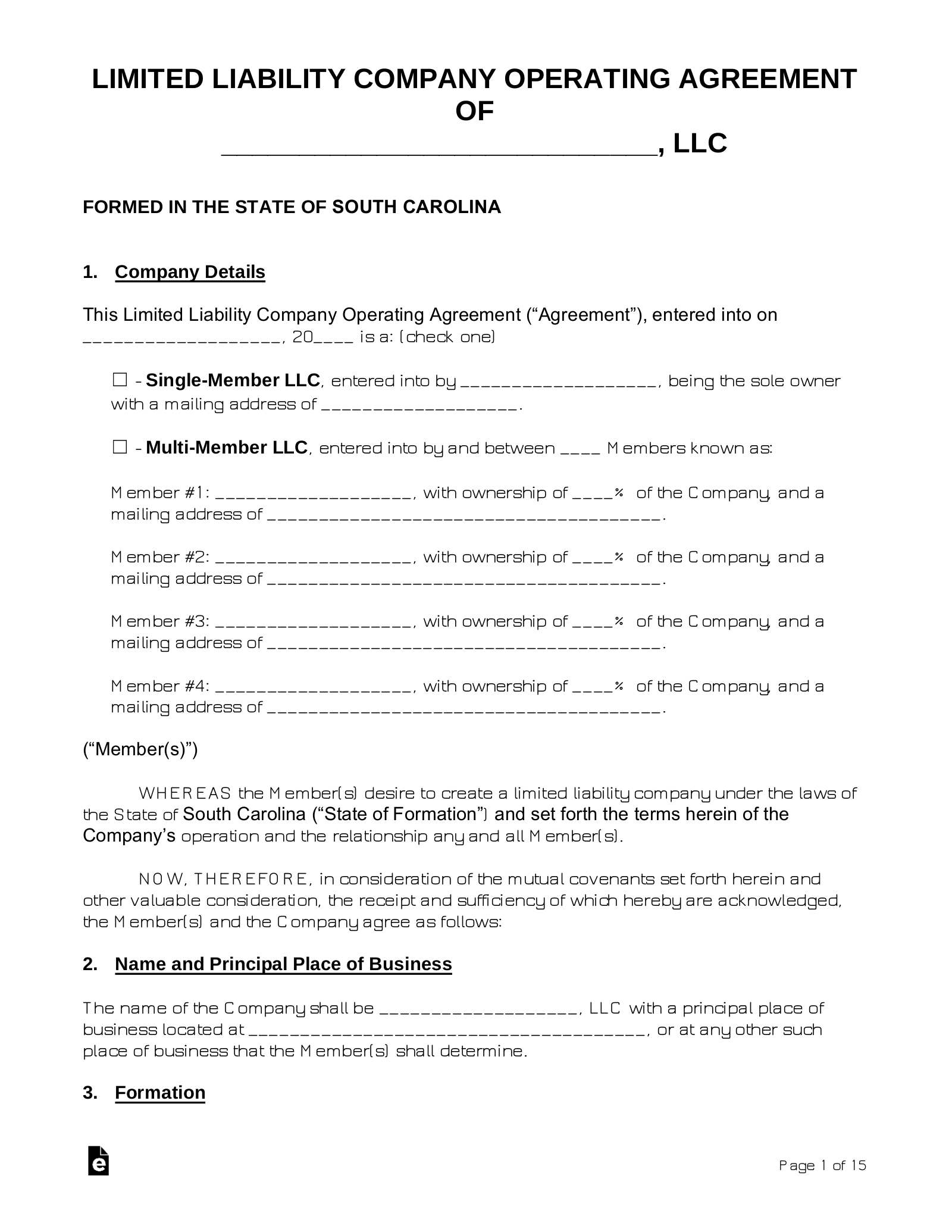
South Carolina does not legally require LLCs to have an operating agreement. However, while it is optional under state law, creating one is highly recommended to establish clear rules, protect members' rights, and avoid disputes.
Is an Operating Agreement Mandatory for South Carolina LLCs?
South Carolina law does not mandate LLCs to adopt an operating agreement. The state’s Uniform Limited Liability Company Act allows LLCs to operate without one, but relying solely on default state rules may lead to ambiguity. Key points include:
- No statutory requirement: The state does not enforce the creation of an operating agreement.
- Flexibility: Members can customize internal rules if an agreement is drafted.
- Legal precedence: Without an agreement, state default laws govern the LLC’s operations.
Benefits of Drafting an Operating Agreement in South Carolina
Even though optional, an operating agreement offers critical advantages for South Carolina LLCs, including legal protection and operational clarity. Key benefits include:
- Defines member roles: Clarifies management structure and responsibilities.
- Protects limited liability status: Helps prevent courts from disregarding the LLC’s corporate veil.
- Customizes profit distribution: Allows members to allocate profits/losses outside of ownership percentages.
What Should a South Carolina LLC Operating Agreement Include?
A well-drafted operating agreement for a South Carolina LLC should cover essential elements to ensure smooth operations. Recommended clauses include:
- Ownership percentages: Details each member’s stake in the LLC.
- Voting rights and procedures: Outlines decision-making processes.
- Dissolution terms: Specifies conditions for winding down the business.
Risks of Not Having an Operating Agreement in South Carolina
Operating without an agreement exposes the LLC to legal and financial risks. Potential consequences include:
- State default rules apply: South Carolina’s generic LLC laws govern disputes.
- Member conflicts: Ambiguity in roles or profit-sharing may lead to disagreements.
- Weakened liability protection: Courts may question the LLC’s legitimacy without formal governance.
How to Create an Operating Agreement for a South Carolina LLC
Drafting an operating agreement involves several steps to ensure compliance and clarity. The process typically includes:
- Consulting legal counsel: Ensures adherence to state laws and member interests.
- Detailing governance structure: Specifies whether the LLC is member-managed or manager-managed.
- Signing and storing the document: Requires all members’ signatures and safe retention for future reference.
Can I write my own operating agreement for my LLC?
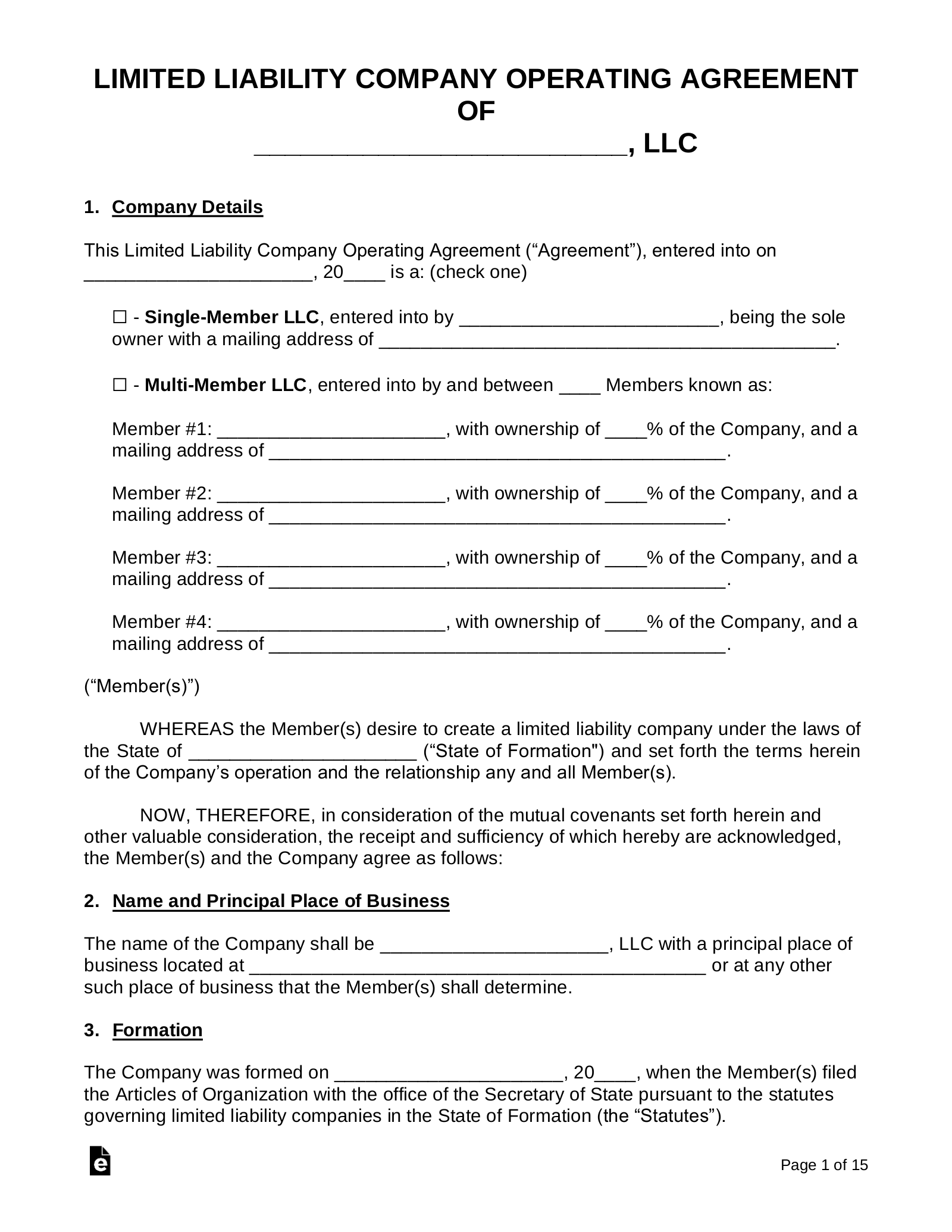
Can I Write My Own Operating Agreement for My LLC?
Yes, you can write your own operating agreement for your LLC. Most states do not legally require an operating agreement, but having one is strongly recommended to define ownership structure, management roles, and profit distribution. While templates and online resources can help, ensure the document aligns with your state’s LLC laws and addresses your business’s unique needs.
Benefits of Drafting Your Own Operating Agreement
Creating a customized operating agreement allows you to tailor rules to your LLC’s specific operations. This flexibility ensures clarity on decision-making processes, member responsibilities, and dispute resolution. Key benefits include:
- Cost savings: Avoid attorney fees by using templates or self-drafting tools.
- Control: Design terms that reflect your business goals and member agreements.
- Adaptability: Update the agreement as your LLC evolves without relying on third parties.
Key Elements to Include in a Self-Written Operating Agreement
A comprehensive operating agreement should cover essential clauses to prevent future conflicts. Critical components include:
- Ownership percentages: Outline each member’s stake in the LLC.
- Voting rights and procedures: Define how decisions are made (e.g., majority vs. unanimous votes).
- Profit/loss distribution: Specify how earnings and losses are allocated among members.
Potential Risks of a DIY Operating Agreement
While drafting your own agreement is feasible, risks may arise from oversights or non-compliance with state laws. Common pitfalls include:
- Ambiguous language: Unclear terms could lead to disputes or litigation.
- Missing clauses: Omitting critical provisions (e.g., buyout rules) may weaken legal protection.
- State law conflicts: Failing to align with statutory requirements could invalidate parts of the agreement.
When to Consult a Legal Professional
Seeking an attorney’s guidance is advisable in complex scenarios, such as:
- Multi-member LLCs: Balancing diverse interests requires precise legal wording.
- Unusual profit-sharing arrangements: Custom structures may need tax or legal review.
- State-specific compliance: An attorney can ensure adherence to local regulations.
Steps to Create an Effective Operating Agreement
Follow these steps to draft a robust agreement:
- Research state requirements: Verify mandatory clauses and filing rules.
- Use a reputable template: Start with a framework tailored to your state.
- Customize terms: Adjust provisions to match member agreements and business operations.
- Review and revise: Ensure clarity, completeness, and legal compliance.
- Execute formally: Have all members sign and retain copies for records.
Is an LLC operating agreement the same as an LLC agreement?
Understanding the Terminology: LLC Operating Agreement vs. LLC Agreement
An LLC Operating Agreement and an LLC Agreement are typically used interchangeably to refer to the same legal document. This agreement outlines the ownership structure, management roles, and operational rules for a limited liability company (LLC). While some jurisdictions or professionals might use one term over the other, both serve the same core purpose.
- Interchangeable usage: Both terms describe the internal governing document of an LLC.
- Legal validity: Regardless of the title, the document must comply with state laws to be enforceable.
- Custom naming: Some states may prefer one term, but the content remains functionally identical.
Key Components of an LLC Operating Agreement
The LLC Operating Agreement details critical aspects of the business, such as member responsibilities, profit distribution, and procedures for resolving disputes. These components ensure clarity and legal protection for all parties involved.
- Ownership percentages: Defines each member’s stake in the LLC.
- Management structure: Specifies whether the LLC is member-managed or manager-managed.
- Dissolution terms: Outlines steps for winding down the business if necessary.
Legal Implications of an LLC Agreement
An LLC Agreement is legally binding and helps shield members from personal liability. Without this document, the LLC may default to state laws, which might not align with the members’ intentions.
- Asset protection: Reinforces the separation between personal and business assets.
- Dispute resolution: Provides predefined methods to handle conflicts among members.
- State compliance: Ensures the LLC adheres to specific regulatory requirements.
Customizing Your LLC Operating Agreement
While templates exist, tailoring the Operating Agreement to your LLC’s unique needs is crucial. Custom clauses can address voting rights, admission of new members, or restrictions on transferring ownership.
- Voting mechanisms: Define decision-making processes for major business actions.
- Capital contributions: Clarify initial and ongoing financial commitments from members.
- Non-compete clauses: Protect the business from competition by members.
Common Misconceptions About LLC Agreements
Many assume an LLC Agreement is optional or unnecessary, but this can lead to legal vulnerabilities. Others confuse it with formation documents like the Articles of Organization.
- Mandatory vs. optional: Some states require it, while others do not—but it’s always advisable.
- Not a public document: Unlike the Articles of Organization, it remains private.
- Oral agreements: Verbal understandings lack enforceability compared to a written contract.
Does an LLC operating agreement need to be notarized?
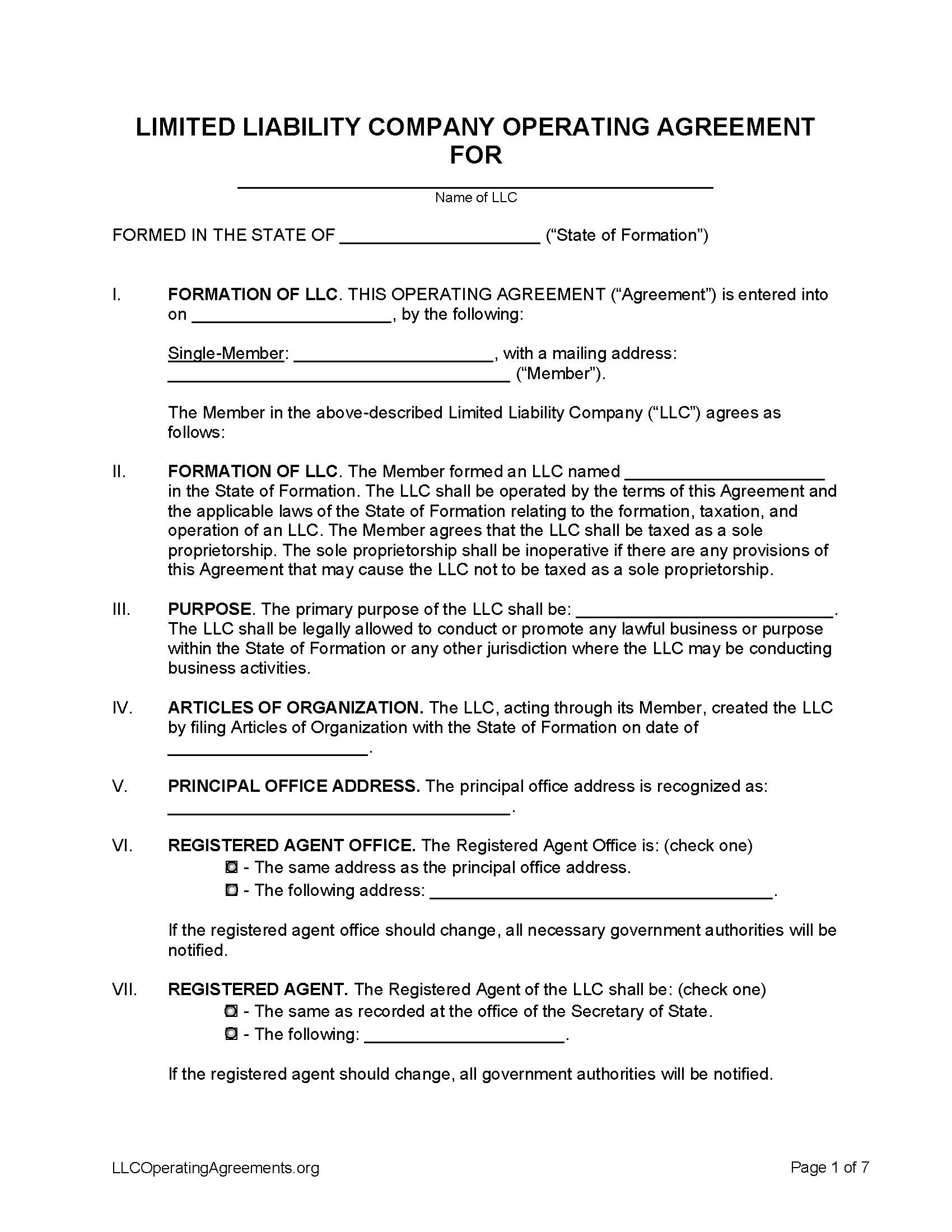
Is Notarization Legally Required for an LLC Operating Agreement?
In most U.S. states, an LLC operating agreement does not need to be notarized to be legally valid. The agreement is typically enforceable once all members sign it, even without notarization. However, requirements can vary slightly depending on state laws. For example:
- State-specific rules: A few states may recommend or require notarization for certain LLC documents, but this rarely applies to operating agreements.
- Legal enforceability: Notarization can strengthen the document’s credibility in court if disputes arise.
- Third-party requirements: Banks or institutions might request a notarized agreement for financial transactions.
Benefits of Notarizing an LLC Operating Agreement
While not mandatory, notarizing an LLC operating agreement offers advantages such as:
- Enhanced authenticity: A notary confirms the identities of signatories, reducing fraud risks.
- Dispute prevention: Courts may view notarized agreements as more credible during member conflicts.
- Compliance flexibility: Satisfies requirements for international business or loans where notarization is expected.
State-Specific Requirements for LLC Operating Agreements
State laws govern LLCs, so requirements for operating agreements differ. Key considerations include:
- Research local laws: Check your state’s LLC statutes (e.g., California’s Corporations Code or New York’s LLC Law).
- Filing rules: Some states require operating agreements to be submitted during formation, though notarization is rarely mandated.
- Annual filings: Certain states may request notarized documents for annual reports or amendments.
How to Notarize an LLC Operating Agreement
If you choose to notarize, follow these steps:
- Locate a notary: Use banks, UPS stores, or online notary services.
- Sign in person: Members must sign the document in the notary’s presence with valid ID.
- Retain copies: Keep the notarized agreement with other LLC records for future reference.
Alternatives to Notarizing an LLC Operating Agreement
If notarization isn’t feasible, consider these alternatives:
- Witness signatures: Have a neutral third party witness the signing process.
- State filing: File the agreement with your state’s business division (if required).
- Digital tools: Use electronic signature platforms like DocuSign for secure, timestamped approvals.
Frequently Asked Questions About LLCs (FAQs)
What is an SC LLC Operating Agreement?
An SC LLC Operating Agreement is a legal document that outlines the ownership structure, management practices, and operational rules for a limited liability company (LLC) registered in South Carolina. It serves as a foundational contract among members, detailing their rights, responsibilities, profit-sharing arrangements, and procedures for resolving disputes. While not legally required by the state, having a comprehensive Operating Agreement ensures clarity, minimizes conflicts, and strengthens the LLC’s liability protection by reinforcing its separation from personal assets.
Is an Operating Agreement mandatory for South Carolina LLCs?
South Carolina does not legally require LLCs to adopt an Operating Agreement. However, creating one is highly recommended to establish clear guidelines for internal operations and member relationships. Without this document, the LLC defaults to state laws under the South Carolina Code of Laws, Title 33, which may not align with the members’ specific needs or intentions. A well-drafted agreement also enhances credibility with banks, investors, and courts.
What key provisions should an SC LLC Operating Agreement include?
A robust SC LLC Operating Agreement should cover member ownership percentages, voting rights, profit and loss allocation, management structure (member-managed vs. manager-managed), and procedures for adding or removing members. It should also outline meeting protocols, dispute resolution methods, and dissolution processes. Including clauses for buyout options, transfer restrictions, and contingency plans for events like a member’s death or bankruptcy ensures long-term stability and legal compliance.
Can an SC LLC Operating Agreement be amended after formation?
Yes, an SC LLC Operating Agreement can typically be amended if all members agree to the changes, as outlined in the original document. Most agreements include a specific process for amendments, such as requiring a majority or unanimous vote. It’s critical to document modifications in writing and ensure they comply with South Carolina LLC laws. Regularly updating the agreement helps address evolving business needs, member dynamics, or regulatory changes.
Leave a Reply
Our Recommended Articles