
Single Member LLC Operating Agreement: California

A Single Member Limited Liability Company (LLC) Operating Agreement is a foundational document for solo entrepreneurs in California, outlining the structure and governance of their business. While California law does not legally require single-member LLCs to adopt an operating agreement, creating one is a critical step in safeguarding personal liability protection and establishing clear operational guidelines. This agreement delineates ownership, management roles, profit distribution, and procedures for dissolution or changes in structure. By formalizing these details, business owners reinforce the separation between personal and business assets, enhance credibility with financial institutions, and ensure compliance with state-specific regulations. Crafting a tailored operating agreement not only provides legal clarity but also serves as a proactive measure to address potential disputes or unforeseen challenges, solidifying the LLC’s legitimacy and long-term stability.
-
Single Member LLC Operating Agreement in California: Key Considerations and Requirements
- 1. Legal Requirements for a Single Member LLC Operating Agreement in California
- 2. Key Provisions to Include in a Single Member LLC Operating Agreement
- 3. Asset Protection and Liability Limitations
- 4. Amending the Single Member LLC Operating Agreement
- 5. Compliance and Tax Implications for California Single Member LLCs
- How to create an operating agreement for a single-member LLC?
- Can LLC have only one member?
-
Frequently Asked Questions About LLCs (FAQs)
- Is an Operating Agreement Required for a Single Member LLC in California?
- What Should Be Included in a Single Member LLC Operating Agreement in California?
- Can a Single Member LLC Operating Agreement Be Modified in California?
- What Happens If a Single Member LLC in California Doesn’t Have an Operating Agreement?
Single Member LLC Operating Agreement in California: Key Considerations and Requirements
1. Legal Requirements for a Single Member LLC Operating Agreement in California
While California law does not explicitly mandate an Operating Agreement for single-member LLCs, having one is strongly advised. This document establishes the company’s structure, management rules, and financial protocols. It also reinforces the liability protection between the owner’s personal assets and the business. Without an Operating Agreement, California’s default LLC statutes govern the company, which may not align with the owner’s preferences.
See AlsoSingle Member LLC Operating Agreement: Florida| Requirement | Description |
| Member Information | Name and address of the single member. |
| Management Structure | Specify if the LLC is member-managed or manager-managed. |
| Dissolution Terms | Conditions for dissolving the LLC. |
2. Key Provisions to Include in a Single Member LLC Operating Agreement
A well-drafted Operating Agreement should address ownership rights, profit distribution, and decision-making authority. Even with a single member, outlining procedures for adding members (if applicable) or handling unexpected events (e.g., the member’s incapacity) is critical. Clauses about tax elections (e.g., choosing S-Corp taxation) and record-keeping requirements are also essential.
| Provision | Purpose |
| Ownership Interest | Confirms 100% ownership by the single member. |
| Capital Contributions | Details initial and ongoing financial inputs. |
| Distribution of Profits/Losses | Explains how profits are allocated. |
3. Asset Protection and Liability Limitations
A Single Member LLC Operating Agreement strengthens asset protection by formalizing the separation between personal and business finances. Courts may pierce the corporate veil if the LLC is not treated as a distinct entity. The agreement should include clauses for banking, expense tracking, and compliance with annual state requirements (e.g., California’s $800 franchise tax).
See AlsoNew Mexico Single Member LLC Filing Requirements| Protection Measure | Description |
| Separation of Assets | Requires separate business bank accounts. |
| Indemnification Clause | Protects the member from certain liabilities. |
| Compliance Reporting | Ensures adherence to state filings and fees. |
4. Amending the Single Member LLC Operating Agreement
The Operating Agreement should outline a process for amendments. Even though the single member holds full authority, documenting changes ensures clarity for future reference or potential audits. Amendments might address shifts in business scope, tax strategies, or succession plans. All revisions should be dated, signed, and stored with the original agreement.
| Step | Action |
| Proposal | Member identifies needed changes. |
| Documentation | Draft and sign amendment. |
| Filing | Update internal records and state filings (if required). |
5. Compliance and Tax Implications for California Single Member LLCs
California imposes specific compliance obligations, including the $800 annual franchise tax and a Statement of Information filing every two years. The Operating Agreement should reflect the LLC’s federal tax classification (default: disregarded entity) and any elections (e.g., S-Corp status). Proper documentation helps avoid disputes with the IRS or California FTB.
See AlsoAlabama LLC Operating Agreement| Requirement | Details |
| Annual Franchise Tax | $800 minimum fee, due by April 15. |
| Federal Tax Forms | Schedule C (Form 1040) for default taxation. |
| State Registration | File Articles of Organization with CA SOS. |
How to create an operating agreement for a single-member LLC?
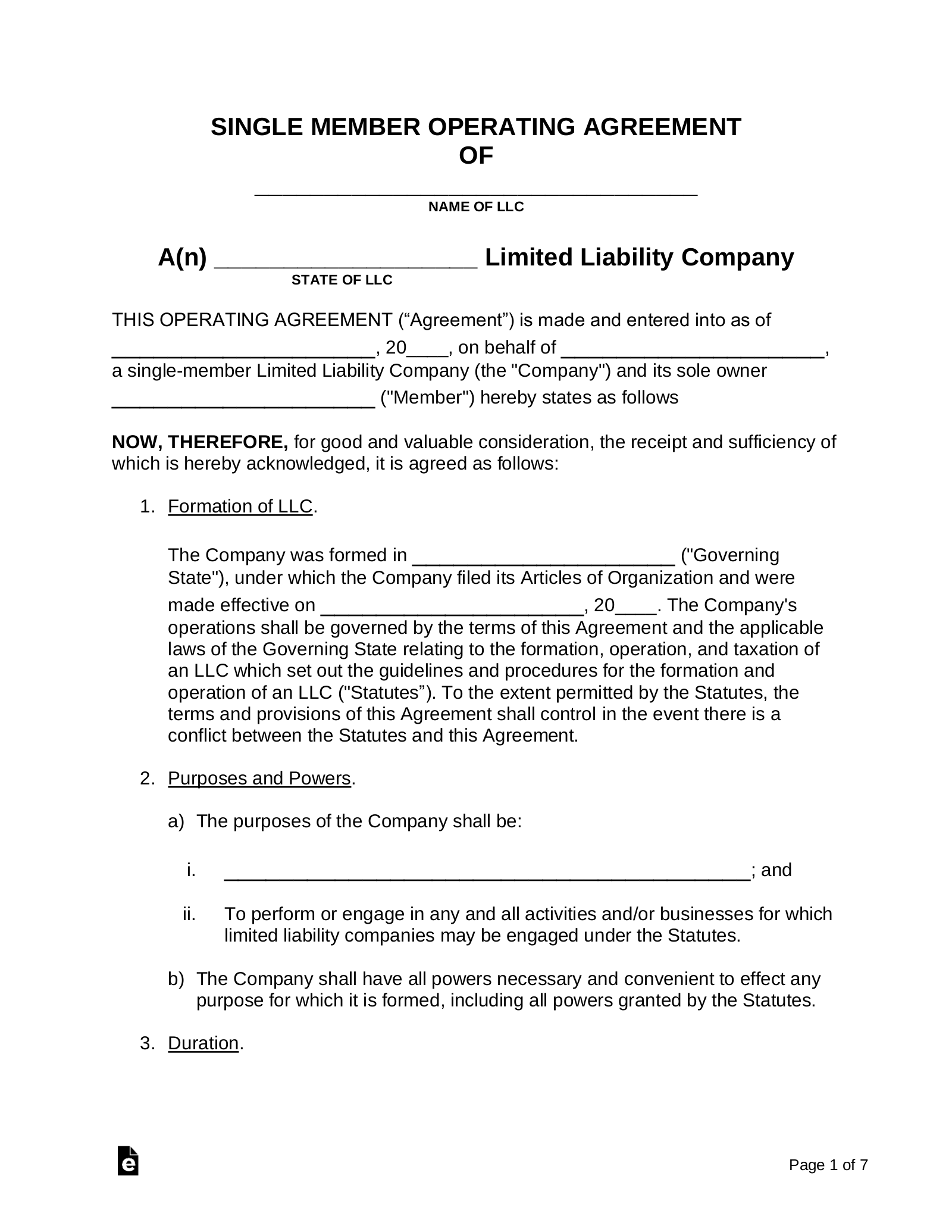
Understanding the Purpose of a Single-Member LLC Operating Agreement
An operating agreement for a single-member LLC outlines the business's structure, ownership, and operational rules. Even though state laws may not require it, having one establishes legal separation between personal and business assets, which is critical for liability protection. Key reasons to create one include:
See AlsoWyoming LLC Operating Agreement- Clarifying business operations: Defines management roles and decision-making processes.
- Asset protection: Reinforces the LLC's legitimacy, reducing personal liability risks.
- Customization: Tailors rules to your business needs, overriding default state regulations.
Drafting Key Provisions for Your Operating Agreement
Include essential clauses to ensure clarity and compliance. Focus on ownership details, management structure, and profit distribution. Critical provisions to address:
- Member information: Name and ownership percentage of the sole member.
- Management: Specify if the LLC is member-managed or manager-managed.
- Dissolution terms: Outline procedures for closing the business.
Ensuring Compliance with State Laws
State requirements vary, so research your jurisdiction’s rules. Some states mandate specific clauses, while others are more flexible. Steps to ensure compliance:
- Review state statutes: Check your Secretary of State’s website for LLC regulations.
- Include mandatory clauses: Add any state-required provisions (e.g., registered agent details).
- Update regularly: Amend the agreement if state laws change.
Signing and Notarizing the Operating Agreement
While not always legally required, signing and notarizing adds authenticity. Follow these steps:
- Sign in the presence of a witness: Enhances enforceability in legal disputes.
- Notarization: Some states require a notary’s seal for validity.
- Retain copies: Store signed copies with business records and provide one to your registered agent.
Updating the Operating Agreement Over Time
Revise the agreement as your business evolves to reflect new goals, legal changes, or ownership adjustments. Key triggers for updates:
- Business expansion: Adding services, locations, or subsidiaries.
- Regulatory changes: Adapting to new state or federal laws.
- Personal circumstances: Changes in estate planning or succession needs.
Can LLC have only one member?
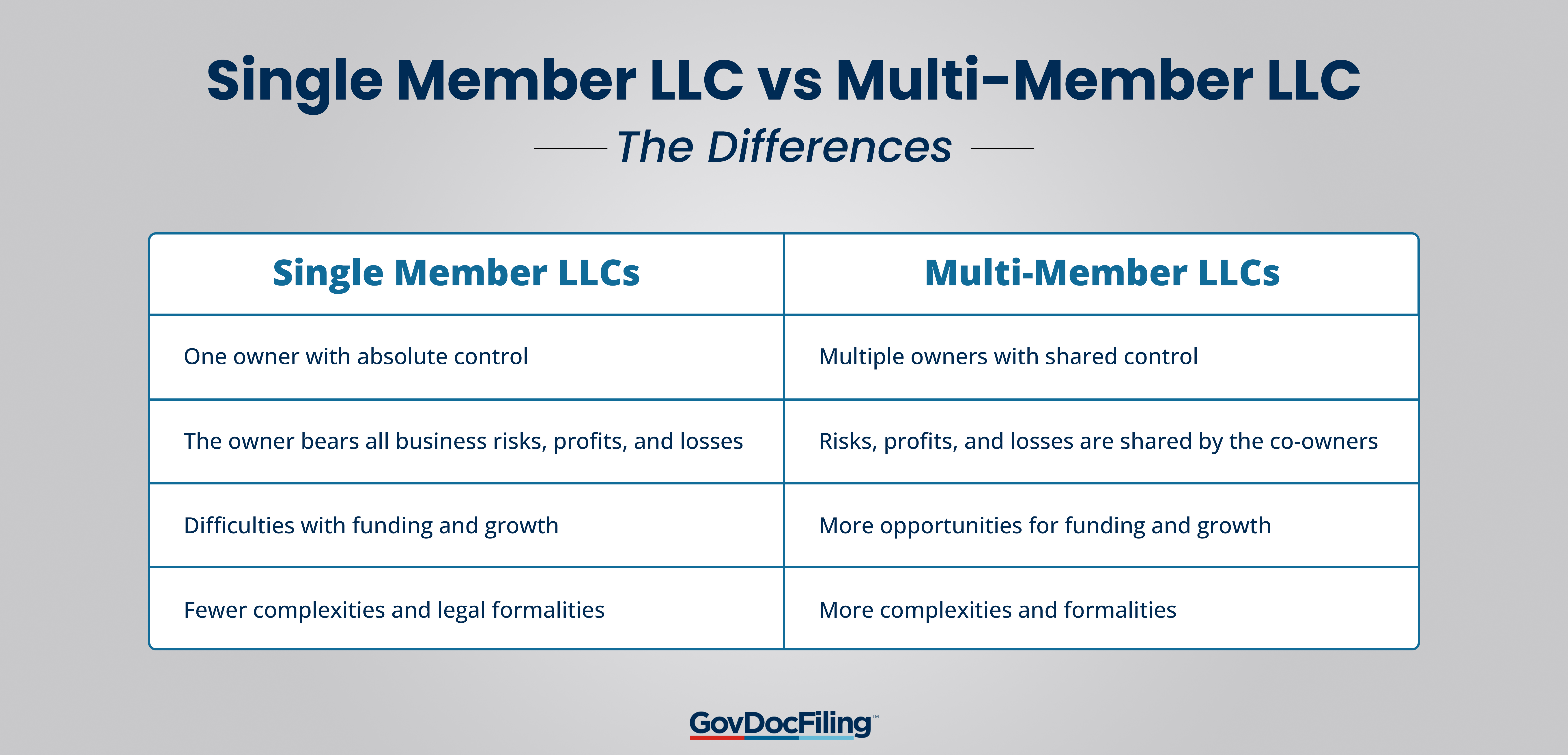
Legal Structure of a Single-Member LLC
Yes, a Limited Liability Company (LLC) can legally have only one member in most jurisdictions, including all U.S. states. A single-member LLC combines the flexibility of a sole proprietorship with the liability protection of a corporation. Key aspects include:
- Formation: Requires filing Articles of Organization with the state and paying associated fees.
- Legal separation: The owner’s personal assets are protected from business liabilities.
- Tax flexibility: By default, it is treated as a disregarded entity by the IRS, but can elect corporate taxation.
Tax Implications for a Single-Member LLC
A single-member LLC is typically taxed as a sole proprietorship, with profits and losses reported on the owner’s personal tax return. However, tax options include:
- Pass-through taxation: Income is taxed once at the individual level.
- Electing S-Corp or C-Corp status: May reduce self-employment taxes or enable retained earnings.
- Self-employment taxes: The owner pays Medicare and Social Security taxes on net earnings.
Liability Protection for a Single-Member LLC Owner
One key advantage of a single-member LLC is limited liability protection, shielding personal assets from business debts or lawsuits. Important considerations:
- Separation of finances: Maintain separate bank accounts and records to avoid “piercing the corporate veil.”
- Legal compliance: File annual reports and pay fees to preserve liability protection.
- Exceptions: Personal guarantees or fraudulent activities may nullify protection.
Formation Process for a Single-Member LLC
Establishing a single-member LLC involves several steps, varying slightly by state. Common requirements include:
- Choose a business name: Ensure it is unique and complies with state rules.
- File Articles of Organization: Submit with the state and pay filing fees.
- Create an operating agreement: Though not always mandatory, it clarifies management and financial structure.
Pros and Cons of a Single-Member LLC
A single-member LLC offers advantages and potential drawbacks. Key points include:
- Pros: Simplified management, liability protection, and tax flexibility.
- Cons: Self-employment taxes, limited access to certain business loans, and state-specific fees.
- Balancing act: Evaluate costs, administrative requirements, and long-term goals.
Frequently Asked Questions About LLCs (FAQs)
Is an Operating Agreement Required for a Single Member LLC in California?
California law does not legally require a Single Member LLC to have an Operating Agreement. However, creating one is strongly recommended. An Operating Agreement establishes the legal and financial structure of your LLC, clarifies ownership, and helps maintain limited liability protection by demonstrating that the LLC operates as a separate entity. Without it, California’s default LLC statutes may govern your business, which might not align with your preferences.
What Should Be Included in a Single Member LLC Operating Agreement in California?
A California Single Member LLC Operating Agreement should outline ownership details, management structure, profit distribution, and dissolution procedures. Include clauses for member responsibilities, decision-making authority, and how to handle changes (e.g., adding members or transferring ownership). Additionally, address compliance with California-specific requirements, such as annual franchise taxes and the Statement of Information filings. Customizing the agreement ensures it reflects your business goals and legal protections.
Can a Single Member LLC Operating Agreement Be Modified in California?
Yes, a Single Member LLC Operating Agreement can be amended at any time by the sole member. Changes must be documented in writing, signed, and kept with the company’s records. Common reasons for modifications include updating ownership terms, adjusting management roles, or complying with new state laws. Ensure amendments adhere to the original agreement’s provisions for revisions and maintain consistency with California’s LLC regulations.
What Happens If a Single Member LLC in California Doesn’t Have an Operating Agreement?
Without an Operating Agreement, the LLC defaults to California’s default LLC rules under the Revised Uniform Limited Liability Company Act (RULLCA). This may lead to unintended outcomes, such as unclear profit distribution or dissolution processes. Additionally, courts might disregard the liability protection of the LLC if there’s no formal agreement, potentially exposing personal assets. Banks or investors may also request an Operating Agreement to validate the LLC’s legitimacy, complicating financial transactions.
Leave a Reply
Our Recommended Articles