
Wyoming LLC Operating Agreement

A Wyoming LLC Operating Agreement serves as the foundational document outlining the structure, management, and operational guidelines for a limited liability company (LLC) formed in the state. While Wyoming does not legally require LLCs to adopt an operating agreement, creating one is strongly recommended to establish clear rules for member roles, profit distribution, decision-making processes, and dispute resolution. This customizable contract not only reinforces the LLC’s liability protection by separating personal and business assets but also ensures compliance with state laws while tailoring operations to the company’s unique needs. A well-drafted agreement provides legal clarity, minimizes internal conflicts, and safeguards the LLC’s flexibility in a business-friendly regulatory environment.
Understanding the Wyoming LLC Operating Agreement: Key Components and Requirements
What Is a Wyoming LLC Operating Agreement?
A Wyoming LLC Operating Agreement is a legally binding document that outlines the ownership structure, management, and operational rules for a Wyoming limited liability company (LLC). While Wyoming does not legally require LLCs to have an operating agreement, creating one is critical for defining member roles, profit distribution, and dispute resolution procedures. It also reinforces the LLC’s liability protection by demonstrating a separation between personal and business assets.
See AlsoTennessee LLC Operating Agreement| Key Element | Purpose |
| Member Ownership | Specifies ownership percentages and capital contributions |
| Management Structure | Defines member-managed vs. manager-managed LLCs |
| Voting Rights | Establishes decision-making processes |
Steps to Draft a Wyoming LLC Operating Agreement
Drafting a Wyoming LLC Operating Agreement involves identifying members, outlining management responsibilities, and detailing financial arrangements. Start by defining the LLC’s purpose and structure. Include clauses for profit distribution, tax treatment, and procedures for adding or removing members. Customizing the agreement ensures compliance with Wyoming state laws (e.g., W.S. 17-29-105) and addresses the unique needs of the business.
| Step | Description |
| Define Membership | List members and their ownership stakes |
| Assign Roles | Clarify management duties and voting power |
| Include Dissolution Terms | Outline conditions for winding down the LLC |
Member Roles and Responsibilities in a Wyoming LLC
In a Wyoming LLC, members can choose to manage the company themselves or appoint a manager. The operating agreement must specify whether the LLC is member-managed or manager-managed. Members’ responsibilities may include financial contributions, voting on major decisions, and adhering to fiduciary duties. Clear role definitions prevent conflicts and ensure smooth operations.
See Also Are There Any Venture Capital Firms That Invest in Retail Businesses
| Role Type | Responsibilities |
| Member-Managed | All members participate in daily decisions |
| Manager-Managed | Appointed managers handle operations |
How a Wyoming LLC Operating Agreement Protects Assets
A well-drafted operating agreement strengthens asset protection by formalizing the LLC’s structure, which courts recognize as evidence of a legitimate business entity. Wyoming’s favorable LLC laws, such as charging order protection, shield members’ personal assets from business liabilities. The agreement should prohibit commingling of funds and specify procedures for handling debts or lawsuits.
| Protection Feature | Benefit |
| Charging Order Protection | Limits creditors to distributions, not assets |
| Separation of Assets | Prevents personal liability for business debts |
Amending a Wyoming LLC Operating Agreement
Amendments to a Wyoming LLC Operating Agreement typically require approval from a majority or all members, as outlined in the original document. Common reasons for amendments include adding members, changing profit-sharing ratios, or updating management roles. Ensure amendments comply with Wyoming’s LLC statutes and are documented in writing to maintain legal validity.
See AlsoLouisiana LLC Operating Agreement| Amendment Type | Considerations |
| Membership Changes | Requires updated ownership percentages |
| Tax Structure Updates | Align with IRS requirements |
What is the disadvantage of an LLC in Wyoming?
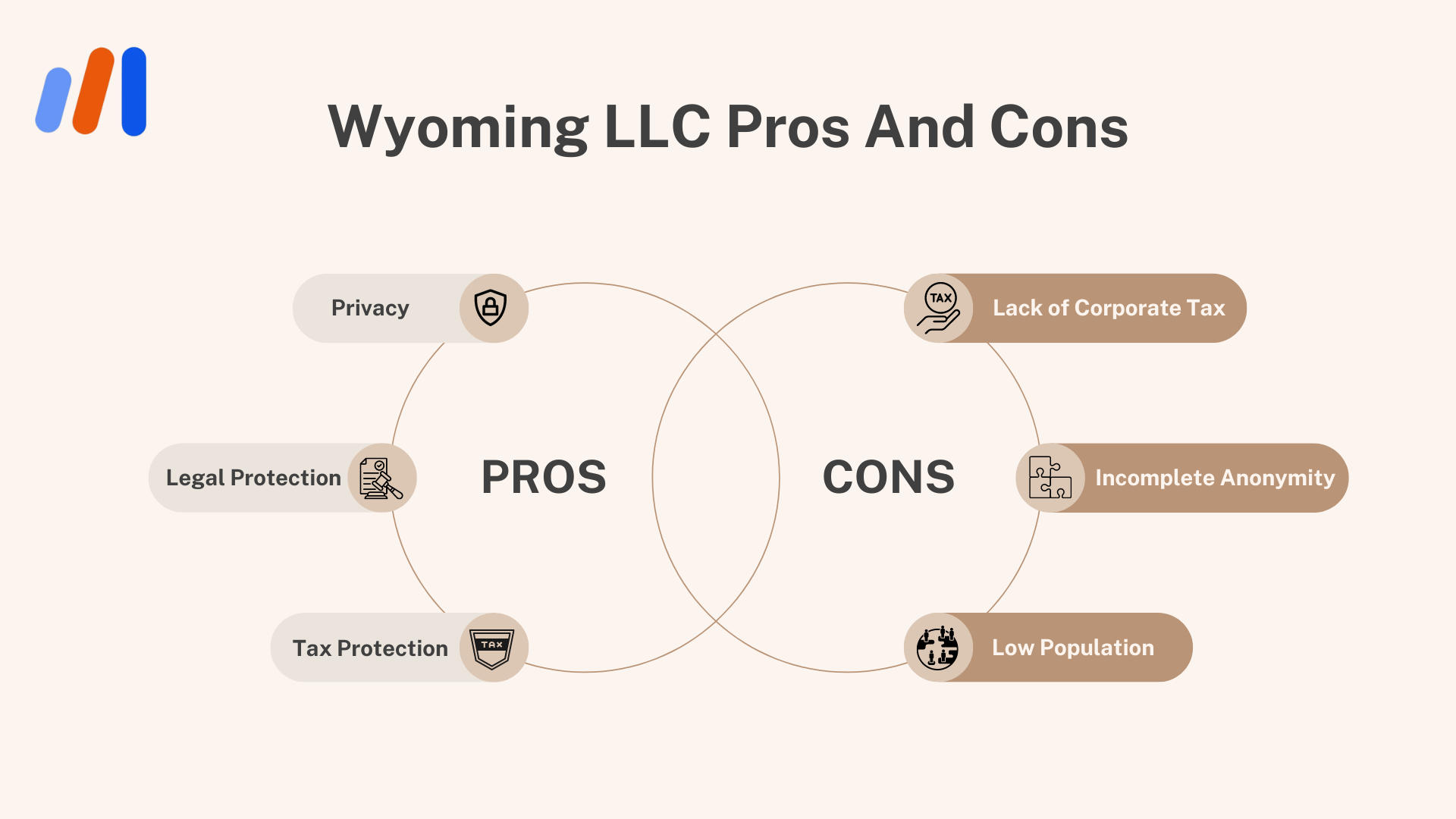
Higher Formation and Maintenance Costs
While Wyoming is known for its business-friendly environment, forming and maintaining an LLC here can be more expensive compared to other states. Initial formation fees are approximately $100, and annual report fees of $60 are mandatory. Additionally, hiring a registered agent (required by law) adds ongoing costs.
See AlsoSingle Member LLC: Illinois- Formation fees are higher than in states like New Mexico or Nevada.
- Annual report fees are unavoidable, even if the LLC generates no income.
- Third-party registered agent services typically cost $100–$300/year.
Limited Privacy Protections Over Time
Wyoming initially offered strong privacy for LLC owners, but recent federal laws like the Corporate Transparency Act (2024) require disclosing beneficial ownership information to FinCEN. This reduces anonymity for members.
- Federal reporting mandates sharing owner details, negating Wyoming’s privacy benefits.
- Failure to comply results in steep penalties ($500/day fines).
- Ongoing administrative work to maintain compliance.
Potential Tax Obligations in Other States
Wyoming has no state income tax, but operating outside Wyoming may trigger tax liabilities elsewhere. For example, if your LLC conducts business in California, you’ll face franchise taxes or income taxes there.
See Also What Are Examples of Vc Due Diligence Check Lists?
- Nexus rules apply if operating in multiple states.
- Additional filing fees and tax filings in other jurisdictions.
- Complexity increases for multi-state businesses.
Difficulty Accessing Business Banking Remotely
Some banks require in-person visits to open business accounts, which can be challenging for non-residents. Online banking solutions exist but may lack features like loans or credit lines.
- Traditional banks often demand physical presence for account setup.
- Limited local branch access complicates troubleshooting.
- Online-only banks may restrict financial services.
Limited Appeal to Investors
Investors often prefer C corporations due to stock structure and familiarity. Converting an LLC to a corporation later involves legal complexities and costs.
- Stock options are harder to implement in LLCs.
- Investors may demand restructuring, leading to legal fees.
- Perceived lack of scalability compared to corporations.
Why is Wyoming the best state to form an LLC?
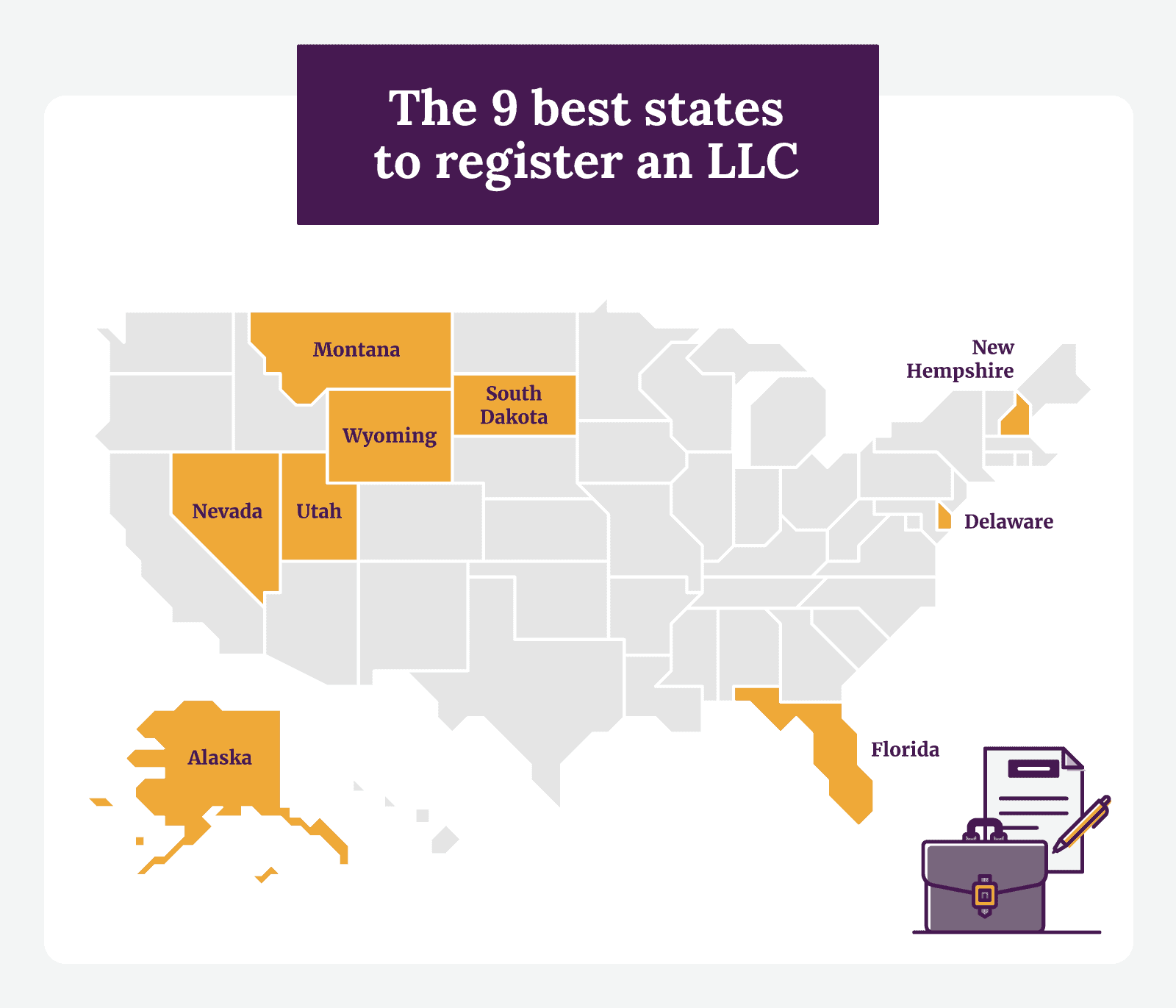
Tax Advantages in Wyoming for LLC Formation
Wyoming is renowned for its tax-friendly environment, making it a top choice for forming an LLC. The state imposes no corporate income tax, no personal income tax, and no franchise tax on LLCs. This structure allows businesses to retain more profits while complying with straightforward tax obligations. Key benefits include:
- Zero corporate income tax: LLCs are not taxed at the state level on profits.
- No personal income tax: Members avoid state taxes on distributions.
- Low annual fees: Wyoming charges only a minimal $60 annual report fee.
Strong Privacy Protections for LLC Members
Wyoming offers unmatched privacy safeguards for LLC owners. The state does not require the disclosure of member or manager names in public records, ensuring anonymity. This is particularly valuable for asset protection and confidentiality. Highlights include:
- Anonymous ownership: Members’ identities remain private.
- No requirement to disclose managers: Flexibility in operational structure.
- Nominee services: Allows third-party representatives to act on behalf of owners.
Asset Protection and Limited Liability
Wyoming’s LLC laws prioritize robust asset protection, shielding members’ personal assets from business liabilities. The state’s charging order protection limits creditors to claiming only distributions, not ownership interests. Key features include:
- Charging order as the exclusive remedy: Creditors cannot seize LLC assets.
- Single-member LLC protection: Even solo owners receive full liability safeguards.
- Separation of personal and business assets: Enhanced legal security.
Low Costs and Minimal Compliance Requirements
Forming and maintaining an LLC in Wyoming is cost-effective and hassle-free. The state’s streamlined processes reduce administrative burdens. Advantages include:
- Affordable formation fees: Initial filing costs as low as $100.
- No mandatory operating agreement filing: Reduced paperwork.
- No business license requirements: For most industries, lowering overhead.
Business-Friendly Legal Environment
Wyoming’s legal framework is designed to support small businesses and entrepreneurs. It was the first state to establish LLC statutes in 1977, creating a well-tested system. Benefits include:
- Established case law: Predictable outcomes in legal disputes.
- Flexible management structures: No residency requirements for members or managers.
- Recognition nationwide: Wyoming LLCs are respected in all 50 states.
Frequently Asked Questions About LLCs (FAQs)
What is a Wyoming LLC Operating Agreement and why is it important?
A Wyoming LLC Operating Agreement is a legal document outlining the ownership structure, management, and operational rules of a limited liability company (LLC) in Wyoming. While Wyoming state law does not legally require an LLC to have an Operating Agreement, creating one is strongly recommended to establish clear guidelines for member roles, profit distribution, voting rights, and dispute resolution. This agreement helps protect the company’s limited liability status, ensures compliance with state laws, and prevents Wyoming’s default LLC statutes from governing your business decisions.
Is a Wyoming LLC Operating Agreement required by the state?
No, Wyoming does not legally mandate LLCs to file or maintain an Operating Agreement. However, drafting one is considered critical for legal and operational clarity. Without a customized Operating Agreement, your LLC will default to Wyoming’s statutory rules under the Wyoming Limited Liability Company Act, which may not align with your business goals. The agreement also reinforces the separation between personal and business assets, which is vital for maintaining liability protection.
What key provisions should a Wyoming LLC Operating Agreement include?
A comprehensive Wyoming LLC Operating Agreement should include member ownership percentages, profit-and-loss allocation, management structure (member-managed vs. manager-managed), voting procedures, and rules for adding or removing members. It should also outline procedures for dissolving the LLC, resolving disputes, and amending the agreement. Including clauses about fiduciary duties, meeting requirements, and restrictions on transferring ownership interests further strengthens the document’s enforceability and clarity.
Can a Wyoming LLC Operating Agreement be amended after formation?
Yes, a Wyoming LLC Operating Agreement can be amended, provided the changes follow the amendment process outlined in the original agreement. Typically, amendments require a majority or unanimous vote by members, depending on the terms. All changes should be documented in writing, signed by members, and stored with the company’s records. Regularly updating the agreement ensures it reflects the LLC’s current operations, membership, and compliance with evolving state laws.
Leave a Reply
Our Recommended Articles