
Are There Any Venture Capital Funds in the Nutrition Natural Product and or Health Wellness Industry

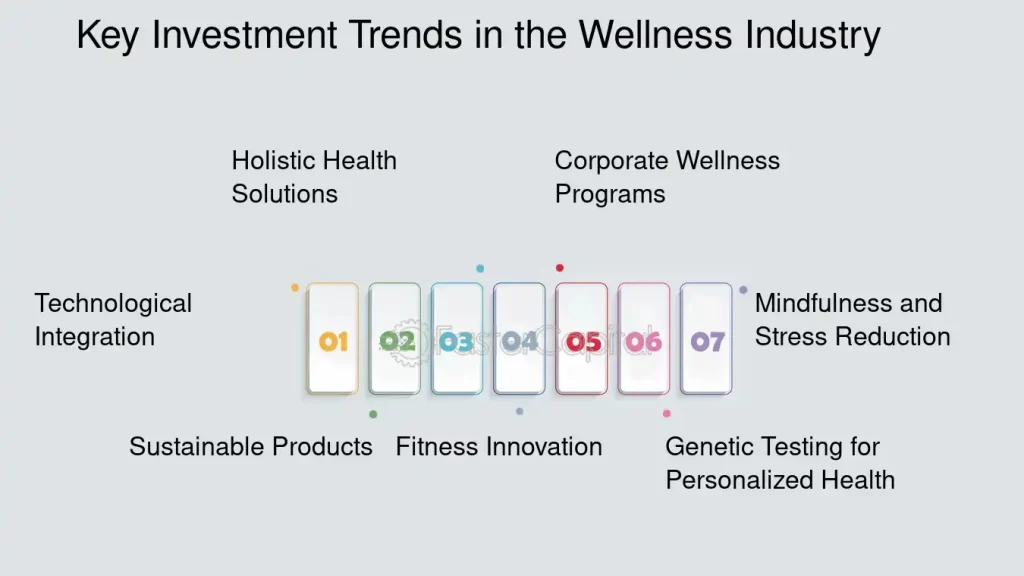
The nutrition, natural product, and health wellness industries have experienced significant growth in recent years, driven by increasing consumer demand for healthier lifestyles and sustainable products. This surge has attracted the attention of investors, including venture capital funds, seeking to capitalize on emerging trends and innovative startups. Venture capital plays a crucial role in fueling innovation, enabling companies to scale and bring groundbreaking products to market. This article explores whether there are dedicated venture capital funds focused on these sectors, the opportunities they present, and how entrepreneurs can leverage such funding to drive growth and innovation in the health and wellness space.
-
Are There Any Venture Capital Funds in the Nutrition, Natural Product, and Health Wellness Industry?
- 1. What Are Venture Capital Funds in the Health and Wellness Sector?
- 2. Key Venture Capital Funds Focused on Nutrition and Wellness
- 3. Why Are Venture Capital Funds Interested in This Industry?
- 4. Challenges Faced by Startups in Securing Venture Capital
- 5. Future Trends in Venture Capital for Nutrition and Wellness
- What is venture capital in healthcare?
- What is the dark side of venture capital?
- What is VC in biotech?
- What is healthcare ventures?
-
Frequently Asked Questions (FAQs)
- Are there venture capital funds specifically focused on the nutrition, natural product, and health wellness industry?
- What types of companies do venture capital funds in the nutrition and wellness industry typically invest in?
- How can startups in the nutrition and wellness industry attract venture capital funding?
- What are the challenges of securing venture capital funding in the nutrition and wellness sector?
Are There Any Venture Capital Funds in the Nutrition, Natural Product, and Health Wellness Industry?
The nutrition, natural product, and health wellness industry has seen significant growth in recent years, driven by increasing consumer awareness of health and wellness. This growth has attracted the attention of venture capital funds that specialize in investing in innovative companies within this sector. These funds provide financial support to startups and emerging businesses that are developing cutting-edge products, sustainable solutions, and health-focused technologies. Below, we explore the presence of venture capital funds in this industry and their impact.
See Also What Are the Most Active Health Care Focused Vc Firms?
1. What Are Venture Capital Funds in the Health and Wellness Sector?
Venture capital funds in the health and wellness sector are investment vehicles that focus on providing capital to startups and companies developing products or services related to nutrition, natural products, and wellness. These funds typically seek high-growth potential businesses that align with trends such as plant-based diets, functional foods, supplements, and personalized health solutions. They often provide not only financial support but also mentorship and industry connections to help companies scale.
2. Key Venture Capital Funds Focused on Nutrition and Wellness
Several venture capital funds have established themselves as leaders in the nutrition and wellness industry. These funds actively seek out innovative companies that are disrupting traditional markets with health-focused innovations. Below is a table highlighting some of the most prominent funds:
See Also What Are the Different Types of Venture Capital Firms?
| Fund Name | Focus Area | Notable Investments |
|---|---|---|
| PowerPlant Ventures | Plant-based and sustainable nutrition | Beyond Meat, Thrive Market |
| Cultivian Sandbox | Food tech and wellness | MycoTechnology, Brightseed |
| Blue Horizon | Alternative proteins and health foods | Impossible Foods, Geltor |
| Seventh Generation Ventures | Natural products and sustainability | Seventh Generation, EcoVessel |
| Healthwell Ventures | Health and wellness innovations | Wellory, Levels |
3. Why Are Venture Capital Funds Interested in This Industry?
The nutrition, natural product, and health wellness industry is highly attractive to venture capital funds due to its rapid growth and resilience even during economic downturns. Consumers are increasingly prioritizing health-conscious choices, leading to a surge in demand for organic foods, functional beverages, and wellness technologies. Additionally, the industry benefits from long-term trends such as aging populations, rising chronic diseases, and a shift toward preventative healthcare.
4. Challenges Faced by Startups in Securing Venture Capital
While the industry is booming, startups in the nutrition and wellness space often face challenges in securing venture capital. These include high competition, the need for scientific validation of products, and regulatory hurdles. Investors also look for scalable business models and strong leadership teams, which can be difficult for early-stage companies to demonstrate. However, those that succeed often benefit from the expertise and networks provided by venture capital funds.
See Also Which Venture Capitalists Tend to Like Investing in Music Related Startups
5. Future Trends in Venture Capital for Nutrition and Wellness
The future of venture capital in the nutrition and wellness industry is expected to focus on emerging technologies such as precision nutrition, AI-driven health platforms, and sustainable packaging solutions. Additionally, funds are likely to invest in companies that address global health challenges, such as food security and access to clean nutrition. As consumer preferences continue to evolve, venture capital will play a crucial role in driving innovation and growth in this dynamic sector.
What is venture capital in healthcare?

What is Venture Capital in Healthcare?
Venture capital in healthcare refers to the investment of funds into early-stage, high-potential, and often high-risk healthcare companies or startups. These investments are typically made by venture capital firms or individual investors who seek to support innovative solutions in the healthcare sector, such as new medical technologies, pharmaceuticals, biotechnology, digital health platforms, and healthcare services. The goal is to provide financial backing to companies with the potential for significant growth and returns, while also addressing critical healthcare challenges.
How Does Venture Capital Work in Healthcare?
Venture capital in healthcare operates through a structured process that involves several key steps:
- Identification of Opportunities: Venture capitalists identify promising healthcare startups or companies with innovative solutions.
- Due Diligence: Investors conduct thorough research and analysis to assess the viability, market potential, and risks associated with the investment.
- Funding: Once approved, the venture capital firm provides funding in exchange for equity or ownership stakes in the company.
- Mentorship and Support: Beyond financial support, venture capitalists often offer strategic guidance, industry connections, and operational expertise to help the company grow.
- Exit Strategy: Investors aim to exit their investment through avenues such as an initial public offering (IPO) or acquisition, generating returns on their investment.
Why is Venture Capital Important in Healthcare?
Venture capital plays a critical role in the healthcare industry for several reasons:
- Driving Innovation: It provides the necessary funding for groundbreaking research and development in areas like biotechnology, medical devices, and digital health.
- Addressing Unmet Needs: Venture capital enables the creation of solutions for underserved or unmet medical needs, improving patient outcomes.
- Economic Growth: Successful healthcare startups contribute to job creation and economic development within the healthcare sector.
- Risk Mitigation: By supporting multiple startups, venture capitalists diversify their investments, spreading risk across various innovative projects.
- Accelerating Market Entry: Funding helps startups bring their products or services to market faster, benefiting patients and healthcare providers.
Key Sectors in Healthcare Venture Capital
Venture capital in healthcare is often directed toward specific sectors that show high growth potential and innovation:
- Biotechnology: Investments in companies developing new drugs, gene therapies, and personalized medicine.
- Medical Devices: Funding for innovative medical equipment, diagnostic tools, and wearable health technologies.
- Digital Health: Support for startups creating telemedicine platforms, health apps, and AI-driven healthcare solutions.
- Pharmaceuticals: Backing for companies focused on drug discovery, clinical trials, and novel treatment methods.
- Healthcare Services: Investments in companies improving healthcare delivery, patient care, and operational efficiency.
Challenges in Healthcare Venture Capital
While venture capital in healthcare offers significant opportunities, it also comes with unique challenges:
- Regulatory Hurdles: Healthcare startups must navigate complex regulatory requirements, which can delay product launches and increase costs.
- High Risk: Many healthcare innovations fail during clinical trials or face market rejection, leading to potential losses for investors.
- Long Development Cycles: The time required to develop and commercialize healthcare products can be lengthy, requiring sustained investment.
- Market Competition: The healthcare sector is highly competitive, with established players dominating certain areas.
- Ethical Considerations: Investors must balance financial goals with ethical responsibilities, ensuring that innovations benefit patients and society.
What is the dark side of venture capital?

High Pressure and Burnout
Venture capital often creates an environment of high pressure and intense competition, which can lead to burnout among founders and employees. The constant need to meet aggressive growth targets and deliver returns to investors can take a toll on mental and physical health.
- Unrealistic expectations from investors can push teams to work unsustainable hours.
- The fear of failure and losing funding can create a toxic work culture.
- Founders may prioritize short-term gains over long-term sustainability, leading to poor decision-making.
Loss of Control and Autonomy
When startups accept venture capital, they often give up a significant portion of equity and decision-making power. This can lead to a loss of control over the company's direction and vision.
- Investors may push for strategies that prioritize quick exits over the founder's original mission.
- Founders may face pressure to pivot or change their business model against their better judgment.
- Board seats controlled by investors can lead to conflicts and power struggles.
Inequality and Exclusivity
Venture capital is often criticized for its lack of diversity and exclusivity. Many founders from underrepresented groups struggle to access funding, perpetuating systemic inequalities.
- Investors tend to favor founders from elite networks, leaving others at a disadvantage.
- Women and minority founders receive a disproportionately small share of venture capital funding.
- The focus on high-growth industries often overlooks businesses that serve marginalized communities.
Short-Term Focus and Misaligned Incentives
Venture capital investors typically seek high returns within a short timeframe, which can lead to misaligned incentives between investors and founders.
- Startups may prioritize rapid scaling over building a sustainable business model.
- Investors may push for premature exits, such as IPOs or acquisitions, that may not align with the founder's vision.
- The focus on unicorn valuations can lead to overvaluation and subsequent crashes.
Exploitation and Unfair Terms
Some venture capital deals include exploitative terms that heavily favor investors, leaving founders with little protection or recourse.
- Liquidation preferences can ensure investors are paid first, often leaving founders with nothing in the event of a sale.
- Anti-dilution clauses can disproportionately benefit investors at the expense of founders and early employees.
- Founders may be forced to accept unfavorable terms due to a lack of bargaining power.
What is VC in biotech?
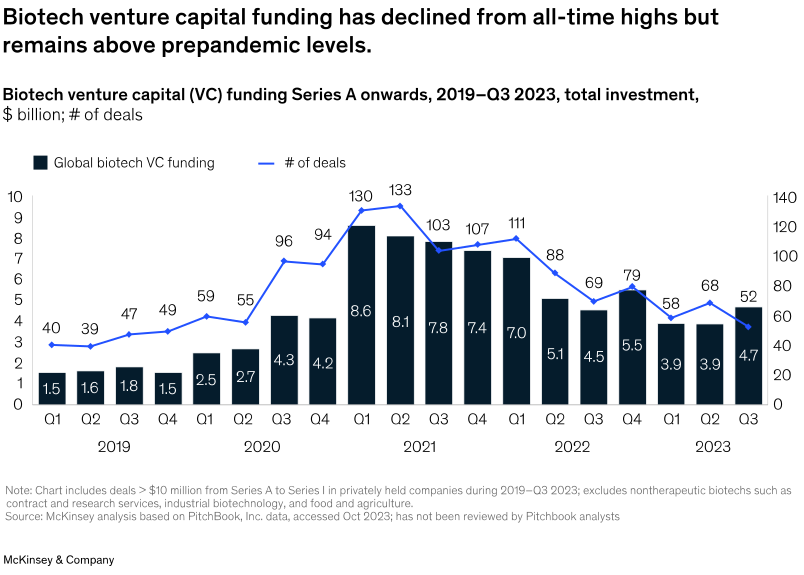
What is Venture Capital (VC) in Biotech?
Venture Capital (VC) in biotech refers to the investment of funds into early-stage or emerging biotechnology companies that show high growth potential. These investments are typically made by venture capital firms or individual investors who provide financial backing in exchange for equity or ownership stakes. The goal of VC in biotech is to support the development of innovative therapies, diagnostics, and technologies that address unmet medical needs, while also generating significant returns on investment.
- High-risk, high-reward: Biotech VC investments are considered high-risk due to the long development timelines and regulatory hurdles, but they offer the potential for substantial financial returns if a product succeeds.
- Focus on innovation: VC firms often prioritize companies with groundbreaking technologies or novel approaches to treating diseases.
- Staged funding: Investments are typically made in stages, with funding tied to the achievement of specific milestones, such as clinical trial progress or regulatory approvals.
Why is VC Important in Biotech?
Venture Capital plays a critical role in the biotech industry by providing the necessary funding to bridge the gap between scientific discovery and commercialization. Biotech companies often require significant capital to conduct research, develop products, and navigate regulatory pathways, which can take years or even decades. Without VC funding, many promising biotech innovations might never reach the market.
- Funding innovation: VC enables the development of cutting-edge technologies that might otherwise lack financial support.
- Accelerating growth: VC funding helps biotech companies scale their operations and bring products to market faster.
- Attracting talent: With VC backing, biotech firms can attract top-tier scientists, researchers, and executives to drive their projects forward.
How Do VC Firms Evaluate Biotech Startups?
VC firms evaluate biotech startups based on several key factors, including the strength of the scientific team, the novelty of the technology, market potential, and the feasibility of the business model. Due diligence is a critical part of the process, as investors assess the risks and rewards associated with each opportunity.
- Scientific merit: The quality and credibility of the research and development team are paramount.
- Market opportunity: Investors look for large, underserved markets with significant growth potential.
- Regulatory pathway: A clear understanding of the regulatory requirements and timelines is essential for assessing risk.
What Are the Challenges of VC in Biotech?
Investing in biotech through VC comes with unique challenges, including long development timelines, high failure rates, and complex regulatory environments. These factors make it a high-risk sector, requiring investors to have a deep understanding of both science and business.
- Long timelines: Biotech products often take 10-15 years to reach the market, requiring patient capital.
- High failure rates: Many biotech startups fail during clinical trials, leading to potential losses for investors.
- Regulatory complexity: Navigating FDA or other regulatory approvals can be costly and time-consuming.
What Are the Key Trends in Biotech VC?
Recent trends in biotech VC include a focus on personalized medicine, gene therapy, and artificial intelligence-driven drug discovery. Additionally, there is growing interest in companies addressing global health challenges, such as infectious diseases and aging populations.
- Personalized medicine: Tailored treatments based on genetic profiles are gaining traction.
- Gene therapy: Advances in CRISPR and other gene-editing technologies are attracting significant investment.
- AI in drug discovery: Machine learning and AI are revolutionizing the way new drugs are developed and tested.
What is healthcare ventures?

What Are Healthcare Ventures?
Healthcare ventures refer to business initiatives or investments focused on the healthcare industry. These ventures aim to innovate, improve, or expand healthcare services, products, or technologies. They often involve collaboration between entrepreneurs, investors, and healthcare professionals to address critical challenges in the sector.
- Healthcare ventures can include startups developing new medical devices.
- They may also involve companies creating digital health solutions like telemedicine platforms.
- Investments in biotechnology and pharmaceutical research are also common in this space.
Types of Healthcare Ventures
There are various types of healthcare ventures, each targeting different aspects of the industry. These ventures can range from small startups to large-scale enterprises.
- Medical technology ventures focus on creating innovative devices and equipment.
- Pharmaceutical ventures aim to develop new drugs and treatments.
- Healthcare IT ventures specialize in software and systems for managing patient data and improving care delivery.
Key Players in Healthcare Ventures
The success of healthcare ventures often depends on the involvement of key stakeholders who bring expertise, funding, and resources to the table.
- Entrepreneurs who identify gaps in the healthcare market and propose innovative solutions.
- Investors who provide the necessary capital to fund research, development, and scaling.
- Healthcare professionals who offer insights into clinical needs and patient care.
Challenges in Healthcare Ventures
Despite their potential, healthcare ventures face numerous challenges that can hinder their progress and success.
- Regulatory hurdles can delay the approval and launch of new products or services.
- High costs associated with research, development, and compliance can strain budgets.
- Market competition from established companies can make it difficult for new entrants to gain traction.
Future Trends in Healthcare Ventures
The future of healthcare ventures is shaped by emerging trends and technological advancements that promise to transform the industry.
- Artificial intelligence is being integrated into diagnostics, treatment planning, and patient management.
- Personalized medicine is gaining traction, focusing on tailored treatments based on individual genetic profiles.
- Remote healthcare solutions are expanding access to care, especially in underserved areas.
Frequently Asked Questions (FAQs)
Are there venture capital funds specifically focused on the nutrition, natural product, and health wellness industry?
Yes, there are venture capital funds that specifically target the nutrition, natural product, and health wellness industries. These funds recognize the growing demand for healthier lifestyles and sustainable products, leading them to invest in startups and companies that innovate in these sectors. Examples include funds like Cultivian Sandbox and PowerPlant Ventures, which focus on food technology, wellness, and natural products. These investors often look for businesses with strong growth potential, innovative solutions, and a commitment to health and sustainability.
What types of companies do venture capital funds in the nutrition and wellness industry typically invest in?
Venture capital funds in the nutrition and wellness industry typically invest in companies that offer innovative solutions, such as functional foods, dietary supplements, plant-based products, and health-focused technology. They also support businesses that prioritize sustainability, clean labeling, and transparency. Examples include startups developing alternative protein sources, personalized nutrition platforms, or wellness apps. These funds often seek companies with a strong value proposition, scalable business models, and the potential to disrupt traditional markets.
How can startups in the nutrition and wellness industry attract venture capital funding?
Startups in the nutrition and wellness industry can attract venture capital funding by demonstrating a clear market opportunity, a unique value proposition, and a scalable business model. It’s essential to have a strong team with expertise in the industry, a well-defined product or service, and evidence of traction, such as early sales or partnerships. Additionally, startups should highlight their commitment to sustainability and innovation, as these are key factors that many venture capital funds prioritize. Networking with investors at industry events and leveraging accelerators or incubators can also help startups gain visibility.
What are the challenges of securing venture capital funding in the nutrition and wellness sector?
Securing venture capital funding in the nutrition and wellness sector can be challenging due to the highly competitive nature of the industry and the need for regulatory compliance. Investors often look for companies with proven traction, which can be difficult for early-stage startups to demonstrate. Additionally, the sector requires significant research and development, which can be costly and time-consuming. Startups must also navigate consumer trends and preferences, which can shift rapidly. Despite these challenges, companies with innovative solutions, strong branding, and a clear path to profitability can successfully attract funding.
Leave a Reply
Our Recommended Articles