
Which Venture Capital Firm Invests in Real Estate Space?

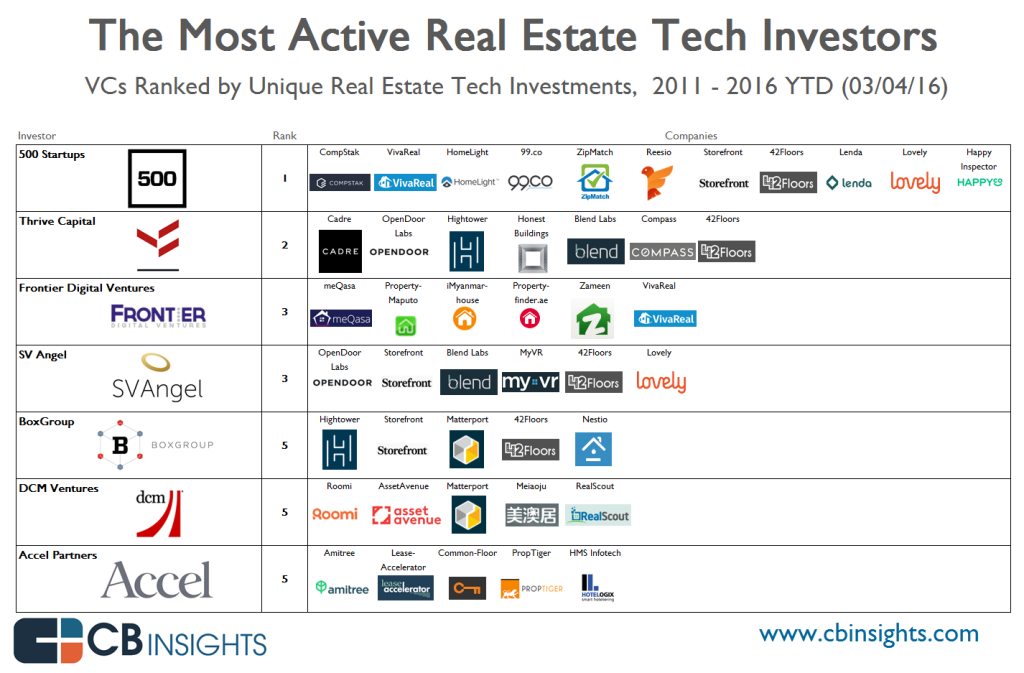
The real estate sector has long been a cornerstone of global investment, offering stability and growth potential. In recent years, venture capital firms have increasingly turned their attention to this space, recognizing opportunities in proptech, sustainable developments, and innovative housing solutions. Identifying which venture capital firms are actively investing in real estate can provide valuable insights for startups, entrepreneurs, and investors alike. This article explores the key players in the venture capital landscape that are shaping the future of real estate, highlighting their strategies, focus areas, and notable investments. Understanding these firms can help stakeholders navigate this dynamic and evolving market.
- Which Venture Capital Firm Invests in Real Estate Space?
-
Do venture capital firms invest in real estate?
- What is the Role of Venture Capital Firms in Real Estate?
- How Do Venture Capital Firms Approach Real Estate Investments?
- What Types of Real Estate Startups Attract Venture Capital?
- What Are the Risks of Venture Capital Investing in Real Estate?
- How Does Venture Capital Differ from Traditional Real Estate Investment?
- What do you call a company that invests in real estate?
- Do private equity firms invest in real estate?
- Who are the Tier 1 VCs?
-
Frequently Asked Questions (FAQs)
- Which venture capital firms are known for investing in the real estate space?
- What types of real estate projects do venture capital firms typically invest in?
- How do venture capital firms evaluate real estate investment opportunities?
- What are the benefits of venture capital investment for real estate startups?
Which Venture Capital Firm Invests in Real Estate Space?
Venture capital firms that invest in the real estate space are specialized entities that focus on funding innovative startups and technologies within the property sector. These firms aim to capitalize on emerging trends such as proptech (property technology), smart buildings, co-living spaces, and sustainable construction. By investing in these areas, they seek to disrupt traditional real estate models and create scalable, high-growth opportunities.
See Also What Kind of Venture Capital Firms Invest in Entertainment Companies or Properties
1. What Are the Key Venture Capital Firms in Real Estate?
Several prominent venture capital firms have made significant investments in the real estate space. Some of the most notable include:
- Fifth Wall: A leading proptech-focused VC firm.
- Brick & Mortar Ventures: Specializes in construction and real estate innovation.
- Camden Partners: Invests in real estate technology and services.
- MetaProp: Focuses on early-stage proptech startups.
- Lerer Hippeau: Known for backing real estate-related tech companies.
These firms are actively shaping the future of the real estate industry by supporting innovative solutions.
See Also What Are the Different Types of Venture Capital Firms?
2. What Types of Real Estate Startups Do VCs Invest In?
Venture capital firms typically invest in startups that offer disruptive solutions in the following areas:
- Proptech: Platforms for property management, leasing, and sales.
- Smart Home Technology: IoT devices for home automation.
- Co-living and Co-working Spaces: Flexible living and working environments.
- Sustainable Construction: Green building materials and energy-efficient designs.
- Real Estate Marketplaces: Online platforms for buying, selling, or renting properties.
These startups aim to address inefficiencies and create value in the real estate market.
See Also What Are the Top Vc Firms in Israel?
3. Why Do Venture Capital Firms Focus on Real Estate?
The real estate sector presents a massive market opportunity, valued at trillions of dollars globally. Venture capital firms are drawn to this space because:
- High Growth Potential: Real estate technology is still in its early stages, offering significant growth opportunities.
- Market Disruption: Traditional real estate practices are ripe for innovation.
- Scalability: Proptech solutions can be scaled across markets and geographies.
- Sustainability Trends: Increasing demand for eco-friendly and energy-efficient buildings.
By investing in this sector, VCs aim to generate substantial returns while driving industry transformation.
See Also What Vc Firms Invest in the Aviation and Aerospace Industry?
4. How Do Real Estate VCs Evaluate Investment Opportunities?
Venture capital firms use specific criteria to evaluate real estate startups, including:
- Market Size: The potential size of the target market.
- Innovation: The uniqueness and scalability of the solution.
- Team: The experience and expertise of the founding team.
- Traction: Early signs of customer adoption and revenue growth.
- Sustainability: Alignment with environmental and social goals.
These factors help VCs identify startups with the highest potential for success.
5. What Are the Challenges for VCs in Real Estate Investments?
Investing in the real estate space comes with its own set of challenges, such as:
- Regulatory Hurdles: Compliance with local and international property laws.
- Market Volatility: Sensitivity to economic cycles and interest rate changes.
- High Capital Requirements: Real estate projects often require significant upfront investment.
- Slow Adoption: Resistance to change in traditional real estate practices.
- Technological Risks: Uncertainty around the success of new technologies.
Despite these challenges, VCs continue to explore opportunities in this dynamic sector.
| VC Firm | Focus Area | Notable Investments |
|---|---|---|
| Fifth Wall | Proptech | VTS, Opendoor |
| Brick & Mortar Ventures | Construction Tech | Built Robotics, Rhumbix |
| Camden Partners | Real Estate Services | RealPage, AppFolio |
| MetaProp | Early-Stage Proptech | HqO, VTS |
| Lerer Hippeau | Real Estate Tech | Compass, Knotel |
Do venture capital firms invest in real estate?

What is the Role of Venture Capital Firms in Real Estate?
Venture capital firms typically focus on investing in startups and high-growth companies, but their involvement in real estate is less common. However, some venture capital firms may invest in proptech (property technology) startups that innovate within the real estate sector. These investments are often aimed at companies developing technologies like smart home systems, property management software, or real estate marketplaces.
- Venture capital firms prioritize high-growth potential and innovation.
- Real estate investments are usually indirect, through technology-driven startups.
- Direct real estate investments are rare due to the illiquid nature of the asset class.
How Do Venture Capital Firms Approach Real Estate Investments?
When venture capital firms invest in real estate, they often target emerging markets or disruptive technologies. Their approach is typically strategic, focusing on companies that can scale quickly and offer unique solutions to real estate challenges. For example, they might invest in platforms that streamline property transactions or enhance tenant experiences.
- Investments are often made in early-stage companies with scalable business models.
- Focus is on technology integration within the real estate sector.
- Venture capital firms seek high returns through rapid growth and market disruption.
What Types of Real Estate Startups Attract Venture Capital?
Venture capital firms are drawn to real estate startups that leverage cutting-edge technology or address market inefficiencies. Examples include companies specializing in co-living spaces, short-term rental platforms, or AI-driven property valuation tools. These startups often have the potential to transform traditional real estate practices.
- Startups offering innovative solutions to real estate challenges are preferred.
- Companies with scalable platforms and data-driven insights attract funding.
- Venture capital firms look for startups with strong leadership teams and clear growth strategies.
What Are the Risks of Venture Capital Investing in Real Estate?
Investing in real estate through venture capital carries unique risks, such as market volatility, regulatory challenges, and technology adoption barriers. Unlike traditional real estate investments, venture capital-backed startups may face higher failure rates due to the competitive nature of the tech industry.
- Market risks include fluctuating property values and economic downturns.
- Regulatory risks can arise from changing laws affecting real estate or technology sectors.
- Technology risks involve the potential for innovations to fail or be outpaced by competitors.
How Does Venture Capital Differ from Traditional Real Estate Investment?
Venture capital and traditional real estate investment differ significantly in their investment strategies and risk profiles. Traditional real estate investors focus on physical properties and cash flow, while venture capital firms prioritize equity stakes in innovative companies. The latter often involves higher risk but also the potential for exponential returns.
- Traditional real estate investments are asset-backed and income-generating.
- Venture capital investments are equity-based and focus on long-term growth.
- Venture capital involves active involvement in the growth and strategy of the invested company.
What do you call a company that invests in real estate?
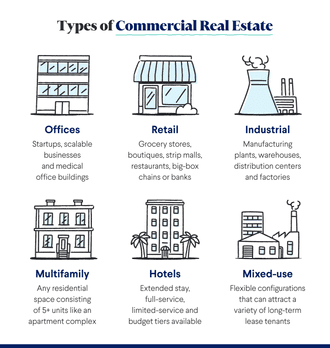
A company that invests in real estate is commonly referred to as a real estate investment company or real estate investment firm. These companies specialize in purchasing, managing, and selling properties to generate profit. They may focus on residential, commercial, or industrial properties and often operate through various investment strategies such as rental income, property appreciation, or real estate development.
What is a Real Estate Investment Company?
A real estate investment company is an entity that pools resources to acquire, manage, and sell properties for profit. These companies can be structured in various ways, such as partnerships, corporations, or trusts. Key characteristics include:
- Diversified portfolios: They often invest in multiple property types to spread risk.
- Professional management: Properties are managed by experienced professionals to maximize returns.
- Investor-focused: They aim to provide returns to shareholders or investors through dividends or capital gains.
Types of Real Estate Investment Companies
There are several types of real estate investment companies, each with its own focus and strategy. The most common types include:
- REITs (Real Estate Investment Trusts): Publicly traded companies that own and manage income-generating properties.
- Private equity real estate firms: These firms raise capital from private investors to acquire and manage properties.
- Real estate development companies: Specialize in building new properties or renovating existing ones for resale or lease.
How Do Real Estate Investment Companies Operate?
Real estate investment companies operate by following a structured process to ensure profitability. Their operations typically include:
- Property acquisition: Identifying and purchasing properties with high potential for returns.
- Property management: Overseeing maintenance, tenant relations, and rental income collection.
- Exit strategies: Selling properties at a profit or refinancing to reinvest in new opportunities.
Benefits of Investing in a Real Estate Investment Company
Investing in a real estate investment company offers several advantages, such as:
- Passive income: Investors earn rental income without managing properties themselves.
- Diversification: Exposure to multiple properties reduces risk compared to owning a single property.
- Professional expertise: Access to experienced management teams ensures better decision-making.
Risks Associated with Real Estate Investment Companies
While investing in real estate companies can be lucrative, it also comes with risks, including:
- Market fluctuations: Property values can decline due to economic downturns or oversupply.
- Liquidity issues: Real estate investments are not as easily liquidated as stocks or bonds.
- Management risks: Poor management decisions can lead to financial losses.
Do private equity firms invest in real estate?
What is Private Equity in Real Estate?
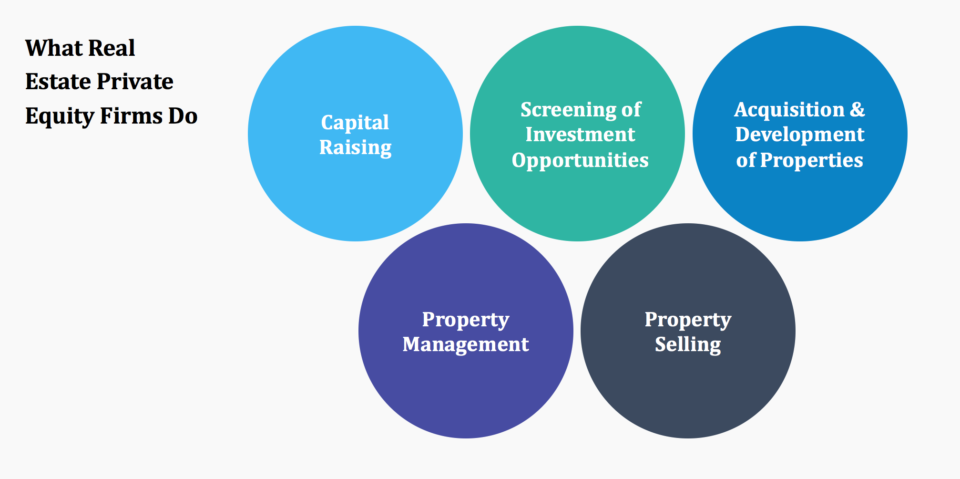
Private equity firms often invest in real estate as part of their diversified investment strategies. These firms pool capital from institutional investors and high-net-worth individuals to acquire, develop, or manage real estate assets. The goal is to generate significant returns through appreciation, rental income, or strategic sales. Private equity real estate investments can include:
- Residential properties: Single-family homes, apartment complexes, and condominiums.
- Commercial properties: Office buildings, retail spaces, and industrial warehouses.
- Mixed-use developments: Projects combining residential, commercial, and retail spaces.
How Do Private Equity Firms Approach Real Estate Investments?
Private equity firms typically follow a structured approach when investing in real estate. They focus on identifying undervalued or underperforming properties with high potential for growth. Key steps include:
- Market research: Analyzing local and global real estate trends.
- Due diligence: Assessing the financial and physical condition of properties.
- Value-add strategies: Renovating or repositioning properties to increase their value.
What Types of Real Estate Do Private Equity Firms Target?
Private equity firms target a wide range of real estate assets depending on market conditions and investment goals. Common targets include:
- Distressed properties: Acquiring properties at a discount due to financial or physical challenges.
- Development projects: Funding the construction of new residential or commercial properties.
- Stabilized assets: Investing in properties with consistent cash flow and low risk.
What Are the Benefits of Private Equity Real Estate Investments?
Investing in real estate through private equity offers several advantages, such as:
- Diversification: Reducing risk by spreading investments across multiple properties or sectors.
- Higher returns: Potential for significant profits through strategic management and market timing.
- Professional management: Leveraging the expertise of private equity firms to optimize property performance.
What Are the Risks of Private Equity Real Estate Investments?
While private equity real estate investments can be lucrative, they also come with risks, including:
- Market volatility: Real estate values can fluctuate due to economic conditions.
- Liquidity issues: Real estate assets are not easily converted to cash.
- High capital requirements: Significant upfront investment is often required.
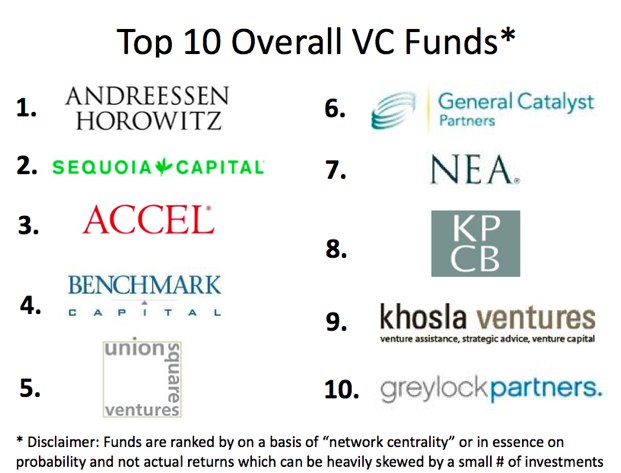
Who are the Tier 1 VCs?
What Defines a Tier 1 VC?
Tier 1 VCs are the most prestigious and influential venture capital firms in the industry. They are characterized by their ability to consistently identify and invest in high-growth startups, often leading funding rounds and providing significant value beyond capital. These firms typically have a strong track record of successful exits, such as IPOs or acquisitions, and are known for their extensive networks, deep industry expertise, and ability to attract top-tier entrepreneurs.
- Track Record: Tier 1 VCs have a history of backing successful companies that achieve significant exits.
- Network: They offer unparalleled access to industry leaders, potential partners, and follow-on investors.
- Reputation: Their brand is synonymous with credibility and success in the startup ecosystem.
Top Tier 1 Venture Capital Firms
Some of the most well-known Tier 1 VCs include firms like Sequoia Capital, Andreessen Horowitz, Accel, Benchmark, and Kleiner Perkins. These firms are recognized globally for their ability to identify and nurture groundbreaking companies across various industries, from technology to healthcare.
- Sequoia Capital: Known for investments in Apple, Google, and Airbnb.
- Andreessen Horowitz: Backed companies like Facebook, Twitter, and Slack.
- Accel: Early investor in Facebook, Dropbox, and Slack.
Investment Strategies of Tier 1 VCs
Tier 1 VCs often employ a combination of early-stage and growth-stage investment strategies. They focus on identifying startups with disruptive potential and provide not only funding but also strategic guidance, mentorship, and access to their vast networks. These firms are also known for their ability to lead large funding rounds, often setting the terms and valuations for the entire investment landscape.
- Early-Stage Investments: Focus on seed and Series A rounds to get in on the ground floor of promising startups.
- Growth-Stage Investments: Participate in later rounds to scale companies rapidly.
- Value-Added Services: Offer mentorship, strategic advice, and networking opportunities.
Impact of Tier 1 VCs on the Startup Ecosystem
The influence of Tier 1 VCs extends far beyond their financial contributions. They play a crucial role in shaping the startup ecosystem by setting trends, establishing best practices, and fostering innovation. Their involvement often serves as a stamp of approval, attracting additional investors and talent to the startups they back.
- Trendsetting: Tier 1 VCs often identify and invest in emerging trends before they become mainstream.
- Best Practices: They help establish industry standards for governance, operations, and growth strategies.
- Ecosystem Development: Their investments and mentorship contribute to the overall growth and health of the startup ecosystem.
How Startups Benefit from Tier 1 VC Funding
Startups that secure funding from Tier 1 VCs gain more than just capital. They benefit from the firm's reputation, which can open doors to partnerships, customers, and additional funding. Moreover, the strategic guidance and mentorship provided by these VCs can be instrumental in navigating the challenges of scaling a business.
- Reputation: Association with a Tier 1 VC can enhance a startup's credibility and attract further investment.
- Strategic Guidance: Access to experienced mentors who can provide valuable insights and advice.
- Networking Opportunities: Connections to industry leaders, potential partners, and follow-on investors.
Frequently Asked Questions (FAQs)
Which venture capital firms are known for investing in the real estate space?
Several venture capital firms have made significant investments in the real estate sector. Firms like Fifth Wall, Bessemer Venture Partners, and Khosla Ventures are prominent players. These firms focus on proptech startups and innovative solutions that disrupt traditional real estate markets. They often invest in companies that leverage technology to improve property management, construction, or real estate transactions.
What types of real estate projects do venture capital firms typically invest in?
Venture capital firms in the real estate space typically invest in proptech startups and innovative projects. These can include smart home technologies, property management platforms, real estate marketplaces, and construction technology. Additionally, some firms may focus on sustainable real estate solutions or affordable housing initiatives. The goal is often to support companies that bring efficiency, transparency, or scalability to the real estate industry.
How do venture capital firms evaluate real estate investment opportunities?
Venture capital firms evaluate real estate investment opportunities by assessing factors such as market potential, scalability, and innovation. They look for startups with a strong value proposition, a talented team, and a clear path to profitability. Additionally, firms consider the competitive landscape and the startup's ability to address pain points in the real estate industry. Due diligence often includes analyzing financial projections, market trends, and the startup's technological edge.
What are the benefits of venture capital investment for real estate startups?
Venture capital investment offers several benefits for real estate startups, including access to capital, industry expertise, and networking opportunities. Startups can leverage the financial resources provided by venture capital firms to scale their operations, develop new technologies, or expand into new markets. Additionally, venture capital firms often provide mentorship and strategic guidance, helping startups navigate challenges and achieve long-term success. The credibility associated with venture capital backing can also attract further investment and partnerships.
Leave a Reply
Our Recommended Articles