
Can Vc Firms Go Public?


Venture capital (VC) firms have long been pivotal in fueling innovation by investing in startups and high-growth companies. Traditionally, these firms operate as private entities, raising funds from limited partners to deploy into promising ventures. However, the question arises: can VC firms themselves go public? While the idea of a publicly traded VC firm challenges conventional norms, it is not without precedent. Some firms have explored this path, offering shares to the public and opening their operations to greater scrutiny. This article examines the feasibility, benefits, and challenges of VC firms going public, exploring how such a move could reshape the investment landscape and redefine the role of venture capital in the global economy.
Can VC Firms Go Public?
What Does It Mean for a VC Firm to Go Public?
When a venture capital (VC) firm goes public, it means the firm is offering its shares to the general public through an initial public offering (IPO). This allows the firm to raise capital from public investors, which can be used to expand its operations, invest in more startups, or strengthen its financial position. However, going public also means the firm must adhere to stricter regulatory requirements and disclose financial information to the public.
See Also How Do I Start a Venture Capital Firm in Canada?
Why Would a VC Firm Consider Going Public?
A VC firm might consider going public to raise significant capital for future investments. By going public, the firm can access a larger pool of funds compared to private fundraising. Additionally, going public can enhance the firm's brand visibility and credibility, attracting more high-quality startups and limited partners. It also provides liquidity for existing stakeholders, such as founders and early investors.
What Are the Challenges for VC Firms Going Public?
Going public presents several challenges for VC firms. These include regulatory compliance, which requires detailed financial disclosures and adherence to securities laws. The firm may also face pressure from public shareholders to deliver consistent returns, which can conflict with the long-term nature of venture capital investments. Additionally, the transparency required by public markets may expose sensitive information about the firm's portfolio companies.
See Also Do Vc Firms Invest in Start Up Retail Companies Looking to Franchise for Scalability
Are There Successful Examples of VC Firms Going Public?
Yes, there are successful examples of VC firms going public. One notable example is Blackstone Group, which went public in 2007. Another example is KKR & Co., which also transitioned to a public company. These firms have demonstrated that it is possible to balance the demands of public markets with the unique nature of venture capital investments. However, such transitions require careful planning and execution.
What Are the Alternatives to Going Public for VC Firms?
Instead of going public, VC firms can explore alternatives such as private fundraising or forming special purpose acquisition companies (SPACs). Private fundraising allows firms to raise capital without the regulatory burden of public markets. SPACs, on the other hand, provide a way to access public markets indirectly by merging with an existing public entity. Both options offer flexibility while avoiding some of the challenges associated with traditional IPOs.
See AlsoWhat Does It Take to Get Vc Funding?| Key Aspect | Description |
|---|---|
| IPO | Initial Public Offering, a process to offer shares to the public. |
| Regulatory Compliance | Strict rules and disclosures required for public companies. |
| Capital Raising | Access to larger funds through public markets. |
| Transparency | Public firms must disclose financial and operational details. |
| Alternatives | Private fundraising or SPACs as alternatives to IPOs. |
Are any VC firms publicly traded?
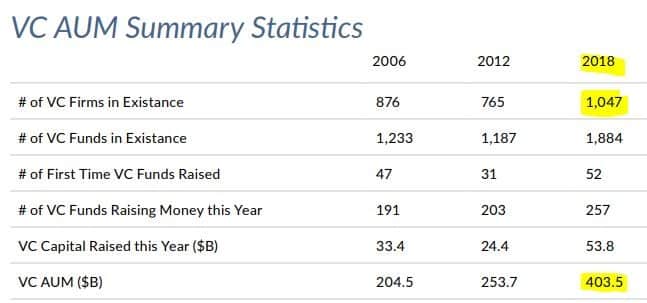
Are Venture Capital Firms Typically Publicly Traded?
Venture capital (VC) firms are typically privately held entities, meaning they are not publicly traded on stock exchanges. This is because VC firms often operate with a high degree of confidentiality and flexibility, which aligns better with private ownership. However, there are exceptions where certain VC firms or their parent companies are publicly traded.
See Also What is a Venture Capitalists End Goal?
- Private Ownership: Most VC firms are privately owned to maintain control over investment decisions and avoid regulatory scrutiny.
- Public Exceptions: Some VC firms or their parent companies, such as SoftBank Group, are publicly traded.
- Hybrid Models: Certain firms use hybrid structures, where a portion of their operations or funds are publicly listed.
Examples of Publicly Traded VC Firms
While rare, there are notable examples of VC firms or their parent companies that are publicly traded. These firms often combine traditional venture capital activities with other financial services.
- SoftBank Group: A Japanese multinational conglomerate with a significant VC arm, SoftBank Vision Fund, which is publicly traded on the Tokyo Stock Exchange.
- Blackstone Group: While primarily a private equity firm, Blackstone also engages in venture capital and is publicly traded on the NYSE.
- KKR & Co.: Another private equity firm with VC activities, KKR is publicly traded on the NYSE.
Why Are Most VC Firms Not Publicly Traded?
The nature of venture capital involves high-risk investments and long-term horizons, which are not typically suited for public markets. Publicly traded companies face pressure to deliver short-term results, which can conflict with the VC model.
See AlsoWhat is the Absolute Best Book on Venture Capital?- Long-Term Focus: VC investments often take years to mature, making them incompatible with quarterly earnings expectations.
- Confidentiality: Private ownership allows VC firms to keep sensitive information about startups and investments confidential.
- Regulatory Burden: Publicly traded firms face stricter regulations, which can hinder the agility of VC operations.
Advantages of Publicly Traded VC Firms
Publicly traded VC firms or their parent companies can benefit from access to capital markets, increased transparency, and broader investor participation.
- Capital Access: Publicly traded firms can raise funds more easily through stock offerings.
- Transparency: Public markets require detailed disclosures, which can build trust with investors.
- Liquidity: Shareholders can buy and sell shares, providing liquidity that private firms lack.
Challenges for Publicly Traded VC Firms
Despite the advantages, publicly traded VC firms face unique challenges, including market volatility and alignment with shareholder expectations.
- Market Pressure: Publicly traded firms must balance long-term VC strategies with short-term market demands.
- Volatility: Stock prices can fluctuate significantly based on market sentiment, affecting the firm's valuation.
- Alignment Issues: Shareholders may prioritize dividends or stock buybacks over reinvestment in high-risk ventures.
Can private equity firms go public?

What Does It Mean for a Private Equity Firm to Go Public?
When a private equity firm goes public, it means the firm transitions from being privately held to offering its shares to the general public through an initial public offering (IPO). This allows the firm to raise capital from public investors and provides liquidity to its existing shareholders. The process involves regulatory compliance, financial disclosures, and meeting stock exchange requirements.
- Capital Raising: Going public enables the firm to access a larger pool of capital from public markets.
- Liquidity: Existing shareholders, such as partners and employees, can sell their shares on the stock market.
- Transparency: Public firms are required to disclose financial and operational details regularly.
Why Would a Private Equity Firm Choose to Go Public?
Private equity firms may decide to go public for several strategic reasons. One of the primary motivations is to raise substantial capital for expanding their investment portfolios or paying down debt. Additionally, going public can enhance the firm's brand reputation and provide a currency (publicly traded shares) for acquisitions or partnerships.
- Funding Growth: Public markets offer access to significant funds for scaling operations.
- Credibility: Being publicly traded can increase trust and visibility in the market.
- Employee Incentives: Publicly traded shares can be used to attract and retain talent through stock-based compensation.
Challenges Faced by Private Equity Firms Going Public
While going public offers numerous benefits, it also comes with challenges. Private equity firms must navigate regulatory scrutiny, increased transparency requirements, and potential conflicts of interest between public shareholders and private investors. Additionally, the firm's performance becomes subject to market volatility and public opinion.
- Regulatory Compliance: Public firms must adhere to strict reporting and governance standards.
- Market Pressure: Quarterly earnings reports can lead to short-term performance focus.
- Conflicts of Interest: Balancing the interests of public shareholders and private investors can be complex.
Examples of Private Equity Firms That Have Gone Public
Several prominent private equity firms have successfully gone public, setting a precedent for others. For instance, Blackstone and KKR are notable examples of firms that transitioned to public ownership. These firms have demonstrated that going public can be a viable strategy for growth and diversification.
- Blackstone: Went public in 2007, raising $4.1 billion in its IPO.
- KKR: Listed on the New York Stock Exchange in 2010 after acquiring a public shell company.
- Apollo Global Management: Completed its IPO in 2011, leveraging public markets for expansion.
How Does Going Public Impact Private Equity Operations?
Going public can significantly alter the operations of a private equity firm. The firm must adopt a more structured governance model, focus on quarterly earnings, and manage public investor expectations. Additionally, the firm's investment strategies may shift to align with the interests of public shareholders.
- Governance Changes: Public firms require independent boards and audit committees.
- Performance Metrics: Emphasis on short-term financial results to satisfy public investors.
- Investment Strategy: Potential adjustments to align with public market expectations.
What is the dark side of venture capital?

High Pressure and Burnout
Venture capital often creates an environment of high pressure and intense competition, which can lead to burnout among founders and employees. The constant need to meet aggressive growth targets and deliver returns to investors can take a toll on mental and physical health.
- Unrealistic expectations from investors can lead to overworking and stress.
- Founders may prioritize short-term gains over long-term sustainability.
- The fear of failure can create a toxic work culture, leading to employee turnover.
Loss of Control and Autonomy
When startups accept venture capital, they often have to give up a significant portion of their equity and, in some cases, control over key decisions. This can lead to conflicts between founders and investors, especially when their visions for the company diverge.
- Investors may push for strategic changes that align with their interests rather than the founders' original vision.
- Founders may lose the ability to make independent decisions without investor approval.
- The pressure to exit (e.g., through an IPO or acquisition) can overshadow the company's long-term goals.
Inequitable Distribution of Wealth
Venture capital can exacerbate wealth inequality, as the benefits of successful investments often accrue to a small group of already wealthy individuals. This can leave early employees and founders with smaller stakes feeling undervalued.
- Early employees may receive minimal equity compared to investors and founders.
- Successful exits often benefit top-tier investors disproportionately.
- The focus on high-growth startups can marginalize smaller businesses that don't fit the VC model.
Short-Term Focus Over Long-Term Innovation
Venture capital often prioritizes quick returns over sustainable, long-term innovation. This can lead to startups focusing on scaling rapidly rather than building a solid foundation for future growth.
- Startups may prioritize user acquisition over product quality or customer satisfaction.
- The pressure to show exponential growth can lead to unsustainable business practices.
- Long-term R&D projects may be deprioritized in favor of immediate revenue streams.
Risk of Overvaluation and Bubble Formation
The venture capital model can contribute to the overvaluation of startups, creating bubbles that may eventually burst. This can have ripple effects across the economy, especially in tech-heavy sectors.
- Startups may be valued based on potential rather than actual performance, leading to inflated valuations.
- Investors may pour money into trendy sectors without fully understanding the risks.
- When bubbles burst, it can lead to massive losses for investors and job losses for employees.
Do firms go public to raise capital?

Why Do Firms Go Public to Raise Capital?
Firms often go public to raise capital for various reasons. By issuing shares to the public, they can access a larger pool of funds compared to private financing options. This capital can be used for:
- Expansion: Funding new projects, entering new markets, or scaling operations.
- Debt repayment: Reducing financial liabilities to improve the company's balance sheet.
- Research and development: Investing in innovation and product development.
What Are the Advantages of Going Public for Capital Raising?
Going public offers several advantages for firms seeking to raise capital:
- Access to a broader investor base: Public markets attract institutional and retail investors.
- Enhanced credibility: Being publicly traded can improve a company's reputation and trustworthiness.
- Liquidity for shareholders: Existing shareholders can sell their shares in the open market.
What Are the Risks of Going Public to Raise Capital?
While going public can provide significant capital, it also comes with risks:
- Regulatory compliance: Public companies must adhere to strict reporting and governance standards.
- Market volatility: Share prices can fluctuate, affecting the company's valuation.
- Loss of control: Issuing shares dilutes ownership, potentially reducing founders' control.
How Does the IPO Process Help Firms Raise Capital?
The Initial Public Offering (IPO) process is a critical step for firms to raise capital:
- Underwriting: Investment banks help determine the share price and manage the offering.
- Marketing: Roadshows and investor presentations generate interest in the shares.
- Listing: Shares are listed on a stock exchange, making them available to the public.
What Are the Alternatives to Going Public for Raising Capital?
Firms that do not wish to go public can explore other capital-raising options:
- Private equity: Raising funds from private investors or firms.
- Venture capital: Securing investments from venture capitalists in exchange for equity.
- Debt financing: Borrowing funds through loans or issuing bonds.
Frequently Asked Questions by our Community
Can Venture Capital Firms Go Public?
Venture capital (VC) firms can indeed go public, although it is relatively uncommon compared to other types of businesses. When a VC firm decides to go public, it typically means that the firm itself is offering shares to the public through an initial public offering (IPO). This allows the firm to raise capital from public investors, which can be used to expand its operations, invest in more startups, or strengthen its financial position. However, going public also comes with increased regulatory scrutiny and the need to disclose financial information, which can be a significant shift for firms accustomed to operating privately.
What Are the Benefits of a VC Firm Going Public?
One of the primary benefits of a VC firm going public is access to a larger pool of capital. By issuing shares to the public, the firm can raise significant funds without relying solely on private investors or limited partners. This additional capital can be used to invest in more startups or diversify the firm's portfolio. Additionally, going public can enhance the firm's brand visibility and credibility, making it more attractive to both entrepreneurs seeking funding and institutional investors. It also provides liquidity for the firm's existing shareholders, allowing them to monetize their stakes.
What Are the Challenges VC Firms Face When Going Public?
While there are benefits, VC firms also face several challenges when going public. One major challenge is the regulatory burden that comes with being a publicly traded company. VC firms must comply with strict reporting requirements, which can be time-consuming and costly. Additionally, the firm's investment strategies and performance will be under constant scrutiny from public investors, which may limit its flexibility. Another challenge is the potential conflict between the firm's long-term investment goals and the short-term expectations of public shareholders, who may prioritize quarterly earnings over long-term growth.
Are There Examples of VC Firms That Have Gone Public?
Yes, there are notable examples of VC firms that have gone public. One prominent example is Blackstone Group, which, although primarily a private equity firm, has significant venture capital activities and went public in 2007. Another example is KKR & Co., which also transitioned to a publicly traded entity. These firms have demonstrated that it is possible for investment firms to successfully navigate the transition from private to public, though it requires careful planning and a strong understanding of the regulatory and market dynamics involved.
Leave a Reply
Our Recommended Articles