
How Does a Product Manager Get Into Venture Capital?

Transitioning from product management to venture capital (VC) is an increasingly popular career move for professionals seeking to leverage their expertise in building and scaling products to identify and support promising startups. Product managers bring a unique skill set to the VC world, including a deep understanding of market needs, user experience, and product-market fit. However, breaking into venture capital requires more than just technical knowledge—it demands networking, strategic thinking, and a clear understanding of the investment landscape. This article explores the steps, skills, and mindset needed for product managers to successfully pivot into venture capital and thrive in this dynamic industry.
How Does a Product Manager Get Into Venture Capital?
Understanding the Role of a Product Manager in Venture Capital
A Product Manager (PM) plays a crucial role in bridging the gap between technology, business, and user needs. In Venture Capital (VC), this skill set is highly valued because PMs understand how to build scalable products and identify market opportunities. Transitioning into VC requires leveraging this expertise to evaluate startups, assess product-market fit, and guide portfolio companies. PMs often bring a unique perspective to VC firms, as they can critically analyze a startup's product strategy and execution.
See Also How Much Does a Venture Capital Associate Earn Per Year?
Building a Strong Network in the VC Ecosystem
Networking is essential for anyone looking to break into Venture Capital. As a Product Manager, you likely already interact with founders, engineers, and investors. To transition into VC, focus on building relationships with VC professionals, attending industry events, and engaging with startup communities. Platforms like LinkedIn and AngelList can help you connect with key players. Additionally, consider joining startup accelerators or angel investor groups to gain firsthand experience in the investment process.
Developing Financial and Analytical Skills
While Product Managers excel in product development, transitioning to VC requires a solid understanding of financial modeling, valuation techniques, and market analysis. Consider taking courses in finance or business analytics to strengthen these skills. Familiarize yourself with tools like Excel, PitchBook, and Crunchbase to analyze startups and track industry trends. Demonstrating proficiency in these areas will make you a more attractive candidate for VC roles.
See Also How Do Junior Lawyers Make the Transition to Venture Capital?
Gaining Experience Through Side Projects or Angel Investing
One effective way to transition into Venture Capital is by gaining hands-on experience through side projects or angel investing. Start by investing small amounts in early-stage startups or participating in syndicate deals. This will help you understand the investment process, evaluate risks, and build a track record. Additionally, working on side projects, such as advising startups or mentoring founders, can showcase your ability to contribute value to a VC firm.
Positioning Yourself as a Thought Leader in the Industry
To stand out in the competitive VC landscape, establish yourself as a thought leader in the product management and startup ecosystem. Write articles, host webinars, or speak at conferences about product strategy, innovation, and emerging technologies. Sharing your insights on platforms like Medium or Substack can attract the attention of VC firms. Thought leadership not only builds your personal brand but also demonstrates your ability to identify trends and opportunities in the market.
See Also Do Any Venture Capital Companies Offer Summer Internships for Undergraduates
| Key Skill | Description |
|---|---|
| Product Strategy | Ability to evaluate a startup's product roadmap and market fit. |
| Networking | Building relationships with VC professionals and startup founders. |
| Financial Analysis | Understanding valuation techniques and financial modeling. |
| Angel Investing | Gaining hands-on experience by investing in early-stage startups. |
| Thought Leadership | Establishing credibility through content creation and public speaking. |
What is PM in venture capital?

What Does PM Stand for in Venture Capital?
In venture capital, PM stands for Portfolio Management. It refers to the process of overseeing and managing the investments made by a venture capital firm in various startups or companies. The goal is to maximize returns and ensure the success of the portfolio companies.
See Also How Do Associates at Venture Capital Firms Source Deals?
- Portfolio Management involves tracking the performance of investments.
- It includes providing strategic guidance to portfolio companies.
- PM ensures alignment between the venture capital firm and the startups.
Key Responsibilities of a PM in Venture Capital
A Portfolio Manager in venture capital has several critical responsibilities to ensure the success of the investments. These include monitoring financial performance, offering strategic advice, and facilitating connections.
- Monitoring financial metrics such as revenue growth and burn rate.
- Providing strategic guidance to help startups scale effectively.
- Facilitating networking opportunities with industry experts and potential partners.
Why is PM Important in Venture Capital?
Portfolio Management is crucial in venture capital because it ensures that investments yield the highest possible returns. It also helps mitigate risks by actively managing and supporting portfolio companies.
See Also What is a Good Path to Transition From a Life Science Phd to the Venture Capital Industry
- It helps identify and address potential risks early.
- PM ensures that portfolio companies meet their milestones and objectives.
- It enhances the overall value creation for the venture capital firm.
Tools and Techniques Used in PM for Venture Capital
Portfolio Managers use various tools and techniques to effectively manage investments. These include data analytics platforms, financial modeling, and regular performance reviews.
- Data analytics platforms to track key performance indicators (KPIs).
- Financial modeling to forecast future performance and valuation.
- Conducting regular performance reviews with portfolio companies.
Challenges Faced by PM in Venture Capital
Portfolio Management in venture capital comes with its own set of challenges, such as managing diverse portfolios, dealing with high-risk investments, and ensuring alignment between stakeholders.
- Managing a diverse portfolio with varying stages of growth.
- Navigating the high-risk nature of startup investments.
- Ensuring alignment between the venture capital firm and portfolio companies.
Is VC a high paying job?

What is the Average Salary of a Venture Capitalist?
The average salary of a venture capitalist can vary significantly depending on factors such as experience, location, and the size of the firm. However, it is generally considered a high-paying job. Here are some key points:
- Entry-level positions in venture capital, such as analysts or associates, typically earn between $80,000 and $150,000 annually.
- Mid-level professionals, like principals or vice presidents, can expect salaries ranging from $150,000 to $300,000.
- Senior partners or managing directors often earn $300,000 to $1 million or more, with additional bonuses and carried interest.
How Does Venture Capital Compensation Compare to Other Finance Jobs?
Venture capital compensation is often competitive with other high-paying roles in finance, such as investment banking or private equity. Here’s how it stacks up:
- Investment bankers may earn higher base salaries initially, but venture capitalists often have the potential for significant long-term gains through carried interest.
- Private equity professionals also earn high salaries, but venture capital offers more opportunities to work with early-stage startups and innovative companies.
- Hedge fund managers might earn more in some cases, but venture capital provides a unique mix of financial rewards and the chance to shape the future of technology and business.
What Factors Influence a Venture Capitalist's Earnings?
Several factors can influence how much a venture capitalist earns. These include:
- Firm size and reputation: Larger, more established firms tend to offer higher salaries and bonuses.
- Deal flow and success: A venture capitalist’s ability to identify and invest in successful startups can significantly impact their earnings through carried interest.
- Geographic location: Salaries in major tech hubs like Silicon Valley or New York City are often higher due to the concentration of startups and capital.
What Role Does Carried Interest Play in VC Compensation?
Carried interest is a critical component of venture capital compensation, often making up a substantial portion of a venture capitalist’s earnings. Here’s how it works:
- Carried interest is a share of the profits from successful investments, typically around 20% of the fund’s returns.
- It is usually distributed after the fund’s investors receive their initial capital back, plus a preferred return.
- This structure aligns the interests of the venture capitalist with those of the fund’s investors, incentivizing strong performance.
Is Venture Capital a Lucrative Career in the Long Term?
Venture capital can be a highly lucrative career, especially for those who excel in identifying and nurturing successful startups. Consider the following:
- Long-term wealth creation: Successful investments can yield substantial returns over time, particularly through carried interest.
- Networking opportunities: Building relationships with entrepreneurs and other investors can open doors to future opportunities.
- Personal satisfaction: Beyond financial rewards, many venture capitalists find fulfillment in helping startups grow and innovate.
Is it hard to get a job at a venture capital firm?
What Qualifications Are Needed to Work in Venture Capital?
Securing a job at a venture capital (VC) firm typically requires a combination of education, experience, and networking. Most professionals in this field have:
- A strong academic background, often with degrees in finance, business, or related fields.
- Prior experience in investment banking, private equity, or startups.
- Exceptional analytical and financial modeling skills.
How Competitive Is the Venture Capital Job Market?
The venture capital job market is highly competitive due to the limited number of positions and the high demand for them. Key factors contributing to this competitiveness include:
- The prestige and high earning potential associated with VC roles.
- The small size of most VC firms, which limits hiring opportunities.
- The need for candidates to demonstrate unique value through specialized skills or industry expertise.
What Skills Are Essential for a Venture Capital Job?
To succeed in venture capital, candidates must possess a mix of technical and soft skills. These include:
- Financial analysis and valuation techniques.
- Strong communication and negotiation abilities.
- A deep understanding of market trends and emerging technologies.
How Important Is Networking in Venture Capital?
Networking plays a critical role in landing a job at a venture capital firm. Many positions are filled through referrals and personal connections. To build a strong network:
- Attend industry events and conferences.
- Leverage LinkedIn and other professional platforms.
- Seek mentorship from experienced professionals in the field.
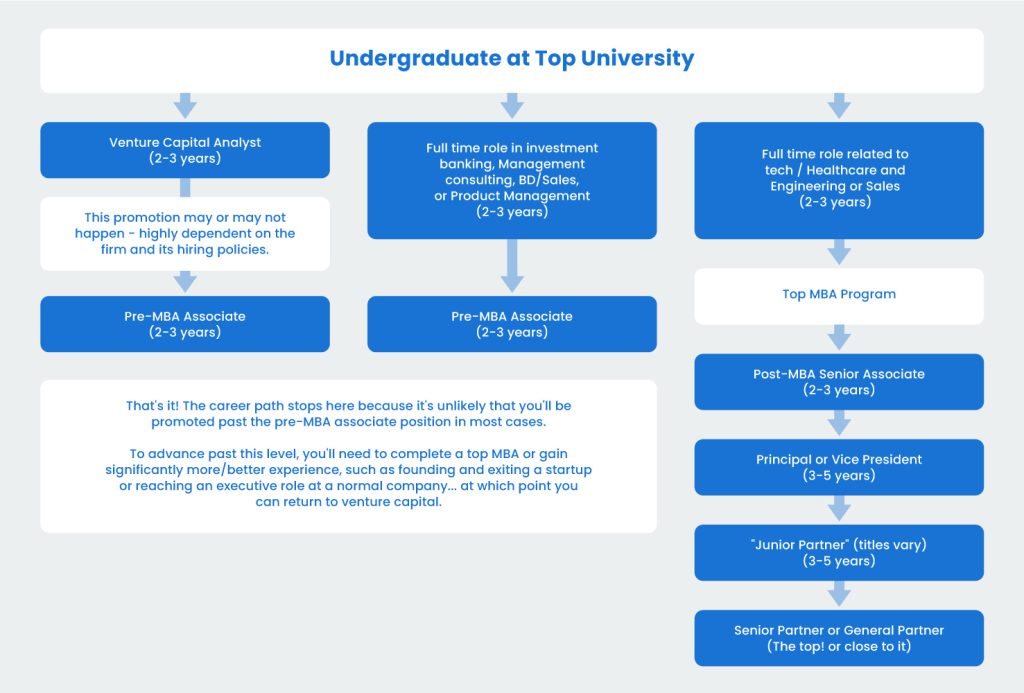
What Are the Common Career Paths to Venture Capital?
There are several common paths to entering the venture capital industry. These include:
- Starting in investment banking or consulting to gain financial expertise.
- Working at a startup to understand the entrepreneurial ecosystem.
- Pursuing an MBA to enhance business acumen and expand professional networks.
What degree should I get to be a venture capitalist?

What Degree is Best for Aspiring Venture Capitalists?
To become a venture capitalist, there is no specific degree requirement, but certain fields of study can provide a strong foundation. A degree in business, finance, or economics is highly recommended. These programs teach critical skills such as financial analysis, market research, and strategic decision-making, which are essential in venture capital. Additionally, pursuing an MBA can significantly enhance your understanding of business operations and investment strategies.
- Business Administration: Provides a broad understanding of management, marketing, and finance.
- Finance: Focuses on investment strategies, portfolio management, and risk assessment.
- Economics: Offers insights into market trends, economic policies, and global financial systems.
Is an MBA Necessary for Venture Capital?
While not mandatory, an MBA is highly beneficial for aspiring venture capitalists. It equips you with advanced knowledge in business strategy, leadership, and networking. Many top venture capitalists hold MBAs from prestigious institutions, as these programs often provide access to valuable industry connections and internships.
- Networking Opportunities: MBA programs often connect students with industry leaders and alumni.
- Advanced Business Skills: Learn about mergers, acquisitions, and corporate finance.
- Leadership Training: Develop skills to manage teams and make strategic decisions.
Can a STEM Degree Help in Venture Capital?
A STEM degree (Science, Technology, Engineering, Mathematics) can be advantageous, especially if you aim to invest in tech startups. Understanding the technical aspects of innovative products or services can give you an edge in evaluating potential investments. Fields like computer science or engineering are particularly relevant.
- Technical Expertise: Helps in assessing the feasibility of tech-driven startups.
- Innovation Insight: Provides a deeper understanding of emerging technologies.
- Problem-Solving Skills: STEM graduates are trained to approach challenges analytically.
What Role Does a Finance Degree Play in Venture Capital?
A finance degree is one of the most relevant qualifications for venture capital. It focuses on investment analysis, valuation techniques, and financial modeling, all of which are crucial for evaluating startups and managing investment portfolios.
- Investment Analysis: Learn to assess the potential of early-stage companies.
- Valuation Techniques: Understand how to determine the worth of a startup.
- Risk Management: Develop strategies to mitigate financial risks.
How Important is Networking in Venture Capital?
Networking is a critical component of success in venture capital. Building relationships with entrepreneurs, investors, and industry experts can open doors to lucrative opportunities. Degrees that emphasize networking, such as an MBA, can be particularly useful.
- Access to Deals: Strong networks can provide early access to promising startups.
- Industry Insights: Learn from experienced professionals about market trends.
- Collaboration Opportunities: Partner with other investors or firms for larger deals.
Frequently Asked Questions by our Community
What skills do product managers need to transition into venture capital?
Product managers looking to transition into venture capital need to develop a strong foundation in analytical thinking, market research, and financial modeling. These skills are essential for evaluating startups and understanding their potential for success. Additionally, product managers should hone their ability to assess product-market fit and scalability, as these are critical factors in venture capital decision-making. Networking and building relationships within the startup ecosystem can also provide valuable insights and opportunities.
How can a product manager build a network in the venture capital industry?
Building a network in the venture capital industry requires proactive engagement with the startup and investment community. Product managers can attend industry events, such as conferences and pitch nights, to meet venture capitalists and entrepreneurs. Joining online communities and forums focused on venture capital can also help in connecting with industry professionals. Additionally, leveraging existing connections from their product management roles, such as colleagues or mentors, can open doors to introductions and recommendations within the venture capital space.
What roles in venture capital are suitable for product managers?
Product managers can find roles in venture capital that align with their expertise, such as venture partners, associates, or operating partners. These roles often involve evaluating startups, providing strategic guidance, and helping portfolio companies scale their products. Some venture capital firms also value product managers for their ability to conduct due diligence on potential investments, particularly in assessing the technical and market viability of new products. Transitioning into these roles may require additional training or certifications in finance and investment analysis.
What steps should a product manager take to prepare for a career in venture capital?
To prepare for a career in venture capital, product managers should focus on gaining industry-specific knowledge and practical experience. This can include taking courses in venture capital, private equity, or finance to build a solid understanding of investment principles. Gaining experience through internships or part-time roles at venture capital firms can provide hands-on exposure to the industry. Additionally, product managers should work on developing a strong personal brand by sharing insights and thought leadership on platforms like LinkedIn or through blogging, which can help establish credibility and attract opportunities in venture capital.
Leave a Reply
Our Recommended Articles