
How Much Does a Venture Capital Associate Earn Per Year?


Venture capital associates play a crucial role in the investment ecosystem, supporting firms in identifying, evaluating, and managing high-potential startups. As the demand for skilled professionals in this field grows, understanding the earning potential of a venture capital associate has become increasingly important. Salaries in this role can vary significantly based on factors such as experience, geographic location, firm size, and performance. This article explores the annual earnings of venture capital associates, breaking down base salaries, bonuses, and other compensation components. Whether you're considering a career in venture capital or simply curious about the financial rewards, this guide provides valuable insights into what you can expect.
-
How Much Does a Venture Capital Associate Earn Per Year?
- What Factors Influence a Venture Capital Associate's Salary?
- What Is the Base Salary for a Venture Capital Associate?
- How Do Bonuses Affect a Venture Capital Associate's Earnings?
- What Are the Career Growth Opportunities for a Venture Capital Associate?
- How Does Location Impact a Venture Capital Associate's Salary?
- Is VC a high paying job?
-
How much does a venture capitalist associate make?
- What is the Average Salary of a Venture Capitalist Associate?
- How Does Experience Impact a Venture Capitalist Associate's Salary?
- What Are the Additional Benefits for Venture Capitalist Associates?
- How Does Location Affect a Venture Capitalist Associate's Earnings?
- What is the Career Progression for a Venture Capitalist Associate?
- How much does a VC make per year?
- How many hours do VC associates work?
- Frequently Asked Questions by our Community
How Much Does a Venture Capital Associate Earn Per Year?
Venture capital (VC) associates play a crucial role in the investment process, assisting with deal sourcing, due diligence, and portfolio management. Their compensation varies based on factors like experience, location, and the size of the firm. On average, a Venture Capital Associate can expect to earn between $80,000 and $150,000 per year, with additional bonuses and carried interest potentially increasing total compensation.
See Also What is the Standard Carry Bonus Given to an Associate or Principal at a Vc Firm
What Factors Influence a Venture Capital Associate's Salary?
Several factors impact a VC associate's earnings. Experience is a key determinant, with entry-level associates earning less than those with several years in the industry. Location also plays a role, as associates in major financial hubs like San Francisco or New York tend to earn more. Additionally, the size and reputation of the VC firm can significantly influence compensation, with top-tier firms offering higher salaries and bonuses.
What Is the Base Salary for a Venture Capital Associate?
The base salary for a VC associate typically ranges from $80,000 to $120,000 per year. This figure can vary depending on the firm's focus (early-stage vs. late-stage investments) and the associate's prior experience in finance, consulting, or entrepreneurship.
See Also How is Carry or Carried Interest Split Between Employees and General Partners in a Vc Firm
How Do Bonuses Affect a Venture Capital Associate's Earnings?
Bonuses are a significant component of a VC associate's total compensation. These can range from 10% to 50% of the base salary, depending on the firm's performance and the associate's contributions. In some cases, associates may also receive carried interest, a share of the profits from successful investments.
What Are the Career Growth Opportunities for a Venture Capital Associate?
Career progression for a VC associate often involves moving up to roles like Senior Associate, Principal, or Partner. Each step up the ladder comes with increased responsibilities and higher compensation. For example, a Partner at a top-tier VC firm can earn $500,000 or more annually, including bonuses and carried interest.
See AlsoHow Much Irr Does a Vc Fund Typically Target?How Does Location Impact a Venture Capital Associate's Salary?
Location is a critical factor in determining a VC associate's salary. Associates working in Silicon Valley or New York City often earn higher salaries due to the high cost of living and the concentration of top-tier VC firms. For example, a VC associate in San Francisco might earn 20-30% more than someone in a smaller city.
| Factor | Impact on Salary |
|---|---|
| Experience | Higher experience = Higher salary |
| Location | Major hubs = Higher salary |
| Firm Size | Larger firms = Higher salary |
| Bonuses | Performance-based = Additional earnings |
| Carried Interest | Profit-sharing = Significant earnings potential |
Is VC a high paying job?

 Who Came Up With the Startup Investing J Curve?
What is the Average Salary of a Venture Capitalist?
The average salary of a venture capitalist can vary significantly depending on factors such as experience, location, and the size of the firm. However, venture capitalists are generally considered to be among the highest-paid professionals in the finance industry. Here are some key points:
- Entry-level positions in venture capital, such as analysts or associates, typically earn between $80,000 and $150,000 annually.
- Mid-level professionals, like principals or vice presidents, can expect salaries ranging from $150,000 to $300,000.
- Senior partners or managing directors often earn $300,000 to $1,000,000 or more, with additional bonuses and carried interest.
How Does Compensation in VC Compare to Other Finance Roles?
Compensation in venture capital is often competitive with other high-paying finance roles, but it has unique components. Here’s a breakdown:
- Base salaries in VC are generally lower than in investment banking or private equity, but the potential for carried interest (a share of the profits) can significantly increase earnings.
- Unlike hedge funds or private equity, VC compensation is more tied to the long-term success of portfolio companies.
- Top-performing venture capitalists can earn millions annually, especially if they are part of a successful fund.
What Factors Influence VC Salaries?
Several factors determine how much a venture capitalist earns. These include:
- Experience and track record: Seasoned VCs with a history of successful investments command higher salaries.
- Firm size and reputation: Larger, well-established firms like Sequoia or Andreessen Horowitz tend to pay more.
- Geographic location: Salaries in tech hubs like Silicon Valley are typically higher than in other regions.
What Are the Additional Benefits of Working in VC?
Beyond base salaries, venture capitalists often enjoy additional perks and benefits:
- Carried interest: A share of the profits from successful investments, which can be highly lucrative.
- Networking opportunities: Access to influential entrepreneurs, investors, and industry leaders.
- Equity stakes: Some VCs receive equity in the startups they invest in, which can yield significant returns.
Is VC a High-Paying Job Compared to Entrepreneurship?
While venture capital is a high-paying job, it often pales in comparison to the potential earnings of successful entrepreneurs. Here’s why:
- Entrepreneurs who build and exit successful startups can earn hundreds of millions or even billions, far exceeding VC salaries.
- However, entrepreneurship carries higher risk, as many startups fail, whereas VCs have a more stable income.
- Some venture capitalists transition to entrepreneurship to pursue higher earnings and greater control over their financial destiny.
How much does a venture capitalist associate make?
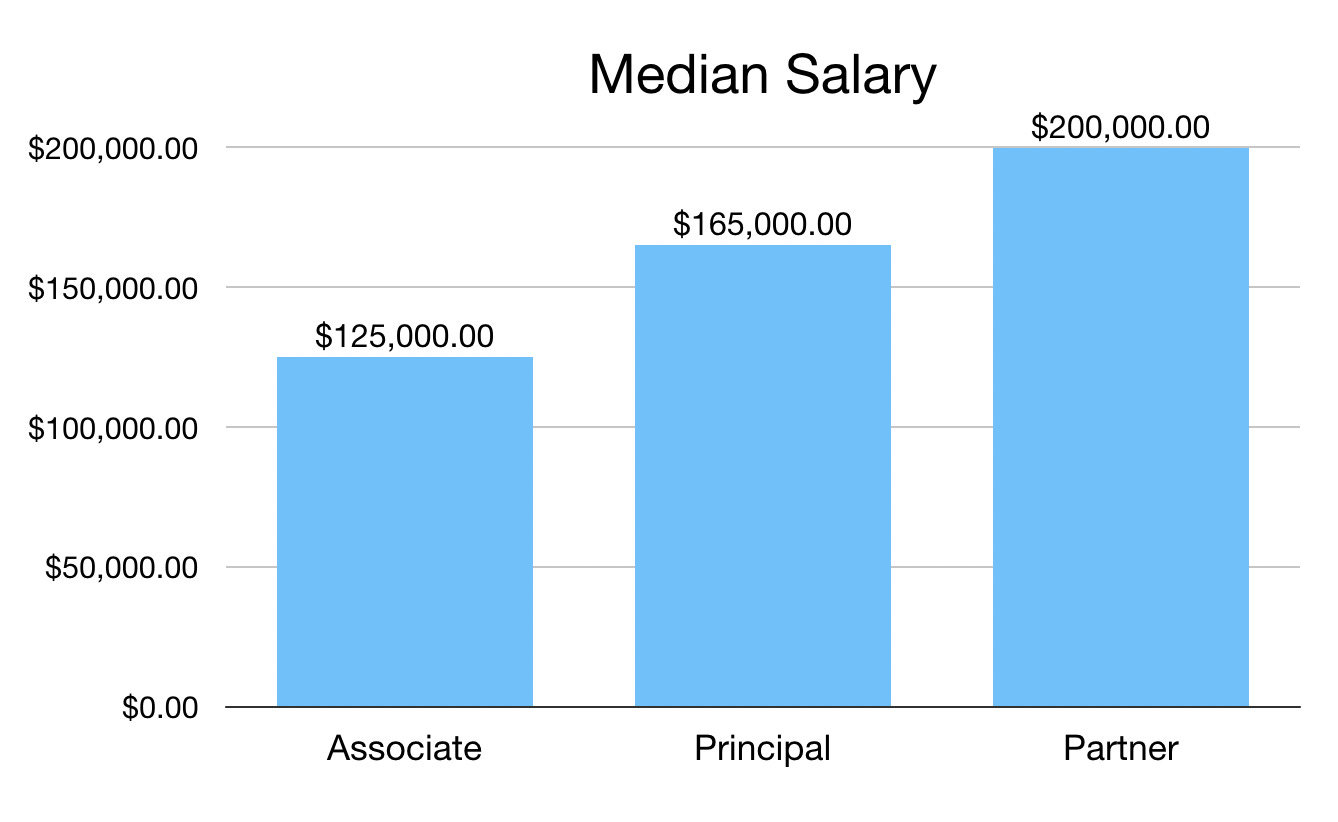
What is the Average Salary of a Venture Capitalist Associate?
The average salary of a venture capitalist associate typically ranges between $80,000 and $150,000 per year, depending on factors such as location, firm size, and experience. In major financial hubs like Silicon Valley or New York City, salaries tend to be on the higher end of the spectrum. Additionally, associates often receive bonuses and profit-sharing incentives, which can significantly increase their total compensation.
- Base Salary: Typically ranges from $80,000 to $120,000 annually.
- Bonuses: Can add an additional $20,000 to $50,000, depending on performance.
- Profit Sharing: Some firms offer a share of the profits from successful investments.
How Does Experience Impact a Venture Capitalist Associate's Salary?
Experience plays a significant role in determining a venture capitalist associate's salary. Entry-level associates with less than two years of experience may earn closer to the lower end of the salary range, while those with more than five years of experience can command higher salaries. Additionally, associates with a proven track record of successful investments or those who bring specialized expertise to the firm may negotiate higher compensation packages.
- Entry-Level: $80,000 to $100,000 annually.
- Mid-Level: $100,000 to $130,000 annually.
- Senior-Level: $130,000 to $150,000 or more annually.
What Are the Additional Benefits for Venture Capitalist Associates?
Beyond the base salary, venture capitalist associates often receive a range of additional benefits. These can include performance-based bonuses, carried interest (a share of the profits from investments), and other perks such as health insurance, retirement plans, and stock options. These benefits can significantly enhance the overall compensation package.
- Performance Bonuses: Often tied to the success of investments.
- Carried Interest: A share of the profits from successful deals.
- Health and Retirement Benefits: Comprehensive packages are common.
How Does Location Affect a Venture Capitalist Associate's Earnings?
The location of the venture capital firm can have a substantial impact on an associate's earnings. Associates working in major financial centers such as San Francisco, New York, or Boston typically earn higher salaries due to the higher cost of living and the concentration of high-profile firms in these areas. In contrast, associates in smaller markets may earn less but could benefit from a lower cost of living.
- Major Financial Hubs: Salaries can exceed $150,000 annually.
- Smaller Markets: Salaries may range from $70,000 to $100,000 annually.
- Cost of Living: Higher salaries in expensive cities offset living costs.
What is the Career Progression for a Venture Capitalist Associate?
The career progression for a venture capitalist associate typically involves advancing to roles such as senior associate, principal, and eventually partner. With each promotion, there is a corresponding increase in salary and responsibilities. Associates who demonstrate strong analytical skills, a deep understanding of the market, and the ability to identify promising startups are more likely to advance quickly.
- Senior Associate: Salary increases to $130,000 to $180,000 annually.
- Principal: Salary can range from $200,000 to $300,000 annually.
- Partner: Earnings can exceed $500,000, including profit shares.
How much does a VC make per year?
What is the Average Salary of a Venture Capitalist?
The average salary of a venture capitalist (VC) varies widely depending on factors such as experience, location, and the size of the firm. On average, a junior VC can expect to earn between $80,000 and $150,000 annually, while more experienced partners or senior VCs can earn significantly more, often ranging from $200,000 to $500,000 or higher.
- Junior Associates typically earn between $80,000 and $120,000 per year.
- Mid-level VCs or Principals can earn between $150,000 and $300,000 annually.
- Senior Partners often earn $500,000 or more, depending on the success of their investments.
How Do Bonuses and Carry Impact a VC's Earnings?
In addition to base salaries, VCs often receive bonuses and a share of the carried interest (carry), which can significantly boost their annual earnings. Bonuses are typically tied to the performance of the fund, while carry represents a percentage of the profits from successful investments.
- Bonuses can range from 10% to 50% of the base salary, depending on performance.
- Carry is usually between 20% and 30% of the fund's profits, distributed among partners.
- Top-performing VCs can earn millions annually through carry alone.
What Factors Influence a VC's Annual Income?
A VC's income is influenced by several factors, including the size of the fund, the stage of investments (early-stage vs. late-stage), and the geographic location of the firm. VCs in larger funds or in high-cost cities like San Francisco or New York tend to earn more.
- Fund Size: Larger funds typically offer higher salaries and carry.
- Investment Stage: Early-stage VCs may earn less initially but can see higher returns if startups succeed.
- Location: VCs in major tech hubs often earn more due to higher living costs and deal flow.
How Does Experience Affect a VC's Earnings?
Experience plays a critical role in determining a VC's earnings. Junior VCs start with lower salaries, but as they gain experience and build a track record of successful investments, their earnings increase significantly.
- Entry-Level: Junior VCs earn between $80,000 and $120,000 annually.
- Mid-Career: Principals or mid-level VCs can earn $150,000 to $300,000.
- Senior-Level: Partners with a proven track record often earn $500,000 or more.
What Are the Long-Term Earnings Potential for VCs?
The long-term earnings potential for VCs is substantial, especially for those who achieve successful exits or manage large funds. Over time, VCs can accumulate significant wealth through carry and bonuses, particularly if they invest in high-growth startups.
- Carry Accumulation: Over multiple funds, carry can lead to millions in earnings.
- Successful Exits: Investments in unicorn startups can yield massive returns.
- Reputation: Established VCs can command higher salaries and better terms.
How many hours do VC associates work?
Typical Working Hours for VC Associates
Venture Capital (VC) associates typically work long hours, often ranging from 60 to 80 hours per week. The workload can vary depending on the firm, deal flow, and stage of investment. Associates are expected to be highly responsive and available, especially during critical deal negotiations or due diligence processes.
- Core Hours: Most VC associates work from 9 AM to 8 PM on weekdays, with flexibility depending on the firm's culture.
- Weekend Work: It is common for associates to spend 10-15 hours on weekends reviewing deals, preparing presentations, or attending networking events.
- Deal-Specific Intensity: During active deal cycles, hours can extend to 90+ hours per week due to tight deadlines and high stakes.
Factors Influencing VC Associates' Work Hours
The number of hours a VC associate works is influenced by several factors, including the firm's size, investment focus, and the associate's role within the team. Smaller firms may require more hands-on involvement, while larger firms might have more structured processes.
- Firm Size: Associates at smaller VC firms often wear multiple hats, leading to longer hours compared to those at larger, more established firms.
- Deal Flow: A high volume of deals or a competitive market can significantly increase workload and hours.
- Geographic Focus: Firms with global portfolios may require associates to work across multiple time zones, extending their workday.
Work-Life Balance for VC Associates
Work-life balance is often challenging for VC associates due to the demanding nature of the job. However, some firms prioritize flexibility and employee well-being, offering perks like remote work options or mental health support.
- Flexibility: Some firms allow associates to work remotely or adjust their schedules to accommodate personal commitments.
- Burnout Risks: The high-pressure environment can lead to burnout, making it essential for associates to manage their time effectively.
- Support Systems: Progressive firms provide resources like mental health programs and mentorship to help associates cope with stress.
Differences Between Early-Stage and Late-Stage VC Firms
The stage of investment a VC firm focuses on can impact the working hours of associates. Early-stage firms often require more hands-on involvement, while late-stage firms may have more predictable workflows.
- Early-Stage Firms: Associates at early-stage VC firms often spend more time on due diligence, founder support, and portfolio management, leading to longer hours.
- Late-Stage Firms: At late-stage firms, associates may focus more on financial modeling and market analysis, which can be more structured but still demanding.
- Deal Complexity: Early-stage deals are often more unpredictable, requiring associates to be on-call and adaptable.
How VC Associates Manage Their Time
Effective time management is crucial for VC associates to handle their workload and maintain productivity. Many associates rely on prioritization, delegation, and technology to stay organized.
- Prioritization: Associates often focus on high-impact tasks like deal sourcing and due diligence, while delegating administrative work.
- Delegation: Leveraging support from analysts or interns can help associates manage their workload more efficiently.
- Technology: Tools like CRM software and project management platforms streamline workflows and improve efficiency.
Frequently Asked Questions by our Community
What is the average salary of a Venture Capital Associate?
The average salary of a Venture Capital Associate typically ranges between $80,000 and $150,000 per year, depending on factors such as location, firm size, and experience. In major financial hubs like New York or San Francisco, salaries tend to be on the higher end due to the competitive nature of the industry. Additionally, associates at top-tier firms or those with prior experience in investment banking or consulting may command higher compensation.
Do Venture Capital Associates receive bonuses?
Yes, Venture Capital Associates often receive bonuses in addition to their base salary. These bonuses can range from 10% to 50% of their annual salary, depending on the firm's performance and the associate's contribution. Bonuses are typically tied to the success of the investments made by the firm, as well as the associate's ability to source and manage deals. In some cases, associates may also receive carried interest, which is a share of the profits from successful investments.
How does experience impact a Venture Capital Associate's salary?
Experience plays a significant role in determining a Venture Capital Associate's salary. Entry-level associates with less than two years of experience may start at the lower end of the salary range, around $80,000 to $100,000. However, as they gain more experience and demonstrate their ability to source and manage deals, their compensation can increase significantly. Associates with 3-5 years of experience or those who have successfully led investments can earn upwards of $150,000 or more, especially if they are working at a top-tier firm.
What other benefits do Venture Capital Associates receive?
In addition to their base salary and bonuses, Venture Capital Associates often receive a range of benefits. These may include health insurance, retirement plans, and equity stakes in the firm or its portfolio companies. Some firms also offer professional development opportunities, such as funding for further education or attendance at industry conferences. Additionally, associates may have access to a network of industry professionals, which can be invaluable for career growth and future opportunities.
Leave a Reply
Our Recommended Articles