
What is the TechStars interview process like?How many rounds are there, and when are decisions released?


The TechStars interview process is a critical step for startups aiming to join one of the world’s most renowned accelerator programs. Known for its rigorous selection, the process is designed to identify innovative teams with high growth potential. Applicants typically go through multiple rounds, including initial screenings, in-depth interviews, and sometimes a final pitch to a selection committee. Each stage evaluates the team’s vision, product-market fit, and scalability. Decisions are usually released within a few weeks after the final interview, though timelines may vary by program. Understanding this process can help founders prepare effectively and increase their chances of success.
- What is the TechStars Interview Process Like? How Many Rounds Are There, and When Are Decisions Released?
- How many rounds are there in a tech interview?
-
How many interviews for Techstars?
- How Many Interviews Are Conducted During the Techstars Application Process?
- What Happens During the Techstars Interview Process?
- How to Prepare for a Techstars Interview?
- What Are the Key Factors Techstars Evaluates During Interviews?
- What Are the Common Mistakes to Avoid During Techstars Interviews?
- How many rounds are there in interview process?
- Does Techstars send rejection emails?
- Frequently Asked Questions (FAQs)
What is the TechStars Interview Process Like? How Many Rounds Are There, and When Are Decisions Released?
The TechStars interview process is a multi-stage, highly competitive selection procedure designed to identify the most promising startups for their accelerator programs. It typically involves several rounds, including initial applications, interviews, and final evaluations. Decisions are usually released within a few weeks after the final interview. Below, we break down the process in detail.
See Also How Do Venture Capitalists Make Money?
1. Initial Application Submission
The first step in the TechStars interview process is submitting an online application. This application requires detailed information about your startup, including your business model, team, market opportunity, and traction. Ensure your application is thorough and highlights your startup's unique value proposition.
2. First-Round Interview
If your application stands out, you'll be invited to a first-round interview. This is typically a 30-minute video call with a member of the TechStars team. They will ask questions about your startup's vision, product, and team dynamics. Be prepared to articulate your goals clearly and demonstrate your passion.
See Also What Are the Expectations of the Venture Capitalist While Investing in a Startup
3. Second-Round Interview
Successful candidates from the first round move on to the second-round interview. This stage often involves a deeper dive into your business model, market strategy, and scalability. You may also meet with multiple TechStars mentors or partners during this phase.
4. Final Evaluation and Due Diligence
The final stage includes a comprehensive evaluation of your startup. TechStars may request additional documents, such as financial projections or customer testimonials. They will also conduct due diligence to verify the information provided in your application and interviews.
See Also How much does the recommendations from others factor into the Techstars application?
5. Decision Release Timeline
Decisions are typically released 2-4 weeks after the final interview. If selected, you'll receive an offer to join the TechStars accelerator program. If not, you may receive feedback to help improve your startup for future opportunities.
| Stage | Description | Timeline |
|---|---|---|
| Initial Application | Submit detailed information about your startup. | Varies by program deadline. |
| First-Round Interview | 30-minute video call with TechStars team. | 1-2 weeks after application. |
| Second-Round Interview | Deeper dive into business model and strategy. | 1-2 weeks after first round. |
| Final Evaluation | Due diligence and comprehensive review. | 1-2 weeks after second round. |
| Decision Release | Notification of acceptance or rejection. | 2-4 weeks after final evaluation. |
How many rounds are there in a tech interview?

 Do Many Venture Capital Firms Sponsor H1 B Visas?
How Many Rounds Are Typically in a Tech Interview?
The number of rounds in a tech interview can vary depending on the company and the role. However, most tech interviews consist of 4 to 6 rounds. These rounds are designed to assess different aspects of a candidate's skills, including technical expertise, problem-solving abilities, and cultural fit.
- Initial Screening: A phone or video call to evaluate basic qualifications.
- Technical Assessment: Coding challenges or technical tests to gauge problem-solving skills.
- Onsite Interviews: In-depth discussions with team members or hiring managers.
- Behavioral Interview: Questions to assess soft skills and cultural fit.
- Final Review: A concluding round with senior leadership or HR.
What Is the Purpose of Each Round in a Tech Interview?
Each round in a tech interview serves a specific purpose to ensure the candidate is a good fit for the role and the company. The process is structured to evaluate both technical and interpersonal skills.
See Also Can a 16 Year Old Get Backed by a Venture Capitalist?
- Initial Screening: Filters out candidates who do not meet basic requirements.
- Technical Assessment: Tests coding, algorithms, and technical knowledge.
- Onsite Interviews: Evaluates collaboration and communication skills.
- Behavioral Interview: Assesses adaptability, teamwork, and company culture alignment.
- Final Review: Ensures the candidate aligns with the company's long-term goals.
How Long Does Each Round in a Tech Interview Take?
The duration of each round in a tech interview varies based on the complexity and the company's process. On average, each round can take anywhere from 30 minutes to 2 hours.
- Initial Screening: Typically lasts 30 minutes to 1 hour.
- Technical Assessment: Can take 1 to 2 hours, depending on the task.
- Onsite Interviews: Usually spans 1 to 2 hours per session.
- Behavioral Interview: Often lasts 45 minutes to 1 hour.
- Final Review: Generally takes 30 minutes to 1 hour.
What Are the Most Common Types of Rounds in a Tech Interview?
Tech interviews often include a mix of technical and non-technical rounds to evaluate a candidate's overall suitability for the role.
- Coding Rounds: Focus on algorithms, data structures, and problem-solving.
- System Design Rounds: Assess the ability to design scalable systems.
- Behavioral Rounds: Evaluate soft skills and cultural fit.
- Technical Deep Dive: In-depth discussion on specific technologies or projects.
- HR Rounds: Discuss salary expectations, benefits, and company policies.
How Can Candidates Prepare for Each Round in a Tech Interview?
Preparation is key to succeeding in a tech interview. Candidates should tailor their preparation based on the type of round they are facing.
- Initial Screening: Review your resume and be ready to discuss your background.
- Technical Assessment: Practice coding problems on platforms like LeetCode or HackerRank.
- Onsite Interviews: Research the company and prepare for team-based questions.
- Behavioral Interview: Use the STAR method to structure your answers.
- Final Review: Be prepared to discuss your long-term career goals and expectations.
How many interviews for Techstars?
How Many Interviews Are Conducted During the Techstars Application Process?
The number of interviews during the Techstars application process typically ranges from one to three, depending on the program and the stage of the application. The process is designed to thoroughly evaluate the startup's potential, team dynamics, and alignment with the accelerator's goals.
- Initial Screening Interview: This is usually a short call to assess basic eligibility and alignment with Techstars' criteria.
- In-Depth Interview: A more detailed discussion with the founders to evaluate the startup's business model, market potential, and team.
- Final Interview: Conducted with senior Techstars staff or mentors to make the final decision on acceptance.
What Happens During the Techstars Interview Process?
The Techstars interview process is structured to evaluate various aspects of the startup, including its team, product, market fit, and scalability. Each interview focuses on different criteria to ensure a comprehensive assessment.
- Team Evaluation: Assess the founders' skills, experience, and ability to execute their vision.
- Product Review: Examine the product's uniqueness, market demand, and potential for growth.
- Market Fit: Analyze the startup's understanding of its target market and competitive landscape.
How to Prepare for a Techstars Interview?
Preparing for a Techstars interview requires thorough research, clear communication, and a strong understanding of your startup's value proposition. Here are some key steps to ensure you are ready:
- Research the Program: Understand Techstars' mission, values, and success stories to align your pitch.
- Practice Your Pitch: Be ready to clearly articulate your business model, market opportunity, and team strengths.
- Prepare for Questions: Anticipate questions about your product, market, and growth strategy.
What Are the Key Factors Techstars Evaluates During Interviews?
During the Techstars interviews, the evaluators focus on several critical factors to determine the startup's potential for success. These factors include:
- Team Dynamics: The ability of the team to work together and execute the business plan.
- Market Opportunity: The size and growth potential of the target market.
- Innovation: The uniqueness and scalability of the product or service.
What Are the Common Mistakes to Avoid During Techstars Interviews?
To increase your chances of success in Techstars interviews, it is crucial to avoid common mistakes that can negatively impact your application. Here are some pitfalls to watch out for:
- Lack of Preparation: Failing to research the program or practice your pitch can make you appear unprofessional.
- Overconfidence: Being overly confident without backing it up with data or results can be a red flag.
- Ignoring Feedback: Not being open to feedback or suggestions from the interviewers can harm your chances.
How many rounds are there in interview process?
Understanding the Interview Process Structure
The number of interview rounds in a hiring process can vary significantly depending on the company, industry, and role. Typically, the process includes multiple stages designed to assess different aspects of a candidate's qualifications. Below is a breakdown of the common structure:
- Initial Screening: This is often a phone or video call to evaluate basic qualifications and cultural fit.
- Technical or Skills Assessment: A round focused on testing specific skills or knowledge relevant to the job.
- Behavioral Interview: This stage assesses soft skills, problem-solving abilities, and how the candidate handles workplace scenarios.
- Panel Interview: Multiple interviewers from different departments evaluate the candidate simultaneously.
- Final Interview: Usually conducted by senior management or executives to make the final hiring decision.
Factors Influencing the Number of Interview Rounds
The number of interview rounds is influenced by several factors, including the complexity of the role, the company's hiring policies, and the level of competition. Here are some key factors:
- Role Complexity: Senior or specialized roles often require more rounds to thoroughly assess expertise.
- Company Size: Larger organizations may have more structured and lengthy processes compared to startups.
- Industry Standards: Certain industries, like tech or finance, may have more rigorous evaluation processes.
- Hiring Urgency: Urgent hiring needs might reduce the number of rounds to expedite the process.
- Candidate Pool: A highly competitive pool may necessitate additional rounds to differentiate candidates.
Common Types of Interview Rounds
Different types of interview rounds serve distinct purposes in evaluating a candidate. Below are the most common types:
- Phone Screening: A quick assessment to verify basic details and interest.
- Technical Round: Focuses on testing job-specific skills, such as coding or design.
- Case Study Round: Often used in consulting or business roles to evaluate problem-solving skills.
- Cultural Fit Interview: Assesses alignment with the company’s values and work environment.
- Final Presentation: Some roles require candidates to present a project or strategy to stakeholders.
How to Prepare for Multiple Interview Rounds
Preparing for multiple interview rounds requires a strategic approach to ensure consistency and confidence throughout the process. Here are some tips:
- Research the Company: Understand the company’s mission, values, and recent developments.
- Practice Common Questions: Prepare for both technical and behavioral questions.
- Review Job Description: Align your skills and experiences with the role’s requirements.
- Prepare Questions: Have thoughtful questions ready for each interviewer.
- Stay Organized: Keep track of each round’s focus and feedback to improve in subsequent stages.
Challenges of Lengthy Interview Processes
While multiple interview rounds can provide a thorough evaluation, they also present challenges for both candidates and employers. Here are some common issues:
- Candidate Fatigue: Prolonged processes can lead to disengagement or loss of interest.
- Time Consumption: Lengthy processes can delay hiring, affecting project timelines.
- Resource Intensity: Multiple rounds require significant time and effort from interviewers.
- Risk of Losing Talent: Top candidates may accept other offers during extended processes.
- Inconsistent Evaluation: Different interviewers may have varying criteria, leading to biased decisions.
Does Techstars send rejection emails?
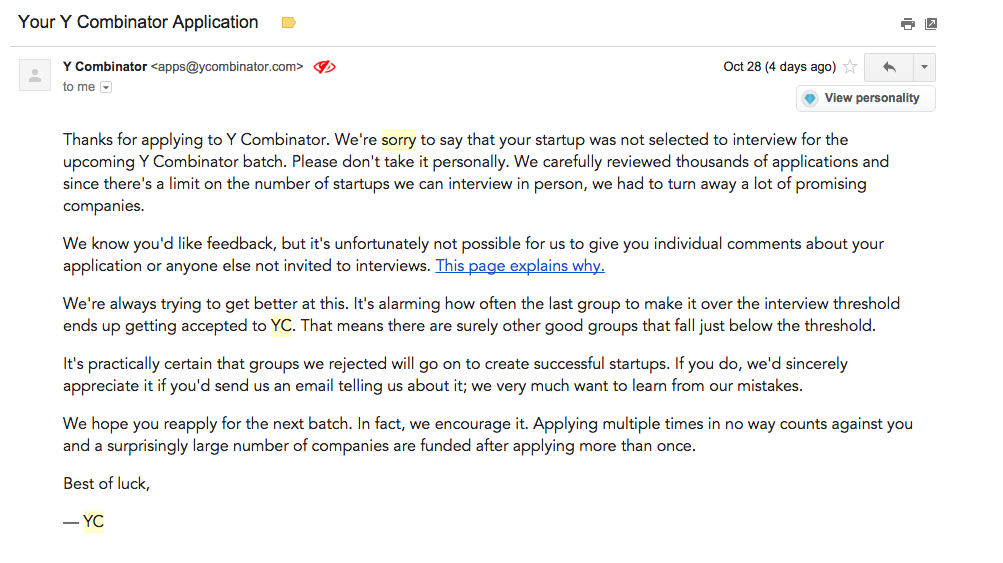
Does Techstars Notify Applicants of Rejection?
Yes, Techstars typically sends rejection emails to applicants who are not selected for their programs. These emails are usually sent after the selection process is complete and aim to provide closure to applicants. The rejection email often includes:
- A thank you for applying to the program.
- A brief explanation of the competitive nature of the selection process.
- Encouragement to reapply in the future.
What Does a Techstars Rejection Email Include?
A Techstars rejection email is designed to be professional and respectful. It generally contains the following elements:
- Acknowledgment of the applicant's effort and time invested in the application.
- An explanation that the decision was based on the high volume of applications and specific program criteria.
- Information about other resources or opportunities, such as Techstars events or community programs.
When Can You Expect a Rejection Email from Techstars?
The timing of a rejection email from Techstars depends on the specific program's timeline. Typically, applicants can expect to receive a response:
- After the application deadline has passed.
- Once the review and interview process is completed.
- Within a few weeks of the final selection being made.
How Does Techstars Handle Rejection Communication?
Techstars aims to handle rejection communication with professionalism and empathy. Their approach includes:
- Sending personalized emails to all applicants, regardless of the outcome.
- Providing constructive feedback when possible, though this is not guaranteed due to the volume of applications.
- Encouraging applicants to stay engaged with the Techstars community.
Can You Get Feedback After a Techstars Rejection?
While Techstars does not always provide detailed feedback due to the high number of applications, there are some ways to gain insights:
- Some programs may offer general feedback on common reasons for rejection.
- Applicants can attend Techstars events or webinars to learn more about what makes a strong application.
- Networking with Techstars alumni or mentors can provide additional perspectives.
Frequently Asked Questions (FAQs)
What is the TechStars interview process like?
The TechStars interview process is designed to thoroughly evaluate the potential of startups and their teams. It typically begins with an initial application review, followed by a series of interviews. The process is highly collaborative and involves multiple stakeholders, including mentors, program managers, and sometimes even alumni. Startups are assessed on various criteria, such as the strength of the team, the scalability of the idea, market potential, and traction. The interviews are often conversational but can be intense, as the goal is to understand the founders' vision, resilience, and ability to execute.
How many rounds are there in the TechStars interview process?
The TechStars interview process usually consists of two to three rounds. The first round is often a preliminary interview with a program manager or a mentor to gauge the startup's fit for the program. If the startup progresses, the second round typically involves a more in-depth discussion with a larger panel, including senior mentors or managing directors. In some cases, there may be a final round where the startup presents to a broader group of stakeholders. Each round is designed to dive deeper into the startup's business model, team dynamics, and growth potential.
When are decisions released after the TechStars interviews?
Decisions for the TechStars program are usually released within a few weeks after the final interview. The exact timeline can vary depending on the cohort and location, but most startups receive notification within 2-4 weeks of their last interview. TechStars aims to provide timely feedback to ensure that startups can plan their next steps accordingly. If accepted, startups are typically given a short window to confirm their participation and prepare for the program's start date.
What should I expect during the TechStars interview rounds?
During the TechStars interview rounds, you can expect a mix of technical and strategic questions aimed at understanding your startup's potential. The interviews often focus on your team's background, the problem you're solving, your solution's uniqueness, and your go-to-market strategy. Be prepared to discuss your traction, metrics, and growth plans in detail. The interviewers may also challenge your assumptions to test your resilience and adaptability. It's essential to be clear, concise, and passionate about your vision while demonstrating a deep understanding of your market and customers.
Leave a Reply
Our Recommended Articles