
How Much Money Did Facebook Raise From Venture Capitalists

Facebook, one of the most influential tech companies in history, owes much of its early success to venture capital funding. Before becoming a global social media giant, the platform relied on strategic investments to fuel its growth and innovation. From its inception in a Harvard dorm room to its eventual IPO, Facebook secured millions of dollars from prominent venture capitalists who recognized its potential. This article explores the key funding rounds that shaped Facebook’s trajectory, the investors who took a chance on the startup, and how these financial injections helped transform it into a multi-billion-dollar empire. Discover the pivotal role venture capital played in Facebook’s rise to dominance.
How Much Money Did Facebook Raise From Venture Capitalists?
Facebook, now known as Meta, is one of the most successful tech companies in history. Its journey from a college dorm room project to a global social media giant was fueled by significant investments from venture capitalists. Below, we explore how much money Facebook raised from venture capitalists and the key milestones in its funding journey.
See Also Do Multi Billionaires Like Bill Gates Have the Financial Pontential to Eliminate Poverty in Small Countries in the Twinkling of an Eye
1. Facebook's Initial Funding Rounds
Facebook's first major funding round occurred in 2004, when co-founder Mark Zuckerberg secured a $500,000 investment from Peter Thiel, co-founder of PayPal. This initial investment was crucial for the company's early growth and development. Over the next few years, Facebook attracted additional investments from prominent venture capital firms, including Accel Partners and Greylock Partners.
2. Accel Partners' $12.7 Million Investment
In 2005, Accel Partners invested $12.7 million in Facebook, marking one of the company's most significant early funding rounds. This investment helped Facebook expand beyond college campuses and into the broader market. Accel's involvement also brought valuable expertise and connections to the company.
See Also What Are Some of the Films Financed by Silicon Valley Vcs?
3. Greylock Partners and Meritech Capital Join In
By 2006, Facebook had gained significant traction, and venture capital firms like Greylock Partners and Meritech Capital joined the funding rounds. These investments totaled $27.5 million and were instrumental in scaling Facebook's infrastructure and user base.
4. Microsoft's Strategic Investment
In 2007, Microsoft made a strategic investment of $240 million in Facebook, valuing the company at $15 billion. This investment was not only financial but also included an advertising partnership, which helped Facebook monetize its platform more effectively.
See Also If Techstars takes a 6% equity stake for $18,000, is it fair to say a Techstars quality idea/prototype is worth $300,000 when raising seed money?
5. Total Venture Capital Raised Before IPO
Before its IPO in 2012, Facebook had raised a total of $2.24 billion from venture capitalists and other investors. This funding was critical for Facebook's rapid growth, global expansion, and development of new features.
| Year | Investor | Amount Raised |
|---|---|---|
| 2004 | Peter Thiel | $500,000 |
| 2005 | Accel Partners | $12.7 million |
| 2006 | Greylock Partners, Meritech Capital | $27.5 million |
| 2007 | Microsoft | $240 million |
| Pre-IPO Total | Various Investors | $2.24 billion |
Was Facebook funded by venture capital?

 Who Are the Best Vc Investors in Luxury Goods and Premium Food Market
Was Facebook Initially Funded by Venture Capital?
Yes, Facebook received significant funding from venture capital firms during its early stages. The company was initially self-funded by Mark Zuckerberg and his co-founders, but as the platform grew, it attracted the attention of venture capitalists. Key investments came from firms like Accel Partners and Peter Thiel, who provided the necessary capital to scale the business.
- Accel Partners invested $12.7 million in 2005, which was one of the first major venture capital injections into Facebook.
- Peter Thiel, a co-founder of PayPal, was an early investor, contributing $500,000 in 2004.
- These investments helped Facebook expand its infrastructure and user base rapidly.
What Role Did Venture Capital Play in Facebook's Growth?
Venture capital was crucial in transforming Facebook from a small college project into a global social media giant. The funding allowed the company to hire talent, develop new features, and expand its reach beyond universities.
- Venture capital enabled Facebook to scale its operations and handle millions of users.
- It provided the resources to develop advertising platforms, which became a primary revenue source.
- The funding also supported international expansion, helping Facebook become a global platform.
Which Venture Capital Firms Invested in Facebook?
Several prominent venture capital firms invested in Facebook during its early years. These firms recognized the platform's potential and provided the financial backing needed for growth.
- Accel Partners: One of the first major investors, contributing $12.7 million in 2005.
- Greylock Partners: Invested in later funding rounds, supporting further expansion.
- Meritech Capital Partners: Participated in later stages, helping Facebook prepare for its IPO.
How Did Venture Capital Influence Facebook's Business Model?
Venture capital not only provided financial support but also influenced Facebook's business strategy. Investors pushed for monetization strategies that would ensure long-term profitability.
- Investors encouraged the development of targeted advertising, which became a cornerstone of Facebook's revenue.
- They supported the creation of developer platforms, allowing third-party apps to integrate with Facebook.
- Venture capitalists also advised on user growth strategies, helping Facebook expand beyond college campuses.
What Were the Key Milestones Funded by Venture Capital?
Venture capital funding enabled Facebook to achieve several critical milestones that shaped its success.
- Expansion to high schools and international markets: Funded by early investments, Facebook grew beyond its initial college audience.
- Development of the News Feed: A key feature that transformed how users interacted with content.
- Preparation for the IPO: Later-stage funding helped Facebook prepare for its public offering in 2012.
How much funding did Facebook raise?
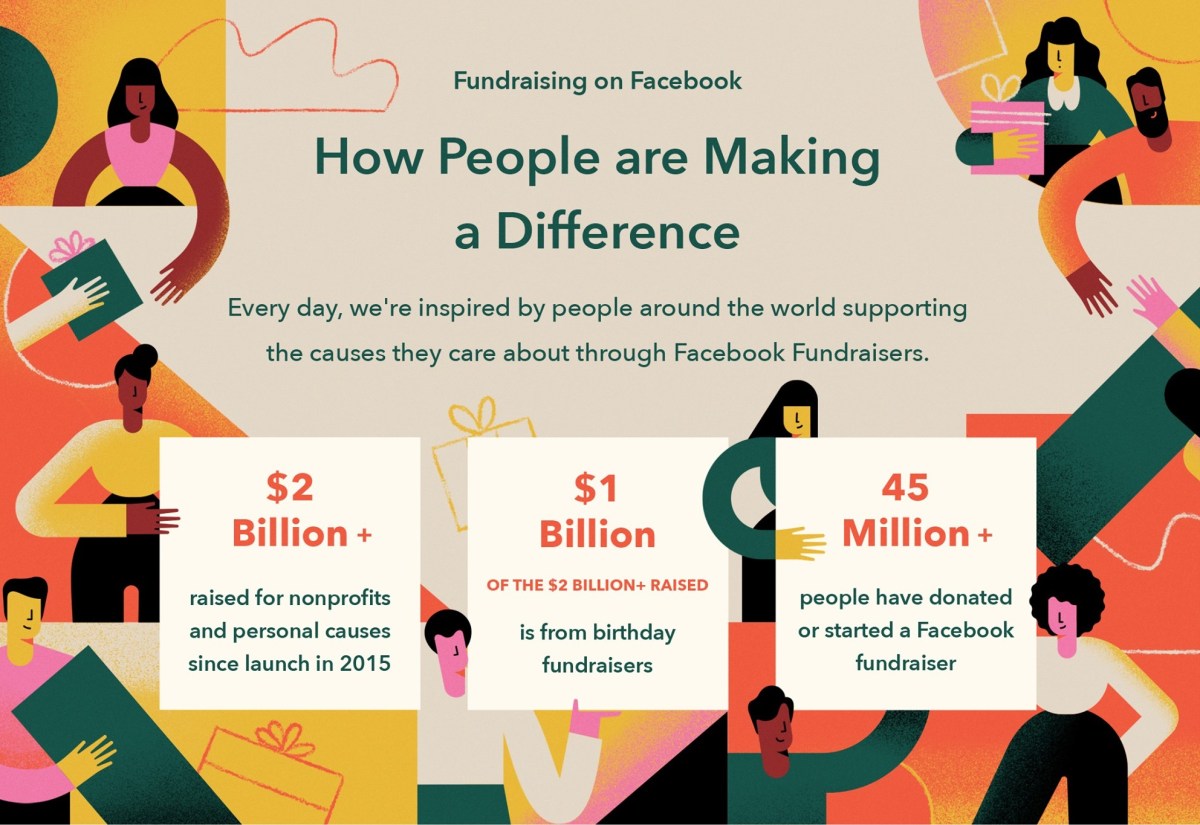
Initial Funding Rounds of Facebook
Facebook raised its initial funding through several key rounds:
- Seed Funding (2004): Facebook received its first investment of $500,000 from Peter Thiel, co-founder of PayPal.
- Series A (2005): Accel Partners invested $12.7 million, valuing the company at around $98 million.
- Series B (2006): Greylock Partners, Meritech Capital Partners, and others contributed $27.5 million.
Major Funding Before IPO
Before going public, Facebook secured significant funding:
- Microsoft Investment (2007): Microsoft invested $240 million for a 1.6% stake, valuing Facebook at $15 billion.
- Digital Sky Technologies (2009): DST invested $200 million, acquiring a 1.96% stake.
- Goldman Sachs Investment (2011): Goldman Sachs and DST invested $1.5 billion, valuing Facebook at $50 billion.
Total Funding Raised by Facebook
Facebook raised a total of approximately $2.4 billion in funding before its IPO in 2012. This includes:
- Seed and Series A/B: Around $40.7 million from early investors.
- Strategic Investments: Over $1.94 billion from major players like Microsoft and Goldman Sachs.
- Other Rounds: Additional funding from various investors and private equity firms.
Impact of Funding on Facebook's Growth
The funding played a crucial role in Facebook's expansion:
- Infrastructure Development: Funds were used to build data centers and improve server capacity.
- Product Innovation: Investments enabled the development of new features like the News Feed and Messenger.
- Global Expansion: Funding supported international growth and user acquisition.
Facebook's IPO and Post-Funding Valuation
Facebook's IPO in 2012 marked a significant milestone:
- IPO Valuation: Facebook was valued at $104 billion during its IPO.
- Shares Offered: The company raised $16 billion by offering 421 million shares at $38 per share.
- Post-IPO Performance: Despite initial volatility, Facebook's market capitalization grew significantly in subsequent years.
How much money did the first investor put into Facebook?
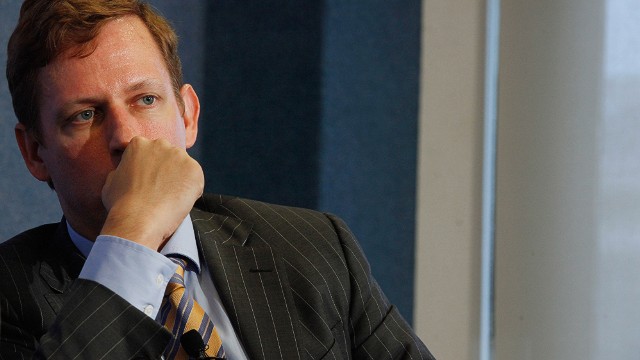
The Initial Investment in Facebook
The first investor to put money into Facebook was Peter Thiel, a co-founder of PayPal. In 2004, he invested $500,000 in the company. This investment was made during Facebook's early stages when it was still a small social networking platform primarily used by college students. Thiel's investment was crucial in helping Facebook scale its operations and expand beyond Harvard University.
- Peter Thiel was the first external investor in Facebook.
- He invested $500,000 in 2004.
- This funding helped Facebook grow beyond its initial user base at Harvard.
Why Did Peter Thiel Invest in Facebook?
Peter Thiel saw potential in Facebook's unique approach to social networking. At the time, other platforms like MySpace were already popular, but Facebook's focus on real identities and exclusive college networks made it stand out. Thiel believed in the vision of Mark Zuckerberg and his team, which emphasized creating a more authentic and connected online community.
- Thiel was impressed by Facebook's focus on real identities.
- He believed in the platform's potential to create a connected community.
- Facebook's exclusive college networks made it unique compared to competitors like MySpace.
How Was the $500,000 Investment Used?
The $500,000 investment from Peter Thiel was primarily used to expand Facebook's infrastructure and hire key talent. At the time, the platform was growing rapidly, and the funds helped cover server costs, improve the website's functionality, and bring in skilled engineers and developers. This investment laid the foundation for Facebook's future growth and success.
- The funds were used to expand server infrastructure.
- Key talent was hired to improve the platform's functionality.
- The investment supported Facebook's rapid growth during its early years.
What Was Peter Thiel's Return on Investment?
Peter Thiel's $500,000 investment turned out to be one of the most profitable in tech history. When Facebook went public in 2012, Thiel sold a significant portion of his shares for over $1 billion. His initial investment grew exponentially, showcasing the incredible potential of early-stage tech investments.
- Thiel's investment grew to over $1 billion after Facebook's IPO.
- This return highlighted the value of early-stage investments in tech startups.
- His success inspired other investors to support emerging tech companies.
Impact of the First Investment on Facebook's Growth
The $500,000 investment from Peter Thiel was a turning point for Facebook. It provided the necessary resources to scale the platform and attract more users. This early funding also helped Facebook secure additional investments from venture capital firms, further accelerating its growth and solidifying its position as a leading social media platform.
- The investment enabled Facebook to scale its operations.
- It attracted more users and additional funding from venture capital firms.
- This early support was crucial in establishing Facebook as a dominant social media platform.
Frequently Asked Questions (FAQs)
How much money did Facebook raise from venture capitalists in its early stages?
Facebook raised a total of $12.7 million from venture capitalists during its early stages. The first significant round of funding came in 2004 when Peter Thiel, co-founder of PayPal, invested $500,000 in the company. This was followed by a $12.2 million investment in 2005 from Accel Partners, a prominent venture capital firm. These funds were crucial in helping Facebook scale its operations and expand beyond its initial user base at Harvard University.
Which venture capitalists were involved in Facebook's funding rounds?
Several notable venture capitalists and firms played a key role in Facebook's funding journey. Peter Thiel was the first major investor, contributing $500,000 in 2004. In 2005, Accel Partners led a $12.7 million funding round, which included participation from Jim Breyer. Later, in 2006, Greylock Partners, Meritech Capital Partners, and Founders Fund also invested in the company. These investments were instrumental in Facebook's rapid growth and eventual dominance in the social media space.
How did Facebook use the venture capital funds it raised?
Facebook utilized the venture capital funds to expand its infrastructure, hire top talent, and enhance its platform. The initial investment from Peter Thiel allowed the company to move to Silicon Valley and focus on growth. The $12.2 million from Accel Partners in 2005 was used to scale the platform, improve server capacity, and develop new features. These strategic investments enabled Facebook to grow from a college networking site to a global social media platform with millions of users.
What was the impact of venture capital on Facebook's success?
Venture capital played a pivotal role in Facebook's success by providing the necessary resources for growth and innovation. The early investments allowed Facebook to compete with established players like MySpace and attract a broader user base. Additionally, the involvement of experienced investors like Peter Thiel and Accel Partners brought not only funding but also valuable mentorship and industry connections. This support helped Facebook navigate challenges, scale its operations, and eventually become one of the most influential companies in the world.
Leave a Reply
Our Recommended Articles