
Is Venture Capital or Real Estate Development More Lucrative

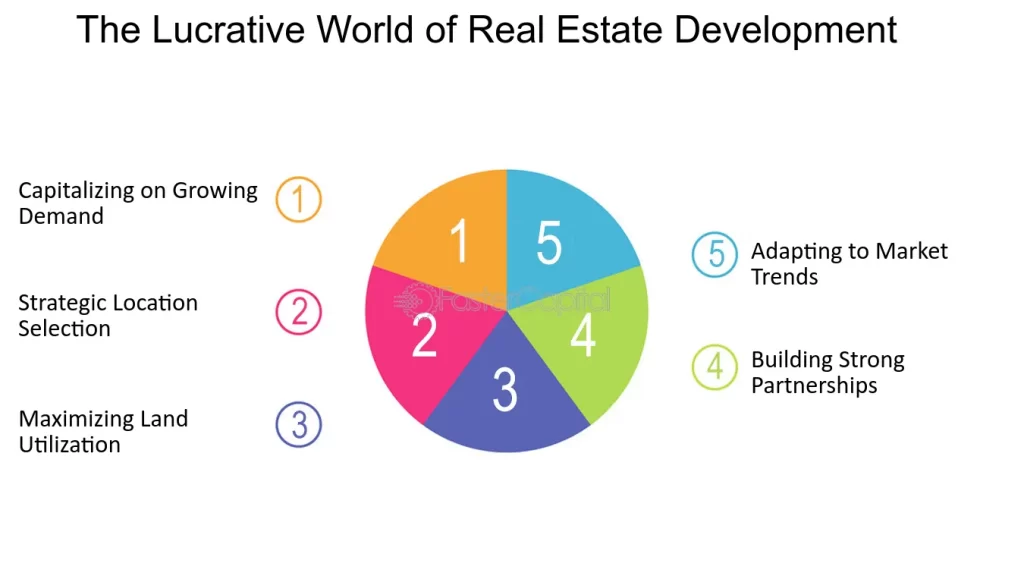
The debate between venture capital and real estate development as lucrative investment avenues has long intrigued investors seeking high returns. Venture capital offers the potential for exponential growth by funding innovative startups, often in technology-driven sectors, but comes with significant risk and uncertainty. On the other hand, real estate development provides tangible assets and steady cash flow, leveraging property appreciation and rental income, though it requires substantial upfront capital and market expertise. Both paths promise substantial rewards but demand distinct strategies, risk tolerance, and industry knowledge. This article explores the profitability, risks, and long-term potential of each, helping investors determine which aligns best with their financial goals.
- Is Venture Capital or Real Estate Development More Lucrative?
- What is the most profitable type of real estate development?
-
Can you make a lot of money in real estate development?
- What Factors Influence Profitability in Real Estate Development?
- What Are the Risks Associated with Real Estate Development?
- How Can You Maximize Returns in Real Estate Development?
- What Are the Initial Costs Involved in Real Estate Development?
- What Skills Are Essential for Success in Real Estate Development?
- Do people in venture capital make a lot of money?
-
Frequently Asked Questions (FAQs)
- What are the key differences in profitability between venture capital and real estate development?
- Which industry has a higher risk profile: venture capital or real estate development?
- How do the time horizons for returns compare between venture capital and real estate development?
- Which industry offers better diversification opportunities: venture capital or real estate development?
Is Venture Capital or Real Estate Development More Lucrative?
Understanding Venture Capital
Venture capital (VC) involves investing in early-stage or high-growth companies with the potential for significant returns. Investors provide capital in exchange for equity, betting on the company's future success. The high-risk, high-reward nature of VC makes it appealing to those seeking substantial profits, but it also comes with the possibility of losing the entire investment if the startup fails.
See Also Should I Quit Venture Capital to Join Real Estate Private Equity =37253896
Exploring Real Estate Development
Real estate development focuses on purchasing, improving, and selling or leasing properties for profit. This field requires substantial upfront capital and involves risks such as market fluctuations and construction delays. However, it offers steady cash flow through rental income and long-term appreciation, making it a more stable investment compared to venture capital.
Risk Comparison Between Venture Capital and Real Estate
Venture capital is inherently riskier due to the high failure rate of startups. In contrast, real estate development, while not without risks, tends to be more predictable. The table below highlights the key differences:
See Also What Degree is Most Useful to Get Into Venture Capital or Investment Banking
| Aspect | Venture Capital | Real Estate Development |
|---|---|---|
| Risk Level | High | Moderate |
| Return Potential | Very High | Steady |
| Liquidity | Low | Medium |
Capital Requirements for Both Fields
Venture capital often requires significant capital to invest in multiple startups, as diversification is key to mitigating risks. Real estate development also demands large upfront investments for land acquisition, construction, and permits. However, real estate investors can leverage loans and mortgages, whereas VC investments typically rely on personal or institutional funds.
Long-Term vs. Short-Term Gains
Venture capital can yield explosive returns in a short period if a startup succeeds, but it may take years to see any profit. Real estate development offers consistent returns through rental income and property appreciation, making it more suitable for those seeking long-term stability. The choice depends on the investor's risk tolerance and financial goals.
See Also If You Interpret a Vc Investment as an Ordinary Loan What Interest Rate Do Vcs Typically Expect
What is the most profitable type of real estate development?
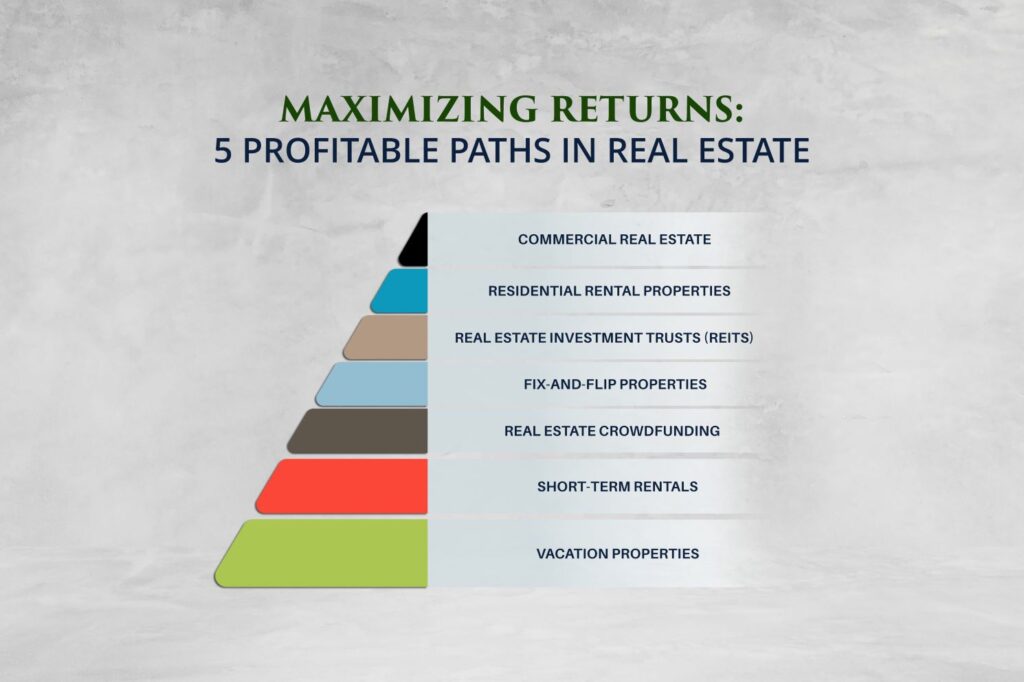
The most profitable type of real estate development often depends on location, market demand, and economic conditions. However, mixed-use developments and luxury residential properties are generally considered highly profitable due to their ability to generate multiple revenue streams and cater to high-income buyers.
See Also Whats the Difference Between Growth Equity and Venture Capital
What Makes Mixed-Use Developments Profitable?
Mixed-use developments combine residential, commercial, and retail spaces in one project, creating a self-sustaining ecosystem. This type of development attracts a diverse range of tenants and buyers, ensuring steady income. Key factors include:
- Diversified Revenue Streams: Income from residential rents, retail leases, and office spaces reduces financial risk.
- High Demand: Urbanization trends favor mixed-use projects as they offer convenience and accessibility.
- Increased Property Value: The integration of amenities and services boosts the overall value of the development.
Why Are Luxury Residential Properties Lucrative?
Luxury residential properties cater to high-net-worth individuals who are willing to pay a premium for exclusivity and superior amenities. Profitability is driven by:
See Also What is the Difference Between Venture and Non Venture Capital or in Other Words What is the Definition of Non Venture Capital
- Higher Profit Margins: Luxury properties command significantly higher prices and rents compared to standard housing.
- Lower Vacancy Rates: High demand for premium housing ensures consistent occupancy.
- Brand Value: Developers can leverage their reputation to attract buyers and investors.
How Do Commercial Real Estate Developments Generate Profit?
Commercial real estate, including office buildings, retail centers, and industrial warehouses, is highly profitable due to long-term leases and stable cash flow. Key advantages include:
- Long-Term Leases: Businesses often sign multi-year leases, ensuring predictable income.
- Appreciation Potential: Prime commercial properties tend to appreciate significantly over time.
- Tenant Stability: Established businesses are less likely to default on rent payments.
What Role Does Location Play in Real Estate Profitability?
Location is a critical factor in determining the profitability of any real estate development. Key considerations include:
- Proximity to Amenities: Developments near schools, hospitals, and transportation hubs attract more buyers and tenants.
- Economic Growth: Areas with strong job markets and infrastructure investments offer higher returns.
- Supply and Demand: Locations with limited supply and high demand drive up property values.
Why Are Green and Sustainable Developments Gaining Popularity?
Green and sustainable developments are becoming increasingly profitable due to growing environmental awareness and regulatory incentives. Benefits include:
- Energy Efficiency: Lower utility costs attract cost-conscious buyers and tenants.
- Government Incentives: Tax breaks and grants are often available for eco-friendly projects.
- Market Appeal: Environmentally conscious consumers prefer sustainable properties, increasing demand.
Can you make a lot of money in real estate development?
:max_bytes(150000):strip_icc()/HOWMONEYISMADEREALESTATEFINALJPEG-8db8883c13df4233ba2aad6ae392647f.jpg)
What Factors Influence Profitability in Real Estate Development?
Profitability in real estate development depends on several key factors. These include:
- Location: Prime locations with high demand and growth potential yield higher returns.
- Market Conditions: Understanding supply, demand, and economic trends is crucial for timing investments.
- Project Scale: Larger projects often have higher profit margins but also carry greater risks.
- Cost Management: Efficient budgeting and minimizing unexpected expenses are essential for maximizing profits.
- Regulatory Environment: Navigating zoning laws, permits, and regulations can impact project feasibility and profitability.
What Are the Risks Associated with Real Estate Development?
Real estate development is not without risks. Some of the most significant risks include:
- Market Volatility: Economic downturns or shifts in demand can reduce property values and sales.
- Construction Delays: Delays can increase costs and delay revenue generation.
- Financing Challenges: Securing funding at favorable terms can be difficult, especially for new developers.
- Regulatory Hurdles: Changes in laws or unexpected permit issues can derail projects.
- Environmental Factors: Natural disasters or environmental concerns can impact project viability.
How Can You Maximize Returns in Real Estate Development?
To maximize returns, developers should focus on the following strategies:
- Thorough Research: Conduct detailed market analysis to identify high-demand areas.
- Strategic Partnerships: Collaborate with experienced contractors, architects, and financiers.
- Value-Added Features: Incorporate unique amenities or designs to attract premium buyers or tenants.
- Efficient Project Management: Streamline processes to reduce costs and timelines.
- Diversification: Spread investments across different property types or locations to mitigate risks.
What Are the Initial Costs Involved in Real Estate Development?
Starting a real estate development project requires significant upfront investment. Key costs include:
- Land Acquisition: Purchasing the property is often the largest initial expense.
- Design and Planning: Hiring architects and engineers for project design and feasibility studies.
- Permits and Fees: Obtaining necessary approvals and paying associated fees.
- Construction Costs: Materials, labor, and equipment for building the project.
- Financing Costs: Interest payments and loan origination fees if using borrowed capital.
What Skills Are Essential for Success in Real Estate Development?
Successful real estate developers possess a combination of skills, including:
- Financial Acumen: Understanding budgets, cash flow, and investment analysis.
- Negotiation Skills: Securing favorable deals with contractors, suppliers, and buyers.
- Project Management: Coordinating timelines, resources, and teams effectively.
- Market Knowledge: Staying informed about trends, demographics, and competition.
- Problem-Solving: Addressing unexpected challenges and finding creative solutions.
Do people in venture capital make a lot of money?
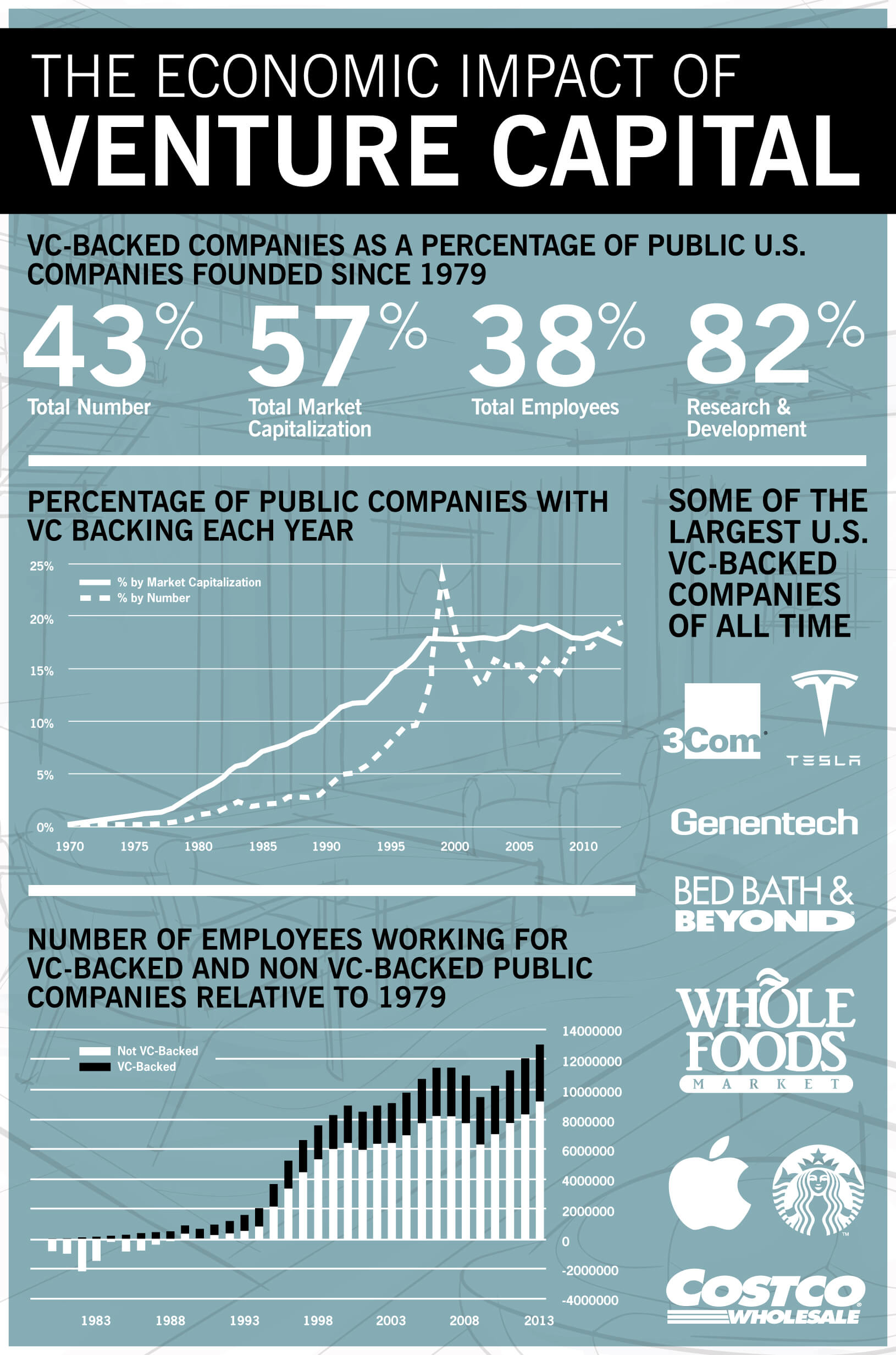
How Much Do Venture Capital Professionals Earn?
Professionals in venture capital (VC) often earn significant incomes, but the amount varies depending on their role and experience. Here’s a breakdown:
- Associates and Analysts: Entry-level roles typically earn between $80,000 and $150,000 annually, including base salary and bonuses.
- Principals and Senior Associates: Mid-level professionals can earn between $150,000 and $300,000 per year, with bonuses and carried interest potentially increasing total compensation.
- Partners and General Partners: Senior roles often earn $300,000 to $1 million or more annually, with a significant portion coming from carried interest, which is a share of the profits from successful investments.
What Factors Influence Earnings in Venture Capital?
Several factors determine how much money individuals in venture capital make:
- Fund Performance: The success of the VC fund directly impacts earnings, as carried interest is tied to profitable exits.
- Experience and Track Record: Seasoned professionals with a history of successful investments command higher compensation.
- Firm Size and Reputation: Larger, well-established firms often offer higher salaries and bonuses compared to smaller or newer firms.
What Is Carried Interest and How Does It Affect Earnings?
Carried interest is a key component of VC compensation, particularly for senior roles:
- Definition: Carried interest is a share of the profits (typically 20%) that VC professionals receive after returning the initial investment to limited partners.
- Impact on Earnings: This can significantly boost income, especially in funds with high-performing portfolios.
- Long-Term Nature: Carried interest is often realized over several years, aligning incentives with long-term fund success.
How Do Bonuses and Base Salaries Compare in Venture Capital?
Compensation in venture capital often includes a mix of base salary and bonuses:
- Base Salary: Provides a stable income, with amounts varying by role and firm size.
- Bonuses: Can be substantial, especially in successful funds, and are often tied to individual and fund performance.
- Total Compensation: Bonuses can sometimes double or triple the base salary, particularly for senior professionals.
What Are the Challenges of Earning High Incomes in Venture Capital?
While VC can be lucrative, there are challenges to achieving high earnings:
- High Competition: Breaking into VC and advancing to senior roles is highly competitive.
- Risk of Failure: Not all investments succeed, and poor fund performance can reduce carried interest and bonuses.
- Long Hours and Pressure: The demanding nature of the job can be a barrier for some individuals.
Frequently Asked Questions (FAQs)
What are the key differences in profitability between venture capital and real estate development?
Venture capital and real estate development differ significantly in terms of profitability. Venture capital involves investing in early-stage or high-growth companies, offering the potential for exponential returns if the startups succeed. However, it also carries a high risk of failure, as many startups do not achieve profitability. On the other hand, real estate development typically provides more stable and predictable returns, especially in established markets. While the returns may not be as explosive as venture capital, real estate investments often generate consistent cash flow through rental income and long-term appreciation.
Which industry has a higher risk profile: venture capital or real estate development?
Venture capital is generally considered to have a higher risk profile compared to real estate development. This is because venture capital investments are often made in unproven businesses with uncertain futures. The failure rate for startups is high, and investors may lose their entire investment if the company does not succeed. In contrast, real estate development tends to be less risky, as it involves tangible assets like land and buildings. While there are still risks, such as market fluctuations and construction delays, the physical nature of real estate provides a level of security that venture capital lacks.
How do the time horizons for returns compare between venture capital and real estate development?
The time horizons for returns in venture capital and real estate development can vary significantly. Venture capital investments often require a longer time to mature, as startups may take years to achieve profitability or reach an exit event, such as an IPO or acquisition. Investors may need to wait 5 to 10 years or more to see substantial returns. In contrast, real estate development projects typically have shorter time horizons, with returns realized through rental income or property sales within a few years. However, some real estate investments, such as large-scale developments, may also require a longer time frame to generate significant profits.
Which industry offers better diversification opportunities: venture capital or real estate development?
Both venture capital and real estate development offer unique diversification opportunities, but they cater to different investment strategies. Venture capital allows investors to diversify across various industries and innovative technologies, providing exposure to high-growth sectors like tech, biotech, and clean energy. However, the high-risk nature of these investments means that diversification within venture capital alone may not be sufficient to mitigate risk. Real estate development, on the other hand, offers diversification through different property types, such as residential, commercial, and industrial, as well as geographic locations. This can provide a more balanced portfolio, especially when combined with other asset classes.
Leave a Reply
Our Recommended Articles