
What Do Venture Capital Lawyers Do What Do They Assist Venture Capitalists in What Are Their Day to Day Tasks Like


Venture capital lawyers play a pivotal role in the fast-paced world of startup investments and high-growth companies. These legal professionals specialize in navigating the complex legal landscape that surrounds venture capital transactions, ensuring that both investors and entrepreneurs are protected. Their expertise spans drafting and negotiating term sheets, reviewing funding agreements, and conducting due diligence to mitigate risks. Additionally, they assist venture capitalists in structuring deals, managing regulatory compliance, and resolving disputes. Day-to-day tasks often involve collaborating with clients, analyzing contracts, and staying updated on evolving laws. By providing critical legal support, venture capital lawyers enable smooth transactions and foster trust between investors and startups.
What Do Venture Capital Lawyers Do and How Do They Assist Venture Capitalists?
Venture capital lawyers play a crucial role in the startup ecosystem by providing legal expertise to venture capitalists (VCs) and the companies they invest in. Their primary responsibility is to ensure that all legal aspects of investments, mergers, acquisitions, and other transactions are handled efficiently and in compliance with applicable laws. They assist venture capitalists in structuring deals, drafting and reviewing contracts, conducting due diligence, and mitigating risks. Their day-to-day tasks involve a mix of legal advisory, negotiation, and documentation work to facilitate smooth transactions and protect their clients' interests.
See AlsoWhat Are Some Good Methods for Finding Venture Capital Vc Funding for Startups What Should One Do Right at the Beginning of Their Search So That Its Not All for Naught if No Investor Bites1. Structuring and Negotiating Investment Deals
Venture capital lawyers are instrumental in structuring investment deals to ensure they align with the interests of both the venture capitalists and the startups. They draft and negotiate term sheets, which outline the key terms of the investment, such as valuation, equity stakes, and voting rights. Their expertise ensures that the deal is fair, legally sound, and minimizes potential disputes.
| Task | Description |
|---|---|
| Term Sheet Drafting | Creating a document that outlines the terms of the investment. |
| Negotiation | Ensuring favorable terms for their clients while maintaining fairness. |
| Legal Compliance | Ensuring the deal adheres to relevant laws and regulations. |
2. Conducting Due Diligence
Before any investment is finalized, venture capital lawyers conduct thorough due diligence to assess the legal, financial, and operational health of the startup. This process involves reviewing contracts, intellectual property rights, employment agreements, and compliance with regulations. Their findings help venture capitalists make informed decisions and avoid potential legal pitfalls.
See Also What is a Waterfall in Private Equity?
| Task | Description |
|---|---|
| Contract Review | Analyzing existing agreements for potential risks. |
| IP Assessment | Evaluating the startup's intellectual property portfolio. |
| Regulatory Compliance | Ensuring the startup adheres to industry-specific regulations. |
3. Drafting and Reviewing Legal Documents
Venture capital lawyers are responsible for drafting and reviewing a wide range of legal documents, including shareholder agreements, employment contracts, and non-disclosure agreements. These documents are critical for defining the rights and obligations of all parties involved in the investment.
| Task | Description |
|---|---|
| Shareholder Agreements | Defining the rights and responsibilities of shareholders. |
| Employment Contracts | Ensuring compliance with labor laws and protecting the company's interests. |
| Non-Disclosure Agreements | Protecting confidential information during negotiations. |
4. Managing Regulatory Compliance
Venture capital lawyers ensure that all transactions and operations comply with local, national, and international regulations. They stay updated on changes in laws that may affect their clients and provide guidance to avoid legal issues. This is particularly important in industries with strict regulatory requirements, such as healthcare or fintech.
See Also What Do Venture Capital Firms Assess Before Investing in New Gaming Studios
| Task | Description |
|---|---|
| Regulatory Research | Staying informed about changes in laws and regulations. |
| Compliance Audits | Conducting regular checks to ensure adherence to regulations. |
| Risk Mitigation | Identifying and addressing potential compliance risks. |
5. Handling Disputes and Litigation
In the event of disputes between venture capitalists and startups, venture capital lawyers step in to resolve conflicts through negotiation, mediation, or litigation. They work to protect their clients' interests while striving for an amicable resolution. Their expertise in dispute resolution is invaluable in maintaining long-term business relationships.
| Task | Description |
|---|---|
| Negotiation | Resolving conflicts through discussions and compromise. |
| Mediation | Facilitating discussions between parties to reach a settlement. |
| Litigation | Representing clients in court if necessary. |
What does a venture capital lawyer do?

 How to Become a Vc Without Money of My Own to Invest
Understanding the Role of a Venture Capital Lawyer
A venture capital lawyer specializes in providing legal guidance to startups, investors, and venture capital firms. Their primary role is to ensure that all parties involved in venture capital transactions comply with legal requirements and protect their interests. They handle a wide range of tasks, including drafting and reviewing contracts, negotiating terms, and advising on regulatory compliance.
- Drafting and reviewing contracts: They prepare agreements such as term sheets, shareholder agreements, and investment contracts.
- Negotiating terms: They ensure fair and legally sound terms for both investors and startups.
- Regulatory compliance: They help clients navigate complex legal frameworks to avoid penalties or disputes.
Key Responsibilities in Venture Capital Transactions
Venture capital lawyers play a critical role in structuring and executing transactions. They ensure that all legal aspects of the deal are properly addressed, minimizing risks for their clients. Their responsibilities include due diligence, intellectual property protection, and post-investment support.
- Due diligence: They assess the legal and financial health of startups before investments are made.
- Intellectual property protection: They safeguard patents, trademarks, and other IP assets.
- Post-investment support: They assist with ongoing legal matters, such as corporate governance and compliance.
Drafting and Negotiating Investment Agreements
One of the most critical tasks of a venture capital lawyer is drafting and negotiating investment agreements. These documents outline the terms of the investment, including equity stakes, voting rights, and exit strategies. Lawyers ensure that these agreements are clear, enforceable, and aligned with their clients' goals.
- Equity stakes: They define the percentage of ownership investors will receive.
- Voting rights: They establish the decision-making power of investors.
- Exit strategies: They outline how investors can liquidate their investments, such as through IPOs or acquisitions.
Ensuring Compliance with Securities Laws
Venture capital lawyers must ensure that all transactions comply with securities laws. This includes adhering to regulations set by bodies like the SEC in the U.S. They help clients avoid legal pitfalls by ensuring proper documentation and disclosures.
- Documentation: They prepare filings and disclosures required by regulatory authorities.
- Disclosures: They ensure that all material information is shared with investors.
- Regulatory filings: They handle submissions to regulatory bodies to maintain compliance.
Advising on Corporate Governance and Structure
Venture capital lawyers provide guidance on corporate governance and structure. They help startups establish effective management frameworks and ensure that investors' rights are protected. This includes advising on board composition, shareholder rights, and decision-making processes.
- Board composition: They advise on the appointment of directors and their roles.
- Shareholder rights: They ensure that investors' rights are clearly defined and protected.
- Decision-making processes: They help establish procedures for major corporate decisions.
What do venture capitalists do all day?

Evaluating Investment Opportunities
Venture capitalists spend a significant portion of their day evaluating potential investment opportunities. This involves:
- Reviewing pitch decks and business plans submitted by startups.
- Conducting due diligence to assess the viability and scalability of the business model.
- Meeting with founders to understand their vision, team, and market potential.
Networking and Building Relationships
Building and maintaining relationships is crucial for venture capitalists. Their day often includes:
- Attending industry events and conferences to meet entrepreneurs and other investors.
- Connecting with co-investors to discuss potential syndication opportunities.
- Engaging with portfolio companies to provide support and guidance.
Monitoring Portfolio Companies
Venture capitalists dedicate time to monitoring their existing investments. This involves:
- Reviewing financial reports and performance metrics of portfolio companies.
- Participating in board meetings to provide strategic direction.
- Offering mentorship and resources to help startups grow and succeed.
Fundraising and Managing Funds
Another key activity for venture capitalists is raising and managing funds. Their responsibilities include:
- Pitching to limited partners (LPs) to secure capital for new funds.
- Managing fund operations, including compliance and reporting.
- Allocating capital to new investments and follow-on rounds.
Staying Informed on Market Trends
To make informed decisions, venture capitalists must stay updated on market trends. This involves:
- Reading industry reports and research papers to understand emerging technologies.
- Analyzing competitor activities and market shifts.
- Engaging with thought leaders to gain insights into future opportunities.
What does a capital lawyer do?

What is the Role of a Capital Lawyer?
A capital lawyer specializes in cases involving capital offenses, which are crimes punishable by the death penalty or life imprisonment without parole. Their primary role is to provide legal representation to individuals accused of such serious crimes. This involves:
- Defending clients in court to ensure their rights are protected.
- Investigating cases thoroughly to gather evidence and build a strong defense.
- Negotiating plea deals with prosecutors to potentially reduce charges or sentences.
How Does a Capital Lawyer Prepare for a Case?
Preparation is critical for a capital lawyer due to the high stakes involved. They focus on:
- Reviewing evidence, including forensic reports, witness statements, and police records.
- Consulting experts such as psychologists, forensic specialists, and investigators.
- Developing a defense strategy tailored to the specifics of the case.
What Skills Are Essential for a Capital Lawyer?
To effectively handle capital cases, a lawyer must possess specific skills, including:
- Analytical thinking to dissect complex legal and factual issues.
- Strong communication to present arguments persuasively in court.
- Empathy and resilience to support clients facing life-altering consequences.
What Challenges Do Capital Lawyers Face?
Capital lawyers encounter unique challenges, such as:
- Emotional toll from dealing with cases involving the death penalty.
- Public scrutiny and media attention surrounding high-profile cases.
- Complex legal procedures and stringent deadlines in capital cases.
How Does a Capital Lawyer Advocate for Their Client?
Advocacy in capital cases involves:
- Presenting mitigating evidence to argue against the death penalty.
- Challenging procedural errors or constitutional violations.
- Appealing verdicts if the trial outcome is unfavorable.
What is the most important attribute for a VC lawyer?
Strong Understanding of Venture Capital Law
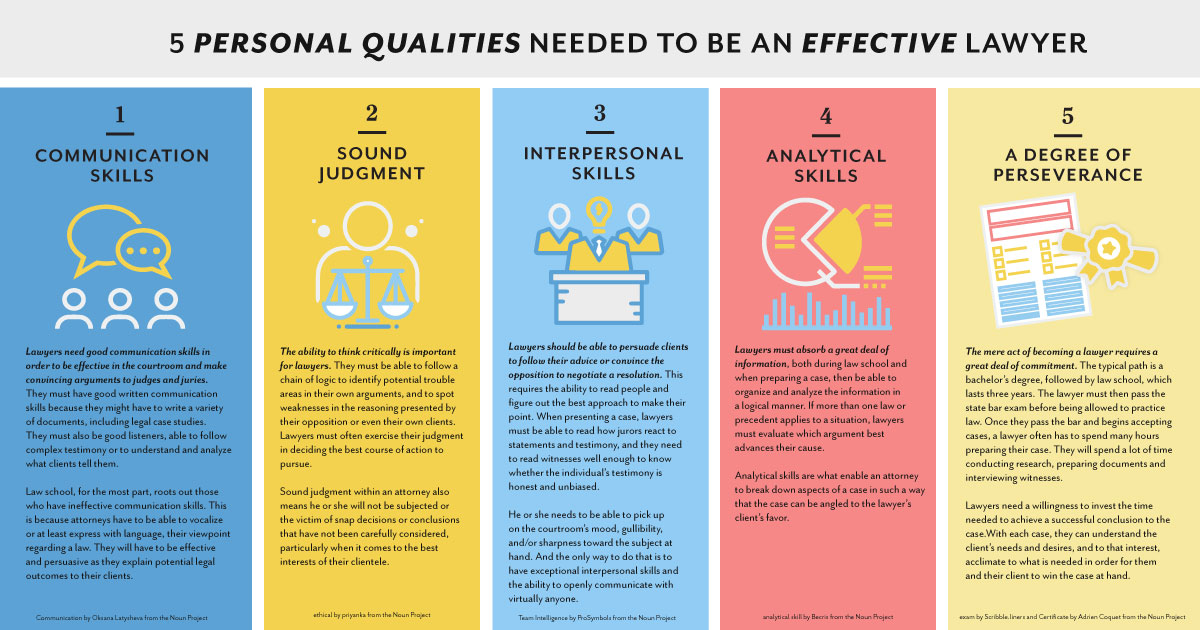
A VC lawyer must possess a deep and comprehensive understanding of venture capital law. This includes knowledge of securities regulations, corporate governance, and intellectual property rights. Without this foundational expertise, a lawyer cannot effectively navigate the complexities of venture capital transactions.
- Knowledge of securities laws to ensure compliance with regulations.
- Understanding of corporate structures to advise on the best legal frameworks.
- Expertise in intellectual property to protect client innovations.
Exceptional Negotiation Skills
Negotiation is a critical skill for a VC lawyer. They must be able to negotiate favorable terms for their clients, whether it's in funding rounds, equity distribution, or exit strategies. Effective negotiation ensures that all parties reach a mutually beneficial agreement.
- Ability to negotiate term sheets to secure the best terms for clients.
- Skill in mediating disputes between investors and founders.
- Proficiency in structuring deals that align with client goals.
Attention to Detail
Attention to detail is paramount for a VC lawyer. The legal documents involved in venture capital transactions are complex and often contain critical details that can have significant implications. Missing a single clause or term can lead to substantial legal and financial consequences.
- Meticulous review of contracts and agreements to avoid pitfalls.
- Precision in drafting legal documents to ensure clarity and enforceability.
- Thorough due diligence to identify potential risks and liabilities.
Strategic Thinking
A VC lawyer must be a strategic thinker, capable of foreseeing potential challenges and opportunities. They need to provide legal advice that not only addresses current issues but also positions their clients for future success.
- Ability to anticipate legal challenges and plan accordingly.
- Skill in developing long-term strategies for client growth and exit plans.
- Expertise in aligning legal advice with business objectives.
Strong Communication Skills
Effective communication is essential for a VC lawyer. They must be able to clearly articulate complex legal concepts to clients, investors, and other stakeholders. Clear communication helps in building trust and ensuring that all parties are on the same page.
- Ability to explain legal jargon in simple terms to non-legal stakeholders.
- Skill in writing clear and concise legal documents.
- Proficiency in oral communication during negotiations and meetings.
Frequently Asked Questions (FAQs)
What do venture capital lawyers do?
Venture capital lawyers specialize in providing legal advice and services to venture capital firms, startups, and other entities involved in venture capital transactions. Their primary role is to ensure that all legal aspects of investments, fundraising, and business operations comply with applicable laws and regulations. They draft and review contracts, negotiate terms, and help structure deals to protect their clients' interests. Additionally, they assist in due diligence processes, intellectual property protection, and regulatory compliance, ensuring that transactions are legally sound and minimize risks.
What do venture capital lawyers assist venture capitalists in?
Venture capital lawyers assist venture capitalists in a variety of critical tasks. They help structure investment deals, ensuring that terms are favorable and legally binding. They also play a key role in drafting and negotiating term sheets, shareholder agreements, and other legal documents. Lawyers assist in conducting due diligence to evaluate the financial, legal, and operational health of potential investment targets. Furthermore, they provide guidance on regulatory compliance, intellectual property rights, and exit strategies, such as mergers, acquisitions, or initial public offerings (IPOs).
What are the day-to-day tasks of a venture capital lawyer?
The day-to-day tasks of a venture capital lawyer can vary widely but typically include drafting and reviewing legal documents, such as investment agreements, term sheets, and partnership agreements. They spend significant time negotiating terms with other parties involved in transactions. Lawyers also conduct legal research to stay updated on regulations and ensure compliance. They may attend meetings with clients, investors, or other stakeholders to provide legal advice and resolve disputes. Additionally, they often collaborate with other professionals, such as accountants and financial advisors, to ensure seamless execution of deals.
How do venture capital lawyers support startups in venture capital deals?
Venture capital lawyers support startups by helping them navigate the complexities of venture capital deals. They assist in structuring the company to attract investors, such as setting up the right corporate entity and drafting founder agreements. Lawyers also help startups understand and negotiate term sheets, ensuring that the terms are fair and align with the company's long-term goals. They provide guidance on intellectual property protection, employment law, and regulatory compliance. By offering legal expertise, venture capital lawyers help startups minimize risks and focus on growth while ensuring that all legal requirements are met.
Leave a Reply
Our Recommended Articles