
Which Venture Capital Firms Invest Heavily in Bio Med and Healthcare Companies


The biotechnology and healthcare sectors have become focal points for innovation, driven by advancements in medical research, digital health, and personalized medicine. Venture capital firms play a pivotal role in fueling this growth, providing the necessary funding to transform groundbreaking ideas into market-ready solutions. This article explores the venture capital firms that are heavily investing in bio med and healthcare companies, highlighting their strategies, portfolio focuses, and the impact of their investments on the industry. By understanding which firms are leading the charge, entrepreneurs and stakeholders can better navigate the competitive landscape and identify potential partners for their ventures.
- Which Venture Capital Firms Invest Heavily in Bio Med and Healthcare Companies?
- Who is the biggest investor in biotech?
- What is venture capital in biotech?
- What is venture capital in MedTech?
- What is venture capital in healthcare?
-
Frequently Asked Questions (FAQs)
- Which venture capital firms are known for investing heavily in bio med and healthcare companies?
- What criteria do venture capital firms use when investing in bio med and healthcare startups?
- How do venture capital firms support bio med and healthcare companies beyond funding?
- What are some notable bio med and healthcare companies funded by venture capital firms?
Which Venture Capital Firms Invest Heavily in Bio Med and Healthcare Companies?
The biomedical and healthcare sectors have become hotspots for venture capital (VC) investments due to their potential for groundbreaking innovations and high returns. Several VC firms have established themselves as key players in funding biotech startups, healthtech companies, and life sciences ventures. These firms not only provide capital but also bring expertise, networks, and strategic guidance to help these companies scale and succeed. Below, we explore some of the most prominent venture capital firms actively investing in this space.
See Also What Are the Good Ways to Calculate Percentage of Equity Giving to Venture Capital When a Startup Gets Funded
1. Top Venture Capital Firms in Biomed and Healthcare
Some of the most active VC firms in the biomed and healthcare sectors include Andreessen Horowitz (a16z), Flagship Pioneering, ARCH Venture Partners, OrbiMed, and Khosla Ventures. These firms have a strong track record of identifying and nurturing innovative startups in areas like gene therapy, digital health, and medical devices. For example, Flagship Pioneering is known for founding and funding companies like Moderna, a leader in mRNA technology.
2. Key Investment Areas in Biomed and Healthcare
Venture capital firms are particularly interested in emerging technologies such as artificial intelligence (AI) in healthcare, precision medicine, telemedicine, and biomanufacturing. These areas promise to revolutionize patient care and treatment outcomes. For instance, Andreessen Horowitz has invested heavily in AI-driven diagnostics and personalized medicine startups, recognizing their potential to disrupt traditional healthcare models.
See Also Are There Historical Returns Comparing Pe and Vc?
3. Geographic Focus of VC Investments
While Silicon Valley remains a hub for biomed and healthcare investments, other regions like Boston, New York, and Europe are also attracting significant attention. ARCH Venture Partners, for example, has a strong presence in Boston, a city renowned for its biotech ecosystem. Similarly, OrbiMed has made substantial investments in Asian markets, particularly in China and India, where healthcare innovation is rapidly growing.
4. Notable Success Stories in Biomed and Healthcare
Several VC-backed companies have achieved remarkable success, demonstrating the potential of biomed and healthcare investments. Moderna, backed by Flagship Pioneering, became a household name during the COVID-19 pandemic with its mRNA vaccine. Another example is 23andMe, supported by Khosla Ventures, which has revolutionized genetic testing and personalized health insights.
See Also How Did Benchmark Capital Come to Be?
5. Challenges and Risks in Biomed and Healthcare Investing
Despite the promising opportunities, investing in biomed and healthcare comes with significant challenges. These include regulatory hurdles, long development timelines, and high capital requirements. VC firms must carefully evaluate the scientific validity and market potential of startups before committing funds. For example, OrbiMed often collaborates with scientific advisors to assess the feasibility of early-stage biotech ventures.
| VC Firm | Notable Investments | Focus Areas |
|---|---|---|
| Andreessen Horowitz | AI diagnostics, digital health | Healthcare innovation |
| Flagship Pioneering | Moderna, mRNA technology | Biotech and life sciences |
| ARCH Venture Partners | Early-stage biotech | Biomanufacturing, precision medicine |
| OrbiMed | Asian healthcare startups | Global healthcare innovation |
| Khosla Ventures | 23andMe, genetic testing | Personalized medicine |
Who is the biggest investor in biotech?
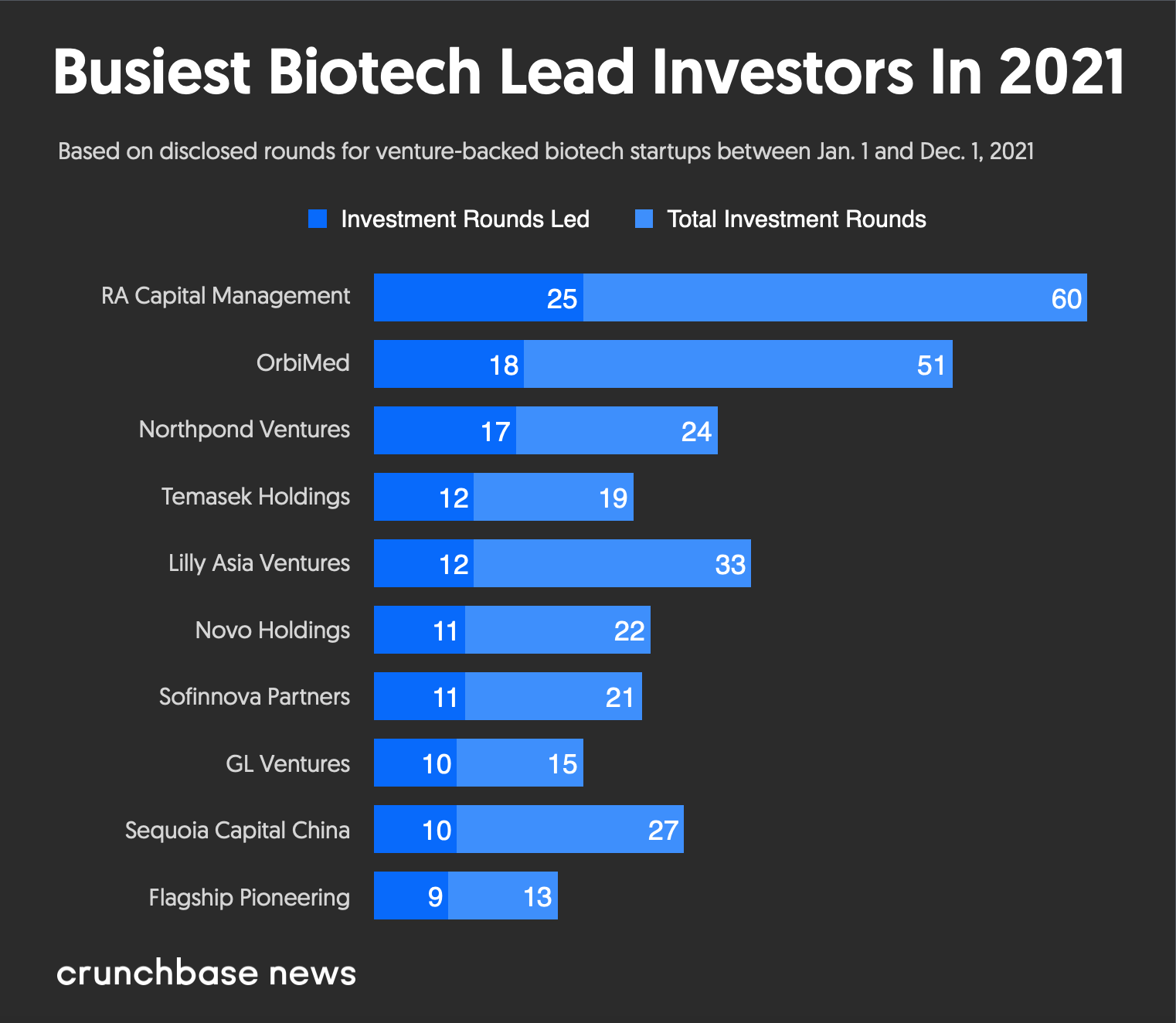
The biggest investor in biotech is often considered to be BlackRock, one of the world's largest asset management firms. BlackRock has significant holdings in numerous biotech companies through its various funds and investment vehicles. Other major players include Vanguard and State Street Global Advisors, which also hold substantial stakes in the biotech sector. Additionally, venture capital firms like Andreessen Horowitz and Sequoia Capital are prominent investors in early-stage biotech startups.
What role do venture capital firms play in biotech investments?
Venture capital firms are crucial in the biotech sector, particularly for early-stage funding and innovation. They provide the necessary capital for startups to conduct research, develop new therapies, and bring products to market. Key players include:
See Also What Do Associates Do at Venture Capital Firms?
- Andreessen Horowitz: Known for investing in cutting-edge biotech startups.
- Sequoia Capital: Focuses on high-growth potential biotech companies.
- Flagship Pioneering: Specializes in creating and funding biotech ventures.
How do institutional investors impact the biotech industry?
Institutional investors like BlackRock, Vanguard, and State Street Global Advisors have a significant impact on the biotech industry by providing stability and liquidity. Their large-scale investments help biotech companies scale operations and fund extensive research and development projects. Key impacts include:
- Market Stability: Large investments can stabilize stock prices.
- Funding for R&D: Enables long-term research projects.
- Global Reach: Facilitates international expansion and partnerships.
What are the key factors driving biotech investments?
Several factors drive investments in the biotech sector, including technological advancements, regulatory approvals, and market demand. Investors are particularly attracted to:
- Innovative Therapies: Breakthrough treatments for diseases.
- Regulatory Support: Faster FDA approvals and favorable policies.
- Market Growth: Increasing demand for personalized medicine and biologics.
Which biotech companies receive the most investment?
Some of the biotech companies that receive the most investment include Moderna, Gilead Sciences, and Amgen. These companies are known for their innovative products and strong market presence. Key reasons for high investment include:
- Moderna: Leading in mRNA technology and COVID-19 vaccines.
- Gilead Sciences: Known for its antiviral drugs and HIV treatments.
- Amgen: Focuses on biologics and has a robust pipeline of new therapies.
What is venture capital in biotech?

What is Venture Capital in Biotech?
Venture capital in biotech refers to the funding provided by venture capital firms or investors to early-stage or growth-stage biotechnology companies. These companies are often involved in developing innovative therapies, drugs, medical devices, or diagnostic tools. The goal of venture capital in this sector is to support high-risk, high-reward projects that have the potential to revolutionize healthcare and generate significant returns on investment.
How Does Venture Capital Work in Biotech?
Venture capital in biotech operates through a structured process that involves several key steps:
- Identification of Promising Startups: Venture capitalists seek out biotech companies with innovative technologies or therapies that address unmet medical needs.
- Due Diligence: Investors conduct thorough research to assess the scientific, financial, and market potential of the biotech company.
- Funding Rounds: Biotech startups typically go through multiple funding rounds (e.g., Seed, Series A, B, C) to secure the capital needed for research, clinical trials, and commercialization.
Why is Venture Capital Important in Biotech?
Venture capital plays a critical role in the biotech industry for several reasons:
- High Development Costs: Biotech research and development require substantial financial resources, which traditional funding sources may not cover.
- Long Development Timelines: Bringing a biotech product to market can take years, and venture capital provides the necessary long-term support.
- Risk Mitigation: Venture capitalists often bring expertise and networks that help biotech companies navigate regulatory hurdles and market challenges.
Key Challenges in Biotech Venture Capital
Investing in biotech through venture capital comes with unique challenges:
- Regulatory Risks: Biotech companies must comply with stringent regulatory requirements, which can delay product approvals.
- Scientific Uncertainty: The success of biotech innovations often depends on unpredictable scientific outcomes.
- Market Competition: The biotech sector is highly competitive, with many companies vying for the same market opportunities.
Examples of Successful Biotech Venture Capital Investments
Several biotech companies have achieved remarkable success with the support of venture capital:
- Moderna: Backed by venture capital, Moderna developed mRNA-based vaccines, including its COVID-19 vaccine.
- Genentech: One of the earliest biotech companies, Genentech revolutionized the industry with its recombinant DNA technology.
- CRISPR Therapeutics: This company leveraged venture capital to advance gene-editing technologies for treating genetic disorders.
What is venture capital in MedTech?
What is Venture Capital in MedTech?
Venture capital in MedTech refers to the investment of funds into early-stage, high-potential, and often high-risk medical technology companies. These investments are made by venture capital firms or individual investors who provide capital in exchange for equity or ownership stakes in the company. The goal is to support the development of innovative medical technologies, such as medical devices, diagnostics, digital health solutions, and biotech innovations, with the expectation of significant financial returns once the company grows or goes public.
Why is Venture Capital Important in MedTech?
Venture capital plays a crucial role in MedTech because it provides the necessary funding for research, development, and commercialization of groundbreaking medical technologies. Without venture capital, many innovative ideas would struggle to move beyond the conceptual stage. Key reasons include:
- Funding Innovation: MedTech startups often require substantial capital to develop prototypes, conduct clinical trials, and navigate regulatory approvals.
- Accelerating Growth: Venture capital helps companies scale quickly by providing resources for hiring talent, expanding operations, and entering new markets.
- Risk Mitigation: Investors share the financial risk, allowing entrepreneurs to focus on innovation rather than immediate profitability.
How Does Venture Capital Work in MedTech?
Venture capital in MedTech operates through a structured process that involves multiple stages of investment. These stages are tailored to the company's growth and development milestones. The process typically includes:
- Seed Funding: Initial capital to develop a proof of concept or prototype.
- Series A: Funding for product development, early-stage clinical trials, and market validation.
- Series B and Beyond: Investments to scale operations, expand market reach, and prepare for regulatory approvals or commercialization.
Key Players in MedTech Venture Capital
Several key players are involved in MedTech venture capital, each contributing to the ecosystem in unique ways. These include:
- Venture Capital Firms: Specialized firms like Andreessen Horowitz, Sequoia Capital, and Khosla Ventures that focus on high-growth MedTech startups.
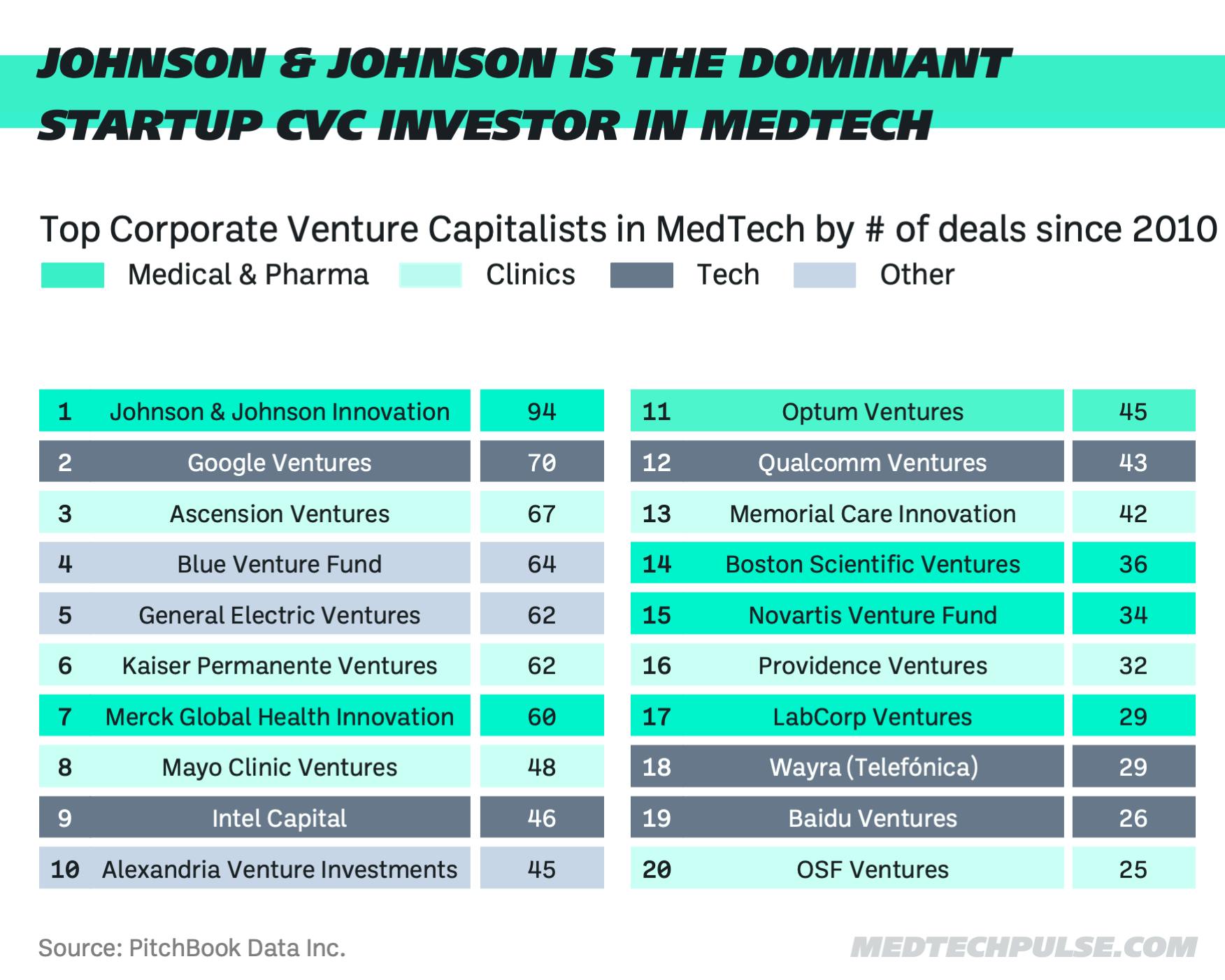
- Corporate Investors: Large healthcare companies, such as Johnson & Johnson or Medtronic, that invest in startups to access innovative technologies.
- Angel Investors: High-net-worth individuals who provide early-stage funding and mentorship.
Challenges in MedTech Venture Capital
Investing in MedTech comes with unique challenges due to the highly regulated nature of the industry and the long development timelines. Some of the primary challenges include:
- Regulatory Hurdles: Navigating FDA approvals and other regulatory requirements can be time-consuming and costly.
- High Risk: Many MedTech innovations fail during clinical trials or face market adoption issues.
- Long ROI Timelines: Investors often wait years before seeing a return on their investment due to the lengthy development and approval processes.
What is venture capital in healthcare?

What is Venture Capital in Healthcare?
Venture capital in healthcare refers to the investment of funds into early-stage, high-potential, and often high-risk healthcare companies by investors known as venture capitalists. These investments are typically made in startups or growing companies that are developing innovative medical technologies, pharmaceuticals, biotechnology, digital health solutions, or other healthcare-related products and services. The goal is to support the growth of these companies in exchange for equity, with the expectation of significant financial returns once the company succeeds or goes public.
Why is Venture Capital Important in Healthcare?
Venture capital plays a critical role in the healthcare industry by providing the necessary funding for innovation and development. Here are some key reasons:
- Funding Innovation: Many healthcare startups lack the resources to bring groundbreaking ideas to market. Venture capital bridges this gap.
- Accelerating Growth: It enables faster development and scaling of new technologies and treatments.
- Risk Mitigation: Investors absorb the financial risk, allowing companies to focus on research and development.
How Does Venture Capital Work in Healthcare?
Venture capital in healthcare operates through a structured process:
- Identification: Investors identify promising healthcare startups with innovative solutions.
- Due Diligence: Thorough evaluation of the company’s potential, team, and market opportunity.
- Investment: Funds are provided in exchange for equity or ownership stakes.
- Support: Investors often provide mentorship, strategic guidance, and networking opportunities.
- Exit Strategy: Investors aim to exit through an IPO, acquisition, or merger to realize returns.
Key Sectors in Healthcare Venture Capital
Venture capital in healthcare targets several key sectors:
- Biotechnology: Companies developing new drugs, therapies, or genetic engineering solutions.
- Medical Devices: Startups creating advanced diagnostic tools or surgical equipment.
- Digital Health: Innovations in telemedicine, health apps, and wearable technology.
- Pharmaceuticals: Firms focused on drug discovery and development.
- Healthcare Services: Companies improving patient care delivery and operational efficiency.
Challenges in Healthcare Venture Capital
Investing in healthcare startups comes with unique challenges:
- Regulatory Hurdles: Strict regulations can delay product approvals and increase costs.
- High Risk: Many healthcare innovations fail during clinical trials or market entry.
- Long Development Cycles: It can take years for a product to reach the market and generate revenue.
- Capital Intensity: Healthcare startups often require significant funding for research and trials.
- Market Uncertainty: Changes in healthcare policies or market demand can impact success.
Frequently Asked Questions (FAQs)
Which venture capital firms are known for investing heavily in bio med and healthcare companies?
Several venture capital firms have established themselves as key players in the bio med and healthcare sectors. Firms like Andreessen Horowitz, Khosla Ventures, and Flagship Pioneering are renowned for their significant investments in innovative healthcare startups. These firms often focus on cutting-edge technologies, such as biotechnology, digital health, and medical devices, aiming to revolutionize the industry. Additionally, Sequoia Capital and New Enterprise Associates (NEA) have also made substantial contributions to the growth of healthcare companies through strategic funding and mentorship.
What criteria do venture capital firms use when investing in bio med and healthcare startups?
Venture capital firms typically evaluate bio med and healthcare startups based on several key criteria. These include the innovation and uniqueness of the technology or solution, the experience and expertise of the founding team, and the potential for market disruption. Additionally, firms assess the regulatory pathway and the likelihood of achieving FDA approval or other necessary certifications. The scalability of the business model and the potential for a high return on investment are also critical factors. Firms like Atlas Venture and OrbiMed are particularly known for their rigorous due diligence processes in these areas.
How do venture capital firms support bio med and healthcare companies beyond funding?
Beyond providing financial support, venture capital firms offer a range of resources to help bio med and healthcare companies succeed. This includes strategic guidance on business development, access to industry networks, and assistance with regulatory compliance. Many firms also provide mentorship from experienced entrepreneurs and executives in the healthcare sector. For example, Polaris Partners and 5AM Ventures are known for their hands-on approach, often taking board seats and actively participating in the strategic direction of their portfolio companies. This comprehensive support helps startups navigate the complex healthcare landscape and accelerate their growth.
What are some notable bio med and healthcare companies funded by venture capital firms?
Several notable companies in the bio med and healthcare sectors have been funded by venture capital firms. For instance, Moderna, a leader in mRNA technology, received early funding from Flagship Pioneering. Similarly, 23andMe, a pioneer in direct-to-consumer genetic testing, was backed by Google Ventures and Sequoia Capital. Another example is Guardant Health, which focuses on cancer diagnostics and was supported by Khosla Ventures and OrbiMed. These companies exemplify the transformative impact that venture capital can have in bringing innovative healthcare solutions to market.
Leave a Reply
Our Recommended Articles