
What Are the Advantages and Disadvantages of Using Venture Capital as a Source of Financing Business


Venture capital (VC) has become a popular financing option for startups and growing businesses seeking to scale their operations. By providing substantial funding and strategic support, venture capitalists enable companies to accelerate growth, innovate, and enter new markets. However, this form of financing comes with its own set of challenges, including the potential loss of control and pressure to deliver rapid returns. Understanding the advantages and disadvantages of venture capital is crucial for entrepreneurs deciding whether it aligns with their business goals. This article explores the key benefits and drawbacks of using venture capital as a source of funding, offering insights to help businesses make informed decisions.
- What Are the Advantages and Disadvantages of Using Venture Capital as a Source of Financing Business
- What are the advantages and disadvantages of venture capital as a source of finance?
- What are the advantages of venture capital business?
- What are the advantages and disadvantages of owner capital source of finance?
- Why is venture capital a better source of finance than a bank loan?
- Frequently Asked Questions by our Community
What Are the Advantages and Disadvantages of Using Venture Capital as a Source of Financing Business
Venture capital (VC) is a form of financing where investors provide capital to startups or small businesses with high growth potential in exchange for equity. While it can be a powerful tool for scaling businesses, it also comes with its own set of challenges. Below, we explore the advantages and disadvantages of using venture capital as a source of financing.
See Also What Are the Benefits of Venture Capital?
1. Access to Significant Capital
One of the most significant advantages of venture capital is the access to substantial funding. Unlike traditional loans, venture capital can provide large sums of money that allow businesses to scale quickly. This is particularly beneficial for startups that require significant upfront investment in technology, research, or market expansion.
2. Expertise and Mentorship
Venture capitalists often bring more than just money to the table. They provide expertise, mentorship, and industry connections that can be invaluable for a growing business. Their experience in scaling companies can help entrepreneurs avoid common pitfalls and make informed decisions.
See Also What Are the Downsides of Being a Venture Capitalist?
3. Loss of Equity and Control
A major disadvantage of venture capital is the loss of equity. Investors typically require a significant share of the company, which can dilute the founder's ownership. Additionally, venture capitalists may demand a say in business decisions, leading to a loss of control over the company's direction.
4. High Expectations and Pressure
Venture capitalists invest with the expectation of high returns. This can create immense pressure on the business to grow rapidly and achieve profitability. The focus on short-term gains may sometimes conflict with the founder's long-term vision for the company.
See Also Are Cfa Programs Useful to Aspiring Vcs What Percentage of Their Curriculum Intersects With Venture Capital Body of Knowledge Vcbok My Term
5. Potential for Misaligned Interests
The interests of venture capitalists and entrepreneurs may not always align. While founders may prioritize long-term growth and innovation, investors might focus on exit strategies such as an IPO or acquisition. This misalignment can lead to conflicts and impact the company's strategic direction.
| Advantages | Disadvantages |
|---|---|
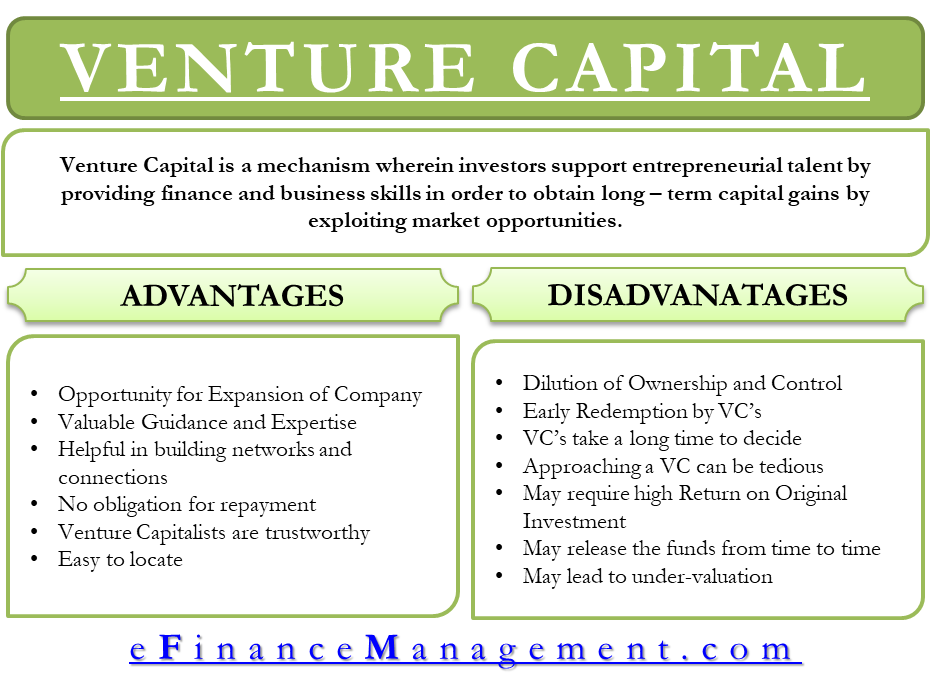
| Access to significant capital | Loss of equity and control |
| Expertise and mentorship | High expectations and pressure |
| Industry connections | Potential for misaligned interests |
What are the advantages and disadvantages of venture capital as a source of finance?
 As a New Business What Are the Odds of Getting Venture Capital Funding
Advantages of Venture Capital as a Source of Finance
Venture capital offers several benefits for startups and growing businesses:
- Access to Large Amounts of Capital: Venture capitalists provide significant funding, enabling businesses to scale quickly and invest in innovation.
- Expertise and Mentorship: Venture capitalists often bring industry knowledge, strategic guidance, and networking opportunities to help businesses succeed.
- No Repayment Obligations: Unlike loans, venture capital does not require monthly repayments, reducing financial pressure on the business.
- Credibility and Validation: Securing venture capital can enhance a company's reputation, making it easier to attract customers, partners, and additional investors.
- Flexible Use of Funds: Businesses can use venture capital for various purposes, such as product development, marketing, or hiring talent.
Disadvantages of Venture Capital as a Source of Finance
Despite its benefits, venture capital also has notable drawbacks:
- Loss of Equity and Control: Venture capitalists typically require equity stakes, which dilutes the founder's ownership and may reduce their decision-making power.
- High Expectations and Pressure: Investors often expect rapid growth and high returns, which can lead to stress and risky business decisions.
- Lengthy and Complex Process: Securing venture capital can be time-consuming and requires extensive due diligence, pitches, and negotiations.
- Potential for Misaligned Goals: Investors may prioritize short-term profits over the long-term vision of the founders, leading to conflicts.
- Limited Availability: Venture capital is highly competitive and often inaccessible to businesses in less attractive industries or regions.
When is Venture Capital Suitable?
Venture capital is ideal for specific scenarios:
- High-Growth Startups: Businesses with scalable models and significant market potential are more likely to attract venture capital.
- Innovative Industries: Sectors like technology, biotech, and clean energy are favored by venture capitalists due to their high-growth prospects.
- Founders Willing to Share Control: Entrepreneurs who are open to collaboration and external input may benefit from venture capital partnerships.
Alternatives to Venture Capital
For businesses that may not qualify for venture capital, other financing options include:
- Bootstrapping: Self-funding allows founders to retain full control but may limit growth potential.
- Angel Investors: Individual investors provide smaller amounts of capital with less stringent requirements.
- Crowdfunding: Platforms like Kickstarter allow businesses to raise funds from a large number of small investors.
- Bank Loans: Traditional loans offer fixed repayment terms but require collateral and creditworthiness.
- Grants and Subsidies: Government or nonprofit funding can support specific projects without equity dilution.
Key Considerations Before Seeking Venture Capital
Before pursuing venture capital, businesses should evaluate the following:
- Alignment with Investor Goals: Ensure that the investor's vision aligns with the company's long-term objectives.
- Equity Dilution Impact: Assess how much ownership the business is willing to give up and its implications.
- Growth Potential: Determine if the business has the scalability and market opportunity to meet investor expectations.
- Exit Strategy: Understand the investor's expectations regarding timelines and methods for exiting the investment.
- Legal and Financial Preparedness: Be ready for rigorous due diligence and ensure all legal and financial documents are in order.
What are the advantages of venture capital business?
Access to Significant Funding
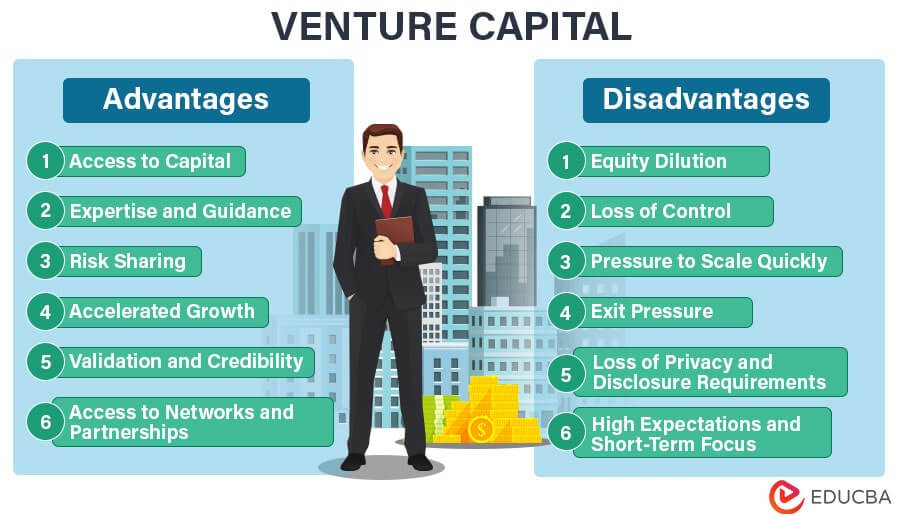
One of the primary advantages of venture capital is the access to significant funding that it provides. This type of funding is crucial for startups and growing businesses that require substantial capital to scale their operations. Venture capitalists are willing to invest large sums of money in exchange for equity, which can be a game-changer for businesses with high growth potential.
- Large capital injections enable rapid scaling and expansion.
- Funding is often provided in multiple rounds, allowing for sustained growth.
- Venture capital can cover various expenses, including R&D, marketing, and hiring.
Expertise and Mentorship
Venture capitalists bring more than just money to the table; they also offer expertise and mentorship. Many venture capitalists have extensive experience in the industry and can provide valuable guidance to help businesses navigate challenges and make informed decisions.
- Access to a network of industry experts and advisors.
- Strategic advice on business planning, market entry, and scaling.
- Mentorship from seasoned entrepreneurs and executives.
Networking Opportunities
Another significant advantage of venture capital is the networking opportunities it provides. Venture capitalists often have extensive networks that can open doors to potential partners, customers, and even future investors.
- Introduction to key industry players and stakeholders.
- Opportunities for partnerships and collaborations.
- Access to a broader customer base through network connections.
Increased Credibility
Securing venture capital can significantly enhance a company's credibility. Being backed by reputable venture capitalists can serve as a strong endorsement, making it easier to attract additional investors, partners, and customers.
- Enhanced reputation and trustworthiness in the market.
- Easier access to additional funding rounds.
- Increased attractiveness to top talent and strategic partners.
Flexibility in Use of Funds
Venture capital offers flexibility in the use of funds, allowing businesses to allocate resources where they are most needed. Unlike traditional loans, venture capital does not come with stringent restrictions on how the money should be spent.
- Freedom to invest in critical areas such as product development and market expansion.
- No immediate pressure to generate profits, allowing for long-term planning.
- Ability to pivot and adapt strategies based on market conditions.
What are the advantages and disadvantages of owner capital source of finance?
Advantages of Owner Capital as a Source of Finance
Owner capital, also known as equity financing, offers several benefits for businesses:
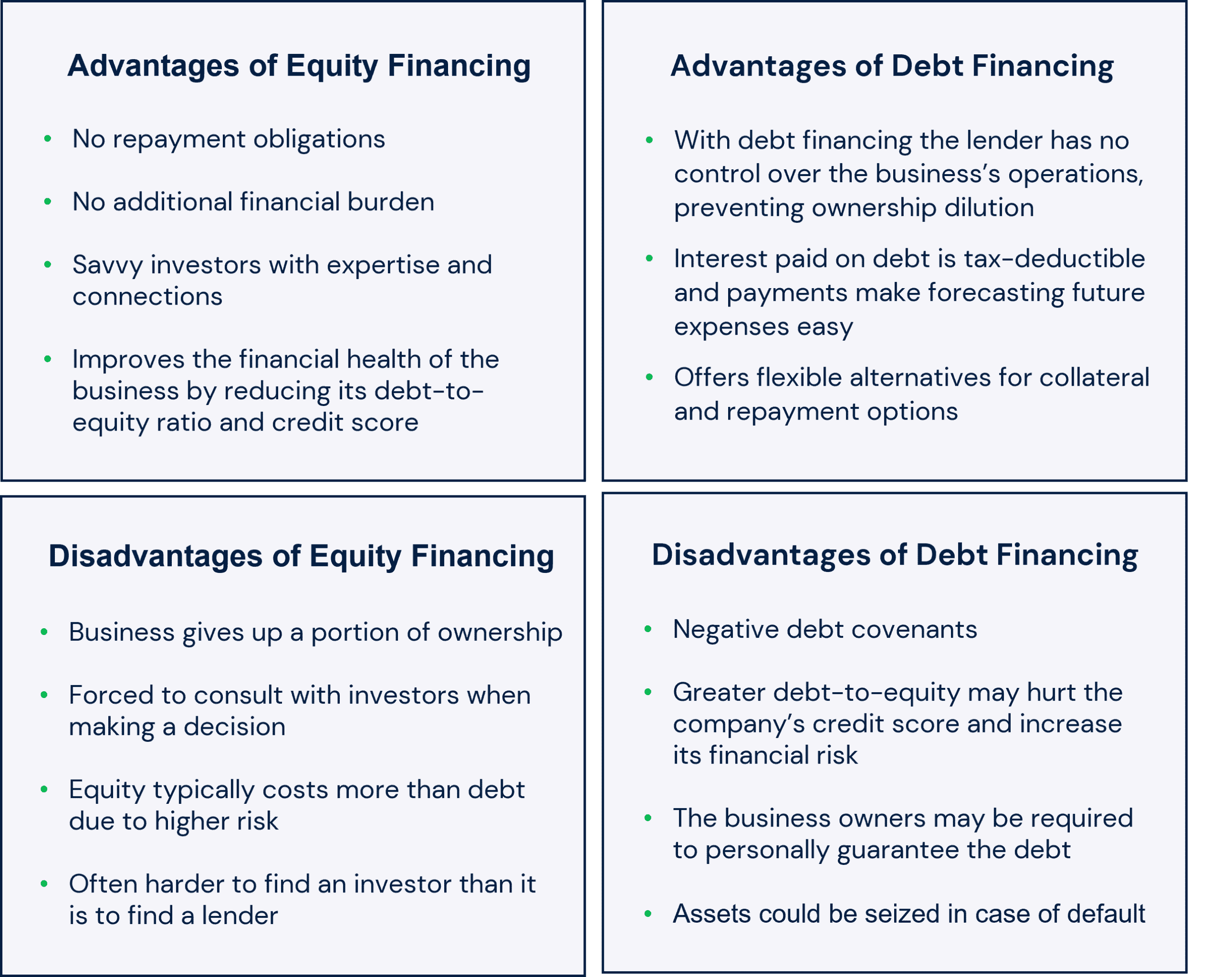
- No Repayment Obligation: Unlike loans, owner capital does not require repayment, reducing financial pressure on the business.
- Full Control: The owner retains complete control over business decisions without interference from external investors.
- No Interest Payments: Since it is not a loan, there are no interest payments, which can improve cash flow.
- Flexibility: Funds can be used for any business purpose, providing flexibility in managing operations.
- Credibility: Using owner capital can enhance the business's credibility, as it demonstrates the owner's commitment and confidence in the venture.
Disadvantages of Owner Capital as a Source of Finance
Despite its benefits, owner capital also has some drawbacks:
- Limited Funds: The amount of capital is limited to the owner's personal resources, which may not be sufficient for large-scale projects.
- Personal Financial Risk: The owner bears all the financial risk, which can lead to personal financial strain if the business fails.
- Opportunity Cost: Investing personal funds in the business means missing out on other potential investment opportunities.
- No Tax Benefits: Unlike debt financing, owner capital does not offer tax-deductible interest payments.
- Growth Constraints: Limited capital may restrict the business's ability to expand or take advantage of new opportunities.
Impact on Business Growth
Owner capital can significantly influence a business's growth trajectory:
- Slow Growth: Limited funds may result in slower growth compared to businesses with access to external financing.
- Self-Sufficiency: Relying on owner capital encourages self-sufficiency and careful financial management.
- Reinvestment: Profits can be reinvested into the business without the need to repay external debts.
Risk Management with Owner Capital
Using owner capital involves specific risk management considerations:
- Personal Liability: The owner is personally liable for any business losses, which can affect personal assets.
- Diversification: Investing all personal funds into the business limits diversification, increasing financial vulnerability.
- Contingency Planning: Owners must have contingency plans to manage potential financial shortfalls.
Comparison with Other Financing Options
Owner capital differs from other financing methods in several ways:
- Debt Financing: Unlike loans, owner capital does not require repayment or interest, but it also lacks tax benefits.
- Equity Financing: Owner capital avoids dilution of ownership, unlike equity financing where external investors gain a stake in the business.
- Bootstrapping: Owner capital is a form of bootstrapping, emphasizing self-funding and minimizing external dependencies.
Why is venture capital a better source of finance than a bank loan?

Flexibility in Funding
Venture capital offers flexibility in funding that bank loans typically cannot provide. Unlike bank loans, which require fixed repayment schedules and collateral, venture capital investments are tailored to the needs of the business. This flexibility allows startups to focus on growth rather than immediate repayment.
- No fixed repayment schedules: Startups can reinvest profits into growth without the pressure of monthly repayments.
- No collateral required: Unlike bank loans, venture capital does not require physical assets as security.
- Customized funding: Investors can provide additional rounds of funding as the business scales.
Access to Expertise and Networks
Venture capitalists bring more than just money; they provide expertise and access to valuable networks. This can be crucial for startups looking to scale quickly and efficiently.
- Mentorship: Investors often have experience in the industry and can offer guidance.
- Strategic partnerships: Access to a network of potential partners, customers, and suppliers.
- Operational support: Assistance with hiring, marketing, and other critical business functions.
Risk Sharing
Venture capital involves risk sharing, which is beneficial for startups. Unlike bank loans, where the borrower bears all the risk, venture capitalists share the risk with the entrepreneur.
- Aligned interests: Investors are motivated to see the business succeed as their returns depend on it.
- No personal liability: Entrepreneurs are not personally liable for the investment if the business fails.
- Long-term focus: Investors are willing to wait for returns, allowing the business to focus on long-term growth.
No Debt Burden
One of the most significant advantages of venture capital is that it does not create a debt burden for the company. This is particularly important for startups that may not have steady cash flow initially.
- Equity financing: Funds are provided in exchange for equity, not as a loan.
- No interest payments: Unlike bank loans, there are no interest payments, which can be a significant financial relief.
- Cash flow management: Startups can manage their cash flow more effectively without the pressure of loan repayments.
Potential for Higher Returns
Venture capital has the potential for higher returns compared to traditional bank loans. This is because investors are willing to take on higher risk for the possibility of substantial rewards.
- Equity appreciation: Investors benefit from the growth in the value of the company.
- Exit strategies: Potential for lucrative exits through IPOs or acquisitions.
- Scalability: Venture capital enables rapid scaling, which can lead to exponential growth and returns.
Frequently Asked Questions by our Community
What are the main advantages of using venture capital for business financing?
Venture capital offers several significant advantages for businesses. First, it provides access to substantial funding that might not be available through traditional loans or personal savings. This can be particularly beneficial for startups and high-growth companies that require large amounts of capital to scale quickly. Additionally, venture capitalists often bring valuable expertise, industry connections, and mentorship to the table, which can help businesses navigate challenges and accelerate growth. Another advantage is that venture capital does not require immediate repayment, unlike loans, which can ease cash flow pressures during the early stages of a business.
What are the potential disadvantages of relying on venture capital?
While venture capital can be a powerful funding source, it also comes with notable drawbacks. One major disadvantage is the loss of equity and control. Venture capitalists typically require a significant ownership stake in the company, which can dilute the founder's share and reduce their decision-making power. Additionally, the pressure to deliver high returns can lead to aggressive growth strategies that may not align with the founder's vision or long-term goals. There is also the risk of misaligned interests, as venture capitalists may prioritize short-term gains over sustainable growth.
How does venture capital differ from other financing options?
Venture capital stands apart from other financing options like bank loans or angel investment in several ways. Unlike loans, venture capital does not require repayment with interest, but it does involve giving up a portion of equity. Compared to angel investors, venture capitalists typically invest larger sums and are more involved in the company's operations, often seeking a seat on the board. Additionally, venture capital is usually targeted at high-growth potential businesses, whereas traditional loans may be more accessible to established companies with steady revenue streams.
What types of businesses are best suited for venture capital funding?
Venture capital is particularly well-suited for businesses with high growth potential and scalable models, such as technology startups, biotech firms, and innovative consumer brands. These types of businesses often require significant upfront investment to develop products, enter markets, or expand operations. Companies that can demonstrate a clear path to rapid growth and a strong competitive advantage are more likely to attract venture capital. However, businesses with slower growth trajectories or those in less dynamic industries may find it challenging to secure venture capital funding.
Leave a Reply
Our Recommended Articles