
What Are Typical Finders Fees Vcs Are Ready to Pay for a Unique Lead on a Start Up


In the competitive world of venture capital, finding the next groundbreaking startup is both an art and a science. For those who can connect investors with unique, high-potential opportunities, finder’s fees serve as a lucrative incentive. These fees, typically a percentage of the investment or a fixed amount, vary widely depending on the deal size, industry, and the value of the lead. Understanding what VCs are willing to pay for a unique startup lead is crucial for intermediaries, advisors, and even casual connectors. This article explores the typical finder’s fee structures, factors influencing their amounts, and how to navigate this often-overlooked aspect of venture capital deals.
- What Are Typical Finders Fees VCs Are Ready to Pay for a Unique Lead on a Startup?
- What is a good finder's fee percentage?
- What is a typical acquisition finders fee?
- What is the typical fee structure for venture capital?
- What is the standard referral fee for contractors?
- Frequently Asked Questions by our Community
What Are Typical Finders Fees VCs Are Ready to Pay for a Unique Lead on a Startup?
Understanding the Concept of Finder's Fees in Venture Capital
Finder's fees, also known as referral fees, are payments made to individuals or entities that introduce a promising startup to a venture capital (VC) firm. These fees are typically a percentage of the total investment made by the VC firm in the startup. The purpose of these fees is to incentivize individuals to bring high-quality, unique leads to the attention of VCs, who are always on the lookout for the next big opportunity.
See Also What Percent of Venture Capital Funds Fail?
Typical Percentage Range for Finder's Fees
The percentage of finder's fees can vary widely depending on the size of the investment and the relationship between the parties involved. Generally, finder's fees range from 1% to 5% of the total investment. However, in some cases, especially for smaller deals or when the lead is particularly valuable, the fee can be higher. It's important to note that these fees are often negotiated on a case-by-case basis.
Factors Influencing the Amount of Finder's Fees
Several factors can influence the amount of finder's fees that VCs are willing to pay. These include the stage of the startup (early-stage vs. late-stage), the potential return on investment, the uniqueness of the lead, and the reputation of the person or entity providing the lead. Additionally, the size of the investment and the competitive landscape can also play a role in determining the fee.
See Also How Are Hours Like When You Work for a Vc is There a Work Life Balance
Legal and Ethical Considerations in Finder's Fees
While finder's fees are a common practice in the venture capital world, they must be handled with care to avoid any legal or ethical issues. It's crucial to ensure that all parties involved are aware of and agree to the terms of the fee. Additionally, some jurisdictions have specific regulations regarding finder's fees, so it's important to consult with legal counsel to ensure compliance.
Examples of Finder's Fees in Real-World Scenarios
To better understand how finder's fees work in practice, let's look at a few examples:
See Also What Does a Series 1 Financing/funding Mean?
| Scenario | Investment Amount | Finder's Fee Percentage | Finder's Fee Amount |
|---|---|---|---|
| Early-stage startup with high potential | $1,000,000 | 3% | $30,000 |
| Late-stage startup with proven track record | $5,000,000 | 2% | $100,000 |
| Unique lead with significant competitive advantage | $10,000,000 | 5% | $500,000 |
These examples illustrate how the finder's fee can vary based on the specifics of the deal. In each case, the fee is a reflection of the value that the lead brings to the VC firm.
What is a good finder's fee percentage?
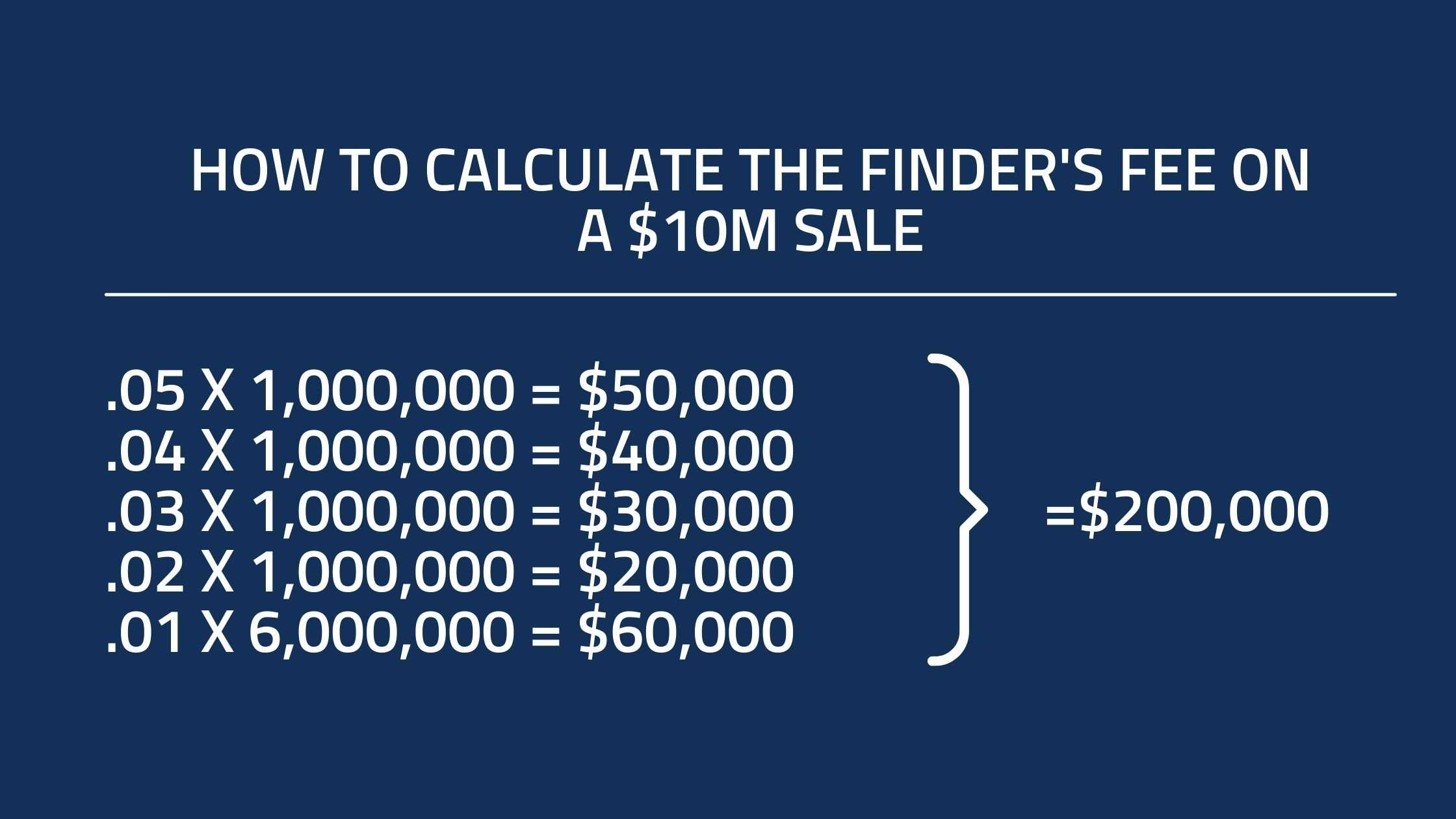
What is a Good Finder's Fee Percentage?
A finder's fee percentage typically ranges between 5% and 35% of the total transaction value, depending on the industry, the complexity of the deal, and the value of the connection provided. For example:
- Real Estate: Finder's fees often range from 5% to 10% of the property sale price.
- Business Deals: For introducing investors or clients, fees can go up to 15% to 20%.
- High-Value Transactions: In industries like mergers and acquisitions, fees can reach 25% to 35% due to the high stakes involved.
Factors Influencing Finder's Fee Percentage
Several factors determine the appropriate finder's fee percentage:
- Industry Standards: Different industries have varying norms for finder's fees.
- Transaction Size: Larger deals may justify a lower percentage due to the higher absolute value.
- Relationship Value: The importance of the connection provided can significantly impact the fee.
How to Negotiate a Finder's Fee
Negotiating a finder's fee requires clear communication and understanding of the deal's value. Consider the following steps:
- Define the Scope: Clearly outline what the finder is responsible for.
- Set a Percentage: Agree on a percentage that reflects the effort and value provided.
- Put It in Writing: Formalize the agreement to avoid disputes later.
Legal Considerations for Finder's Fees
When setting a finder's fee, it's crucial to consider legal implications:
- Licensing Requirements: Some industries require finders to hold specific licenses.
- Contractual Agreements: Ensure the fee structure is documented in a legally binding contract.
- Compliance: Verify that the fee complies with local laws and regulations.
Examples of Finder's Fee Structures
Here are some common finder's fee structures used in various industries:
- Flat Fee: A fixed amount paid regardless of the transaction size.
- Percentage-Based: A percentage of the total deal value, as discussed earlier.
- Hybrid Model: A combination of a flat fee and a percentage, often used in complex deals.
What is a typical acquisition finders fee?
What is a Typical Acquisition Finder's Fee?
A typical acquisition finder's fee is a commission paid to an intermediary or broker who facilitates the purchase or sale of a business or asset. This fee is usually calculated as a percentage of the total transaction value and can vary depending on the industry, deal size, and complexity. Common ranges for finder's fees are between 1% to 5% of the transaction value, though this can be higher or lower based on specific agreements.
Factors Influencing the Finder's Fee Percentage
The percentage of a finder's fee can vary based on several factors:
- Deal Size: Larger transactions may have lower percentage fees due to the higher total value.
- Industry Standards: Certain industries have established norms for finder's fees.
- Complexity of the Deal: More complex transactions may warrant higher fees due to the additional effort required.
How is the Finder's Fee Structured?
Finder's fees can be structured in different ways depending on the agreement between the parties:
- Flat Fee: A fixed amount agreed upon regardless of the transaction value.
- Percentage-Based Fee: A percentage of the total deal value, often ranging from 1% to 5%.
- Tiered Fee: A fee structure that changes based on milestones or thresholds in the deal.
Legal Considerations for Finder's Fees
When negotiating a finder's fee, it is important to consider legal aspects:
- Written Agreement: Always document the fee structure in a legally binding contract.
- Compliance: Ensure the fee arrangement complies with local laws and regulations.
- Disclosure: Be transparent about the fee to all parties involved in the transaction.
Negotiating a Finder's Fee
Negotiating a finder's fee requires careful consideration of several factors:
- Market Research: Understand typical fees in your industry or region.
- Value Proposition: Highlight the unique value you bring to the transaction.
- Flexibility: Be open to adjusting the fee structure based on the client's needs.
What is the typical fee structure for venture capital?
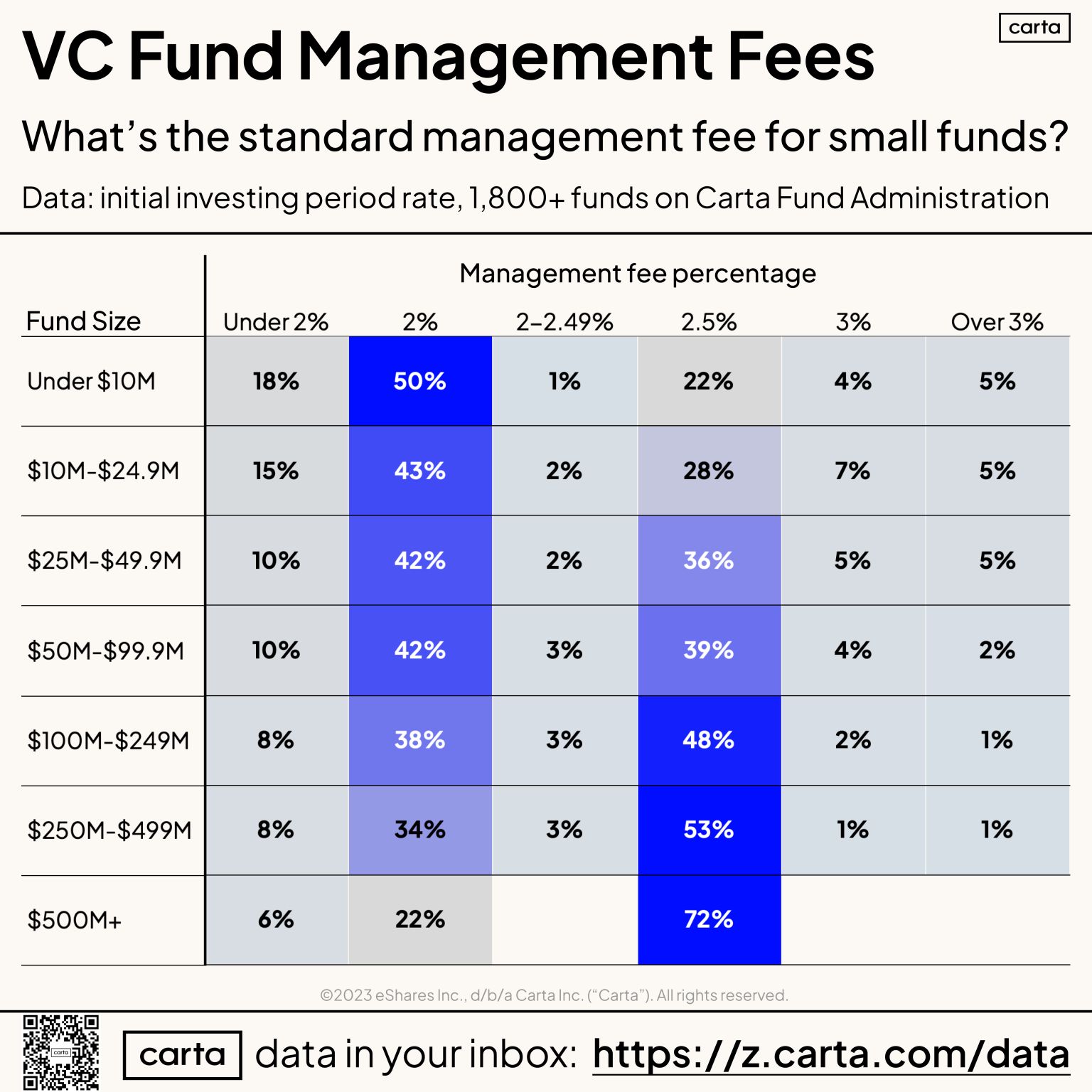
Management Fees in Venture Capital
Venture capital firms typically charge management fees to cover operational costs. These fees are calculated as a percentage of the total committed capital and are usually around 2% annually. The fee structure may vary depending on the size of the fund and the firm's policies.
- Management fees are paid annually or quarterly.
- They are based on the total committed capital of the fund.
- Fees may decrease as the fund matures or after the investment period ends.
Carried Interest in Venture Capital
Carried interest is the share of profits that venture capital firms earn from successful investments. It is typically around 20% of the fund's profits, while the remaining 80% goes to the limited partners (investors). This aligns the interests of the firm with those of the investors.
- Carried interest is only earned after returning the initial capital to investors.
- It is subject to a hurdle rate, ensuring investors receive a minimum return first.
- This fee structure incentivizes venture capital firms to maximize returns.
Hurdle Rates and Preferred Returns
Many venture capital funds implement a hurdle rate or preferred return before carried interest is paid. This ensures that investors receive a minimum return, often around 6-8% annually, before the venture capital firm takes its share of profits.
- Hurdle rates protect investors by prioritizing their returns.
- They are calculated based on the committed capital.
- If the hurdle rate is not met, the venture capital firm may not earn carried interest.
Clawback Provisions
Clawback provisions are contractual terms that ensure fairness in profit distribution. If the venture capital firm receives more carried interest than it should due to early high returns, the excess must be returned to investors. This provision protects investors from overpayment.
- Clawback provisions are triggered if profits are redistributed incorrectly.
- They ensure that carried interest aligns with the final performance of the fund.
- These provisions are often included in the fund's limited partnership agreement.
Other Fees and Expenses
In addition to management fees and carried interest, venture capital funds may charge other fees, such as transaction fees or monitoring fees. These fees cover costs related to deal sourcing, due diligence, and portfolio management. They are usually disclosed in the fund's offering documents.
- Transaction fees are charged for executing deals or investments.
- Monitoring fees are levied for ongoing oversight of portfolio companies.
- These fees are often negotiated and may vary between funds.
What is the standard referral fee for contractors?

Understanding Referral Fees in Contracting
Referral fees are payments made to individuals or businesses for recommending a contractor's services. In the contracting industry, these fees are common and can vary widely depending on the type of work, the relationship between the parties, and the value of the contract. Typically, referral fees range from 5% to 20% of the total contract value. However, there is no universal standard, and the exact percentage is often negotiated between the parties involved.
- 5% to 10%: Common for smaller projects or one-time referrals.
- 10% to 15%: Typical for medium-sized projects or ongoing partnerships.
- 15% to 20%: Often seen in high-value contracts or specialized industries.
Factors Influencing Referral Fees
Several factors can influence the percentage of a referral fee in the contracting industry. These include the complexity of the project, the level of trust between the referrer and the contractor, and the potential for future business. Additionally, the type of service being referred and the geographic location can also play a role in determining the fee.
- Project Complexity: More complex projects may warrant higher referral fees.
- Relationship: Established relationships often lead to lower fees due to trust.
- Future Business: Potential for repeat business can reduce the referral fee percentage.
Legal Considerations for Referral Fees
It's important to be aware of the legal implications of referral fees in contracting. In some jurisdictions, there are specific regulations governing how referral fees can be structured and paid. For example, some states in the U.S. require that referral fees be disclosed to the client, while others may have caps on the percentage that can be charged.
- Disclosure Requirements: Some regions mandate that referral fees be disclosed to clients.
- Percentage Caps: Certain areas may limit the maximum percentage that can be charged as a referral fee.
- Contractual Agreements: Always ensure that referral fees are clearly outlined in a written contract.
Negotiating Referral Fees
Negotiating referral fees is a common practice in the contracting industry. Both parties should come to the table with a clear understanding of the value being provided and the expectations for the referral. It's important to consider the long-term relationship and the potential for future business when negotiating these fees.
- Value Proposition: Clearly articulate the value you bring to the table.
- Long-Term Relationship: Consider the potential for future business when setting the fee.
- Flexibility: Be open to negotiation to reach a mutually beneficial agreement.
Common Practices in Different Industries
Referral fees can vary significantly across different industries within the contracting world. For example, in construction, referral fees might be lower due to the high volume of work, while in specialized fields like IT consulting, fees could be higher due to the niche expertise required.
- Construction: Typically lower fees due to high project volumes.
- IT Consulting: Higher fees due to specialized knowledge and expertise.
- Home Renovation: Moderate fees, often influenced by the scope of the project.
Frequently Asked Questions by our Community
What is a typical finder's fee for a unique lead on a startup?
A typical finder's fee for a unique lead on a startup can vary widely depending on the industry, the stage of the startup, and the potential value of the deal. In many cases, venture capitalists (VCs) are willing to pay a finder's fee ranging from 1% to 5% of the total investment amount. For example, if a VC invests $1 million in a startup based on your lead, you could earn between $10,000 and $50,000. However, these percentages are not set in stone and can be negotiated based on the uniqueness and quality of the lead.
How do VCs determine the amount of a finder's fee?
VCs determine the amount of a finder's fee based on several factors, including the potential return on investment (ROI), the stage of the startup, and the complexity of the deal. Early-stage startups might command a higher fee due to the higher risk involved, while more established startups might offer a lower percentage. Additionally, VCs may consider the exclusivity of the lead and whether the introduction was instrumental in closing the deal. The fee is often agreed upon in advance and documented in a formal agreement to avoid any misunderstandings.
Are finder's fees negotiable when dealing with VCs?
Yes, finder's fees are often negotiable when dealing with VCs. The final amount can depend on the relationship between the parties, the perceived value of the lead, and the overall terms of the investment. It's not uncommon for intermediaries to negotiate a higher fee if they believe the lead is particularly valuable or if they have a strong track record of successful introductions. However, it's important to approach these negotiations professionally and be prepared to justify the requested fee with concrete examples of the lead's potential.
What are the legal considerations when arranging a finder's fee with a VC?
When arranging a finder's fee with a VC, it's crucial to consider the legal implications to ensure that all parties are protected. This includes drafting a formal agreement that outlines the terms of the fee, the conditions under which it will be paid, and any confidentiality clauses. It's also important to ensure that the arrangement complies with securities laws, as some jurisdictions have strict regulations regarding the payment of fees for introducing investors to startups. Consulting with a legal professional experienced in venture capital transactions can help mitigate any potential risks and ensure that the agreement is enforceable.
Leave a Reply
Our Recommended Articles