
What Percent of Venture Capital Funds Fail?

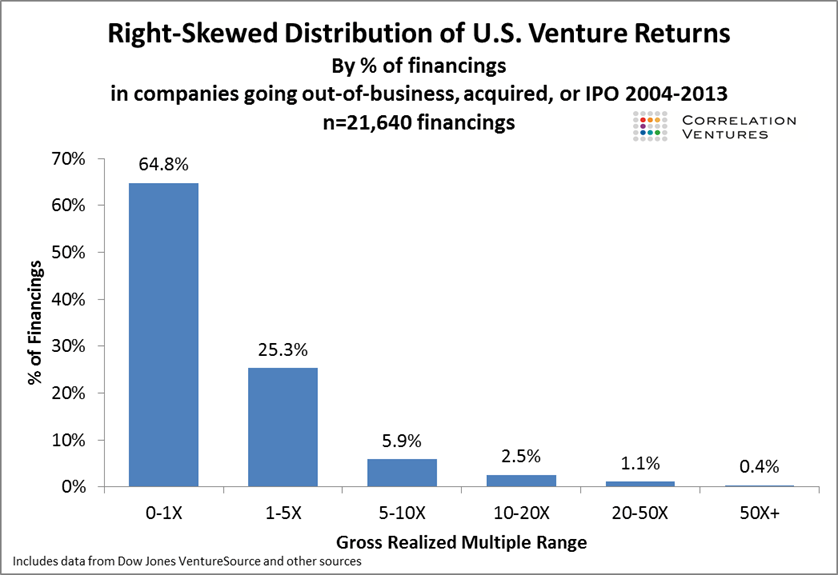
Venture capital (VC) funds play a pivotal role in fueling innovation and supporting startups with high growth potential. However, the high-risk nature of these investments raises an important question: what percentage of venture capital funds actually fail? While VC is often associated with groundbreaking success stories, the reality is that many funds do not achieve their expected returns or even lose money. Understanding the failure rate of venture capital funds provides valuable insights into the risks and challenges inherent in this asset class. This article explores the factors contributing to VC fund failures, industry benchmarks, and what these statistics mean for investors and entrepreneurs alike.
What Percent of Venture Capital Funds Fail?
Venture capital (VC) funds are known for their high-risk, high-reward nature. While they can generate substantial returns, a significant percentage of these funds fail to meet their objectives. Understanding the failure rate of venture capital funds is crucial for investors, entrepreneurs, and stakeholders in the startup ecosystem. This article delves into the statistics, reasons, and implications of VC fund failures.
See AlsoWhat is the Average Irr Achieved by Venture Capital Funds?Understanding Venture Capital Fund Failure Rates
Venture capital funds typically have a failure rate of 30% to 40%, meaning that a substantial portion of these funds do not return the initial capital to their investors. This high failure rate is attributed to the inherently risky nature of investing in early-stage startups, which often lack proven business models or consistent revenue streams. The failure rate can vary depending on the fund's focus, management expertise, and market conditions.
Factors Contributing to Venture Capital Fund Failures
Several factors contribute to the failure of venture capital funds. These include poor investment selection, lack of diversification, market downturns, and ineffective fund management. Additionally, external factors such as regulatory changes, technological disruptions, and economic recessions can significantly impact the performance of VC funds. Understanding these factors can help investors mitigate risks and improve decision-making.
See Also How Did Benchmark Capital Come to Be?
The Role of Fund Managers in VC Success or Failure
The expertise and experience of fund managers play a critical role in the success or failure of venture capital funds. Skilled managers can identify promising startups, negotiate favorable terms, and provide strategic guidance to portfolio companies. Conversely, inexperienced or overconfident managers may make poor investment decisions, leading to fund underperformance or failure. The track record of a fund manager is often a key consideration for limited partners (LPs) when evaluating VC funds.
How Market Conditions Impact VC Fund Performance
Market conditions significantly influence the performance of venture capital funds. During bull markets, startups may experience rapid growth, leading to higher valuations and successful exits. However, in bear markets, funding may dry up, and startups may struggle to survive, resulting in higher failure rates for VC funds. Economic cycles, industry trends, and geopolitical events all contribute to the volatility of VC fund performance.
See Also How Do Venture Capital Firms Work?
Comparing VC Fund Failure Rates Across Industries
The failure rate of venture capital funds can vary widely across different industries. For example, funds focused on technology and biotechnology may have higher failure rates due to the high costs and long development timelines associated with these sectors. In contrast, funds investing in consumer goods or software-as-a-service (SaaS) may experience lower failure rates due to more predictable revenue streams and shorter time-to-market.
| Industry | Failure Rate |
|---|---|
| Technology | 35%-45% |
| Biotechnology | 40%-50% |
| Consumer Goods | 20%-30% |
| SaaS | 25%-35% |
What is the failure rate of venture capital funds?

 How Do Venture Capitalists Make Money?
Understanding the Failure Rate of Venture Capital Funds
The failure rate of venture capital (VC) funds is a critical metric that reflects the percentage of investments that do not achieve the expected returns or fail entirely. Studies suggest that approximately 30% to 40% of venture-backed startups fail, meaning they do not return the invested capital. However, the failure rate can vary depending on the stage of investment, industry, and economic conditions. Early-stage investments, for example, tend to have higher failure rates compared to later-stage investments due to the increased uncertainty and risk associated with startups in their initial phases.
- Early-stage investments often face higher failure rates due to unproven business models and market risks.
- Industry-specific factors can influence failure rates, with sectors like technology and biotech experiencing different levels of risk.
- Economic downturns can exacerbate failure rates as funding becomes scarce and market conditions worsen.
Factors Contributing to High Failure Rates in VC Funds
Several factors contribute to the high failure rates observed in venture capital funds. These include market volatility, poor management decisions, and lack of product-market fit. Additionally, the competitive nature of the startup ecosystem means that only a small percentage of companies can achieve significant market penetration and profitability.
- Market volatility can lead to unpredictable revenue streams and funding challenges.
- Poor management decisions often result in misallocation of resources and strategic missteps.
- Lack of product-market fit is a common reason for startup failure, as it indicates that the product does not meet customer needs effectively.
How VC Funds Mitigate Failure Risks
Venture capital funds employ various strategies to mitigate the risks associated with high failure rates. These include diversification of investments, thorough due diligence, and active portfolio management. By spreading investments across multiple startups and industries, VC funds can reduce the impact of any single failure on their overall portfolio.
- Diversification helps balance the risk by investing in a range of startups with different risk profiles.
- Due diligence involves rigorous analysis of a startup's business model, team, and market potential before investing.
- Active portfolio management allows VC funds to provide ongoing support and guidance to their portfolio companies.
The Role of Exit Strategies in VC Fund Success
Exit strategies play a crucial role in determining the success or failure of venture capital investments. Common exit strategies include initial public offerings (IPOs), acquisitions, and mergers. A successful exit allows VC funds to realize returns on their investments, while a lack of viable exit options can lead to failures.
- IPOs provide an opportunity for startups to go public and offer significant returns to investors.
- Acquisitions by larger companies can provide a profitable exit for VC funds.
- Mergers can create synergies and enhance the value of the combined entities, benefiting investors.
Comparing VC Fund Failure Rates Across Regions
The failure rates of venture capital funds can vary significantly across different regions due to factors such as regulatory environments, access to capital, and market maturity. For instance, Silicon Valley, with its robust ecosystem, tends to have lower failure rates compared to emerging markets where infrastructure and support systems are less developed.
- Regulatory environments in developed markets often provide more stability and support for startups.
- Access to capital is more abundant in established VC hubs, reducing the likelihood of failure due to funding shortages.
- Market maturity in regions like the U.S. and Europe contributes to lower failure rates compared to less mature markets.
What percentage of venture-backed startups fail 25%, 50%, 60%, 75%?

What Percentage of Venture-Backed Startups Fail?
Studies and industry reports suggest that approximately 75% of venture-backed startups fail. This high failure rate is attributed to various factors, including market competition, lack of product-market fit, and insufficient funding. While some estimates may vary, the consensus is that the majority of startups do not achieve long-term success.
- Market Competition: Many startups fail because they cannot differentiate themselves in a crowded market.
- Product-Market Fit: A significant number of startups struggle to create a product that meets the needs of their target audience.
- Funding Issues: Running out of capital is a common reason for startup failure, as many cannot secure additional funding rounds.
Why Do 25% of Venture-Backed Startups Succeed?
While the failure rate is high, about 25% of venture-backed startups manage to succeed. These startups often excel in areas such as innovation, execution, and scalability. Success is typically driven by a combination of strong leadership, effective business models, and timely market entry.
- Innovation: Successful startups often bring unique solutions to the market that disrupt existing industries.
- Execution: Strong operational capabilities and efficient resource management are key to success.
- Scalability: Startups that can scale quickly and efficiently are more likely to attract further investment and grow sustainably.
What Factors Contribute to the 50% Failure Rate?
Around 50% of venture-backed startups fail due to a combination of internal and external challenges. These include poor management, lack of market demand, and inability to adapt to changing market conditions. Startups that fail often lack a clear strategy or fail to pivot when necessary.
- Poor Management: Inexperienced leadership can lead to poor decision-making and operational inefficiencies.
- Lack of Market Demand: Many startups fail because they build products that do not address a real market need.
- Inability to Adapt: Startups that cannot pivot or adjust their strategies in response to market feedback are more likely to fail.
How Does the 60% Failure Rate Impact Investors?
A 60% failure rate among venture-backed startups means that investors face significant risks when funding new ventures. However, the potential for high returns from successful startups often outweighs the risks. Investors mitigate these risks by diversifying their portfolios and conducting thorough due diligence.
- High Risk: Investors must be prepared for the possibility of losing their entire investment in a failed startup.
- High Reward: Successful startups can generate substantial returns, making venture capital an attractive investment option.
- Portfolio Diversification: Investors spread their investments across multiple startups to reduce the impact of any single failure.
What Lessons Can Be Learned from the 75% Failure Rate?
The 75% failure rate of venture-backed startups provides valuable lessons for entrepreneurs and investors alike. Key takeaways include the importance of market research, the need for strong leadership, and the value of resilience in the face of challenges.
- Market Research: Understanding the market and customer needs is crucial for developing a viable product.
- Strong Leadership: Effective leadership can guide a startup through difficult times and make critical decisions.
- Resilience: The ability to persevere and adapt is essential for overcoming the inevitable challenges of startup life.
What percentage of business ventures fail?
What Percentage of Business Ventures Fail in the First Year?
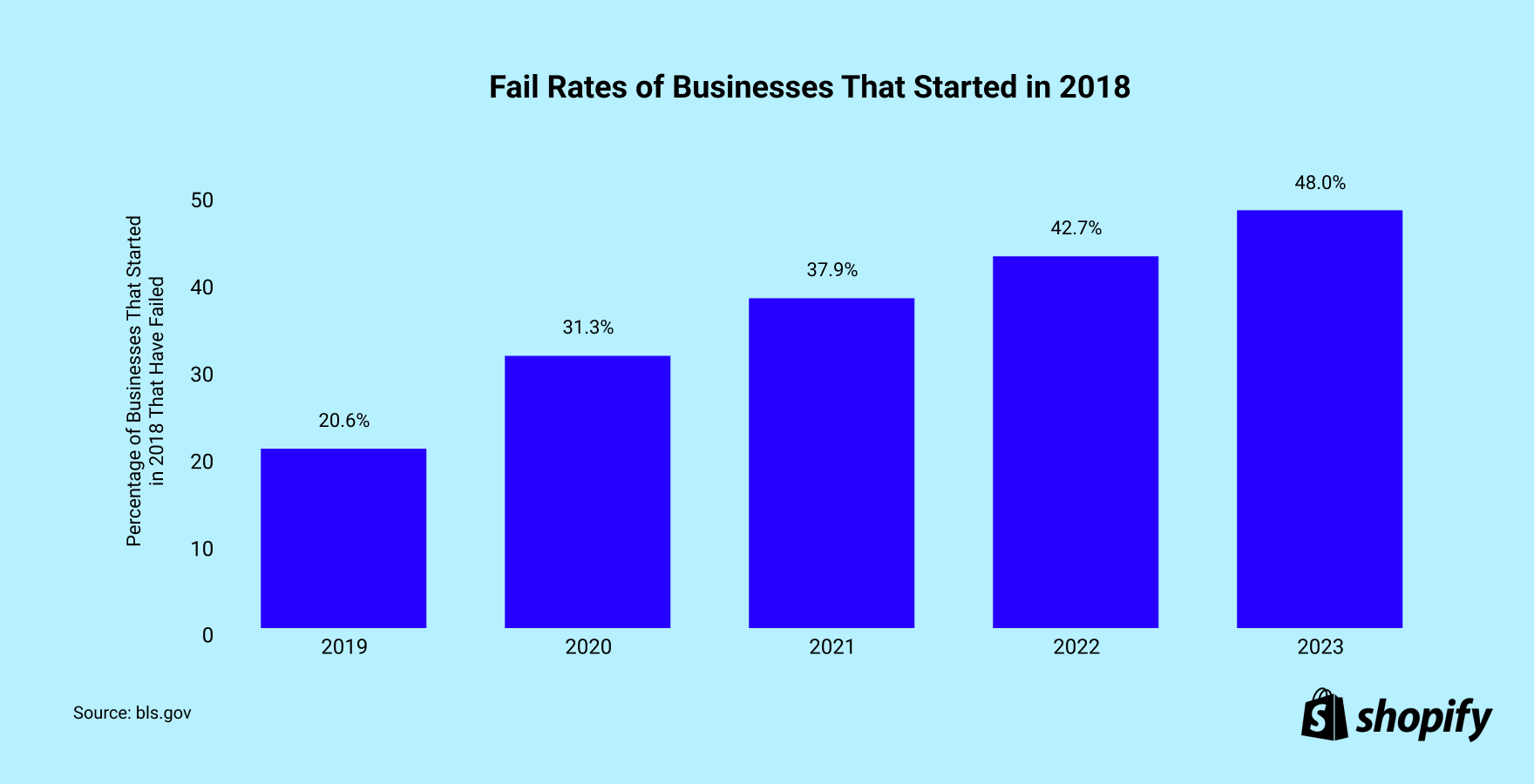
Approximately 20% of business ventures fail within the first year of operation. This high failure rate can be attributed to several factors:
- Lack of market demand: Many businesses fail because they do not adequately research their target market.
- Insufficient capital: Running out of funds is a common issue for new businesses.
- Poor management: Inexperienced leadership can lead to poor decision-making.
What Percentage of Business Ventures Fail Within Five Years?
Around 50% of business ventures fail within the first five years. The reasons for this include:
- Increased competition: As markets become saturated, businesses struggle to maintain their share.
- Failure to adapt: Businesses that do not evolve with changing market conditions often fail.
- Financial mismanagement: Poor budgeting and cash flow management can lead to bankruptcy.
What Percentage of Business Ventures Fail Within Ten Years?
Approximately 65% of business ventures fail within the first ten years. Key factors contributing to this include:
- Economic downturns: Recessions and economic instability can severely impact businesses.
- Technological changes: Companies that fail to adopt new technologies may become obsolete.
- Scaling issues: Rapid growth without proper infrastructure can lead to operational failures.
What Industries Have the Highest Failure Rates?
Certain industries have higher failure rates than others. For example:
- Restaurants: Approximately 60% fail within the first year due to high competition and low profit margins.
- Retail: Around 40% fail within the first five years due to changing consumer preferences and online competition.
- Construction: About 30% fail within the first five years due to project delays and cost overruns.
What Are the Common Reasons for Business Venture Failures?
Business ventures fail for a variety of reasons, including:
- Poor planning: Lack of a solid business plan can lead to strategic missteps.
- Inadequate marketing: Failure to effectively promote the business can result in low sales.
- Legal challenges: Regulatory issues and lawsuits can drain resources and lead to failure.
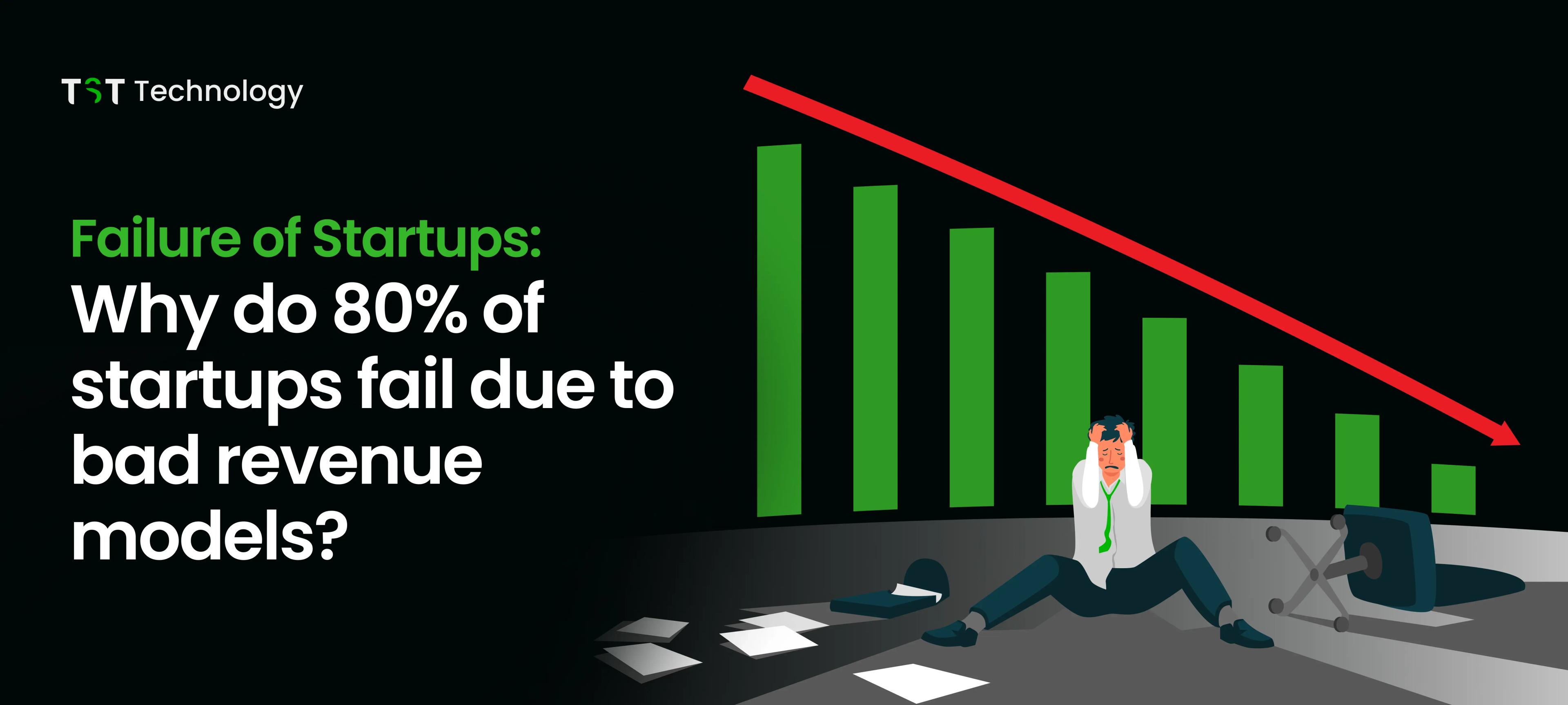
Why do 80% of startups fail?
Lack of Market Demand
One of the primary reasons startups fail is due to a lack of market demand for their product or service. Many entrepreneurs focus on building a product without thoroughly understanding whether there is a genuine need for it in the market. This often leads to:
- Misaligned product-market fit: The product does not solve a significant problem for a large enough audience.
- Ignoring customer feedback: Failing to adapt the product based on user input or market trends.
- Overestimating demand: Assuming there is a larger market than actually exists.
Insufficient Funding
Another critical factor is insufficient funding. Startups often underestimate the amount of capital required to sustain operations until they become profitable. This can result in:
- Running out of cash: Inability to cover operational costs, leading to shutdowns.
- Poor financial planning: Failing to allocate resources effectively or plan for contingencies.
- Difficulty in securing investors: Investors may be hesitant to fund startups with unclear revenue models or high risks.
Weak Business Model
A weak or unsustainable business model is another common reason for startup failure. Many startups struggle to generate consistent revenue or fail to scale effectively. Key issues include:
- Unclear revenue streams: Not having a solid plan for how the business will make money.
- High customer acquisition costs: Spending too much to acquire customers without a proportional return.
- Over-reliance on a single product: Lack of diversification increases vulnerability to market changes.
Poor Management and Leadership
Poor management and leadership can derail even the most promising startups. Ineffective leadership often leads to:
- Lack of direction: Teams become disorganized and lose focus on key objectives.
- Internal conflicts: Miscommunication or power struggles can harm team morale and productivity.
- Failure to adapt: Leaders may resist change or fail to pivot when necessary.
Competition and Market Saturation
Startups often fail due to intense competition or entering a saturated market. This makes it difficult to stand out and capture market share. Challenges include:
- Lack of differentiation: Offering a product or service that is too similar to competitors.
- Price wars: Competing solely on price, which can erode profit margins.
- Barriers to entry: Established players may have significant advantages, such as brand loyalty or economies of scale.
Frequently Asked Questions (FAQs)
What percentage of venture capital funds typically fail?
Venture capital funds are known for their high-risk, high-reward nature. On average, studies suggest that 30% to 40% of venture-backed startups fail completely, meaning they return little to no capital to investors. However, the failure rate of the venture capital funds themselves is harder to quantify. While individual startups within a fund may fail, the overall fund's success depends on the performance of its portfolio. A well-diversified fund can still achieve positive returns even if some of its investments fail.
Why do venture capital funds fail?
Venture capital funds fail for several reasons, including poor investment selection, market downturns, and inadequate diversification. Many funds struggle because they invest in startups that do not achieve product-market fit or fail to scale. Additionally, economic recessions or shifts in industry trends can negatively impact the performance of a fund. Lack of experience or expertise in the fund's management team can also contribute to failure, as they may not provide adequate guidance to portfolio companies.
How does the failure rate of venture capital funds compare to other investments?
Compared to traditional investments like stocks or bonds, venture capital funds have a significantly higher failure rate due to their focus on early-stage startups. While the stock market historically delivers an average annual return of around 7-10%, venture capital funds are far more volatile. However, successful venture capital funds can generate outsized returns, often compensating for the high failure rate. This makes venture capital a high-risk, high-reward asset class.
What factors influence the success or failure of a venture capital fund?
The success or failure of a venture capital fund depends on several key factors. Portfolio diversification is critical, as it reduces the risk associated with any single startup's failure. The experience and track record of the fund's management team also play a significant role, as seasoned investors are better equipped to identify promising startups and guide them to success. Additionally, market timing and industry trends can heavily influence outcomes, as funds investing in emerging sectors often see higher returns. Finally, the ability to provide strategic support to portfolio companies can make a substantial difference in their growth and success.
Leave a Reply
Our Recommended Articles