
What Does an Mba Summer Intern Typically Do at a Venture Capital Firm

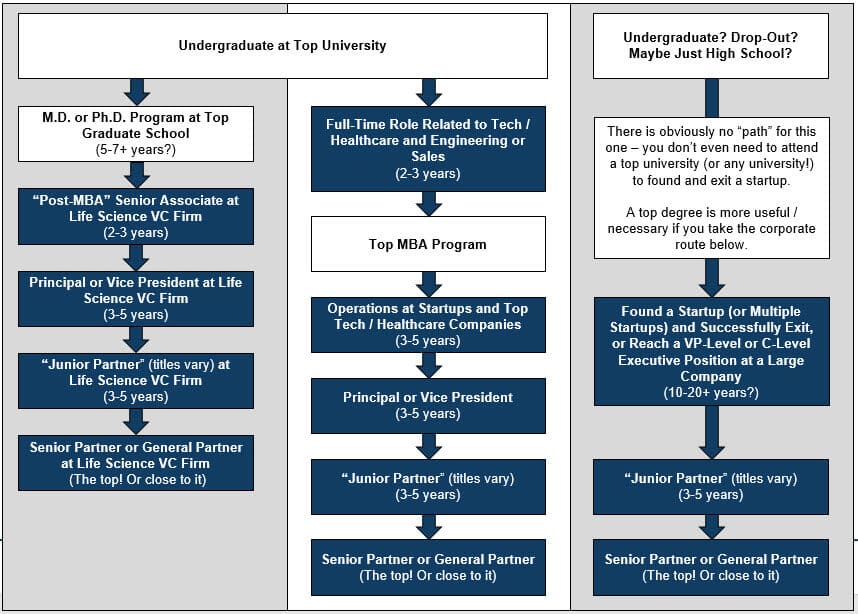
An MBA summer internship at a venture capital (VC) firm offers a unique opportunity to immerse oneself in the fast-paced world of startups, investments, and innovation. Interns typically engage in a variety of tasks, from conducting market research and due diligence to evaluating potential investment opportunities. They often collaborate with senior team members to analyze business models, assess financial performance, and support portfolio companies. Additionally, interns may participate in deal sourcing, pitch meetings, and networking events, gaining firsthand exposure to the decision-making processes that drive venture capital. This experience not only sharpens analytical and strategic skills but also provides invaluable insights into the entrepreneurial ecosystem.
- What Does an MBA Summer Intern Typically Do at a Venture Capital Firm?
- What do interns at venture capital firms do?
- How much do VC summer interns get paid?
- Does an MBA help with venture capital?
- What is an MBA summer intern?
-
Frequently Asked Questions (FAQs)
- What are the primary responsibilities of an MBA summer intern at a venture capital firm?
- How does an MBA summer intern contribute to deal sourcing and evaluation?
- What skills does an MBA summer intern develop during their time at a venture capital firm?
- What is the typical structure of an MBA summer internship at a venture capital firm?
What Does an MBA Summer Intern Typically Do at a Venture Capital Firm?
An MBA summer intern at a venture capital (VC) firm plays a crucial role in supporting the firm's investment activities. This internship provides hands-on experience in deal sourcing, due diligence, market research, and portfolio management. Interns often work closely with senior team members, gaining insights into the venture capital ecosystem and contributing to high-impact projects. Below, we explore the key responsibilities and tasks of an MBA summer intern in a VC firm.
See Also What Do Associates Do at Venture Capital Firms?
1. Conducting Market Research and Industry Analysis
One of the primary tasks of an MBA summer intern is to conduct market research and industry analysis. This involves identifying emerging trends, evaluating market sizes, and understanding competitive landscapes. Interns often create detailed reports that help the firm make informed investment decisions. For example, they might analyze the growth potential of a specific sector, such as fintech or healthtech, and present their findings to the investment team.
2. Sourcing and Evaluating Potential Deals
MBA interns are frequently involved in deal sourcing, which includes identifying promising startups and entrepreneurs. They use various tools and networks to scout for investment opportunities. Once potential deals are identified, interns assist in evaluating these opportunities by analyzing business models, financial projections, and growth strategies. This process often involves creating investment memos that summarize key findings and recommendations.
See Also What is the Hierarchy Like at a Venture Capital Firm and How Long Does It Take to Reach Each Level
3. Performing Due Diligence on Startups
Due diligence is a critical part of the investment process, and MBA interns play a significant role in this phase. They conduct in-depth research on startups, including financial analysis, customer validation, and competitive benchmarking. Interns may also interview founders, review legal documents, and assess risks associated with potential investments. Their work ensures that the VC firm has a comprehensive understanding of the startup's potential.
4. Supporting Portfolio Companies
Interns often assist in managing the firm's portfolio companies. This can include monitoring their performance, identifying areas for improvement, and providing strategic support. For instance, an intern might help a portfolio company with go-to-market strategies, fundraising efforts, or operational optimization. This hands-on experience allows interns to understand the challenges and opportunities faced by startups post-investment.
See AlsoWhat Are the Hours Like Working as a Vc Associate Pre and Post Mba at the Bigger Firms5. Participating in Investment Committee Meetings
A unique aspect of an MBA summer internship at a VC firm is the opportunity to participate in investment committee meetings. These meetings are where key investment decisions are made. Interns may be asked to present their research, share insights, or contribute to discussions. This exposure provides a deep understanding of how investment decisions are made and the factors that influence them.
| Task | Description |
|---|---|
| Market Research | Analyzing industry trends and competitive landscapes. |
| Deal Sourcing | Identifying and evaluating potential investment opportunities. |
| Due Diligence | Conducting in-depth research on startups. |
| Portfolio Support | Assisting portfolio companies with strategic initiatives. |
| Investment Meetings | Participating in decision-making discussions. |
What do interns at venture capital firms do?

Conducting Market Research
Interns at venture capital firms often spend a significant amount of time conducting market research. This involves analyzing industry trends, identifying emerging markets, and evaluating the competitive landscape. The goal is to provide the firm with actionable insights that can inform investment decisions.
- Analyze industry reports to understand market dynamics.
- Identify growth opportunities in emerging sectors.
- Evaluate competitors to assess market positioning.
Sourcing and Evaluating Startups
Another key responsibility for interns is sourcing and evaluating startups. This involves identifying potential investment opportunities through various channels such as networking events, pitch competitions, and online platforms. Interns may also assist in the due diligence process by reviewing business plans and financial statements.
- Attend networking events to discover new startups.
- Review pitch decks to assess business viability.
- Conduct financial analysis to evaluate startup health.
Assisting with Due Diligence
Interns play a crucial role in the due diligence process. This involves gathering and analyzing data on potential investment targets, including financial performance, market position, and management team. The insights gained from this process help the firm make informed investment decisions.
- Gather financial data for analysis.
- Assess market position of the target company.
- Evaluate management team credentials and experience.
Preparing Investment Memos
Interns are often tasked with preparing investment memos. These documents summarize the findings from market research, due diligence, and startup evaluations. They provide a comprehensive overview of the investment opportunity and are used by senior team members to make final decisions.
- Summarize research findings in a structured format.
- Highlight key investment risks and opportunities.
- Provide recommendations based on analysis.
Supporting Portfolio Companies
Interns may also provide support to portfolio companies. This can include assisting with strategic planning, marketing efforts, and operational improvements. The goal is to help these companies grow and succeed, thereby increasing the value of the firm's investment.
- Assist with strategic planning sessions.
- Support marketing campaigns to drive growth.
- Identify operational improvements to enhance efficiency.
How much do VC summer interns get paid?

What is the Average Salary for VC Summer Interns?
The average salary for venture capital (VC) summer interns typically ranges between $20 to $40 per hour, depending on the firm's size, location, and the intern's experience level. In major financial hubs like San Francisco or New York, salaries tend to be on the higher end of this spectrum. Additionally, some firms may offer additional perks such as housing stipends or transportation allowances.
- Hourly rates often range from $20 to $40.
- Location significantly impacts pay, with major cities offering higher compensation.
- Perks like housing stipends or transportation allowances may supplement the base salary.
How Do VC Intern Salaries Compare to Other Industries?
VC summer intern salaries are generally higher than those in many other industries, such as non-profits or media, but may be lower compared to investment banking or private equity internships. For example, investment banking interns often earn between $30 to $50 per hour, while VC interns might earn slightly less but gain unique exposure to startups and innovation.
- VC internships pay more than non-profits or media roles.
- Investment banking internships often offer higher hourly rates.
- Unique exposure to startups and innovation is a key benefit of VC internships.
What Factors Influence VC Summer Intern Pay?
Several factors influence how much VC summer interns are paid, including the firm's size, the geographic location, and the intern's prior experience. Larger, well-established firms in major cities tend to offer higher compensation, while smaller or regional firms may pay less. Additionally, interns with prior experience in finance, consulting, or startups may command higher salaries.
- Firm size and reputation play a significant role in determining pay.
- Geographic location impacts salary, with major cities offering higher rates.
- Prior experience in finance or startups can lead to higher compensation.
Do VC Interns Receive Additional Benefits Beyond Salary?
Yes, many VC firms offer additional benefits to summer interns beyond their base salary. These can include housing stipends, transportation allowances, and access to networking events or mentorship programs. Some firms may also provide meal allowances or gym memberships as part of their compensation package.
- Housing stipends are common in high-cost cities.
- Transportation allowances help cover commuting costs.
- Networking opportunities and mentorship programs add value beyond monetary compensation.
How Can Interns Negotiate Their VC Summer Internship Pay?
While negotiating pay as a summer intern can be challenging, it is possible with the right approach. Interns should research industry standards, highlight their relevant experience, and demonstrate their value to the firm. Additionally, leveraging multiple offers can provide negotiating power. However, it's important to approach negotiations professionally and respectfully.
- Research industry standards to understand fair compensation.
- Highlight relevant experience to justify higher pay.
- Leverage multiple offers to strengthen your negotiating position.
Does an MBA help with venture capital?

How Does an MBA Enhance Skills for Venture Capital?
An MBA can significantly enhance the skills required for a career in venture capital by providing a strong foundation in financial analysis, business strategy, and entrepreneurial thinking. Here’s how:
- Financial Acumen: MBA programs often include courses in corporate finance, valuation, and investment analysis, which are critical for evaluating startups and making investment decisions.
- Networking Opportunities: MBA programs offer access to a vast network of alumni, professors, and industry professionals, which can be invaluable for sourcing deals and building relationships in the venture capital ecosystem.
- Strategic Thinking: The case-study method used in many MBA programs helps develop the ability to analyze complex business situations and make strategic decisions, a key skill for venture capitalists.
What Are the Advantages of an MBA for Breaking into Venture Capital?
An MBA can provide several advantages for those looking to break into venture capital, particularly for individuals without prior experience in finance or entrepreneurship. Key advantages include:
- Credibility: An MBA from a top-tier institution can lend credibility and signal to potential employers that you have the necessary skills and knowledge.
- Exposure to Startups: Many MBA programs offer opportunities to work with startups through internships, incubators, or accelerators, providing hands-on experience in the venture capital space.
- Career Transition: For professionals transitioning from unrelated fields, an MBA can serve as a bridge to venture capital by equipping them with relevant skills and knowledge.
Do Venture Capital Firms Prefer MBA Graduates?
While not all venture capital firms require an MBA, many do value the skills and network that MBA graduates bring to the table. Here’s why:
- Analytical Rigor: MBA programs emphasize quantitative and analytical skills, which are essential for evaluating investment opportunities.
- Leadership Potential: Venture capital firms often look for candidates with leadership potential, and MBA programs are designed to cultivate leadership skills.
- Industry Connections: The alumni networks of top MBA programs can provide venture capital firms with access to a pipeline of talented entrepreneurs and deal flow.
Can an MBA Help in Building a Venture Capital Network?
Building a strong network is crucial in venture capital, and an MBA can be instrumental in this regard. Here’s how:
- Alumni Networks: MBA programs often have extensive alumni networks that include successful entrepreneurs, investors, and industry leaders.
- On-Campus Recruiting: Many venture capital firms actively recruit from top MBA programs, providing students with direct access to potential employers.
- Industry Events: MBA programs frequently host industry events, conferences, and guest lectures, offering students opportunities to connect with venture capital professionals.
What Are the Alternatives to an MBA for Entering Venture Capital?
While an MBA can be beneficial, it is not the only path to a career in venture capital. Here are some alternatives:
- Industry Experience: Gaining experience in industries such as technology, healthcare, or finance can provide the domain expertise needed to evaluate startups.
- Entrepreneurial Background: Founding or working at a startup can provide firsthand experience with the challenges and opportunities that venture capitalists look for in potential investments.
- Specialized Certifications: Certifications in areas like financial modeling, data analysis, or venture capital can help build relevant skills without the time and cost of an MBA.
What is an MBA summer intern?

What is an MBA Summer Intern?
An MBA summer intern is a graduate student pursuing a Master of Business Administration (MBA) degree who undertakes a temporary professional role during the summer break. These internships are typically designed to provide hands-on experience in various business functions, such as consulting, finance, marketing, or operations. Companies often use these internships as a pipeline to identify and recruit top talent for full-time positions post-graduation.
- Purpose: MBA summer internships allow students to apply classroom knowledge to real-world business challenges.
- Duration: These internships usually last between 8 to 12 weeks, aligning with the summer break.
- Compensation: Interns are often paid competitive salaries, reflecting the high value of their skills and education.
Why Do Companies Hire MBA Summer Interns?
Companies hire MBA summer interns to bring fresh perspectives, innovative ideas, and advanced analytical skills to their teams. Interns often work on high-impact projects that contribute to the company’s strategic goals. Additionally, these internships serve as a trial period for both the intern and the employer to assess cultural fit and potential for long-term collaboration.
- Talent Pipeline: Internships help companies identify and nurture future leaders.
- Project Support: Interns often tackle critical projects that require specialized skills.
- Networking: Interns build relationships with professionals, fostering future collaborations.
What Are the Benefits of an MBA Summer Internship?
An MBA summer internship offers numerous benefits to students, including practical experience, networking opportunities, and potential job offers. It allows interns to explore different industries and roles, helping them refine their career goals. Additionally, the experience gained during the internship can significantly enhance their resumes and make them more competitive in the job market.
- Skill Development: Interns gain hands-on experience in leadership, problem-solving, and teamwork.
- Industry Exposure: Internships provide insights into specific industries and company cultures.
- Career Advancement: Successful internships often lead to full-time job offers or strong professional references.
How to Secure an MBA Summer Internship?
Securing an MBA summer internship requires strategic planning, networking, and preparation. Students typically start by researching companies, attending career fairs, and leveraging their school’s career services. Crafting a strong resume and cover letter, as well as practicing for interviews, are also critical steps in the process.
- Research: Identify companies and roles that align with your career goals.
- Networking: Connect with alumni, professors, and industry professionals for referrals.
- Preparation: Tailor your application materials and practice for case interviews or technical assessments.
What to Expect During an MBA Summer Internship?
During an MBA summer internship, interns can expect to work on meaningful projects, collaborate with cross-functional teams, and receive mentorship from experienced professionals. The experience often includes formal training sessions, networking events, and opportunities to present their work to senior leadership.
- Project Work: Interns are assigned to specific projects that align with their skills and interests.
- Mentorship: Interns receive guidance from managers and mentors to enhance their professional growth.
- Evaluation: Performance is often assessed through feedback and final presentations.
Frequently Asked Questions (FAQs)
What are the primary responsibilities of an MBA summer intern at a venture capital firm?
An MBA summer intern at a venture capital firm typically engages in a variety of tasks aimed at supporting the firm's investment activities. These responsibilities often include conducting market research, analyzing potential investment opportunities, and preparing detailed investment memos. Interns may also assist in due diligence processes, which involve evaluating the financial health, business model, and growth potential of startups. Additionally, they might participate in meetings with entrepreneurs, helping to assess pitches and provide feedback. The role is designed to provide hands-on experience in the venture capital ecosystem, allowing interns to develop a deep understanding of the industry.
How does an MBA summer intern contribute to deal sourcing and evaluation?
An MBA summer intern plays a crucial role in deal sourcing and evaluation by identifying promising startups and assessing their viability as investment opportunities. This involves scanning the market for innovative companies, attending networking events, and leveraging industry contacts to uncover potential deals. Once a startup is identified, the intern conducts thorough analyses, including financial modeling, competitive benchmarking, and market sizing. They also collaborate with senior team members to refine investment theses and present findings. By contributing to these activities, interns gain valuable insights into the decision-making processes that drive venture capital investments.
What skills does an MBA summer intern develop during their time at a venture capital firm?
During their internship, an MBA summer intern hones a wide range of skills that are essential for a career in venture capital or related fields. These include financial analysis, strategic thinking, and the ability to evaluate business models. Interns also develop strong communication skills, as they are often required to present their findings to senior team members and external stakeholders. Additionally, they gain experience in networking and relationship-building, which are critical for sourcing deals and fostering connections within the startup ecosystem. The internship provides a unique opportunity to apply academic knowledge to real-world scenarios, enhancing both technical and interpersonal competencies.
What is the typical structure of an MBA summer internship at a venture capital firm?
The structure of an MBA summer internship at a venture capital firm is typically project-based, with interns assigned to specific tasks or deals. The internship often begins with an orientation period, during which interns familiarize themselves with the firm's investment focus and processes. They are then given responsibilities such as conducting industry research, analyzing startups, and preparing investment recommendations. Interns may also have the opportunity to shadow senior team members, attend partner meetings, and participate in portfolio company reviews. The internship usually culminates in a final presentation or project, where interns showcase their work and insights to the firm's leadership team. This structured approach ensures that interns gain comprehensive exposure to the venture capital landscape.
Leave a Reply
Our Recommended Articles