
What is the Best Crm for Venture/seed Capital Firms to Manage Deal Flow

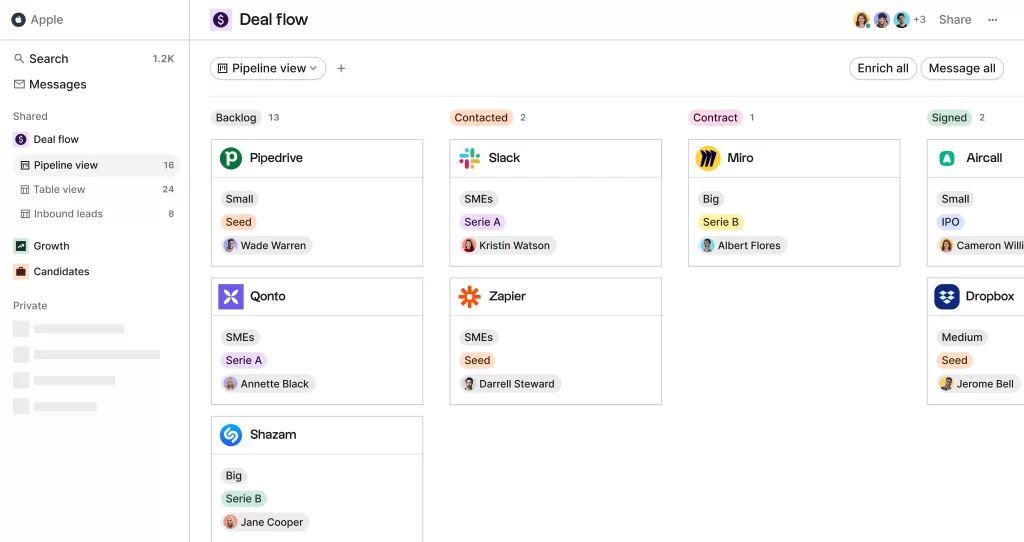
In the fast-paced world of venture and seed capital, managing deal flow efficiently is critical to identifying and securing the most promising investment opportunities. With a constant influx of startups, pitches, and data, venture capital firms require robust tools to streamline their processes, track interactions, and make informed decisions. Customer Relationship Management (CRM) systems have become indispensable for organizing and optimizing deal flow, but not all CRMs are created equal. This article explores the key features to look for in a CRM tailored to venture and seed capital firms, and highlights the top solutions designed to meet the unique demands of this dynamic industry.
- What is the Best CRM for Venture/Seed Capital Firms to Manage Deal Flow?
- What is the best CRM for venture capital?
- How do VCs get deal flow?
- What is CRM in venture capital?
- What's the best CRM for startups?
-
Frequently Asked Questions by our Community
- What features should venture and seed capital firms look for in a CRM to manage deal flow effectively?
- How does a CRM improve efficiency for venture capital firms in managing deal flow?
- What are the top CRM options for venture and seed capital firms?
- How can venture capital firms ensure successful CRM implementation?
What is the Best CRM for Venture/Seed Capital Firms to Manage Deal Flow?
Venture and seed capital firms face unique challenges when it comes to managing their deal flow. The right Customer Relationship Management (CRM) system can streamline processes, improve collaboration, and ensure that no opportunity slips through the cracks. A CRM tailored for venture capital should offer features like pipeline management, deal tracking, investor relations, and analytics. Below, we explore the key aspects of choosing the best CRM for venture and seed capital firms.
See Also Whats the Best Portfolio Management Software for Venture Capital Why
1. Why Do Venture Capital Firms Need a Specialized CRM?
Venture capital firms deal with a high volume of startups, investors, and stakeholders. A specialized CRM helps them organize and prioritize deals, track interactions, and maintain relationships effectively. Unlike generic CRMs, a VC-specific CRM is designed to handle the complexities of deal sourcing, due diligence, and portfolio management. It ensures that firms can focus on making informed investment decisions rather than getting bogged down by administrative tasks.
2. Key Features to Look for in a CRM for Venture Capital
When selecting a CRM, venture capital firms should prioritize features such as:
- Pipeline Management: Visualize and track deals at every stage.
- Deal Flow Tracking: Monitor incoming opportunities and their progress.
- Investor Relations: Manage communications with Limited Partners (LPs).
- Analytics and Reporting: Gain insights into deal performance and firm metrics.
- Integration Capabilities: Seamlessly connect with tools like email, calendars, and financial software.
 Can I Make a Career in Venture Capital?
3. Top CRM Options for Venture and Seed Capital Firms
Here are some of the leading CRMs tailored for venture capital firms:
| CRM | Key Features | Best For |
|---|---|---|
| Affinity | Relationship intelligence, deal tracking, email integration | Firms focused on relationship-driven deal flow |
| DealCloud | Customizable workflows, portfolio management, analytics | Larger firms with complex needs |
| HubSpot CRM | Free tier available, marketing automation, deal tracking | Smaller firms or those on a budget |
| Salesforce | Highly customizable, robust integrations, scalability | Firms looking for a scalable solution |
| Pipedrive | User-friendly interface, visual pipeline, automation | Firms seeking simplicity and ease of use |
4. How to Evaluate a CRM for Your Firm
To choose the best CRM, consider the following steps:
1. Assess Your Needs: Identify the specific challenges your firm faces.
2. Compare Features: Ensure the CRM offers the tools you need.
3. Check Integration: Verify compatibility with your existing tools.
4. Request Demos: Test the CRM to see if it meets your expectations.
5. Consider Scalability: Choose a solution that can grow with your firm.
 How Do I Start a Venture Capital Firm in Canada?
5. Benefits of Using a CRM for Deal Flow Management
A CRM designed for venture capital firms offers numerous benefits, including:
- Improved Efficiency: Automate repetitive tasks and streamline workflows.
- Better Collaboration: Enable team members to share insights and updates.
- Enhanced Decision-Making: Use data-driven insights to evaluate deals.
- Stronger Relationships: Maintain consistent communication with investors and startups.
- Scalability: Handle increasing deal flow without compromising quality.
What is the best CRM for venture capital?

 How Much Does a Venture Capital Associate Earn Per Year?
What is the Best CRM for Venture Capital?
The best CRM for venture capital firms is one that offers deal flow management, investor relations tracking, and portfolio monitoring. A CRM tailored for venture capital should also provide customizable pipelines, data analytics, and integration capabilities with other tools. Some of the top options include Affinity, DealCloud, and Salesforce for Venture Capital. These platforms are designed to handle the unique needs of VC firms, such as managing relationships with startups, tracking investments, and generating insights for decision-making.
Key Features to Look for in a Venture Capital CRM
When choosing a CRM for venture capital, it’s essential to prioritize features that align with the industry’s demands. Here are the most critical features:
- Deal Flow Management: A system to track and organize potential investment opportunities efficiently.
- Investor Reporting: Tools to generate detailed reports for limited partners (LPs) and stakeholders.
- Integration Capabilities: Seamless integration with email, calendar, and financial tools to streamline workflows.
- Customizable Dashboards: Personalized views to monitor key metrics and performance indicators.
- Data Security: Robust security measures to protect sensitive financial and investment data.
Top CRM Options for Venture Capital Firms
Several CRMs stand out for venture capital firms due to their specialized features. Here are the top options:
- Affinity: Known for its relationship intelligence and deal tracking capabilities.
- DealCloud: Offers a comprehensive platform for deal management and investor relations.
- Salesforce for Venture Capital: A highly customizable CRM with advanced analytics and integration options.
- Pipedrive: A user-friendly option for smaller VC firms with straightforward deal tracking needs.
- HubSpot CRM: A versatile choice with strong marketing and sales tools, suitable for emerging VC firms.
How to Evaluate a CRM for Venture Capital Needs
Evaluating a CRM for venture capital requires a structured approach. Consider the following steps:
- Assess Your Firm’s Needs: Identify the specific challenges and workflows your firm faces.
- Test User-Friendliness: Ensure the platform is intuitive and easy for your team to adopt.
- Check Integration Options: Verify that the CRM can integrate with your existing tools and systems.
- Review Customer Support: Look for providers with strong customer service and training resources.
- Compare Pricing: Evaluate the cost relative to the features and scalability offered.
Benefits of Using a CRM in Venture Capital
A CRM can significantly enhance the operations of a venture capital firm. Here are the key benefits:
- Improved Deal Tracking: Centralize and organize all potential investments in one place.
- Enhanced Investor Relations: Maintain strong communication and transparency with LPs and stakeholders.
- Data-Driven Decisions: Leverage analytics to make informed investment choices.
- Time Efficiency: Automate repetitive tasks to focus on high-value activities.
- Scalability: Grow your firm’s operations without compromising on organization or efficiency.
Common Challenges When Implementing a CRM in Venture Capital
Implementing a CRM in a venture capital firm can come with challenges. Here are the most common ones:
- Data Migration: Transferring existing data into the new system can be time-consuming and complex.
- User Adoption: Ensuring all team members are comfortable and proficient with the new platform.
- Customization Needs: Tailoring the CRM to fit the unique workflows of your firm.
- Cost Management: Balancing the budget with the need for advanced features and scalability.
- Integration Issues: Ensuring the CRM works seamlessly with other tools and systems in use.
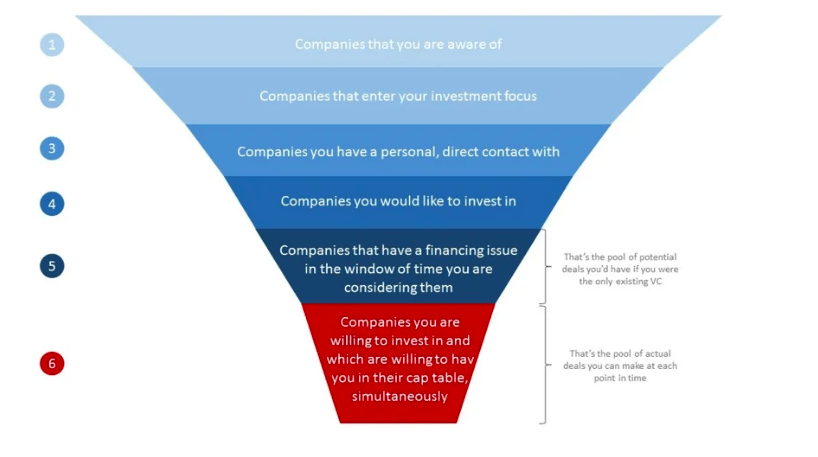
How do VCs get deal flow?
Networking and Relationships
Venture capitalists (VCs) rely heavily on their networks and relationships to source deals. Building a strong network within the startup ecosystem is crucial for gaining access to high-quality investment opportunities. This includes:
- Attending industry events such as conferences, pitch nights, and meetups to connect with entrepreneurs and other investors.
- Maintaining relationships with founders, angel investors, and accelerators who can refer promising startups.
- Collaborating with corporate partners and incubators to identify emerging trends and startups.
Referrals from Founders and Other Investors
Referrals are one of the most common ways VCs get deal flow. Founders and other investors often recommend startups to VCs they trust. This method is effective because:
- It leverages the credibility of the referrer, reducing the due diligence burden for the VC.
- It often leads to pre-vetted opportunities, as the referrer has already assessed the startup's potential.
- It helps VCs access off-market deals that are not publicly advertised.
Cold Outreach and Proactive Sourcing
Some VCs take a proactive approach by cold outreaching to startups they find interesting. This involves:
- Using tools like Crunchbase, AngelList, and LinkedIn to identify startups in specific industries or stages.
- Conducting market research to spot emerging trends and companies that align with their investment thesis.
- Reaching out directly to founders with a personalized pitch about how they can add value beyond capital.
Partnerships with Accelerators and Incubators
VCs often partner with accelerators and incubators to gain early access to startups. These partnerships provide:
- Exposure to high-potential startups at an early stage, often before they raise significant funding.
- Opportunities to mentor startups and build relationships with founders before making an investment.
- Insights into industry trends and innovation hubs through the accelerator's network.
Online Platforms and Deal Aggregators
Many VCs use online platforms and deal aggregators to streamline their deal flow. These platforms offer:
- Access to a large volume of startups across various industries and geographies.
- Tools for filtering and sorting deals based on specific criteria, such as stage, sector, or funding amount.
- Opportunities to track startup progress over time and identify when they are ready for investment.
What is CRM in venture capital?
What is CRM in Venture Capital?
CRM, or Customer Relationship Management, in the context of venture capital, refers to the tools and strategies used by venture capital firms to manage interactions with their portfolio companies, limited partners, and other stakeholders. It helps streamline communication, track deal flow, and maintain relationships effectively. A CRM system in venture capital is tailored to handle the unique needs of the industry, such as tracking investment opportunities, monitoring portfolio performance, and managing investor relations.
Why is CRM Important in Venture Capital?
CRM is crucial in venture capital for several reasons:
- Efficient Deal Flow Management: It helps firms organize and prioritize potential investment opportunities.
- Enhanced Communication: Ensures seamless communication with portfolio companies and investors.
- Data-Driven Decisions: Provides insights through analytics to make informed investment decisions.
Key Features of CRM Systems in Venture Capital
Venture capital CRM systems come with specialized features to meet industry demands:
- Deal Pipeline Tracking: Allows firms to monitor and manage potential investments from initial contact to closing.
- Portfolio Management: Tracks the performance of portfolio companies and generates reports.
- Investor Relations Tools: Facilitates communication and updates with limited partners and stakeholders.
How CRM Improves Investor Relations
CRM systems play a vital role in maintaining strong relationships with investors:
- Transparency: Provides investors with real-time updates on portfolio performance.
- Personalized Communication: Enables tailored communication based on investor preferences and history.
- Efficient Reporting: Automates the generation of reports, saving time and ensuring accuracy.
Challenges of Implementing CRM in Venture Capital
While CRM offers numerous benefits, there are challenges in its implementation:
- Data Integration: Integrating CRM with existing systems can be complex and time-consuming.
- User Adoption: Ensuring all team members adopt and effectively use the CRM system.
- Customization Needs: Tailoring the CRM to meet the specific needs of a venture capital firm.
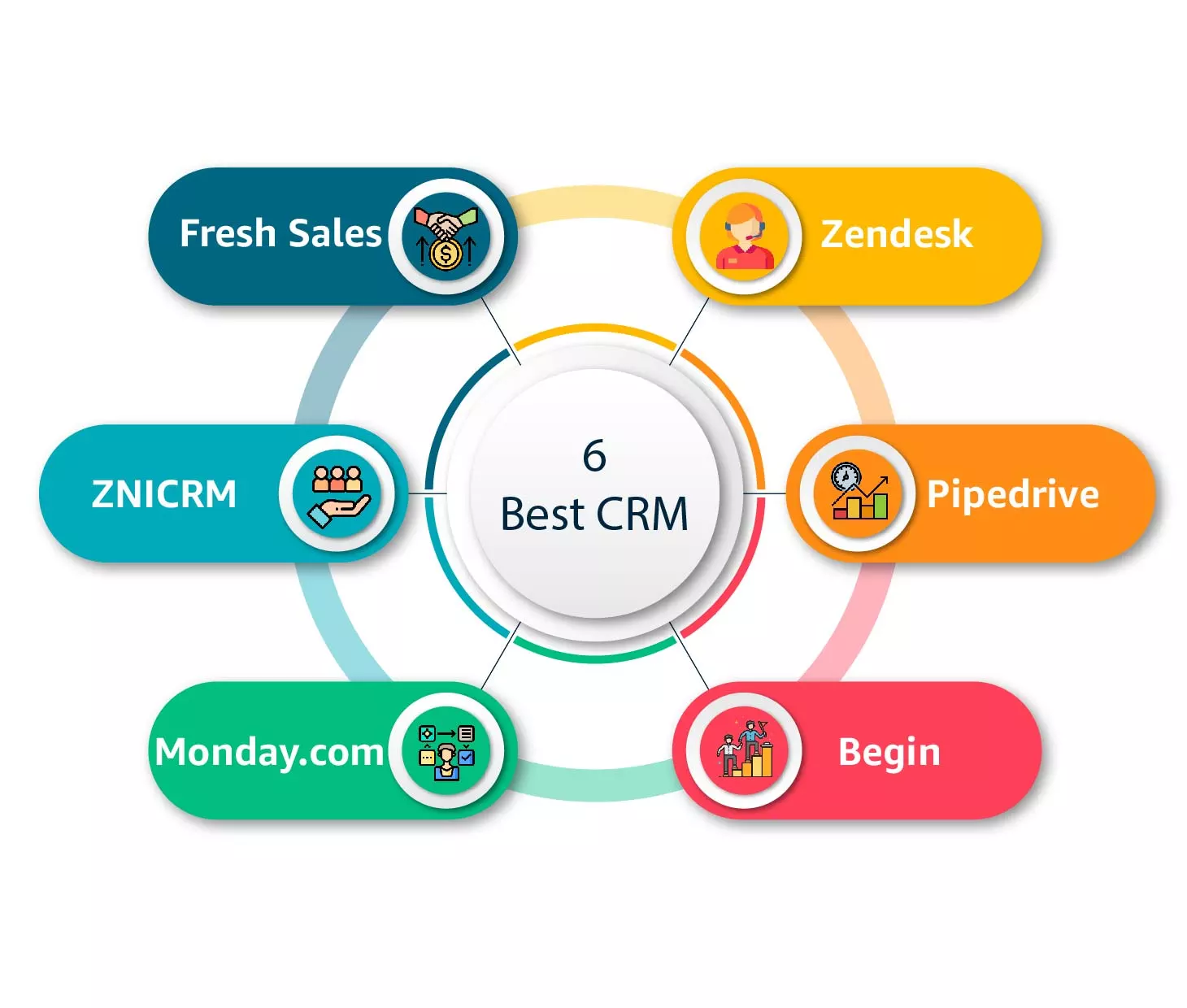
What's the best CRM for startups?
What Features Should Startups Look for in a CRM?
When choosing a CRM for startups, it's essential to focus on features that align with your business needs. Startups typically require tools that are scalable, cost-effective, and easy to use. Here are the key features to consider:
- Affordability: Startups often operate on tight budgets, so a CRM with flexible pricing plans is crucial.
- Ease of Use: A user-friendly interface ensures quick adoption by your team.
- Integration Capabilities: The CRM should integrate seamlessly with tools like email, marketing platforms, and project management software.
- Scalability: As your startup grows, the CRM should be able to handle increased data and user demands.
- Automation: Features like automated workflows and reminders can save time and improve efficiency.
Why is HubSpot CRM Popular Among Startups?
HubSpot CRM is a top choice for startups due to its robust free plan and comprehensive features. Here’s why it stands out:
- Free Plan: Offers essential CRM features without any cost, making it ideal for budget-conscious startups.
- Marketing Tools: Includes email marketing, lead tracking, and analytics to help startups grow their customer base.
- User-Friendly Interface: Easy to navigate, even for non-technical users.
- Integration: Works well with other HubSpot tools and third-party applications.
- Scalability: Provides paid plans with advanced features as your startup expands.
How Does Zoho CRM Benefit Startups?
Zoho CRM is another excellent option for startups, offering a balance of affordability and functionality. Here’s how it benefits startups:
- Customization: Allows startups to tailor the CRM to their specific workflows and processes.
- AI-Powered Features: Zia, the AI assistant, helps with predictive sales and analytics.
- Affordable Pricing: Offers competitive pricing plans, including a free tier for small teams.
- Mobile App: Enables remote access and management of customer data.
- Third-Party Integrations: Supports integration with popular tools like Google Workspace and Microsoft Office.
What Makes Pipedrive a Good CRM for Startups?
Pipedrive is designed with sales-focused startups in mind. Its visual pipeline and simplicity make it a strong contender. Here’s why it’s a good fit:
- Sales Pipeline Management: Visualizes the sales process, making it easy to track deals and progress.
- Automation: Automates repetitive tasks, allowing teams to focus on closing deals.
- Affordable Plans: Offers pricing tiers that cater to startups with varying needs.
- Mobile Accessibility: Provides a robust mobile app for on-the-go management.
- Customization: Allows startups to adapt the CRM to their unique sales processes.
Why Should Startups Consider Salesforce Essentials?
Salesforce Essentials is a scaled-down version of Salesforce designed for small businesses and startups. Here’s why it’s worth considering:
- Trusted Platform: Built on the robust Salesforce infrastructure, ensuring reliability and security.
- Scalability: Grows with your startup, offering advanced features as needed.
- Integration: Connects with a wide range of third-party apps and tools.
- Customer Support: Provides excellent support and resources for new users.
- Customization: Allows startups to tailor the CRM to their specific needs.
Frequently Asked Questions by our Community
What features should venture and seed capital firms look for in a CRM to manage deal flow effectively?
When selecting a CRM for managing deal flow, venture and seed capital firms should prioritize features that streamline pipeline management, enhance collaboration, and provide robust analytics. Key features include customizable deal stages, which allow firms to tailor the CRM to their specific investment process. Additionally, integration capabilities with tools like email, calendars, and data providers are crucial for seamless workflow. Advanced reporting and tracking features help firms monitor deal progress, evaluate team performance, and make data-driven decisions. Lastly, security and compliance are essential to protect sensitive investor and portfolio company information.
How does a CRM improve efficiency for venture capital firms in managing deal flow?
A CRM significantly improves efficiency by centralizing all deal-related information in one platform, eliminating the need for scattered spreadsheets or emails. It automates repetitive tasks such as data entry, follow-ups, and reminders, freeing up time for investment teams to focus on strategic activities. By providing a clear overview of the deal pipeline, a CRM helps firms prioritize opportunities, track interactions, and ensure no potential investment slips through the cracks. Furthermore, real-time collaboration features enable teams to work together seamlessly, even when working remotely.
What are the top CRM options for venture and seed capital firms?
Some of the top CRM options for venture and seed capital firms include Affinity, DealCloud, HubSpot, and Salesforce. Affinity is particularly popular for its relationship intelligence capabilities, which help firms leverage their networks effectively. DealCloud is tailored for investment firms, offering specialized tools for deal sourcing and portfolio management. HubSpot provides a user-friendly interface and strong marketing automation features, while Salesforce offers unparalleled customization and scalability for larger firms with complex needs.
How can venture capital firms ensure successful CRM implementation?
Successful CRM implementation requires careful planning and execution. Firms should start by defining their specific needs and goals, ensuring the chosen CRM aligns with their workflow. Involving key stakeholders early in the decision-making process fosters buy-in and ensures the system meets everyone's requirements. Comprehensive training for all users is essential to maximize adoption and minimize resistance. Additionally, firms should work closely with the CRM provider to customize the platform and integrate it with existing tools. Regularly reviewing and optimizing the system based on user feedback ensures the CRM continues to deliver value over time.
Leave a Reply
Our Recommended Articles