
How to Best Educate Myself About the Venture Capital Industry

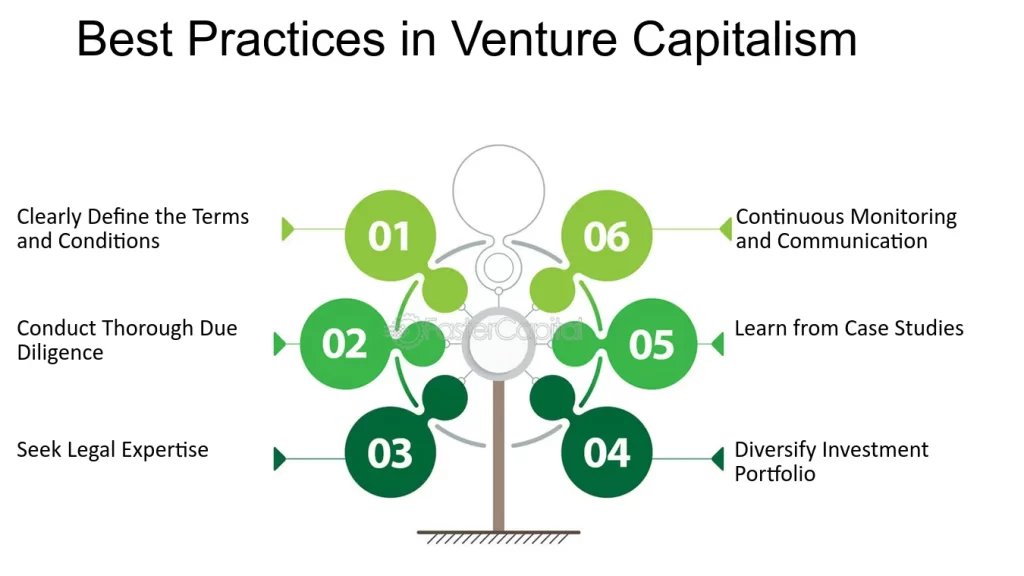
The venture capital (VC) industry is a dynamic and influential sector that fuels innovation and drives the growth of startups worldwide. For those looking to understand its intricacies, educating oneself about venture capital is essential, whether you're an aspiring investor, entrepreneur, or simply curious about the field. This article provides a comprehensive guide on how to effectively learn about the VC industry, from understanding its fundamentals to staying updated on emerging trends. By exploring key resources, networking strategies, and practical insights, you can build a solid foundation of knowledge and navigate the complexities of venture capital with confidence.
How to Best Educate Myself About the Venture Capital Industry
1. Understand the Basics of Venture Capital
To start your journey, it's essential to grasp the fundamentals of venture capital. This includes understanding what venture capital is, how it differs from other forms of financing, and the role it plays in the startup ecosystem. You can begin by reading introductory books, such as Venture Deals by Brad Feld and Jason Mendelson, or taking online courses that cover the basics. Familiarize yourself with key terms like equity, valuation, term sheets, and exit strategies.
See Also Where Can I Find Examples of Investment Deal Memos Writen by Venture Capitalists
2. Follow Industry News and Trends
Staying updated with the latest news and trends in the venture capital industry is crucial. Subscribe to newsletters like TechCrunch, VentureBeat, or PitchBook, which provide regular updates on funding rounds, emerging startups, and market trends. Additionally, follow influential venture capitalists on social media platforms like Twitter and LinkedIn to gain insights into their perspectives and investment strategies.
3. Network with Industry Professionals
Building a strong network within the venture capital community can provide valuable insights and opportunities. Attend industry conferences, webinars, and meetups to connect with venture capitalists, entrepreneurs, and other professionals. Joining online forums and communities, such as those on Reddit or LinkedIn groups, can also help you engage in discussions and learn from others' experiences.
See Also How Much in Returns Do Venture Capitalists Generally Expect for Their Investment in a Startup
4. Analyze Case Studies and Success Stories
Studying case studies and success stories of startups that have successfully raised venture capital can offer practical insights. Analyze how these companies pitched to investors, structured their deals, and navigated challenges. Resources like Harvard Business Review and case study databases can provide detailed analyses of notable venture capital deals and their outcomes.
5. Gain Practical Experience
Hands-on experience is one of the best ways to understand the venture capital industry. Consider internships or entry-level positions at venture capital firms, startup accelerators, or incubators. Alternatively, you can gain experience by working with startups in roles that involve fundraising or business development. This practical exposure will help you understand the nuances of deal-making, due diligence, and portfolio management.
See Also What Do Venture Capitalists Look for When Deciding to Invest in an Idea and a Team
| Resource Type | Examples |
|---|---|
| Books | Venture Deals by Brad Feld and Jason Mendelson |
| Newsletters | TechCrunch, VentureBeat, PitchBook |
| Online Communities | Reddit, LinkedIn Groups |
| Case Studies | Harvard Business Review |
| Practical Experience | Internships, Startup Roles |
What education do you need to be a venture capitalist?

What Formal Education is Required to Become a Venture Capitalist?
While there is no strict educational requirement to become a venture capitalist, most professionals in this field hold advanced degrees. A strong educational background in business, finance, or economics is highly beneficial. Here are some common educational paths:
See Also What is the Reputation of the Vc Fund New Enterprise Associates (Nea)
- Bachelor's Degree: A degree in business, finance, economics, or a related field provides foundational knowledge.
- Master's in Business Administration (MBA): Many venture capitalists pursue an MBA to gain advanced skills in management, strategy, and financial analysis.
- Specialized Certifications: Certifications like the Chartered Financial Analyst (CFA) can enhance credibility and expertise.
How Important is Industry Experience in Venture Capital?
Industry experience is critical for success in venture capital. Many venture capitalists start their careers in related fields to build the necessary skills and networks. Key steps include:
- Working in Startups: Gaining firsthand experience in startup environments helps understand the challenges entrepreneurs face.
- Investment Banking or Consulting: These roles provide exposure to financial modeling, deal structuring, and market analysis.
- Entrepreneurship: Founding or working in a startup can provide unique insights into what makes a business successful.
What Skills Are Essential for a Venture Capitalist?
Venture capitalists require a mix of technical and soft skills to evaluate and support startups effectively. Essential skills include:
- Financial Analysis: Ability to assess financial statements, projections, and valuation models.
- Market Research: Understanding industry trends and competitive landscapes.
- Networking: Building relationships with entrepreneurs, investors, and industry experts.
Do You Need a Background in Technology to Be a Venture Capitalist?
While not mandatory, a background in technology can be highly advantageous, especially in tech-focused venture capital firms. Key considerations include:
- Technical Knowledge: Understanding emerging technologies like AI, blockchain, or biotech can help evaluate innovative startups.
- Engineering or Computer Science Degrees: These degrees are common among venture capitalists in tech-heavy sectors.
- Experience in Tech Roles: Working as a software engineer, product manager, or in R&D can provide valuable insights.
How Can Networking Help in Becoming a Venture Capitalist?
Networking is a cornerstone of a successful venture capital career. Building a strong professional network can open doors to opportunities and partnerships. Key networking strategies include:
- Attending Industry Events: Conferences, pitch events, and meetups are great places to connect with entrepreneurs and investors.
- Joining Professional Organizations: Groups like the National Venture Capital Association (NVCA) offer resources and networking opportunities.
- Leveraging Social Media: Platforms like LinkedIn can help build and maintain professional relationships.
What is the 2 6 2 rule of venture capital?
Understanding the 2 6 2 Rule in Venture Capital
The 2 6 2 rule is a heuristic used in venture capital to describe the expected distribution of outcomes in a portfolio of startup investments. It suggests that out of every 10 investments:
- 2 investments will yield significant returns, often referred to as home runs.
- 6 investments will either break even or result in moderate losses.
- 2 investments will fail completely, resulting in a total loss of capital.
Why the 2 6 2 Rule Matters for Investors
The 2 6 2 rule highlights the high-risk, high-reward nature of venture capital. It emphasizes the importance of diversification and the need for investors to focus on identifying and supporting the top-performing startups that can deliver outsized returns. This rule also underscores the reality that most investments will not achieve extraordinary success, making it crucial for investors to manage expectations and risk.
- Diversification is key to mitigating risk in a venture capital portfolio.
- Investors must focus on due diligence to identify potential high performers.
- Accepting that failures are inevitable helps in maintaining a balanced portfolio strategy.
How the 2 6 2 Rule Impacts Startup Funding
For startups, the 2 6 2 rule serves as a reminder of the competitive nature of venture capital. Only a small percentage of startups will achieve the level of success needed to attract significant funding and deliver returns to investors. This rule encourages startups to focus on scalability, innovation, and market fit to increase their chances of becoming one of the top performers.
- Startups must prioritize scalable business models to attract venture capital.
- Innovation and differentiation are critical to standing out in a crowded market.
- Achieving product-market fit early can significantly improve the odds of success.
Applying the 2 6 2 Rule to Portfolio Management
Venture capitalists use the 2 6 2 rule as a framework for managing their investment portfolios. By anticipating that only a small percentage of investments will deliver substantial returns, investors can allocate resources more effectively and focus on nurturing the most promising startups. This approach also helps in setting realistic expectations for limited partners and stakeholders.
- Allocate more resources to high-potential startups within the portfolio.
- Regularly assess and rebalance the portfolio to optimize returns.
- Communicate transparently with stakeholders about the inherent risks and potential rewards.
Limitations of the 2 6 2 Rule in Venture Capital
While the 2 6 2 rule provides a useful framework, it is not a one-size-fits-all solution. The actual distribution of outcomes can vary depending on factors such as the stage of investment, the industry, and the quality of the venture capital firm. Additionally, the rule assumes a certain level of predictability, which may not always align with the dynamic and unpredictable nature of startups.
- The rule may not account for industry-specific trends or market shifts.
- Early-stage investments may have a higher failure rate than the rule suggests.
- The quality of the venture capital firm can influence the distribution of outcomes.
What is the 80/20 rule in venture capital?
The 80/20 rule in venture capital refers to the observation that a significant portion of returns in a venture capital portfolio often comes from a small fraction of investments. Specifically, it suggests that 80% of the returns are generated by 20% of the investments. This principle highlights the high-risk, high-reward nature of venture capital, where a few successful home runs can compensate for many underperforming or failed investments.
Understanding the 80/20 Rule in Venture Capital
The 80/20 rule, also known as the Pareto Principle, is a concept that applies to various fields, including venture capital. In this context, it emphasizes the importance of identifying and nurturing the top-performing startups in a portfolio. Venture capitalists often focus on finding companies with the potential to deliver outsized returns, as these are the ones that drive the majority of the fund's success.
- High-risk, high-reward: Venture capital investments are inherently risky, with many startups failing to achieve significant returns.
- Portfolio diversification: To mitigate risk, venture capitalists invest in a diverse range of startups, knowing that only a few will succeed.
- Focus on outliers: The 80/20 rule underscores the importance of identifying and supporting the outliers—startups with the potential to become industry leaders.
Why the 80/20 Rule Matters in Venture Capital
The 80/20 rule is crucial in venture capital because it shapes investment strategies and decision-making processes. Investors must prioritize startups with the highest potential for exponential growth, as these are the ones that will drive the majority of returns.
- Resource allocation: Venture capitalists allocate more resources, such as time and capital, to the most promising startups in their portfolio.
- Follow-on investments: Successful startups often receive additional funding rounds to accelerate their growth and maximize returns.
- Exit strategies: The 80/20 rule influences exit strategies, as investors aim to sell or take public the most successful companies in their portfolio.
How Venture Capitalists Identify the 20%
Identifying the 20% of startups that will generate 80% of returns is a critical skill for venture capitalists. This process involves thorough due diligence, market analysis, and a deep understanding of industry trends.
- Market potential: Investors look for startups operating in large and rapidly growing markets.
- Strong founding teams: The quality and experience of the founding team are key indicators of a startup's potential.
- Innovative solutions: Startups with unique and disruptive technologies or business models are more likely to succeed.
Challenges of the 80/20 Rule in Venture Capital
While the 80/20 rule provides a useful framework, it also presents challenges for venture capitalists. Predicting which startups will succeed is inherently uncertain, and even the most promising companies can fail.
- High failure rates: Many startups fail to achieve significant returns, making it difficult to identify the winners.
- Market volatility: External factors, such as economic downturns or regulatory changes, can impact a startup's success.
- Competition: The venture capital industry is highly competitive, with many investors vying for the same top-tier startups.
Examples of the 80/20 Rule in Action
The 80/20 rule has been demonstrated in numerous venture capital success stories, where a small number of investments generated the majority of returns for a fund.
- Sequoia Capital and Google: Sequoia's early investment in Google yielded massive returns, compensating for other less successful investments.
- Accel and Facebook: Accel's investment in Facebook during its early stages resulted in significant returns, highlighting the importance of identifying high-potential startups.
- Benchmark and Uber: Benchmark's early investment in Uber became one of the most successful venture capital bets in history.
How do you introduce yourself to a venture capitalist?

How to Craft a Strong First Impression
When introducing yourself to a venture capitalist, it's crucial to make a strong first impression. Start by clearly stating your name, your role, and the company you represent. Follow this with a concise description of your business, focusing on the problem it solves and the market opportunity. Here’s how to do it effectively:
- State your name and role clearly and confidently.
- Provide a brief overview of your company and its mission.
- Highlight the problem your product or service addresses.
What to Include in Your Elevator Pitch
An elevator pitch is a concise and compelling summary of your business. It should be no longer than 30 seconds and must capture the essence of your venture. Here’s what to include:
- Problem: Clearly define the problem your business solves.
- Solution: Explain how your product or service addresses this problem.
- Market Opportunity: Highlight the size and potential of the market.
How to Showcase Your Unique Value Proposition
Your unique value proposition (UVP) is what sets you apart from competitors. When introducing yourself, emphasize what makes your business unique. Here’s how to effectively showcase your UVP:
- Differentiation: Explain what makes your product or service unique.
- Benefits: Highlight the key benefits to your customers.
- Proof: Provide evidence, such as customer testimonials or traction metrics.
How to Demonstrate Traction and Market Validation
Venture capitalists are interested in businesses that show traction and market validation. When introducing yourself, be prepared to share key metrics and achievements. Here’s how to do it:
- Revenue: Share your current revenue figures and growth trends.
- Customer Base: Mention the number of customers or users you have.
- Partnerships: Highlight any significant partnerships or collaborations.
How to Communicate Your Vision and Long-Term Goals
Venture capitalists invest in the vision and long-term potential of a business. When introducing yourself, clearly articulate your vision and goals. Here’s how to communicate them effectively:
- Vision: Share your long-term vision for the company.
- Goals: Outline your short-term and long-term goals.
- Impact: Explain the potential impact of your business on the market or industry.
Frequently Asked Questions (FAQs)
What are the best resources to learn about the venture capital industry?
To educate yourself about the venture capital industry, start by exploring a mix of books, online courses, and industry reports. Books like Venture Deals by Brad Feld and Jason Mendelson provide a comprehensive overview of how venture capital works, including term sheets and negotiation strategies. Online platforms such as Coursera and Udemy offer courses tailored to understanding venture capital fundamentals. Additionally, reading industry reports from firms like PitchBook or CB Insights can give you insights into market trends, investment patterns, and emerging sectors.
How can networking help in understanding venture capital?
Networking is a critical component of learning about the venture capital industry. Attending industry events, such as conferences, meetups, and webinars, allows you to connect with experienced investors, entrepreneurs, and professionals. Platforms like LinkedIn can also be valuable for building relationships and gaining insights from thought leaders. Engaging in discussions with people who have firsthand experience in venture capital can provide practical knowledge and help you understand the nuances of deal-making, fundraising, and portfolio management.
What role do podcasts and blogs play in learning about venture capital?
Podcasts and blogs are excellent resources for staying updated on the venture capital industry. Podcasts like The Twenty Minute VC and a16z Podcast feature interviews with top investors and entrepreneurs, offering insights into their strategies and experiences. Blogs from venture capital firms, such as Andreessen Horowitz or Sequoia Capital, often publish in-depth articles on industry trends, investment philosophies, and case studies. These resources are particularly useful for understanding the real-world applications of venture capital concepts and staying informed about the latest developments.
Is it beneficial to follow venture capital deals and startups?
Following venture capital deals and tracking startups can significantly enhance your understanding of the industry. Websites like Crunchbase and AngelList provide detailed information on funding rounds, investors, and startup valuations. By analyzing these deals, you can identify patterns, such as which sectors are attracting the most investment or what types of startups are succeeding. This hands-on approach helps you develop a practical understanding of how venture capital operates and what factors contribute to successful investments.
Leave a Reply
Our Recommended Articles