
Which Investors Can I Approach for Funding an Idea Stage Startup

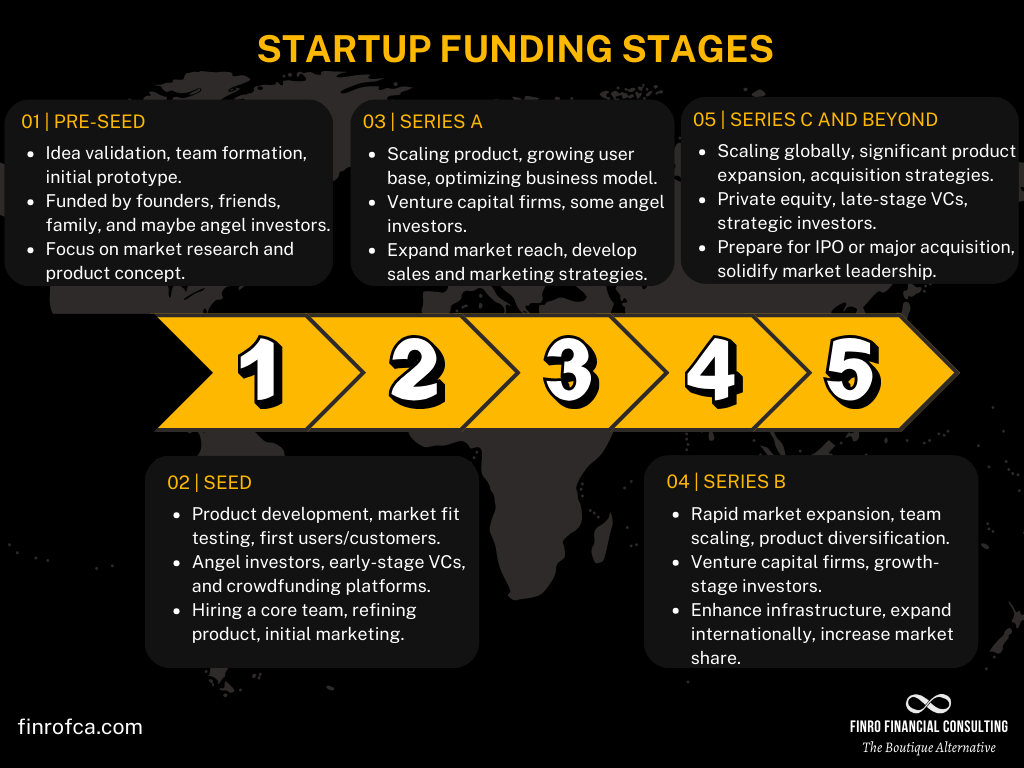
Securing funding for an idea-stage startup can be a daunting challenge, but identifying the right investors is a critical first step. Early-stage investors, such as angel investors, venture capital firms specializing in seed funding, and startup accelerators, are often the most receptive to backing innovative concepts. These investors not only provide capital but also bring valuable expertise, mentorship, and networking opportunities to help transform ideas into viable businesses. Understanding the types of investors aligned with your vision, their investment criteria, and their expectations is essential for crafting a compelling pitch. This article explores the key investor profiles to approach and offers insights into navigating the funding landscape for idea-stage startups.
- Which Investors Can I Approach for Funding an Idea Stage Startup?
- How to get funding for an idea stage startup?
-
Who invests in idea Stage?
- Who Invests in the Idea Stage?
- Why Do Angel Investors Support Idea-Stage Startups?
- How Do Friends and Family Contribute to Idea-Stage Funding?
- What Role Do Incubators and Accelerators Play in Idea-Stage Funding?
- Why Are Crowdfunding Platforms Popular for Idea-Stage Funding?
- What Are the Risks for Investors in the Idea Stage?
- Can you get investors for an idea?
- Who are the investors in early stage startups?
- Frequently Asked Questions (FAQs)
Which Investors Can I Approach for Funding an Idea Stage Startup?
Securing funding for an idea-stage startup can be challenging, but there are specific types of investors who are more inclined to support early-stage ventures. These investors understand the risks and potential of innovative ideas and are willing to provide the necessary capital to help them grow. Below, we explore the types of investors you can approach and how they can assist in turning your idea into a reality.
See Also Which Angels or Vcs Will Fund Hardware Startups?
1. Angel Investors
Angel investors are high-net-worth individuals who invest their personal funds into early-stage startups. They often provide not only capital but also mentorship and industry connections. These investors are ideal for idea-stage startups because they are more willing to take risks compared to traditional venture capitalists. Many angel investors have entrepreneurial backgrounds, making them valuable advisors.
| Key Characteristics | Benefits |
|---|---|
| Invest personal funds | Flexible investment terms |
| Provide mentorship | Access to industry networks |
| Focus on early-stage startups | Willing to take higher risks |
2. Venture Capital Firms with Early-Stage Focus
Some venture capital (VC) firms specialize in funding idea-stage startups. These firms often have dedicated funds for seed or pre-seed investments. While they may require more traction than angel investors, they can provide larger amounts of capital and additional resources to scale your startup quickly.
See Also What Are Alternatives to Venture Capital?
| Key Characteristics | Benefits |
|---|---|
| Focus on high-growth potential | Larger investment amounts |
| Require a solid business plan | Access to professional networks |
| Provide strategic guidance | Help with scaling operations |
3. Startup Accelerators and Incubators
Startup accelerators and incubators are programs designed to support early-stage startups. They provide funding, mentorship, workspace, and access to a network of investors and industry experts. These programs are highly competitive but can be a game-changer for idea-stage startups looking to refine their business model and gain traction.
| Key Characteristics | Benefits |
|---|---|
| Short-term programs | Structured mentorship |
| Equity-based funding | Access to investor networks |
| Focus on rapid growth | Workspace and resources |
4. Crowdfunding Platforms
Crowdfunding platforms like Kickstarter, Indiegogo, and SeedInvest allow startups to raise funds directly from the public. This method is particularly useful for idea-stage startups with a compelling story or product that resonates with a broad audience. Crowdfunding not only provides capital but also validates your idea by demonstrating market interest.
See Also How Are Advisors to a Vc Firm Compensated?
| Key Characteristics | Benefits |
|---|---|
| Community-driven funding | Market validation |
| No equity dilution | Access to a global audience |
| Requires strong marketing | Builds early customer base |
5. Friends and Family
For many idea-stage startups, the first source of funding comes from friends and family. These individuals are often more willing to take a risk on your vision because of their personal relationship with you. While this type of funding is less formal, it’s crucial to treat it professionally to avoid conflicts.
| Key Characteristics | Benefits |
|---|---|
| Informal agreements | Quick access to funds |
| Personal trust-based | Flexible repayment terms |
| Lower expectations | Minimal bureaucracy |
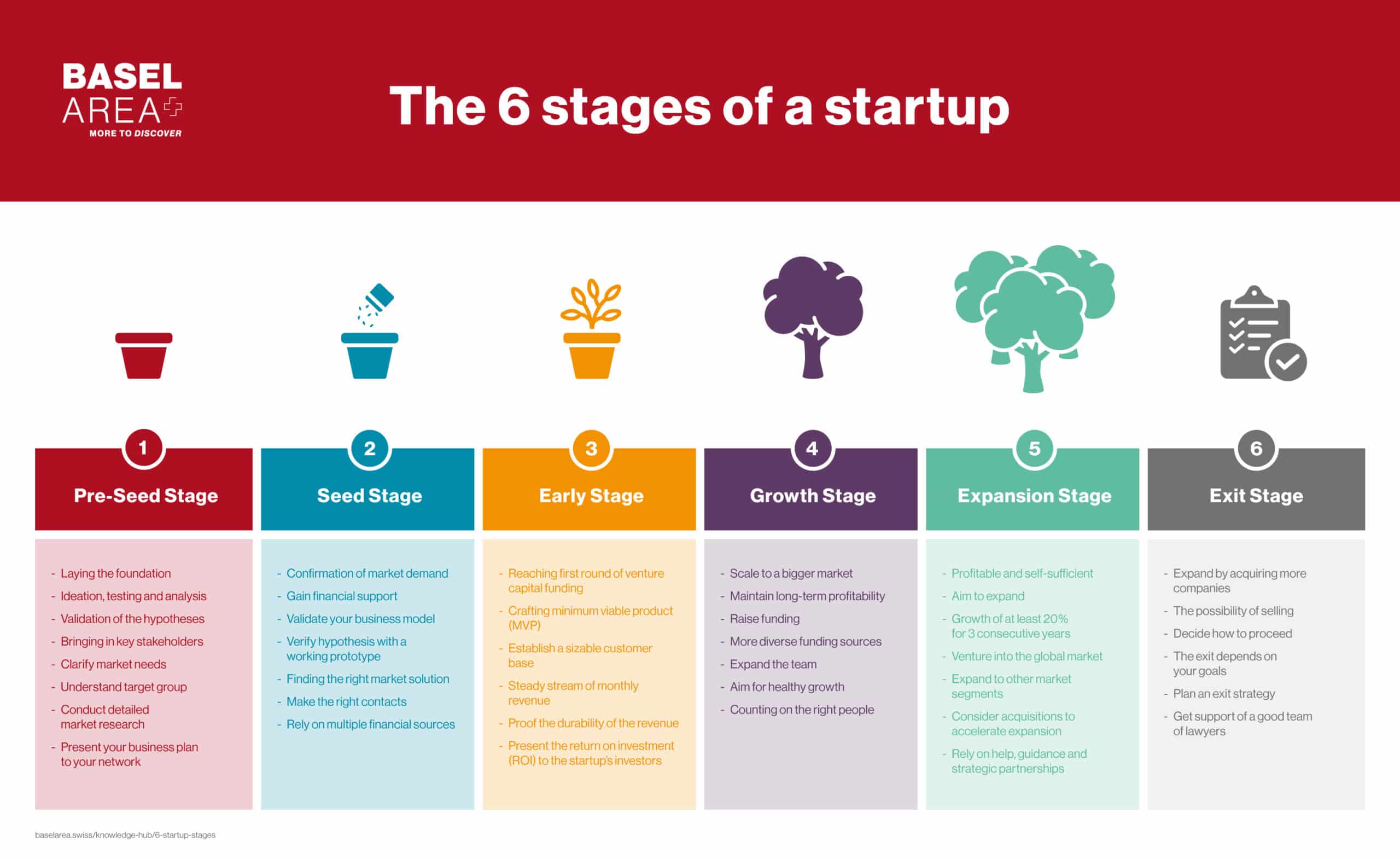
How to get funding for an idea stage startup?
 Are Moic and Irr the Most Important Financial Metrics to Track in a Venture Capital Portfolio
1. Develop a Strong Business Plan
To secure funding for an idea-stage startup, it is crucial to have a well-structured business plan. This document should clearly outline your vision, mission, target market, and revenue model. Investors need to see that you have a clear path to profitability and a deep understanding of your industry. Here are some key elements to include:
- Executive Summary: A concise overview of your business idea, goals, and how you plan to achieve them.
- Market Analysis: Detailed research on your target market, including size, growth potential, and competitive landscape.
- Financial Projections: Realistic estimates of revenue, expenses, and profitability over the next 3-5 years.
2. Build a Prototype or MVP
Having a Minimum Viable Product (MVP) or prototype can significantly increase your chances of securing funding. An MVP demonstrates that your idea is feasible and that you have the technical skills to bring it to life. Here’s how to approach this:
- Identify Core Features: Focus on the essential features that solve the primary problem for your target audience.
- Gather Feedback: Use the MVP to collect feedback from potential users and make necessary adjustments.
- Show Traction: Even early signs of user interest or engagement can be compelling to investors.
3. Leverage Personal Networks and Angel Investors
At the idea stage, personal networks and angel investors are often the most accessible sources of funding. These individuals are typically more willing to take risks on early-stage startups. Here’s how to approach them:
- Network Actively: Attend industry events, join startup communities, and leverage LinkedIn to connect with potential investors.
- Prepare a Pitch: Be ready to explain your idea succinctly and passionately, focusing on the problem you’re solving and the market opportunity.
- Offer Equity: Be prepared to offer a stake in your company in exchange for funding.
4. Explore Crowdfunding Platforms
Crowdfunding is another viable option for idea-stage startups. Platforms like Kickstarter, Indiegogo, and GoFundMe allow you to raise small amounts of money from a large number of people. Here’s how to succeed with crowdfunding:
- Create a Compelling Campaign: Use engaging visuals, videos, and a clear value proposition to attract backers.
- Set Realistic Goals: Define a funding target that covers your initial costs without being overly ambitious.
- Offer Rewards: Provide incentives for backers, such as early access to your product or exclusive perks.
5. Apply for Grants and Competitions
Many organizations and governments offer grants and competitions specifically for early-stage startups. These funding sources are often non-dilutive, meaning you don’t have to give up equity. Here’s how to take advantage of these opportunities:
- Research Opportunities: Look for grants and competitions that align with your industry and business model.
- Prepare a Strong Application: Highlight the uniqueness of your idea, its potential impact, and your team’s capabilities.
- Network with Judges and Organizers: Building relationships with the people behind these programs can increase your chances of success.
Who invests in idea Stage?
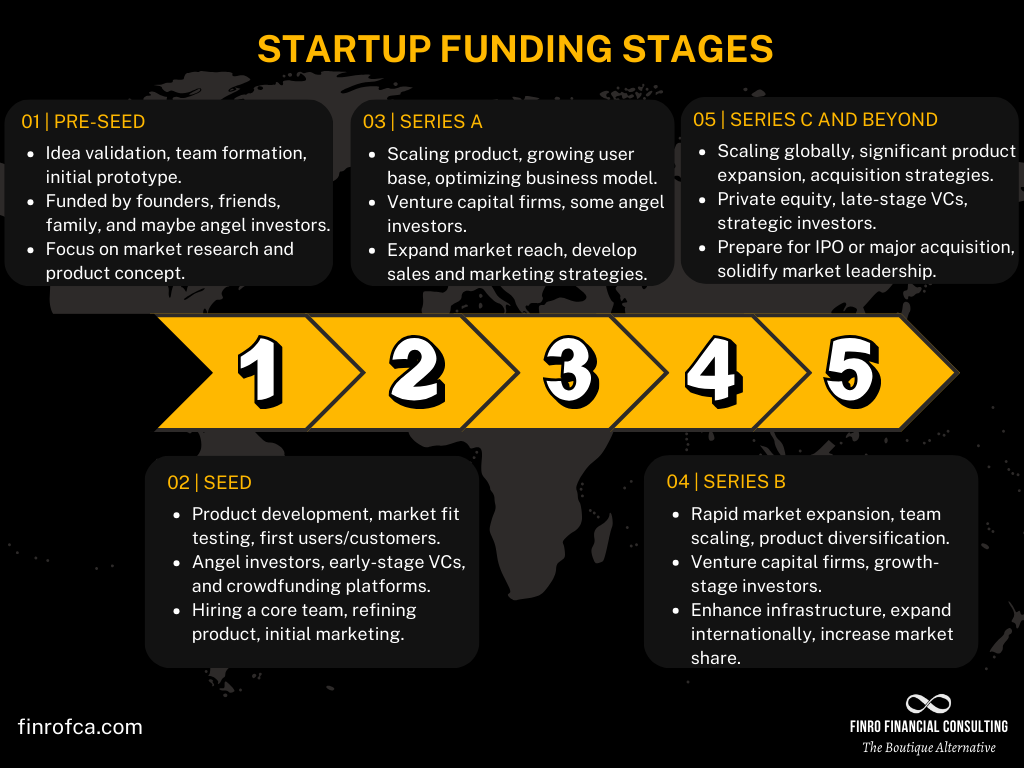
Who Invests in the Idea Stage?
Investing in the idea stage typically involves individuals or entities willing to take high risks for potentially high rewards. These investors are often visionaries who believe in the potential of a concept before it has been fully developed or proven. Below are the key players who invest in this early stage:
- Angel Investors: High-net-worth individuals who provide capital in exchange for equity or convertible debt. They often invest in startups during the idea stage due to their willingness to take risks.
- Friends and Family: Close acquaintances who believe in the entrepreneur's vision and are willing to provide financial support, often without formal agreements.
- Incubators and Accelerators: Organizations that offer funding, mentorship, and resources to help startups refine their ideas and grow.
- Venture Capitalists (VCs): While less common at the idea stage, some VCs specialize in pre-seed funding for highly promising concepts.
- Crowdfunding Platforms: Platforms like Kickstarter or Indiegogo allow entrepreneurs to raise small amounts of money from a large number of people who believe in their idea.
Why Do Angel Investors Support Idea-Stage Startups?
Angel investors are often drawn to idea-stage startups because they see the potential for significant returns on investment. They are typically experienced entrepreneurs or business professionals who can provide not only capital but also valuable guidance.
- High Growth Potential: They look for ideas with the potential to scale rapidly and disrupt markets.
- Early Equity Stake: Investing early allows them to acquire a larger equity stake at a lower cost.
- Personal Interest: Many angel investors are passionate about specific industries or innovations.
How Do Friends and Family Contribute to Idea-Stage Funding?
Friends and family are often the first source of funding for entrepreneurs. Their support is crucial because it provides the initial capital needed to turn an idea into a tangible product or service.
- Trust-Based Relationships: They invest based on personal trust rather than formal business evaluations.
- Flexible Terms: Funding from friends and family often comes with fewer strings attached compared to institutional investors.
- Emotional Support: Beyond money, they offer moral support, which can be invaluable during the early stages.
What Role Do Incubators and Accelerators Play in Idea-Stage Funding?
Incubators and accelerators are organizations designed to nurture early-stage startups. They provide a combination of funding, mentorship, and resources to help entrepreneurs refine their ideas and prepare for larger investments.
- Structured Programs: They offer structured programs that guide startups through the initial phases of development.
- Networking Opportunities: Access to a network of mentors, investors, and industry experts is a key benefit.
- Seed Funding: Many provide small amounts of seed funding in exchange for equity.
Why Are Crowdfunding Platforms Popular for Idea-Stage Funding?
Crowdfunding platforms have become a popular way to raise funds for idea-stage projects. They allow entrepreneurs to validate their ideas while securing the necessary capital.
- Market Validation: Successful campaigns demonstrate market interest and validate the idea.
- Community Building: Backers often become early adopters and brand advocates.
- No Equity Dilution: Entrepreneurs retain full ownership of their idea, unlike with equity-based funding.
What Are the Risks for Investors in the Idea Stage?
Investing in the idea stage carries significant risks, as the concept is often unproven and lacks a track record. Investors must carefully evaluate the potential rewards against these risks.
- High Failure Rate: Many startups fail during the early stages due to lack of market fit or execution issues.
- Uncertain Returns: Returns are highly uncertain, and it may take years to see any profit, if at all.
- Limited Information: Investors often have limited data to assess the viability of the idea.
Can you get investors for an idea?

How to Attract Investors for Your Idea
Attracting investors for an idea requires a combination of a compelling vision, a solid business plan, and the ability to communicate effectively. Investors are looking for ideas that have the potential to generate significant returns, so it's crucial to demonstrate how your idea stands out in the market. Here are some steps to consider:
- Develop a clear and concise pitch that highlights the unique value of your idea.
- Research potential investors who have a history of investing in similar industries or ideas.
- Prepare a detailed business plan that includes market analysis, financial projections, and a roadmap for growth.
What Do Investors Look for in an Idea?
Investors evaluate ideas based on several key factors, including market potential, scalability, and the team behind the idea. They want to see that your idea can grow and adapt in a competitive market. Here’s what investors typically focus on:
- Market size and demand: Is there a significant need for your idea?
- Innovation: Does your idea offer something new or solve a problem in a unique way?
- Execution capability: Can you and your team deliver on the promises made in your pitch?
Steps to Validate Your Idea Before Seeking Investors
Before approaching investors, it’s essential to validate your idea to ensure it has real potential. This process involves testing your concept in the market and gathering feedback. Here’s how to validate your idea effectively:
- Conduct market research to understand your target audience and competitors.
- Create a minimum viable product (MVP) to test your idea with real users.
- Analyze feedback and make necessary adjustments to improve your idea.
How to Build a Network to Connect with Investors
Building a strong network is critical for connecting with potential investors. Networking allows you to establish relationships and gain credibility in your industry. Here are some strategies to build your network:
- Attend industry events and conferences to meet like-minded professionals and investors.
- Leverage social media platforms like LinkedIn to connect with investors and share your progress.
- Seek mentorship from experienced entrepreneurs who can introduce you to their network.
Common Mistakes to Avoid When Pitching to Investors
Pitching to investors can be challenging, and certain mistakes can hinder your chances of securing funding. Here are some common pitfalls to avoid:
- Lack of preparation: Failing to research the investor or rehearse your pitch.
- Overpromising: Making unrealistic claims about your idea’s potential.
- Ignoring feedback: Not being open to constructive criticism from investors.
Who are the investors in early stage startups?

Angel Investors
Angel investors are typically high-net-worth individuals who provide capital for startups in exchange for equity or convertible debt. They often invest during the seed stage or early stages of a startup's development. Key characteristics of angel investors include:
- Personal funds: They use their own money to invest in startups.
- Mentorship: Many angel investors offer guidance and mentorship to founders.
- Risk tolerance: They are willing to take higher risks for potentially high returns.
Venture Capital Firms
Venture capital (VC) firms are professional investment groups that pool money from various sources to invest in startups. They typically focus on early-stage companies with high growth potential. Key aspects of VC firms include:
- Structured funds: They manage funds from institutional investors, corporations, and wealthy individuals.
- Equity stakes: VCs usually take significant equity stakes in the startups they invest in.
- Active involvement: They often play an active role in the company's strategy and operations.
Accelerators and Incubators
Accelerators and incubators are programs designed to support early-stage startups by providing funding, mentorship, and resources. They often take equity in exchange for their services. Key features include:
- Seed funding: They provide initial capital to help startups get off the ground.
- Networking opportunities: They connect startups with industry experts and potential investors.
- Structured programs: They offer structured programs to help startups grow and scale quickly.
Crowdfunding Platforms
Crowdfunding platforms allow startups to raise small amounts of money from a large number of people, typically through online platforms. This method is often used to validate ideas and gain early traction. Key points include:
- Diverse backers: Funds come from a wide range of individuals, not just professional investors.
- Reward-based: Backers may receive rewards or early access to products instead of equity.
- Market validation: Successful campaigns can serve as proof of market interest.
Corporate Investors
Corporate investors are established companies that invest in startups to foster innovation and gain strategic advantages. They often invest through corporate venture capital arms or direct investments. Key aspects include:
- Strategic alignment: Investments are often aligned with the corporation's business goals.
- Access to resources: Startups may gain access to the corporation's resources, networks, and expertise.
- Long-term partnerships: These investments can lead to long-term partnerships or acquisitions.
Frequently Asked Questions (FAQs)
What types of investors are suitable for funding an idea-stage startup?
For idea-stage startups, the most suitable investors are typically angel investors, pre-seed venture capital firms, and startup accelerators. Angel investors are high-net-worth individuals who invest their own money in early-stage ventures, often in exchange for equity. Pre-seed venture capital firms specialize in funding startups at the earliest stages, even before a product is fully developed. Startup accelerators, on the other hand, provide not only funding but also mentorship, resources, and networking opportunities to help startups grow.
How do I identify angel investors interested in my industry?
To identify angel investors interested in your industry, start by researching online platforms like AngelList, Crunchbase, or Gust, which list investors by industry focus. Attend startup networking events, pitch competitions, and industry-specific conferences where angel investors often participate. Additionally, leverage your professional network to seek introductions to investors who have previously funded startups in your sector. Many angel investors also have public profiles or portfolios that highlight their areas of interest, making it easier to target those aligned with your startup.
What should I include in my pitch to attract idea-stage investors?
When pitching to idea-stage investors, focus on presenting a clear and compelling problem-solution fit. Start by explaining the problem your startup aims to solve and why it matters. Then, describe your proposed solution and how it stands out from existing alternatives. Highlight your market opportunity, including the size and growth potential of the target market. Even if you don’t have a fully developed product, showcase your vision, team expertise, and any early traction, such as customer interviews or prototypes. Investors at this stage are primarily looking for passion, clarity, and the potential for significant returns.
Are there any risks in approaching investors too early?
Approaching investors too early can pose certain risks. If your idea is not well-defined or lacks a clear value proposition, you may struggle to secure funding and risk damaging your credibility with investors. Additionally, some investors may be hesitant to invest in a startup that hasn’t demonstrated any proof of concept or market validation. To mitigate these risks, ensure you have a solid pitch, a strong team, and at least some preliminary research or data to support your idea. It’s also wise to target investors who specialize in early-stage funding and understand the inherent uncertainties of idea-stage startups.
Leave a Reply
Our Recommended Articles