
Where Can I Find Investment Memos From Vc Firms?


Investment memos are essential documents used by venture capital (VC) firms to evaluate potential investment opportunities. These detailed reports outline the rationale behind funding decisions, including market analysis, competitive landscape, financial projections, and risks. For entrepreneurs, investors, or enthusiasts seeking insights into VC decision-making, accessing investment memos can be invaluable. However, these documents are typically confidential and rarely shared publicly. Despite this, there are ways to find or learn from investment memos, such as through leaked documents, case studies, or platforms that aggregate VC insights. This article explores where and how to locate investment memos, offering guidance for those eager to understand the inner workings of venture capital.
Where Can I Find Investment Memos From VC Firms?
Investment memos from venture capital (VC) firms are detailed documents that outline the rationale behind an investment decision. These memos are typically internal documents, but there are ways to access them or similar resources. Below, we explore where you can find investment memos and related information.
See Also Are Moic and Irr the Most Important Financial Metrics to Track in a Venture Capital Portfolio
Some VC firms occasionally share their investment memos publicly as part of their transparency efforts or educational initiatives. Firms like Andreessen Horowitz (a16z) and First Round Capital have published insights and case studies that resemble investment memos. These resources can be found on their official blogs or websites.
2. Startup Pitch Decks and Case Studies
While not exactly investment memos, startup pitch decks and case studies often provide similar insights. Platforms like PitchDeckHunt or SlideShare host pitch decks that have been shared publicly. These can give you a sense of how startups present their ideas and how VCs might evaluate them.
See Also How Much Do Analysts Senior Analysts at Vc Firms Make How is Compensation Structured
3. VC Firm Websites and Blogs
Many VC firms maintain blogs where they discuss their investment strategies, portfolio companies, and decision-making processes. For example, Sequoia Capital and Benchmark often publish articles that provide a glimpse into their investment philosophies, which can be as informative as an investment memo.
Industry reports and newsletters from firms like CB Insights or PitchBook often include detailed analyses of investment trends and decisions. These reports can serve as a proxy for understanding the thought processes behind VC investments.
See Also Which Venture Capital Firms Invest Heavily in Bio Med and Healthcare Companies
5. Networking and Direct Requests
Building relationships with professionals in the VC industry can sometimes grant you access to investment memos. Attending industry events, joining forums like AngelList, or connecting with VCs on LinkedIn can open doors to such resources. However, be mindful of confidentiality and ethical considerations when requesting sensitive documents.
| Resource | Description |
|---|---|
| VC Firm Blogs | Official blogs of VC firms often share insights similar to investment memos. |
| Pitch Deck Platforms | Websites like PitchDeckHunt host startup pitch decks that mimic investment memos. |
| Industry Reports | Reports from CB Insights or PitchBook provide detailed investment analyses. |
| Networking | Building connections in the VC industry can lead to access to investment memos. |
| Publicly Shared Memos | Some VC firms publish investment memos as part of their transparency efforts. |
What is a VC investment memo?
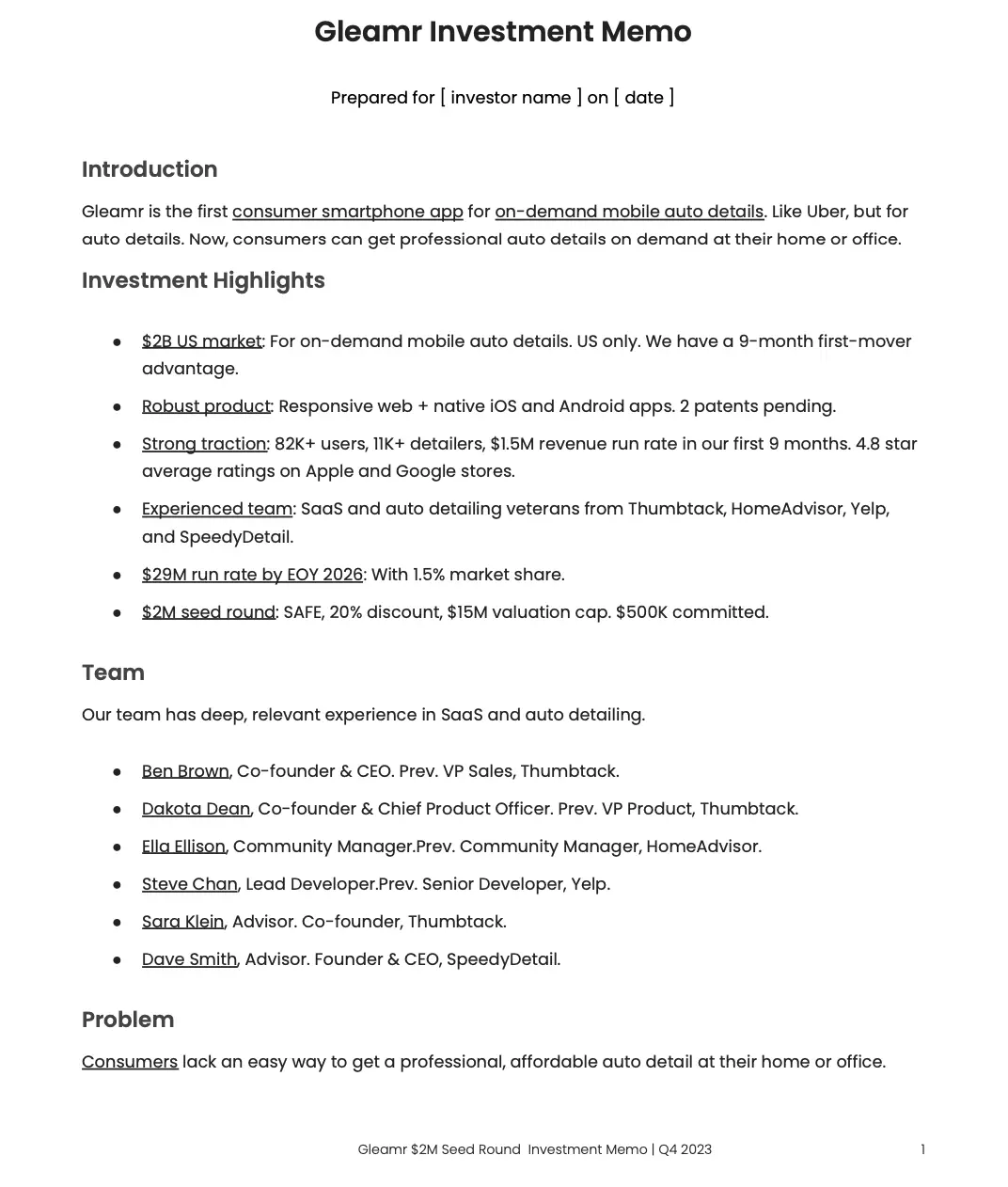
 Venture Capital: Which Vcs Blog?
What is a VC Investment Memo?
A VC investment memo is a document prepared by venture capital (VC) firms to evaluate and justify a potential investment in a startup or company. It serves as a comprehensive analysis of the opportunity, outlining the key factors that make the investment attractive or risky. The memo is typically shared internally among partners and decision-makers to facilitate informed discussions and decisions.
- Purpose: The primary goal is to provide a clear and concise overview of the investment opportunity, including the business model, market potential, and risks.
- Structure: It usually includes sections like executive summary, market analysis, team evaluation, financial projections, and competitive landscape.
- Decision-making tool: It helps VCs determine whether to proceed with the investment, negotiate terms, or pass on the opportunity.
Key Components of a VC Investment Memo
A VC investment memo is structured to cover all critical aspects of the investment opportunity. Below are the essential components:
See Also Which Venture Capitalists Make Investments in Fashion Tech Ventures and Are Fashion Savvy Themselves
- Executive Summary: A brief overview of the company, its mission, and the investment thesis.
- Market Opportunity: Analysis of the target market size, growth potential, and trends.
- Team Evaluation: Assessment of the founding team’s experience, skills, and track record.
- Product/Service: Description of the product or service, its uniqueness, and competitive advantages.
- Financial Projections: Revenue, expenses, and profitability forecasts, often including sensitivity analysis.
Why is a VC Investment Memo Important?
The VC investment memo plays a critical role in the investment process for several reasons:
- Clarity: It provides a structured and detailed analysis, ensuring all stakeholders have a clear understanding of the opportunity.
- Risk Assessment: It highlights potential risks and challenges, helping VCs make informed decisions.
- Alignment: It aligns the investment team around a shared understanding of the opportunity and its potential.
How to Write an Effective VC Investment Memo
Writing an effective VC investment memo requires a balance of thorough analysis and concise communication. Here are some tips:
- Be concise: Focus on the most critical points and avoid unnecessary details.
- Use data: Support your analysis with relevant data, market research, and financial metrics.
- Highlight risks: Clearly outline potential risks and how they might be mitigated.
- Tailor the memo: Customize the memo to the specific audience, such as partners or investors.
Common Mistakes to Avoid in a VC Investment Memo
While preparing a VC investment memo, certain mistakes can undermine its effectiveness. Avoid these common pitfalls:
- Overloading with information: Including too much detail can make the memo difficult to read and dilute key points.
- Ignoring risks: Failing to address potential risks can lead to unrealistic expectations.
- Lack of structure: A poorly organized memo can confuse readers and weaken the investment case.
- Overly optimistic projections: Unrealistic financial forecasts can damage credibility.
How do you source VC investments?

Understanding the Venture Capital Ecosystem
To source VC investments, it is crucial to understand the venture capital ecosystem. This involves identifying key players, such as venture capital firms, angel investors, and institutional investors, and understanding their investment criteria. Here are some steps to get started:
- Research prominent VC firms and their focus areas (e.g., tech, healthcare, fintech).
- Identify angel investors who specialize in early-stage funding.
- Attend networking events and conferences to connect with potential investors.
Building a Strong Pitch Deck
A compelling pitch deck is essential to attract VC investments. It should clearly communicate your business model, market opportunity, and growth potential. Key elements to include are:
- Problem statement: Clearly define the problem your product or service solves.
- Solution: Explain how your offering addresses the problem uniquely.
- Market size: Provide data on the total addressable market (TAM) and growth potential.
Leveraging Networking and Referrals
Networking plays a vital role in sourcing VC investments. Building relationships with industry professionals and leveraging referrals can open doors to potential investors. Consider the following strategies:
- Join startup incubators or accelerators to gain access to investor networks.
- Seek introductions from mentors or advisors who have connections in the VC space.
- Utilize LinkedIn and other professional platforms to connect with investors directly.
Utilizing Online Platforms and Databases
Online platforms and databases can streamline the process of sourcing VC investments. These tools provide access to investor profiles, funding histories, and contact information. Some useful resources include:
- Crunchbase: A comprehensive database of startups, investors, and funding rounds.
- AngelList: A platform connecting startups with angel investors and venture capitalists.
- PitchBook: A tool for tracking private market data and investor activity.
Engaging with Venture Capital Firms Directly
Direct engagement with venture capital firms is a proactive way to source investments. This involves reaching out to firms that align with your industry and stage of growth. Steps to take include:
- Identify firms that have invested in similar startups or industries.
- Prepare a tailored email pitch highlighting your unique value proposition.
- Follow up consistently and be prepared to provide additional information or attend meetings.
How do I find venture capital investments?
:max_bytes(150000):strip_icc()/Venturecapital-2f7ba3a27d0545f682a6238ea6b16cb9.png)
Understanding Venture Capital Basics
To find venture capital investments, it is essential to first understand what venture capital is and how it works. Venture capital (VC) is a form of private equity financing that investors provide to early-stage, high-potential startups with the expectation of significant returns. Here are some key points to consider:
- Research the VC ecosystem: Learn about the different stages of venture capital funding, such as seed, Series A, Series B, and beyond.
- Identify your industry focus: Venture capitalists often specialize in specific industries, so determine which VCs align with your business sector.
- Understand the investment criteria: VCs look for startups with high growth potential, a scalable business model, and a strong team.
Building a Strong Business Plan
A well-crafted business plan is crucial when seeking venture capital. It serves as a roadmap for your business and demonstrates to investors that you have a clear vision and strategy. Here’s how to create an effective business plan:
- Executive summary: Provide a concise overview of your business, including your mission, product, and market opportunity.
- Market analysis: Showcase your understanding of the market, including size, growth potential, and competitive landscape.
- Financial projections: Include detailed financial forecasts, such as revenue, expenses, and cash flow, to demonstrate profitability potential.
Networking with Venture Capitalists
Building relationships with venture capitalists is a critical step in securing funding. Networking allows you to connect with potential investors and gain valuable insights. Follow these steps to expand your network:
- Attend industry events: Participate in startup conferences, pitch competitions, and networking events to meet VCs.
- Leverage LinkedIn: Use professional networking platforms to connect with venture capitalists and industry experts.
- Seek warm introductions: Ask mutual contacts, such as mentors or advisors, to introduce you to VCs.
Preparing a Compelling Pitch Deck
A pitch deck is a visual presentation that outlines your business idea and value proposition to potential investors. It should be concise, engaging, and persuasive. Here’s what to include:
- Problem and solution: Clearly define the problem your product or service solves and how it addresses market needs.
- Business model: Explain how your company generates revenue and achieves profitability.
- Traction and milestones: Highlight key achievements, such as user growth, partnerships, or product launches.
Evaluating and Negotiating Offers
Once you receive venture capital offers, it’s important to carefully evaluate and negotiate the terms to ensure they align with your business goals. Consider the following steps:
- Assess valuation and equity: Understand how much equity you’re giving up and whether the valuation reflects your company’s potential.
- Review investor terms: Pay attention to terms like board seats, voting rights, and liquidation preferences.
- Seek legal advice: Consult with a lawyer to ensure the terms are fair and protect your interests.
What are investor memos?
What Are Investor Memos?
Investor memos, also known as investment memorandums, are formal documents created by companies or financial advisors to present detailed information about an investment opportunity to potential investors. These memos are designed to provide a comprehensive overview of the business, its financial performance, market potential, and risks. They serve as a critical tool for decision-making, helping investors evaluate whether the opportunity aligns with their investment goals.
Key Components of an Investor Memo
An effective investor memo typically includes the following key components:
- Executive Summary: A concise overview of the business, its mission, and the investment opportunity.
- Business Model: A detailed explanation of how the company generates revenue and its operational structure.
- Market Analysis: Insights into the target market, industry trends, and competitive landscape.
- Financial Projections: Forecasts of revenue, expenses, and profitability over a specific period.
- Risk Factors: A transparent discussion of potential risks and challenges associated with the investment.
Purpose of Investor Memos
Investor memos serve several important purposes in the investment process:
- Attracting Investors: They provide a clear and compelling case for why investors should consider the opportunity.
- Transparency: They ensure that all relevant information is disclosed, fostering trust between the company and potential investors.
- Decision-Making Tool: They help investors assess the viability and potential return on investment.
- Legal Compliance: They ensure that the company adheres to regulatory requirements when presenting investment opportunities.
How to Write an Effective Investor Memo
Writing an effective investor memo requires careful planning and attention to detail. Here are some steps to follow:
- Research Thoroughly: Gather accurate and up-to-date information about the business, market, and financials.
- Structure Clearly: Organize the memo into logical sections for easy readability.
- Be Concise: Avoid unnecessary jargon and keep the content focused and to the point.
- Highlight Key Metrics: Emphasize financial performance, growth potential, and unique selling points.
- Review and Edit: Ensure the memo is free of errors and presents a professional image.
Common Mistakes to Avoid in Investor Memos
When creating an investor memo, it’s important to avoid common pitfalls that can undermine its effectiveness:
- Overpromising: Avoid making unrealistic claims about returns or growth potential.
- Lack of Detail: Failing to provide sufficient information can lead to skepticism from investors.
- Ignoring Risks: Not addressing potential risks can make the memo appear one-sided and untrustworthy.
- Poor Formatting: A disorganized or poorly formatted memo can deter investors from reading it thoroughly.
- Neglecting Updates: Ensure the memo reflects the latest data and developments in the business.
Frequently Asked Questions (FAQs)
Where can I find investment memos from VC firms?
Investment memos from VC firms are often considered confidential documents, but there are a few ways to access them. Some VC firms publish case studies or summaries of their investments on their websites or blogs. Additionally, platforms like Medium or Substack sometimes feature posts from venture capitalists sharing insights or excerpts from their memos. Another option is to explore industry reports or databases like PitchBook or CB Insights, which may include summaries or analyses of investment decisions.
Are investment memos from VC firms publicly available?
Generally, investment memos are not publicly available due to their confidential nature. These documents contain sensitive information about a company's financials, strategy, and potential risks, which VC firms typically keep private. However, some firms may share redacted versions or anonymized summaries in educational materials, conferences, or interviews. If you're looking for insights, consider following VC blogs or podcasts where investors discuss their decision-making processes.
Can I request investment memos directly from VC firms?
Requesting investment memos directly from VC firms is unlikely to be successful, as these documents are usually reserved for internal use or shared only with limited partners (LPs). However, building a relationship with a VC firm or its partners might provide you with access to insights or case studies. Networking at industry events or joining platforms like AngelList could also help you connect with investors willing to share their experiences.
What are some alternatives to accessing VC investment memos?
If you cannot access investment memos directly, there are several alternatives to gain similar insights. Many VC firms publish thought leadership content, such as blog posts, podcasts, or videos, where they discuss their investment strategies and portfolio companies. Additionally, platforms like Crunchbase or TechCrunch provide detailed analyses of funding rounds and investor perspectives. Lastly, academic papers or books written by venture capitalists often include case studies that mimic the structure and content of investment memos.
Leave a Reply
Our Recommended Articles