
Which Venture Capital Firms Invest in Recruitment Technology Space

The recruitment technology space has seen significant growth in recent years, driven by the increasing demand for innovative solutions to streamline hiring processes, enhance candidate experiences, and improve workforce management. As this sector continues to evolve, venture capital firms have taken notice, investing heavily in startups that are reshaping the future of talent acquisition. From AI-driven platforms to applicant tracking systems and workforce analytics tools, the recruitment tech ecosystem is attracting substantial funding. This article explores the venture capital firms that are actively backing this dynamic industry, highlighting their investment strategies and the key players they support in transforming how companies find and hire talent.
- Which Venture Capital Firms Invest in Recruitment Technology Space?
- Who is the top VC in tech?
- How does venture capital recruiting work?
- What are VCs in tech?
- What does VC mean in recruitment?
-
Frequently Asked Questions (FAQs)
- Which venture capital firms are actively investing in the recruitment technology space?
- What criteria do venture capital firms use to evaluate recruitment technology startups?
- How do venture capital firms benefit from investing in recruitment technology?
- What are some notable examples of recruitment technology startups backed by venture capital?
Which Venture Capital Firms Invest in Recruitment Technology Space?
The recruitment technology space has seen significant growth in recent years, driven by advancements in artificial intelligence, machine learning, and data analytics. Venture capital firms have been actively investing in this sector, recognizing the potential for innovation and disruption in the hiring process. These firms are backing startups that offer solutions such as applicant tracking systems, AI-driven candidate matching, video interviewing platforms, and employee engagement tools. Below, we explore some of the key venture capital firms investing in this space and the trends shaping their investment strategies.
See Also Who Are the Top Active Vcs in the Education Technology Space
1. Top Venture Capital Firms in Recruitment Technology
Several prominent venture capital firms have made notable investments in recruitment technology. Firms like Sequoia Capital, Andreessen Horowitz, and Accel have been at the forefront, funding startups that are redefining how companies attract, hire, and retain talent. These firms often look for companies with scalable solutions, strong leadership teams, and a clear value proposition in the competitive HR tech market.
2. Key Trends Driving Investments in Recruitment Tech
The recruitment technology sector is being shaped by trends such as AI-powered hiring tools, remote work solutions, and diversity and inclusion platforms. Venture capital firms are particularly interested in startups that address these trends, as they align with the evolving needs of modern workplaces. For example, AI-driven platforms that reduce bias in hiring or tools that streamline remote onboarding processes are attracting significant funding.
See Also Are There Any Venture Capital Funds in the Nutrition Natural Product and or Health Wellness Industry
3. Notable Startups Backed by Venture Capital
Startups like Greenhouse, Lever, and HireVue have secured substantial investments from venture capital firms. These companies offer innovative solutions such as candidate relationship management, interview automation, and predictive analytics for hiring. The table below highlights some of the most funded startups in this space:
| Startup | Key Solution | Investors |
|---|---|---|
| Greenhouse | Applicant Tracking System | Sequoia Capital, Benchmark |
| Lever | Candidate Relationship Management | Scale Venture Partners, Matrix Partners |
| HireVue | AI-Driven Video Interviews | Insight Partners, Granite Ventures |
4. Geographic Focus of Venture Capital Investments
Venture capital investments in recruitment technology are concentrated in regions with strong tech ecosystems, such as Silicon Valley, New York, and London. These areas are home to both innovative startups and established tech companies, making them attractive hubs for venture capital activity. However, emerging markets in Asia and Europe are also gaining attention as they present untapped opportunities for growth.
See Also Which Venture Capital Firms Invest in Online Marketplaces?
5. Future Outlook for Recruitment Tech Investments
The future of venture capital investments in recruitment technology looks promising, with increasing demand for automation, data-driven decision-making, and employee experience platforms. As the workforce continues to evolve, venture capital firms are expected to focus on startups that can adapt to changing labor market dynamics and deliver measurable ROI for businesses.
Who is the top VC in tech?
Who is Considered the Top VC in Tech?
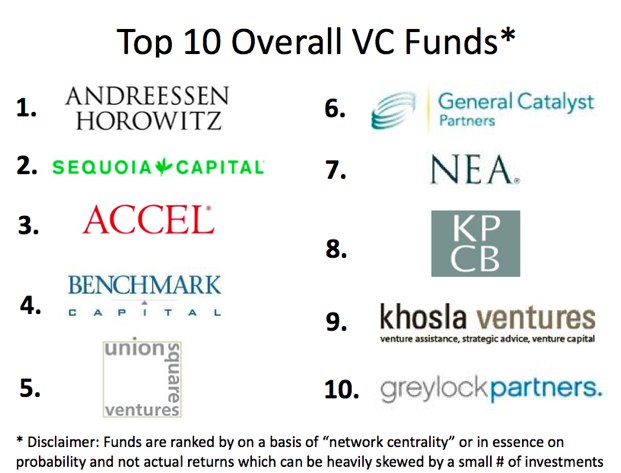
Determining the top venture capitalist (VC) in tech is subjective and depends on metrics like deal flow, portfolio success, and influence. However, Marc Andreessen and Ben Horowitz of Andreessen Horowitz (a16z) are often regarded as leaders in the field. Their firm has backed some of the most successful tech companies, including Facebook, Twitter, and Airbnb. Other notable names include Mary Meeker of Bond Capital and John Doerr of Kleiner Perkins.
- Marc Andreessen: Co-founder of a16z, known for his early investment in Netscape and his influential role in shaping the internet.
- Ben Horowitz: Co-founder of a16z, recognized for his operational expertise and investments in cloud computing and enterprise software.
- Mary Meeker: A pioneer in internet trends analysis, she has invested in companies like Slack and Pinterest.
What Makes a VC Stand Out in the Tech Industry?
A top VC in tech stands out due to their ability to identify disruptive technologies, build strong relationships with founders, and provide value beyond capital. Key factors include:
- Track Record: Consistently backing successful startups like Google or Uber.
- Network: Access to a vast network of industry leaders, mentors, and potential partners.
- Vision: The ability to foresee industry trends and invest in emerging markets early.
What Are the Most Notable Investments by Top Tech VCs?
Top tech VCs have made investments that transformed industries. Some of the most notable include:
- Andreessen Horowitz: Investments in Facebook, Twitter, and Lyft.
- Sequoia Capital: Backed Apple, Google, and WhatsApp.
- Accel Partners: Early investors in Spotify and Dropbox.
How Do Top VCs Influence the Tech Ecosystem?
Top VCs influence the tech ecosystem by shaping the direction of innovation and entrepreneurship. Their impact includes:
- Funding Innovation: Providing capital to startups working on groundbreaking technologies like AI and blockchain.
- Mentorship: Offering guidance to founders on scaling their businesses and navigating challenges.
- Market Trends: Setting trends by investing in specific sectors, such as fintech or healthtech.
What Are the Challenges Faced by Top Tech VCs?
Even top tech VCs face challenges in a competitive and rapidly evolving industry. These include:
- High Competition: Increased competition from other VCs and corporate investors.
- Market Volatility: Navigating economic downturns and fluctuating valuations.
- Regulatory Hurdles: Dealing with complex regulations in different markets and industries.
How does venture capital recruiting work?

Understanding the Venture Capital Recruiting Process
Venture capital recruiting is a highly competitive and structured process aimed at identifying and hiring top talent to support investment activities and portfolio management. The process typically involves several stages, including networking, application submission, interviews, and case studies. Candidates are evaluated based on their analytical skills, industry knowledge, and cultural fit with the firm.
- Networking: Building relationships with industry professionals and attending VC events can open doors to opportunities.
- Application Submission: Submitting a tailored resume and cover letter that highlights relevant experience and skills.
- Interviews: Participating in multiple rounds of interviews, often including both behavioral and technical questions.
Key Roles in Venture Capital Firms
Venture capital firms typically have several key roles, each with distinct responsibilities. These roles include Analysts, Associates, Principals, and Partners. Each role requires a different level of experience and expertise, and the recruiting process is tailored to match candidates with the appropriate position.
- Analysts: Entry-level positions focused on market research and due diligence.
- Associates: Mid-level roles involving deal sourcing and portfolio management.
- Principals: Senior positions responsible for leading investment decisions and mentoring junior staff.
Essential Skills for Venture Capital Recruits
To succeed in venture capital, candidates must possess a unique blend of skills. These include financial modeling, market analysis, and strategic thinking. Additionally, strong communication and interpersonal skills are crucial for building relationships with entrepreneurs and investors.
- Financial Modeling: Ability to create and interpret financial models to assess investment opportunities.
- Market Analysis: Expertise in analyzing market trends and competitive landscapes.
- Strategic Thinking: Capacity to develop long-term investment strategies and identify growth opportunities.
The Importance of Networking in VC Recruiting
Networking plays a critical role in venture capital recruiting. Building a strong professional network can provide access to job openings, mentorship, and valuable industry insights. Candidates should leverage platforms like LinkedIn, attend industry conferences, and seek informational interviews to enhance their visibility and connections.
- LinkedIn: Utilize LinkedIn to connect with VC professionals and join relevant groups.
- Industry Conferences: Attend events like TechCrunch Disrupt to meet key players in the industry.
- Informational Interviews: Conduct interviews with current VC professionals to gain insights and advice.
Case Studies and Practical Assessments
Many venture capital firms use case studies and practical assessments to evaluate candidates' problem-solving abilities and industry knowledge. These assessments often involve analyzing a startup's business model, financials, and market potential, and presenting investment recommendations.
- Business Model Analysis: Evaluate the viability and scalability of a startup's business model.
- Financial Analysis: Assess the financial health and projections of a potential investment.
- Investment Recommendations: Develop and present a compelling case for or against an investment.
What are VCs in tech?
What Are Venture Capitalists (VCs) in Tech?
Venture Capitalists (VCs) are investors who provide funding to early-stage, high-potential, and often high-risk startups in exchange for equity or ownership stakes. In the tech industry, VCs play a critical role in fueling innovation by supporting companies that have the potential to disrupt markets or create entirely new ones. They typically invest in startups that demonstrate strong growth potential, scalable business models, and innovative technologies.
How Do VCs Operate in the Tech Industry?
VCs operate by pooling funds from limited partners (LPs), such as institutional investors, wealthy individuals, or corporations, and then investing these funds into promising tech startups. Their process involves:
- Sourcing Deals: Identifying startups with high growth potential through networking, pitch events, or referrals.
- Due Diligence: Conducting thorough research on the startup's business model, market potential, team, and technology.
- Investment: Providing capital in exchange for equity, often in multiple funding rounds (Seed, Series A, B, etc.).
- Mentorship: Offering strategic guidance, industry connections, and operational support to help startups scale.
- Exit Strategy: Aiming for a profitable exit through an IPO (Initial Public Offering) or acquisition.
Why Are VCs Important for Tech Startups?
VCs are crucial for tech startups because they provide not only financial resources but also expertise and networks that are essential for growth. Their importance can be summarized as follows:
- Access to Capital: Startups often lack the funds needed to develop products, hire talent, or scale operations.
- Validation: Securing VC funding can serve as a stamp of approval, attracting additional investors and customers.
- Strategic Guidance: VCs bring industry experience and insights that help startups navigate challenges and make informed decisions.
- Networking Opportunities: VCs connect startups with potential partners, customers, and talent.
- Accelerated Growth: With VC support, startups can scale faster and compete more effectively in the market.
What Are the Risks for VCs in Tech Investments?
Investing in tech startups is inherently risky due to the high failure rate of early-stage companies. Key risks include:
- Market Risk: The startup's product or service may not gain traction in the market.
- Execution Risk: The team may fail to execute the business plan effectively.
- Competition: Intense competition can make it difficult for startups to differentiate themselves.
- Regulatory Challenges: Changes in regulations can impact the startup's operations or market viability.
- Liquidity Risk: VCs may face challenges in exiting their investments, especially if the startup fails to go public or get acquired.
What Are the Key Characteristics of Successful VCs in Tech?
Successful VCs in the tech industry share several key characteristics that enable them to identify and support winning startups:
- Industry Expertise: Deep knowledge of the tech sector and emerging trends.
- Strong Network: Extensive connections with entrepreneurs, investors, and industry leaders.
- Risk Tolerance: Willingness to take calculated risks on unproven but promising ventures.
- Analytical Skills: Ability to evaluate startups based on data, market potential, and team capabilities.
- Patience and Long-Term Vision: Understanding that returns may take years to materialize.
What does VC mean in recruitment?
What Does VC Stand for in Recruitment?
In recruitment, VC stands for Venture Capital. It refers to the involvement of venture capital firms in the hiring process, particularly for startups or high-growth companies that are funded by venture capital. These firms often play a significant role in shaping the recruitment strategy to ensure the company attracts top talent that aligns with its growth objectives.
- Venture Capital firms often provide resources and guidance to startups for hiring key personnel.
- They may influence the recruitment process to ensure the company hires individuals who can drive rapid growth.
- VC-backed companies typically prioritize hiring for roles that directly impact scalability and innovation.
How Do VC Firms Influence Recruitment?
VC firms influence recruitment by providing strategic input and resources to ensure the company builds a strong team. They often have extensive networks and expertise in identifying talent that aligns with the company's vision and growth trajectory.
- VC firms may introduce candidates from their network to fill critical roles.
- They often advise on compensation packages to attract top-tier talent.
- They help define the company culture and hiring criteria to ensure long-term success.
Why Is VC Important in Startup Recruitment?
VC is crucial in startup recruitment because it ensures that the company hires individuals who can drive innovation and growth. Startups often lack the resources and experience to build a strong team independently, making VC involvement invaluable.
- VC-backed startups can offer competitive salaries and equity to attract top talent.
- VC firms provide mentorship and guidance to founders on hiring best practices.
- They help startups scale quickly by identifying candidates with the right skills and mindset.
What Roles Do VC Firms Prioritize in Recruitment?
VC firms prioritize roles that are critical to the company's growth and success. These typically include leadership positions, technical roles, and sales/marketing experts who can drive revenue and innovation.
- Leadership roles such as CEOs, CTOs, and CFOs are often prioritized.
- Technical roles like software engineers and data scientists are crucial for product development.
- Sales and marketing professionals are essential for scaling revenue and market presence.
What Are the Challenges of VC-Backed Recruitment?
Recruitment in VC-backed companies comes with unique challenges, such as balancing rapid growth with cultural fit and managing high expectations from investors.
- Startups must hire quickly while ensuring candidates align with the company culture.
- High expectations from VC firms can create pressure to fill roles rapidly.
- Competition for top talent in the startup ecosystem is intense, making recruitment more challenging.
Frequently Asked Questions (FAQs)
Which venture capital firms are actively investing in the recruitment technology space?
Several venture capital firms are actively investing in the recruitment technology space, recognizing its potential for growth and innovation. Firms like Sequoia Capital, Andreessen Horowitz, and Accel have made significant investments in companies developing AI-driven recruitment tools, applicant tracking systems, and talent management platforms. Additionally, specialized funds such as Work-Bench and HR Tech Investments focus exclusively on HR and recruitment technologies. These firms often seek startups that demonstrate scalability, unique value propositions, and the ability to address critical pain points in the hiring process.
What criteria do venture capital firms use to evaluate recruitment technology startups?
Venture capital firms evaluate recruitment technology startups based on several key criteria. Market potential is a primary factor, as investors look for startups targeting large or underserved markets. Innovation is another critical aspect, with firms favoring companies that leverage cutting-edge technologies like AI, machine learning, or blockchain to revolutionize recruitment processes. Additionally, team expertise, traction (such as user growth or revenue), and a clear business model are essential. Firms also assess the startup's ability to integrate with existing HR ecosystems and its potential for long-term scalability.
How do venture capital firms benefit from investing in recruitment technology?
Venture capital firms benefit from investing in recruitment technology by tapping into a rapidly growing market driven by the increasing demand for efficient hiring solutions. The recruitment technology space offers high-growth potential, as companies worldwide seek to streamline their hiring processes and reduce costs. By backing innovative startups, VCs can achieve significant returns on investment through exits such as acquisitions or IPOs. Furthermore, investing in this space allows firms to support the development of tools that address critical workforce challenges, such as talent shortages and diversity hiring, which can have a broader societal impact.
What are some notable examples of recruitment technology startups backed by venture capital?
There are several notable recruitment technology startups that have received backing from venture capital firms. For example, Greenhouse, a leading applicant tracking system, has raised funds from firms like Benchmark and Tiger Global Management. Another example is Hired, a platform connecting tech talent with employers, which secured investments from NEA and Comcast Ventures. Additionally, Lever, a talent acquisition suite, has been supported by investors such as Scale Venture Partners and Matrix Partners. These startups exemplify the innovative solutions that attract venture capital interest in the recruitment technology space.
Leave a Reply
Our Recommended Articles