
How much does a corporation pay to have TechStars power a custom accelerator program?

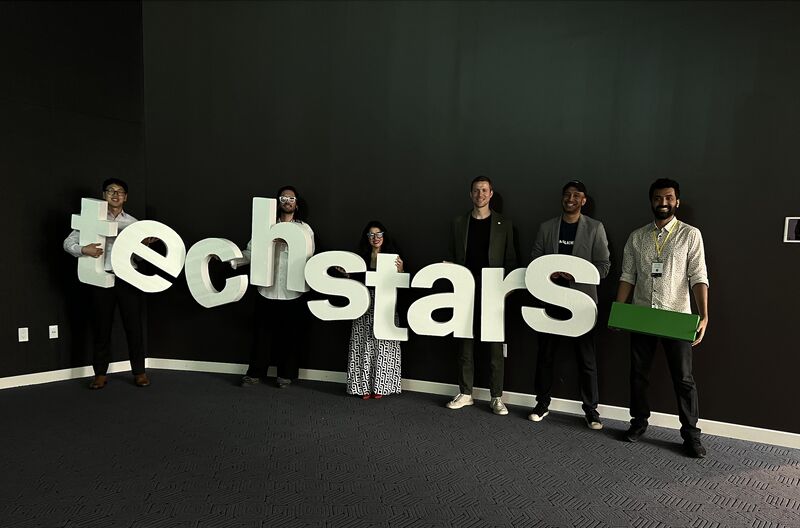
Launching a custom accelerator program can be a game-changer for corporations looking to foster innovation and drive growth. Partnering with TechStars, a globally recognized leader in startup acceleration, offers access to their proven methodology, extensive network, and expertise. However, the cost of such a collaboration is a critical consideration for businesses. This article explores the financial investment required for a corporation to engage TechStars in powering a custom accelerator program. From program design to mentorship and operational support, we break down the factors that influence pricing and provide insights into what companies can expect when embarking on this transformative partnership.
-
How Much Does a Corporation Pay to Have TechStars Power a Custom Accelerator Program?
- What Factors Influence the Cost of a Custom TechStars Accelerator Program?
- What Services Are Included in a TechStars Custom Accelerator Program?
- How Does TechStars Tailor Programs to Corporate Needs?
- What Are the Benefits of Partnering with TechStars for a Custom Accelerator?
- Are There Additional Costs Beyond the Initial Investment?
- What percent does Techstars take?
- How do accelerator programs make money?
- How much does Techstars cost?
- What is the standard offer of Techstars?
-
Frequently Asked Questions (FAQs)
- What is the typical cost for a corporation to partner with TechStars for a custom accelerator program?
- Are there additional fees beyond the base cost for a custom TechStars accelerator program?
- How does TechStars determine the pricing for a custom accelerator program?
- Can corporations negotiate the cost of a custom TechStars accelerator program?
How Much Does a Corporation Pay to Have TechStars Power a Custom Accelerator Program?
The cost for a corporation to partner with TechStars and power a custom accelerator program can vary significantly depending on the scope, duration, and specific needs of the program. Typically, corporations invest anywhere from $500,000 to $2 million or more to collaborate with TechStars. This investment covers program management, mentorship, access to TechStars' global network, and operational support. The exact cost is often negotiated based on the corporation's goals and the level of customization required.
See Also Are there any reasons why a startup would not want to go through TechStars?
What Factors Influence the Cost of a Custom TechStars Accelerator Program?
The cost of a custom accelerator program powered by TechStars depends on several factors, including the program duration, the number of startups involved, and the level of customization required. Additional costs may arise from marketing, events, and the involvement of high-profile mentors. Corporations with more ambitious goals or those requiring extensive support may incur higher expenses.
What Services Are Included in a TechStars Custom Accelerator Program?
A TechStars custom accelerator program typically includes access to their global network of mentors, program management, and operational support. Corporations also benefit from brand association with TechStars, which can attract high-quality startups. The program often includes workshops, demo days, and networking events tailored to the corporation's objectives.
See Also What Happened to Benchmark's Website?
How Does TechStars Tailor Programs to Corporate Needs?
TechStars works closely with corporations to design tailored accelerator programs that align with their strategic goals. This includes identifying key focus areas, selecting startups, and curating mentorship opportunities. The level of customization directly impacts the overall cost, as more specialized programs require additional resources and expertise.
What Are the Benefits of Partnering with TechStars for a Custom Accelerator?
Partnering with TechStars offers corporations access to a proven accelerator model, a global network of experts, and the opportunity to innovate through collaboration with startups. The partnership also enhances the corporation's brand reputation and provides a platform to identify and invest in promising startups.
See Also What Motivates You to Work as a Venture Capitalist or an Angel Investor
Are There Additional Costs Beyond the Initial Investment?
Yes, corporations may incur additional costs beyond the initial investment. These can include travel expenses for mentors and startups, event hosting fees, and marketing campaigns. Some corporations also choose to offer equity-free grants or follow-on funding to participating startups, which adds to the overall expenditure.
| Cost Factor | Estimated Range |
|---|---|
| Program Management | $200,000 - $500,000 |
| Mentorship & Network Access | $100,000 - $300,000 |
| Customization & Tailoring | $50,000 - $200,000 |
| Marketing & Events | $50,000 - $150,000 |
| Additional Expenses (Travel, Grants, etc.) | $100,000 - $500,000 |
What percent does Techstars take?

What Percentage Does Techstars Take in Equity?
Techstars typically takes 6% equity in the startups it accepts into its accelerator programs. This equity is exchanged for the mentorship, funding, and resources provided during the program. The exact percentage may vary slightly depending on the specific program or location, but 6% is the standard.
- 6% equity is the standard stake taken by Techstars.
- This percentage is consistent across most of their accelerator programs.
- Startups also receive $20,000 in funding in exchange for this equity.
How Does Techstars' Equity Stake Compare to Other Accelerators?
Techstars' 6% equity stake is competitive compared to other top accelerators like Y Combinator, which also takes around 7%. The equity taken reflects the value of the program, including access to a vast network of mentors, investors, and alumni.
See Also What Do Operations Roles Look Like at a Venture Capital Firm?
- Techstars' equity stake is lower or comparable to other leading accelerators.
- Y Combinator takes 7% equity, slightly higher than Techstars.
- Other accelerators may take up to 10% or more, making Techstars a favorable option.
What Do Startups Receive in Exchange for the Equity?
In exchange for the 6% equity, startups receive a comprehensive package of benefits, including $20,000 in funding, access to Techstars' global network, mentorship from industry experts, and opportunities to pitch to investors during Demo Day.
- $20,000 in funding is provided upfront.
- Access to mentors, investors, and alumni networks.
- Opportunities to showcase the startup at Demo Day.
Are There Additional Costs or Fees for Startups?
Beyond the 6% equity stake, there are no additional costs or fees for startups participating in Techstars' accelerator programs. The $20,000 funding is provided without any hidden charges, and the program is designed to be fully supportive of the startup's growth.
- No hidden fees or additional costs are involved.
- The $20,000 funding is non-dilutive beyond the equity stake.
- Startups benefit from free resources like office space and mentorship.
Can Startups Negotiate the Equity Percentage with Techstars?
Techstars' 6% equity stake is generally non-negotiable, as it is a standard term across all their programs. However, the value provided through mentorship, networking, and funding often outweighs the equity given up by the startups.
- The equity percentage is fixed at 6% and not negotiable.
- Startups are encouraged to focus on the long-term benefits of the program.
- The equity stake is considered a fair exchange for the resources and opportunities provided.
How do accelerator programs make money?
Equity Stake in Startups
Accelerator programs often take an equity stake in the startups they support. This is one of the most common ways they generate revenue. By providing mentorship, resources, and funding, accelerators receive a percentage of ownership in the startup. If the startup succeeds and is acquired or goes public, the accelerator benefits financially.
- Accelerators typically take between 5% to 10% equity in exchange for their services.
- This model aligns the interests of both the accelerator and the startup, as both parties benefit from the startup's success.
- High-profile exits can result in significant returns for the accelerator, making this a lucrative revenue stream.
Program Fees
Some accelerator programs charge program fees to the startups they accept. These fees can cover the cost of running the program, including mentorship, office space, and other resources. While not all accelerators charge fees, those that do often justify it by offering high-value services.
- Program fees can range from a few thousand dollars to tens of thousands, depending on the accelerator's reputation and offerings.
- These fees are sometimes paid upfront or deducted from the initial investment provided to the startup.
- Startups may view these fees as a necessary investment to gain access to valuable resources and networks.
Corporate Sponsorships and Partnerships
Many accelerator programs secure corporate sponsorships and partnerships to fund their operations. Corporations often sponsor accelerators to gain early access to innovative startups and technologies. These sponsorships can provide a steady stream of revenue for the accelerator.
- Corporate sponsors may provide funding, resources, or mentorship in exchange for access to the accelerator's startups.
- Partnerships can also lead to co-branded programs, where the corporation and accelerator collaborate on specific initiatives.
- These relationships can enhance the accelerator's reputation and attract more high-quality startups.
Demo Day Investments
Accelerators often host Demo Days, where startups pitch their ideas to a room full of investors. These events can generate revenue through ticket sales, sponsorships, and follow-on investments. Investors who attend Demo Days may also provide additional funding to the accelerator itself.
- Demo Days are a critical opportunity for startups to secure funding and for accelerators to showcase their portfolio.
- Revenue from ticket sales and sponsorships can offset the costs of running the accelerator program.
- Successful pitches can lead to follow-on investments, benefiting both the startup and the accelerator.
Follow-On Funding and Syndicates
Some accelerators participate in follow-on funding rounds or create syndicates to invest additional capital in their portfolio companies. By doing so, they can increase their equity stake and potential returns. This strategy allows accelerators to continue supporting startups beyond the initial program.
- Follow-on funding allows accelerators to maintain or increase their equity stake in successful startups.
- Syndicates enable accelerators to pool resources with other investors, reducing individual risk.
- This approach can lead to higher returns if the startup achieves significant growth or a successful exit.
How much does Techstars cost?

What is the Cost of Joining Techstars?
Joining Techstars typically requires giving up 6% equity in your company in exchange for $20,000 in funding. Additionally, participants receive access to a $100,000 convertible note and a wide range of resources, mentorship, and networking opportunities. The program is designed to help startups grow and succeed in exchange for a small equity stake.
- Equity Stake: 6% of your company.
- Initial Funding: $20,000 in seed funding.
- Convertible Note: Access to a $100,000 convertible note.
Are There Additional Costs Associated with Techstars?
While the primary cost is the 6% equity stake, there may be additional expenses related to relocation and living costs during the program. Techstars programs are often held in major cities, and participants may need to cover their own housing, transportation, and daily expenses. However, the program provides significant value through mentorship, networking, and resources that often outweigh these costs.
- Relocation Costs: Potential expenses for moving to the program location.
- Living Expenses: Housing, food, and transportation during the program.
- Opportunity Cost: Time and resources invested in the program.
What Does the $100,000 Convertible Note Include?
The $100,000 convertible note is a form of investment that Techstars offers to startups. This note converts into equity during the next funding round, typically at a 20% discount or a valuation cap. It provides additional financial support without requiring immediate repayment, giving startups more flexibility to grow and scale their businesses.
- Discount Rate: 20% discount on the next funding round.
- Valuation Cap: Limits the valuation at which the note converts.
- Flexibility: No immediate repayment required.
How Does Techstars Compare to Other Accelerators in Terms of Cost?
Compared to other accelerators, Techstars is considered competitive in terms of cost. While some programs may offer more funding or take less equity, Techstars provides a comprehensive package that includes mentorship, networking, and access to a global community. The value of the program often exceeds the cost, making it a popular choice for many startups.
- Equity Comparison: Similar or lower equity stakes compared to other top accelerators.
- Funding Comparison: Competitive initial funding and convertible note.
- Resource Comparison: Extensive mentorship and networking opportunities.
Is Techstars Worth the Cost for Startups?
For many startups, the cost of joining Techstars is worth the investment. The program offers unparalleled access to mentors, investors, and a global network of alumni. The combination of funding, resources, and support can significantly accelerate a startup's growth and increase its chances of success.
- Mentorship: Access to experienced mentors and industry experts.
- Networking: Connections with investors and other startups.
- Global Community: Membership in a worldwide network of Techstars alumni.
What is the standard offer of Techstars?

What is the Standard Equity Investment from Techstars?
The standard equity investment from Techstars is $120,000 in exchange for 6% equity in the startup. This funding is typically provided in two parts:
- $20,000 is given as a seed investment in exchange for 6% equity.
- An additional $100,000 is offered as a convertible note, which can be converted into equity during the next funding round.
What Mentorship Opportunities Does Techstars Provide?
Techstars offers an extensive mentorship-driven accelerator program that connects startups with experienced entrepreneurs, investors, and industry experts. Key aspects include:
- Access to a global network of over 10,000 mentors.
- Personalized guidance to refine business models, product development, and go-to-market strategies.
- Regular one-on-one sessions with mentors who provide actionable feedback.
What is the Duration of the Techstars Accelerator Program?
The Techstars accelerator program typically lasts for 13 weeks, during which startups undergo intensive training and development. The program is structured as follows:
- Weeks 1-4: Focus on mentor meetings and refining the startup’s pitch.
- Weeks 5-10: Emphasis on product development and customer acquisition.
- Weeks 11-13: Preparation for Demo Day, where startups pitch to investors.
What is Techstars Demo Day?
Techstars Demo Day is the culminating event of the accelerator program, where startups present their progress and pitch to a room full of investors, venture capitalists, and industry leaders. Key highlights include:
- An opportunity to secure follow-on funding from interested investors.
- Exposure to a global audience of potential partners and customers.
- A chance to showcase the startup’s traction and growth potential.
What Additional Resources Does Techstars Offer?
Beyond funding and mentorship, Techstars provides startups with a range of additional resources to support their growth. These include:
- Access to office space and co-working facilities during the program.
- Discounted or free access to software tools and cloud services from Techstars’ partners.
- Lifetime membership to the Techstars Network, offering ongoing support and opportunities.
Frequently Asked Questions (FAQs)
What is the typical cost for a corporation to partner with TechStars for a custom accelerator program?
The cost for a corporation to partner with TechStars and launch a custom accelerator program can vary significantly depending on the scope, duration, and specific needs of the program. Generally, corporations can expect to invest anywhere from $500,000 to $2 million or more. This investment covers program design, mentorship, access to TechStars' global network, and operational support. The exact cost is typically determined through direct discussions with TechStars, as they tailor each program to align with the corporation's strategic goals.
Are there additional fees beyond the base cost for a custom TechStars accelerator program?
Yes, there may be additional fees beyond the base cost. These can include expenses related to marketing, events, travel, and technology infrastructure. For example, hosting demo days or organizing mentorship sessions in different locations may incur extra costs. It's important for corporations to discuss these potential expenses upfront with TechStars to ensure a clear understanding of the total investment required.
How does TechStars determine the pricing for a custom accelerator program?
TechStars determines pricing based on several factors, including the program's duration, the number of startups involved, the level of customization required, and the resources needed. They also consider the corporation's objectives, such as whether the focus is on innovation, market expansion, or talent acquisition. Each program is unique, so TechStars works closely with the corporation to create a tailored proposal that outlines the costs and deliverables.
Can corporations negotiate the cost of a custom TechStars accelerator program?
While TechStars has a structured pricing model, there is often room for negotiation, especially for long-term partnerships or programs with significant strategic value. Corporations can discuss their budget constraints and explore options such as phased payments, shared investments, or in-kind contributions. TechStars aims to build mutually beneficial relationships, so they are typically open to finding solutions that align with the corporation's financial capabilities and goals.
Leave a Reply
Our Recommended Articles