
How Do I Become an Lp in a Vc Fund?


Becoming a Limited Partner (LP) in a Venture Capital (VC) fund is an attractive opportunity for individuals and institutions seeking to invest in high-growth startups and innovative businesses. As an LP, you provide capital to the fund, enabling it to invest in promising ventures while earning a share of the returns. However, gaining access to top-tier VC funds often requires meeting specific criteria, such as significant financial resources, industry connections, or a proven track record in investing. This article explores the steps, qualifications, and strategies needed to become an LP, offering insights into the responsibilities, risks, and potential rewards of participating in the venture capital ecosystem.
How Do I Become an LP in a VC Fund?
Becoming a Limited Partner (LP) in a Venture Capital (VC) Fund is a significant step for individuals or entities looking to invest in high-growth startups and innovative businesses. As an LP, you provide capital to the fund, which is then managed by General Partners (GPs) who make investment decisions. Below, we break down the process and key considerations for becoming an LP in a VC fund.
See Also Where Do Venture Capital Firms Get Their Money?
1. Understanding the Role of an LP
As a Limited Partner, your primary role is to provide capital to the VC fund. Unlike General Partners, who manage the fund and make investment decisions, LPs are passive investors. Your liability is limited to the amount you invest, and you are not involved in the day-to-day operations of the fund. However, you benefit from the potential returns generated by the fund's investments.
2. Meeting the Eligibility Criteria
Most VC funds require LPs to meet specific eligibility criteria, such as being an accredited investor. In the U.S., this typically means having a net worth exceeding $1 million (excluding your primary residence) or an annual income of at least $200,000 ($300,000 for joint income) for the past two years. Some funds may also require a minimum investment commitment, which can range from $100,000 to several million dollars.
See Also Can Vc Firms Go Public?
3. Researching and Selecting the Right VC Fund
Choosing the right VC fund is crucial. Consider factors such as the fund's investment thesis, track record, management team, and portfolio companies. Look for funds that align with your investment goals and risk tolerance. Networking with other investors and attending industry events can also help you identify reputable funds.
4. Reviewing the Limited Partnership Agreement (LPA)
The Limited Partnership Agreement (LPA) is a legal document that outlines the terms and conditions of your investment. It covers aspects such as capital commitments, distribution of profits, management fees, and carried interest. It's essential to review the LPA carefully and consult with legal and financial advisors to ensure you understand all the terms.
See Also Whats the Best Portfolio Management Software for Venture Capital Why
5. Committing Capital and Monitoring Your Investment
Once you've selected a fund and reviewed the LPA, you'll need to commit your capital. This typically involves signing the LPA and transferring the funds. After your investment, you'll receive regular updates on the fund's performance. While LPs are passive investors, staying informed about the fund's activities and portfolio companies is important.
| Key Aspect | Description |
|---|---|
| Role of an LP | Passive investor providing capital to the VC fund. |
| Eligibility Criteria | Must meet accredited investor standards and minimum investment requirements. |
| Selecting a VC Fund | Research fund's investment thesis, track record, and management team. |
| Limited Partnership Agreement | Legal document outlining investment terms and conditions. |
| Capital Commitment | Sign LPA and transfer funds to become an LP. |
How to become a LP in VC?

 How Many Pitch Decks Does a Venture Capital Firm Usually Get Within a Year
Understanding the Role of a Limited Partner (LP) in Venture Capital
Becoming a Limited Partner (LP) in venture capital involves investing capital into a venture capital fund, which is then managed by a General Partner (GP). LPs are typically institutional investors, high-net-worth individuals, or family offices. To become an LP, you must:
- Understand the VC ecosystem: Learn how venture capital funds operate, their investment strategies, and the risks involved.
- Meet financial requirements: LPs are expected to commit significant capital, often starting at $1 million or more.
- Build relationships with GPs: Networking with experienced GPs is crucial to gaining access to top-tier funds.
Evaluating Your Financial Readiness
Before becoming an LP, assess your financial situation to ensure you can meet the capital commitments and withstand the illiquidity of VC investments. Consider the following:
- Liquidity needs: VC investments are long-term, often requiring a 10-year commitment.
- Diversification: Ensure your portfolio is diversified to mitigate risks associated with VC investments.
- Risk tolerance: Understand that VC investments are high-risk and may result in partial or total loss of capital.
Identifying the Right Venture Capital Fund
Choosing the right VC fund is critical to your success as an LP. Focus on the following factors:
- Track record: Evaluate the GP’s past performance and success rate.
- Investment thesis: Ensure the fund’s strategy aligns with your investment goals.
- Fund size and structure: Consider the fund’s size, management fees, and carried interest structure.
Building Relationships with General Partners
Establishing trust and rapport with GPs is essential for gaining access to high-quality funds. To build these relationships:
- Attend industry events: Participate in VC conferences, networking events, and pitch days.
- Leverage existing connections: Use your professional network to get introductions to reputable GPs.
- Demonstrate value: Showcase your expertise, financial stability, and commitment to long-term partnerships.
Becoming an LP involves complying with legal and regulatory standards. Key steps include:
- Review fund documents: Carefully read the Limited Partnership Agreement (LPA) and other legal documents.
- Understand tax implications: Consult a tax advisor to understand how VC investments will impact your tax obligations.
- Ensure compliance: Verify that you meet all regulatory requirements, such as being an accredited investor in the U.S.
How much does it cost to become an LP?

Understanding the Basics of Becoming an LP
Becoming a Limited Partner (LP) involves investing in private equity, venture capital, or hedge funds. The cost varies significantly depending on the fund and its requirements. Here are some key factors to consider:
- Minimum Investment: Most funds require a minimum investment, which can range from $100,000 to $10 million or more.
- Management Fees: LPs typically pay an annual management fee, usually around 1-2% of the committed capital.
- Carried Interest: Funds often take a percentage of profits (usually 20%) as carried interest, which affects the overall cost.
Factors Influencing the Cost of Becoming an LP
The cost of becoming an LP is influenced by several factors, including the type of fund, its size, and the investment strategy. Below are some critical elements:
- Fund Type: Venture capital funds may have lower minimums compared to private equity or hedge funds.
- Fund Size: Larger funds often require higher minimum investments.
- Investment Strategy: Funds with specialized or high-risk strategies may charge higher fees.
Additional Costs Associated with Being an LP
Beyond the initial investment and management fees, LPs may incur additional costs. These can include:
- Legal and Administrative Fees: Costs related to legal documentation and fund administration.
- Due Diligence Costs: Expenses for evaluating the fund’s performance and strategy.
- Operational Costs: Some funds pass on operational expenses to LPs.
Comparing Costs Across Different Funds
The cost of becoming an LP can vary widely across different types of funds. Here’s a comparison:
- Venture Capital Funds: Typically have lower minimums but higher risk and potential returns.
- Private Equity Funds: Often require higher minimum investments but offer more stable returns.
- Hedge Funds: May have high minimums and complex fee structures, including performance fees.
Long-Term Financial Commitment for LPs
Becoming an LP is not just about the initial cost; it involves a long-term financial commitment. Consider the following:
- Lock-Up Periods: Funds often have lock-up periods where capital cannot be withdrawn, typically 5-10 years.
- Capital Calls: LPs may need to provide additional capital when the fund calls for it.
- Ongoing Fees: Management and performance fees continue throughout the life of the fund.
Is it better to be an LP or GP?
Understanding the Roles: LP vs. GP
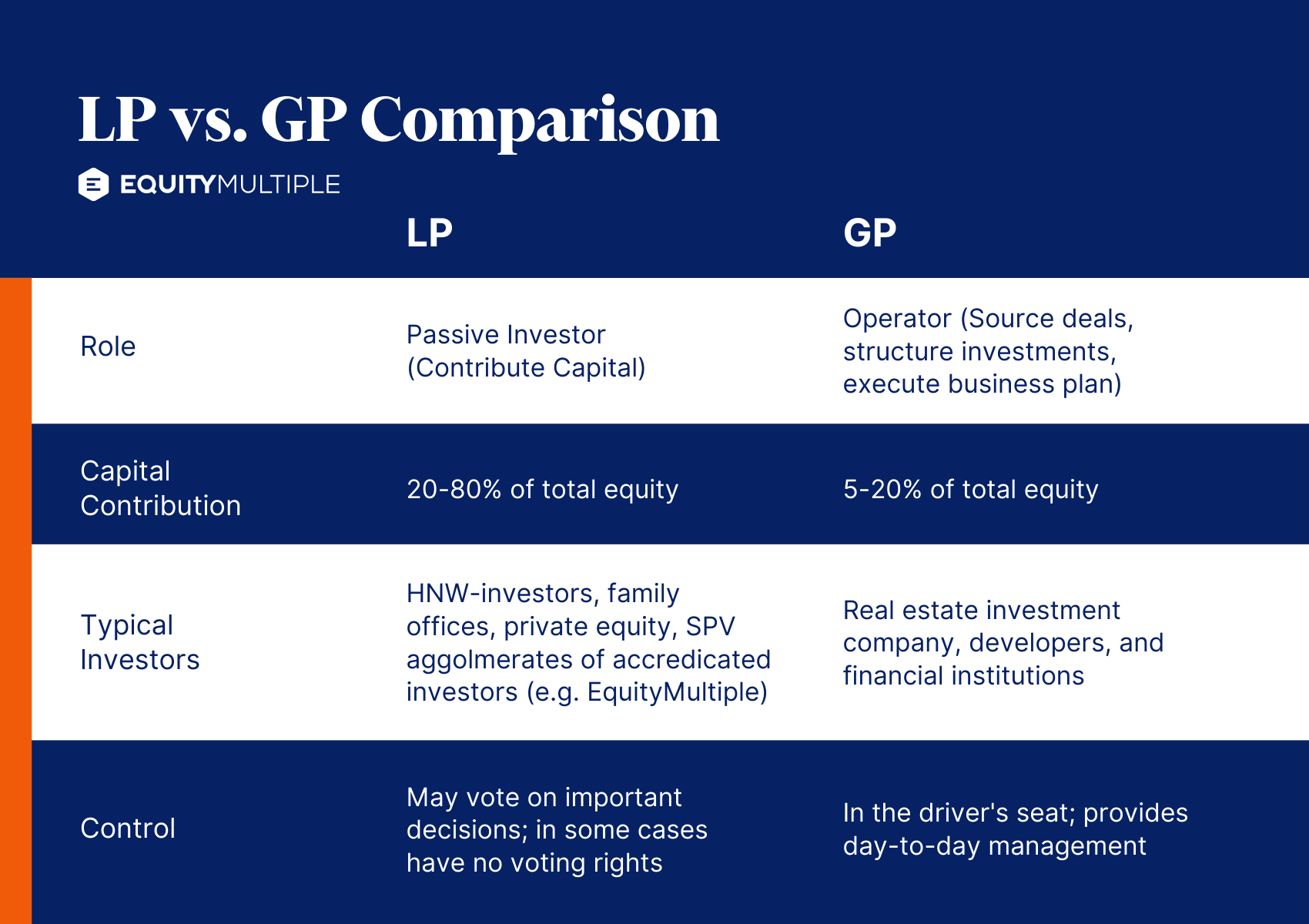
When deciding whether to be a Limited Partner (LP) or a General Partner (GP), it is crucial to understand their distinct roles. An LP is an investor who provides capital to a fund but has no involvement in its day-to-day management. On the other hand, a GP is responsible for managing the fund, making investment decisions, and overseeing operations. Here are some key points to consider:
- LPs have limited liability, meaning they are only liable up to the amount they invest.
- GPs have unlimited liability and are directly involved in the fund's management.
- LPs typically earn returns through profit-sharing agreements, while GPs earn management fees and a share of the profits.
Risk and Liability Considerations
The level of risk and liability is a significant factor when choosing between being an LP or GP. LPs enjoy limited liability, which protects their personal assets from the fund's liabilities. In contrast, GPs bear full responsibility for the fund's debts and obligations. Here are some considerations:
- LPs are shielded from legal and financial risks beyond their investment.
- GPs must be prepared to handle potential lawsuits or financial losses.
- LPs can diversify their investments across multiple funds to mitigate risk.
Another critical aspect is the level of control and decision-making authority each role entails. GPs have the power to make all operational and investment decisions, while LPs have no say in these matters. Here’s a breakdown:
- GPs have full control over the fund's strategy and execution.
- LPs must trust the GP's expertise and decision-making abilities.
- GPs are accountable to LPs for delivering returns on their investments.
Financial Rewards and Compensation
The financial rewards and compensation structures differ significantly between LPs and GPs. GPs typically earn management fees and a percentage of the profits, known as carried interest. LPs, however, earn returns based on the fund's performance. Consider the following:
- GPs earn a steady income through management fees, regardless of fund performance.
- LPs benefit from profit-sharing but only if the fund performs well.
- GPs have the potential for higher earnings through carried interest.
Time Commitment and Involvement
The time commitment and level of involvement required for each role are vastly different. GPs are deeply involved in the fund's operations, while LPs are passive investors. Here’s what to consider:
- GPs must dedicate significant time to managing the fund and making investment decisions.
- LPs can invest without being involved in daily operations, making it ideal for those with limited time.
- GPs need expertise in finance, management, and industry-specific knowledge.
How to become a limited partner in private equity?
Understanding the Role of a Limited Partner in Private Equity
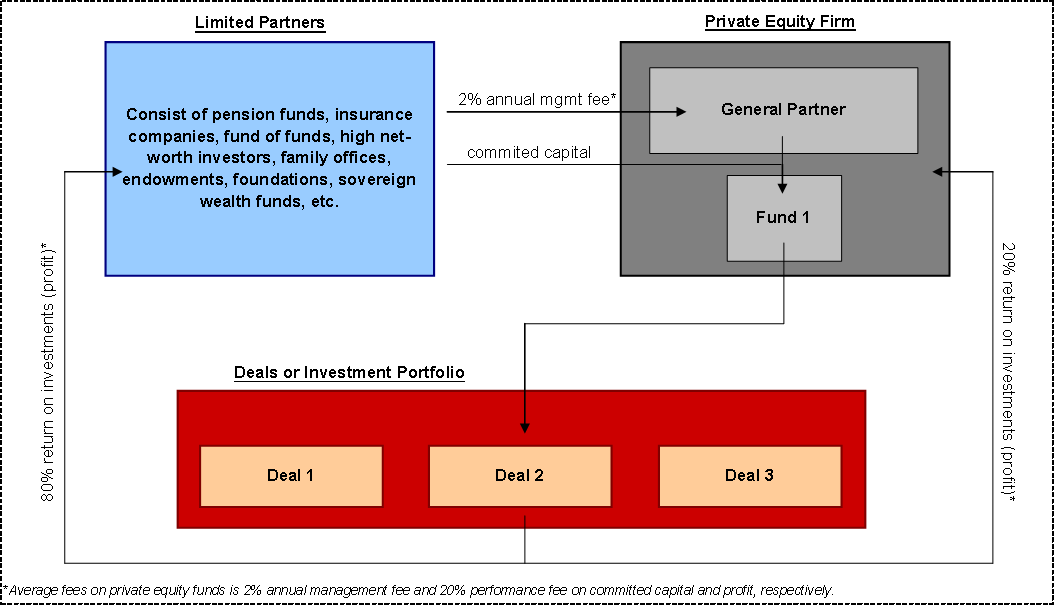
A limited partner (LP) in private equity is an investor who provides capital to a private equity fund but does not participate in the day-to-day management of the fund. The role of an LP is primarily financial, and they benefit from the potential returns generated by the fund's investments. To become an LP, you must meet certain criteria and follow specific steps:
- Understand the risks and rewards: Private equity investments are illiquid and carry higher risks compared to traditional investments, but they also offer the potential for higher returns.
- Meet eligibility requirements: Most private equity funds require LPs to be accredited investors, meaning they must meet specific income or net worth thresholds.
- Research private equity funds: Identify funds that align with your investment goals, risk tolerance, and industry preferences.
Meeting the Accredited Investor Criteria
To become a limited partner, you must qualify as an accredited investor. This status is determined by regulatory bodies and ensures that investors have the financial capacity to handle the risks associated with private equity investments. The criteria typically include:
- Income requirements: An individual must have an annual income of at least $200,000 (or $300,000 jointly with a spouse) for the past two years, with the expectation of the same or higher income in the current year.
- Net worth requirements: An individual must have a net worth exceeding $1 million, excluding the value of their primary residence.
- Entity requirements: Entities such as trusts or corporations must have assets exceeding $5 million to qualify.
Choosing the Right Private Equity Fund
Selecting the right private equity fund is crucial for achieving your investment objectives. Consider the following factors when evaluating potential funds:
- Fund strategy: Assess whether the fund focuses on venture capital, buyouts, growth equity, or distressed assets, and ensure it aligns with your goals.
- Track record: Review the fund manager's historical performance, including past returns and the success of previous investments.
- Fee structure: Understand the management fees, carried interest, and other costs associated with the fund.
Completing the Subscription Process
Once you have chosen a private equity fund, you will need to complete the subscription process, which involves several steps:
- Review the offering documents: Carefully read the private placement memorandum (PPM) and limited partnership agreement (LPA) to understand the terms and conditions.
- Submit required documentation: Provide proof of accredited investor status, complete subscription agreements, and fulfill any other legal or financial requirements.
- Commit capital: Agree to the capital commitment amount, which is the total sum you are obligated to invest over the life of the fund.
Monitoring Your Investment as a Limited Partner
After becoming a limited partner, it is important to actively monitor your investment to ensure it aligns with your expectations. Key steps include:
- Review regular reports: Analyze quarterly or annual reports provided by the fund manager to track performance and portfolio updates.
- Attend annual meetings: Participate in meetings to gain insights into the fund's strategy and ask questions about its progress.
- Stay informed: Keep up with industry trends and market conditions that may impact the fund's performance.
Frequently Asked Questions by our Community
What is an LP in a VC fund?
An LP (Limited Partner) in a VC (Venture Capital) fund is an individual or entity that provides capital to the fund but does not participate in the day-to-day management or decision-making processes. LPs are typically institutional investors, such as pension funds, endowments, or high-net-worth individuals, who invest in the fund with the expectation of earning a return on their investment. The General Partner (GP) manages the fund and makes investment decisions, while the LPs contribute the majority of the capital and share in the profits according to the terms of the partnership agreement.
What are the requirements to become an LP in a VC fund?
To become an LP in a VC fund, you generally need to meet certain criteria, which may include having a high net worth or being an accredited investor. In many jurisdictions, such as the United States, an accredited investor is defined as someone with a net worth exceeding $1 million (excluding their primary residence) or an annual income of at least $200,000 ($300,000 for joint income) for the past two years. Additionally, some VC funds may have minimum investment requirements, often ranging from $250,000 to $1 million or more. It's also important to have a clear understanding of the risks involved, as VC investments are typically illiquid and carry a high level of risk.
How do I find and evaluate VC funds to invest in as an LP?
Finding and evaluating VC funds to invest in as an LP requires thorough research and due diligence. Start by identifying funds that align with your investment goals, risk tolerance, and industry interests. You can find VC funds through networking, industry events, or by working with a financial advisor who specializes in alternative investments. When evaluating a fund, consider factors such as the track record of the General Partner, the fund's investment strategy, the industries it focuses on, and the terms of the partnership agreement. It's also crucial to review the fund's historical performance, though past performance is not indicative of future results. Additionally, assess the fund's fee structure, including management fees and carried interest, to ensure it aligns with your expectations.
What are the risks and rewards of being an LP in a VC fund?
Being an LP in a VC fund comes with both significant risks and potential rewards. On the risk side, VC investments are highly illiquid, meaning your capital may be tied up for several years before you see any returns. There is also a high risk of losing your entire investment, as many startups fail to achieve success. Additionally, VC funds often charge management fees and take a percentage of the profits (carried interest), which can impact your overall returns. On the reward side, if the fund invests in successful startups, the returns can be substantial, often outperforming traditional investment vehicles like stocks or bonds. Successful exits, such as IPOs or acquisitions, can result in significant capital gains for LPs. However, it's important to approach VC investing with a long-term perspective and a diversified portfolio to mitigate risks.
Leave a Reply
Our Recommended Articles