
New Mexico LLC Operating Agreement

When forming a limited liability company (LLC) in New Mexico, drafting a comprehensive operating agreement is a critical step to establish clarity and structure for your business. Although New Mexico law does not legally require LLCs to have an operating agreement, creating one provides a solid foundation for managing internal operations, member roles, profit distribution, and decision-making processes. This document serves as a contractual blueprint, outlining the rights and responsibilities of members while safeguarding personal liability protections. A well-crafted operating agreement also helps prevent disputes, ensures compliance with state regulations, and allows customization to meet the unique needs of your business. Understanding its key components is essential for long-term success.
- Understanding the New Mexico LLC Operating Agreement: Key Components and Legal Requirements
- Does New Mexico require an operating agreement for LLC?
-
Can I write my own operating agreement for my LLC?
- Can I Legally Draft My Own Operating Agreement for an LLC?
- What Are the Benefits of Writing Your Own Operating Agreement?
- What Key Clauses Should a DIY Operating Agreement Include?
- What Are Common Mistakes to Avoid When Writing an Operating Agreement?
- When Should You Consult a Lawyer Instead of Writing It Yourself?
- Does an LLC always have an operating agreement?
- What are the pitfalls of an LLC operating agreement?
- Frequently Asked Questions About LLCs (FAQs)
Understanding the New Mexico LLC Operating Agreement: Key Components and Legal Requirements
What Is a New Mexico LLC Operating Agreement?
A New Mexico LLC Operating Agreement is a legal document outlining the ownership structure, management rules, and operational procedures of a limited liability company (LLC) in New Mexico. While the state does not legally require LLCs to have an operating agreement, creating one ensures clarity among members, protects personal liability status, and establishes governance standards. It covers profit distribution, voting rights, dissolution processes, and dispute resolution mechanisms.
See AlsoTennessee LLC Operating Agreement| Purpose | Defines roles, responsibilities, and financial arrangements |
| Legal Protection | Strengthens limited liability protection for members |
| Customization | Tailors rules to meet specific business needs |
Essential Elements of a New Mexico LLC Operating Agreement
A compliant New Mexico LLC Operating Agreement must include critical components to ensure enforceability. These include member ownership percentages, management structure (member-managed or manager-managed), voting procedures, profit/loss allocation, and protocols for adding/removing members. It should also address how to handle disputes and dissolution.
| Ownership Percentages | Specifies each member's stake |
| Management Structure | Defines roles in daily operations |
| Dissolution Terms | Outlines steps to wind down the LLC |
Customizing Your New Mexico LLC Operating Agreement
New Mexico allows flexibility in drafting an operating agreement. Businesses can include clauses for transfer restrictions (e.g., selling membership interests), meeting frequency, or non-compete agreements. Custom provisions must align with state law and avoid conflicts with the LLC Act.
See AlsoNew Jersey LLC Operating Agreement| Transfer Restrictions | Limits member rights to sell shares |
| Voting Rights | Customizes decision-making thresholds |
| Profit Sharing | Allows non-proportional profit splits |
Tax Implications in a New Mexico LLC Operating Agreement
An operating agreement impacts how an LLC is taxed. By default, New Mexico LLCs are pass-through entities, but the agreement can outline elections for corporate taxation. It should clarify members' tax responsibilities, including state gross receipts tax and federal obligations.
| Pass-Through Taxation | Profits taxed at member level |
| Corporate Taxation | Requires IRS Form 8832 election |
| State Taxes | Addresses New Mexico gross receipts tax |
Amending a New Mexico LLC Operating Agreement
Changes to the operating agreement require member consensus, as outlined in the original document. Common triggers include new members joining, capital contribution adjustments, or shifts in business strategy. Amendments must be documented in writing and signed by all members.
See AlsoLouisiana LLC Operating Agreement| Approval Process | Defines voting majority needed |
| Documentation | Requires written records of changes |
| Legal Compliance | Ensures updates follow state laws |
Does New Mexico require an operating agreement for LLC?
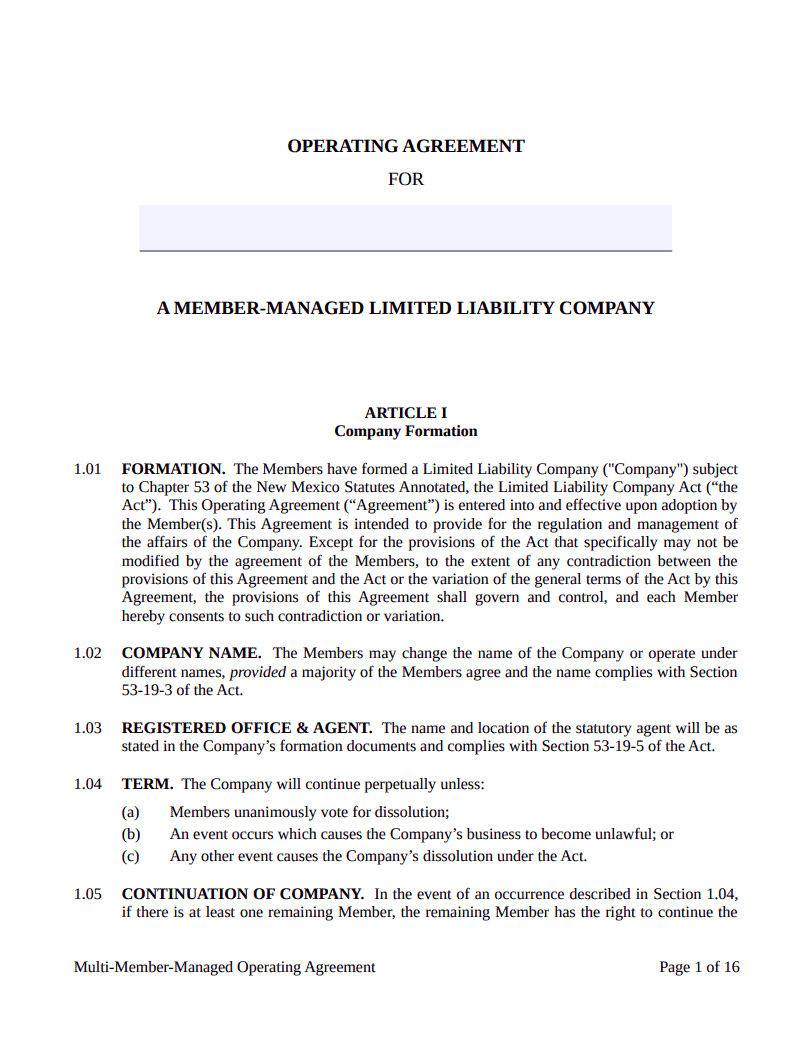
Is an Operating Agreement Legally Required for New Mexico LLCs?
New Mexico does not legally require LLCs to have an operating agreement. The state’s LLC Act (Chapter 53, Article 19 NMSA 1978) does not mandate this document for formation or operation. However, while it is optional under state law, creating one is strongly recommended to avoid disputes and clarify business operations.
- No statutory requirement: New Mexico law does not explicitly demand an operating agreement.
- Flexibility in structure: Members can customize rules for management, profit distribution, and decision-making.
- Protection of member rights: An agreement helps enforce members' rights under state law.
Why Should a New Mexico LLC Have an Operating Agreement?
Even though not mandatory, an operating agreement provides critical protections and operational clarity. It ensures members’ intentions are legally documented, reducing risks of misunderstandings or conflicts.
- Clarify roles: Defines management structure (member-managed vs. manager-managed).
- Asset protection: Reinforces the LLC’s limited liability status, separating personal and business assets.
- Dispute resolution: Establishes procedures for resolving disagreements among members.
What Should a New Mexico LLC Operating Agreement Include?
A well-drafted operating agreement should cover key aspects of the LLC’s operations. While customizable, it typically addresses governance, financial arrangements, and member obligations.
- Ownership percentages: Outlines each member’s stake in the LLC.
- Voting rights and procedures: Specifies decision-making processes.
- Profit/loss distribution: Details how earnings and losses are allocated.
Can an Oral Operating Agreement Suffice in New Mexico?
New Mexico recognizes oral operating agreements under its LLC Act. However, relying on verbal agreements is risky, as they are harder to enforce and may lead to disputes.
- Legal recognition: Oral agreements are valid but not advisable.
- Proof challenges: Difficult to verify terms without written documentation.
- Complexity limitations: Oral agreements may fail to address nuanced operational details.
How to Create an Operating Agreement for a New Mexico LLC?
Drafting an operating agreement involves outlining the LLC’s structure and rules. While templates exist, tailoring the document to the business’s needs is ideal.
- Define membership terms: Include admission/withdrawal processes for members.
- Outline management: Specify whether the LLC is member-managed or manager-managed.
- Consult legal counsel: Ensure compliance with state laws and address unique business needs.
Can I write my own operating agreement for my LLC?
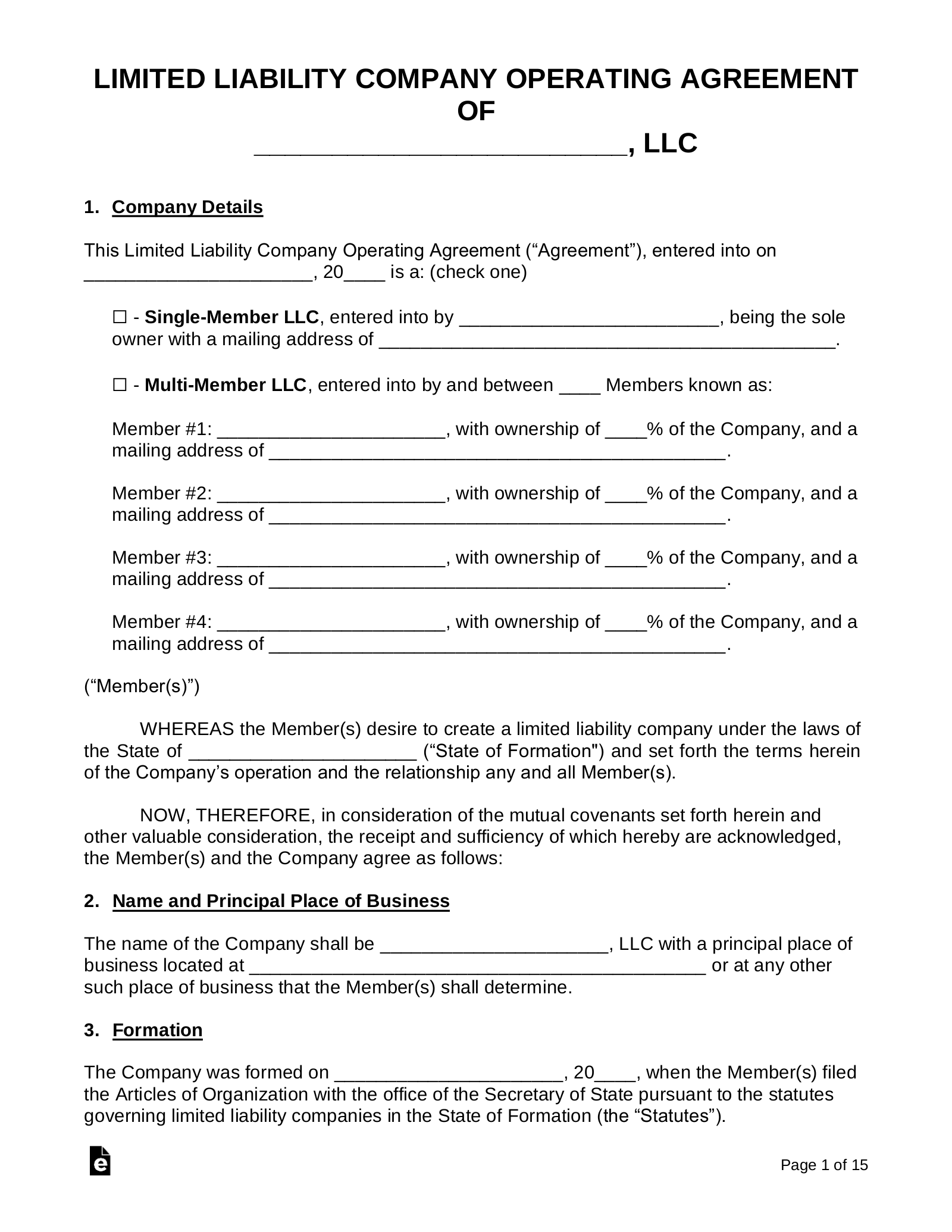
Can I Legally Draft My Own Operating Agreement for an LLC?
Yes, you can legally draft your own operating agreement for an LLC in most U.S. states. While some states do not legally require an operating agreement, creating one is highly recommended to define member roles, profit distribution, and dispute resolution processes.
- Check your state’s LLC laws to confirm requirements.
- Use templates or software to ensure compliance.
- Customize clauses to reflect your LLC’s unique structure and goals.
What Are the Benefits of Writing Your Own Operating Agreement?
Drafting your own operating agreement provides flexibility and control over your LLC’s governance. It allows you to tailor rules for management, voting, and financial arrangements.
- Reduce ambiguity in decision-making processes.
- Protect members’ personal assets by formalizing liability protections.
- Prevent state default rules from governing your LLC.
What Key Clauses Should a DIY Operating Agreement Include?
A well-drafted operating agreement must address critical operational and legal aspects of the LLC. Missing key clauses could lead to disputes or legal vulnerabilities.
- Membership interests and capital contributions.
- Profit/loss distribution methods.
- Dissolution procedures and dispute resolution mechanisms.
What Are Common Mistakes to Avoid When Writing an Operating Agreement?
DIY operating agreements risk errors that could weaken enforceability or create internal conflicts. Avoid vague language and oversights.
- Failing to outline management structure (member-managed vs. manager-managed).
- Ignoring state-specific compliance requirements.
- Omitting buyout provisions for member exits.
When Should You Consult a Lawyer Instead of Writing It Yourself?
While DIY agreements work for simple LLCs, complex scenarios require professional legal advice to mitigate risks.
- If your LLC has multiple classes of membership.
- When foreign operations or investors are involved.
- If state laws have strict formalities for operating agreements.
Does an LLC always have an operating agreement?
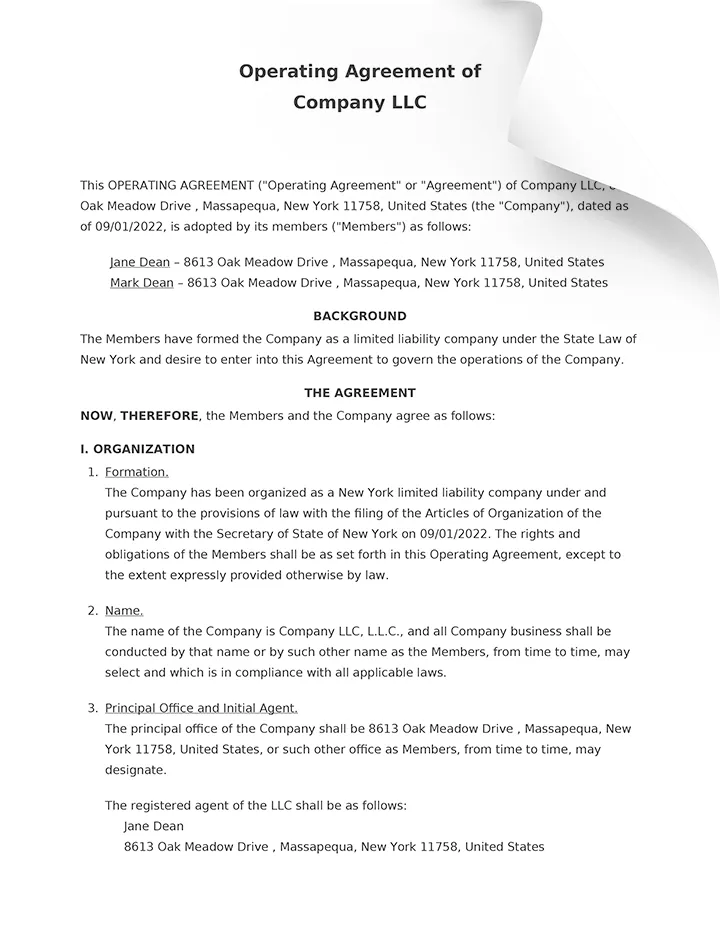
No, an LLC is not always legally required to have an operating agreement. However, state laws vary. For example:
- Some states, like California, New York, and Missouri, mandate an operating agreement.
- Others, like Florida or Texas, do not require one by law.
Even when not required, creating an operating agreement is strongly recommended to avoid disputes, define member roles, and protect limited liability status.
Is an LLC Operating Agreement Legally Required?
An operating agreement is not universally required by law. While certain states explicitly demand it, most leave it to the LLC members' discretion.
- Mandatory states: California, New York, Delaware, Maine, and Missouri require written agreements.
- Optional states: Many states, like Arizona or Nevada, do not legally enforce its creation.
- Single-member LLCs: Even solo owners benefit from drafting one to reinforce liability protection.
Why Should an LLC Have an Operating Agreement?
An operating agreement provides legal clarity and operational structure, even if not mandated.
- Defines member roles: Outlines responsibilities, profit-sharing, and decision-making processes.
- Protects limited liability: Courts may disregard LLC status without clear internal rules, risking personal assets.
- Prevents disputes: Addresses scenarios like member exits or dissolution, reducing conflicts.
What Happens If an LLC Lacks an Operating Agreement?
Without an operating agreement, the LLC defaults to state default rules, which may not align with members’ intentions.
- State laws govern: Default rules might enforce equal profit splits, regardless of contributions.
- Dispute risks: Ambiguity in management or ownership can lead to litigation.
- Banking challenges: Some banks require an operating agreement to open business accounts.
Key Components of an LLC Operating Agreement
A well-drafted agreement covers critical operational and financial aspects.
- Membership details: Names, ownership percentages, and capital contributions.
- Management structure: Member-managed vs. manager-managed roles and voting rights.
- Dissolution terms: Procedures for closing the business or transferring ownership.
How State Laws Influence Operating Agreements
State-specific regulations shape the content and enforcement of operating agreements.
- Fiduciary duties: States like Delaware outline managers' legal responsibilities in agreements.
- Tax treatment: Some states require agreements to specify tax classifications (e.g., partnership vs. corporation).
- Amendment rules: States may dictate how and when terms can be modified.
What are the pitfalls of an LLC operating agreement?
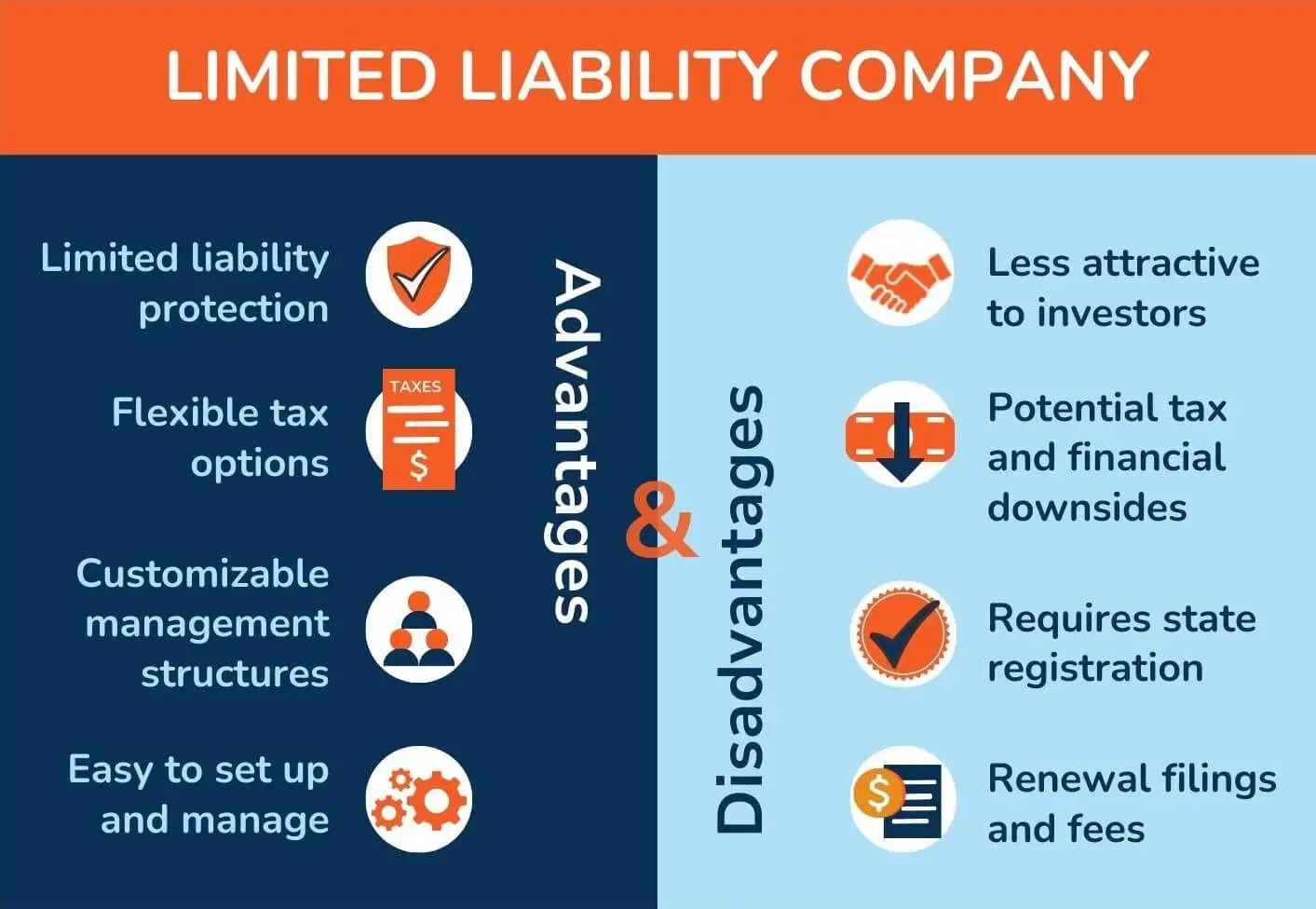
1. Vague or Incomplete Management Structure
An LLC operating agreement often falters when it fails to clearly define the roles, responsibilities, and decision-making processes of members and managers. Ambiguity in management structure can lead to conflicts, delays, or even legal disputes. Key oversights include:
- Not specifying whether the LLC is member-managed or manager-managed.
- Failing to outline voting rights, quorum requirements, or procedures for major decisions.
- Omitting succession plans for leadership changes or member exits.
2. Unclear Ownership and Profit Distribution Terms
Disputes frequently arise when the agreement lacks precise terms about ownership percentages and profit-sharing mechanisms. Without clarity, members may disagree on financial entitlements or contributions. Common pitfalls include:
- Assuming equal profit distribution without written terms, even if contributions vary.
- Not addressing how capital calls or additional investments affect ownership stakes.
- Overlooking procedures for admitting new members or handling member withdrawals.
3. Inadequate Dispute Resolution Provisions
Many LLC agreements neglect to include dispute resolution protocols, leaving members unprepared for conflicts. This can result in costly litigation or operational paralysis. Critical omissions often involve:
- No mediation or arbitration clauses to resolve disagreements out of court.
- Failing to define deadlock-breaking mechanisms for tied votes.
- Ignoring buyout terms or valuation methods for member exits during disputes.
4. Poorly Defined Financial and Tax Obligations
Ambiguity around financial responsibilities and tax handling can lead to compliance issues or member dissatisfaction. Key pitfalls include:
- Not specifying how tax liabilities or losses are allocated among members.
- Failing to outline capital contribution requirements or consequences for non-payment.
- Lacking clarity on financial reporting standards or audit procedures.
5. Inflexible Amendment Procedures
An overly rigid operating agreement may hinder the LLC’s ability to adapt to changing circumstances. Problems often stem from:
- Requiring unanimous member approval for amendments, which can stall necessary changes.
- Not addressing how changes in state laws or business goals affect the agreement.
- Failing to include a review schedule to update terms periodically.
Frequently Asked Questions About LLCs (FAQs)
What is a New Mexico LLC Operating Agreement?
A New Mexico LLC Operating Agreement is a legal document that outlines the ownership structure, management procedures, and operational rules for a limited liability company (LLC) in New Mexico. While not legally required by the state, this agreement is critical for defining member roles, profit-sharing arrangements, voting rights, and protocols for resolving disputes. It also helps preserve limited liability protection by demonstrating that the LLC operates as a separate legal entity from its owners.
Is an Operating Agreement Mandatory for New Mexico LLCs?
New Mexico does not legally require LLCs to adopt an Operating Agreement. However, creating one is strongly recommended to avoid ambiguity in governance and financial matters. Without this agreement, the LLC would default to state law provisions, which may not align with the members’ intentions. The agreement also reinforces the LLC’s legal standing, which is essential for protecting personal assets from business liabilities.
What Should Be Included in a New Mexico LLC Operating Agreement?
A comprehensive New Mexico LLC Operating Agreement should include details such as member ownership percentages, capital contributions, profit distribution methods, management structure (member-managed or manager-managed), and procedures for adding or removing members. It should also outline meeting requirements, voting processes, and protocols for dissolution or merger. Including dispute resolution clauses and buyout terms can further prevent conflicts and ensure smooth operations.
Can a New Mexico LLC Operating Agreement Be Amended?
Yes, a New Mexico LLC Operating Agreement can typically be amended if the members agree to changes. The original agreement should specify the amendment process, such as requiring a majority or unanimous vote. Amendments must be documented in writing and signed by all members to ensure legal validity. Regularly updating the agreement ensures it remains aligned with the LLC’s evolving needs and complies with any changes in New Mexico state law.
Leave a Reply
Our Recommended Articles