
Single Member LLC: Illinois

A Single Member Limited Liability Company (LLC) in Illinois offers a flexible and straightforward business structure for solo entrepreneurs seeking personal asset protection and operational simplicity. As a popular choice for small business owners, this entity combines the liability safeguards of a corporation with the tax advantages of a pass-through entity, allowing profits and losses to be reported on the owner’s personal tax return. Illinois-specific requirements, such as filing Articles of Organization with the Secretary of State and adhering to annual reporting obligations, ensure legal compliance while maintaining minimal administrative burdens. Understanding the formation process, tax implications, and ongoing responsibilities is crucial for leveraging the benefits of an Illinois Single Member LLC.
Forming a Single Member LLC in Illinois: Key Steps and Considerations
1. What Is a Single Member LLC in Illinois?
A Single Member LLC (SMLLC) in Illinois is a business structure where one individual owns and controls the company. It combines the liability protection of a corporation with the tax flexibility of a sole proprietorship. The owner (member) is not personally liable for business debts, and profits/losses are reported on their personal tax return. Illinois recognizes SMLLCs under state law, making them a popular choice for solo entrepreneurs.
See AlsoSingle Member LLC: Colorado| Key Feature | Description |
| Ownership | One individual |
| Liability Protection | Shields personal assets |
| Taxation | Pass-through by default |
| Formation | File Articles of Organization with IL SOS |
2. Steps to Form a Single Member LLC in Illinois
To establish an SMLLC in Illinois, follow these steps:
1. Choose a unique business name compliant with Illinois naming rules.
2. File Articles of Organization with the Illinois Secretary of State (SOS) and pay the $150 fee.
3. Publish a notice of formation in a local newspaper (required in some counties).
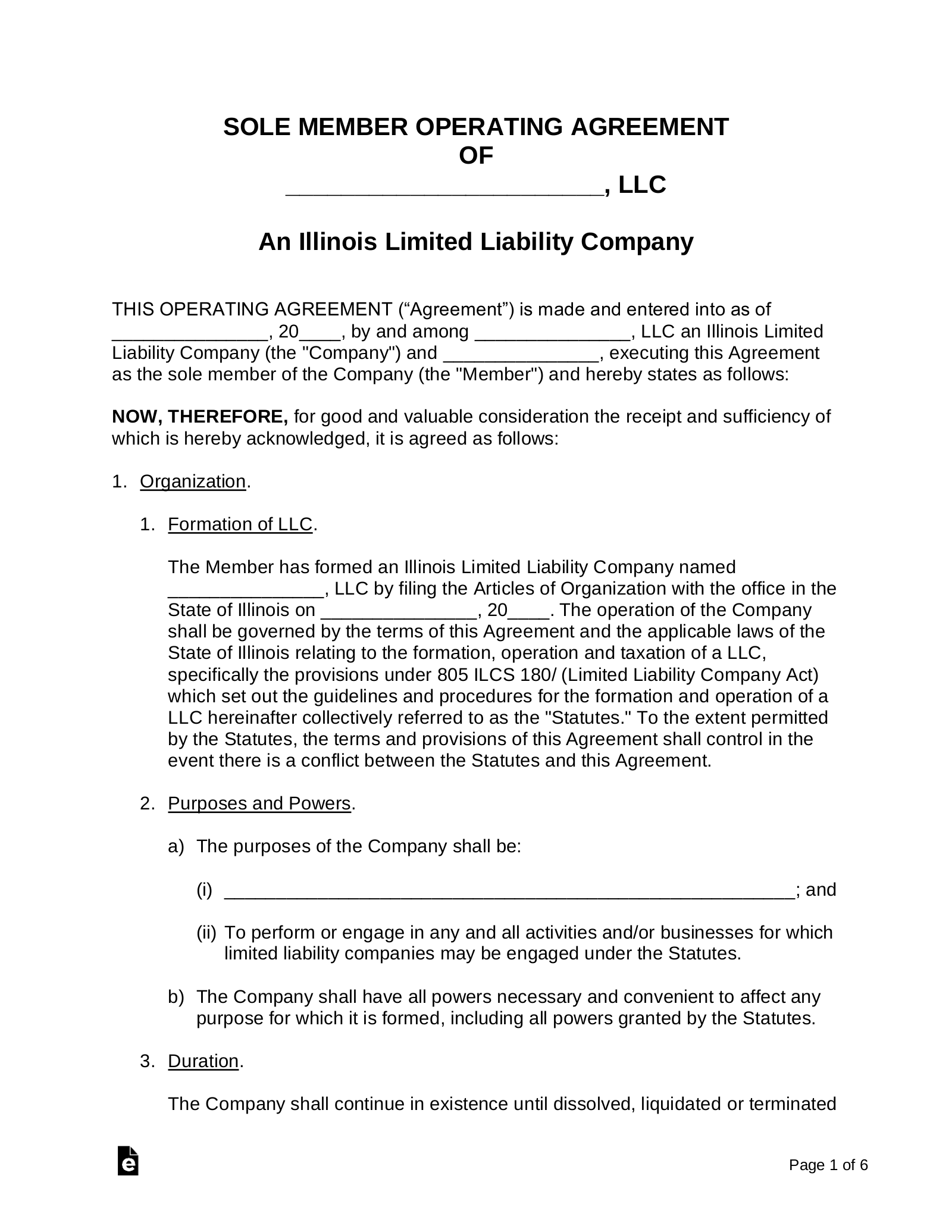
4. Create an Operating Agreement (not mandatory but recommended).
5. Obtain an EIN from the IRS for tax purposes.
| Step | Requirement |
| Name Reservation | Must include LLC or L.L.C. |
| Filing Fee | $150 (online or mail) |
| Publication | Cost varies by county |
| EIN | Free via IRS website |
3. Advantages of a Single Member LLC in Illinois
An Illinois SMLLC offers limited liability protection, separating personal assets from business liabilities. It also provides tax flexibility, allowing owners to choose between pass-through taxation or corporate tax treatment. Other benefits include simplified management (no board or shareholders) and enhanced credibility with clients.
See Also What Are the Documents I Need to Present to a Potential Angel Investor to Get Funded Besides My Business Plan
| Advantage | Detail |
| Asset Protection | No personal liability for business debts |
| Tax Options | Default: pass-through; Optional: S-Corp election |
| Privacy | No public disclosure of ownership in filings |
4. Illinois Single Member LLC Operating Agreement
Though not legally required, an Operating Agreement is critical for outlining business operations, profit distribution, and dissolution rules. It reinforces the LLC’s legal separation from the owner, which is vital in liability disputes. Illinois SMLLCs should include clauses on management structure and procedures for adding members.
| Clause | Purpose |
| Ownership | Confirms 100% member ownership |
| Management | Details decision-making authority |
| Dissolution | Outlines process for closing the LLC |
5. Tax Requirements for Illinois Single Member LLCs
By default, Illinois SMLLCs are pass-through entities, with income reported on the owner’s personal tax return (Schedule C). Owners must pay self-employment taxes and may need to register for state taxes like sales tax. Illinois also imposes an annual franchise tax (minimum $25) and a replacement tax of 1.5% of income.
See AlsoLLC Operating Agreement: Montana| Tax Type | Obligation |
| Federal | Schedule C + SE tax |
| State Income | 4.95% personal income tax rate |
| Franchise Tax | Minimum $25 annually |
6. Compliance and Ongoing Obligations
Illinois SMLLCs must file an Annual Report with the SOS ($75 fee) and renew licenses/permits. Failure to comply may result in penalties or administrative dissolution. Owners should also maintain separate financial accounts to preserve liability protection and keep records of major business decisions.
| Requirement | Deadline |
| Annual Report | Due every year by the formation anniversary |
| Franchise Tax | Paid with Annual Report |
| Record-Keeping | Maintain meeting minutes and financials |
Does Illinois allow single member LLC?
Does Illinois Allow Single-Member LLCs?
Yes, Illinois permits the formation of single-member LLCs. The state follows the Illinois Limited Liability Company Act, which does not restrict LLC ownership to multiple members. A single individual, business entity, or organization can form and manage an LLC in Illinois.
- Illinois treats single-member LLCs as flexible business structures with liability protection.
- Owners must file Articles of Organization with the Illinois Secretary of State.
- There is no residency requirement for the sole member or registered agent.
Formation Requirements for Single-Member LLCs in Illinois
To establish a single-member LLC in Illinois, specific steps must be followed to ensure compliance with state laws.
- File Articles of Organization (Form LLC-5.5) with the Illinois Secretary of State.
- Appoint a registered agent with a physical address in Illinois.
- Pay the $150 filing fee (standard processing) or additional fees for expedited services.
Tax Implications for Illinois Single-Member LLCs
Single-member LLCs in Illinois are typically treated as disregarded entities for federal tax purposes, but state taxes vary.
- Federal taxes: Profits/losses reported on the owner’s personal tax return (Form 1040).
- Illinois requires an annual franchise tax report (phased out as of 2024) and a $75 annual report fee.
- Sales tax obligations apply if the LLC sells taxable goods or services.
Liability Protection for Single-Member LLC Owners
A key advantage of forming a single-member LLC in Illinois is limited liability protection.
- Personal assets are shielded from business debts and lawsuits.
- Exceptions apply if the owner engages in fraudulent activities or fails to maintain corporate formalities.
- Maintaining a separate business bank account is critical to preserving liability protection.
Ownership Flexibility and Management
Illinois single-member LLCs offer simplicity in management and operational control.
- The sole member has full authority over business decisions without requiring consensus.
- An operating agreement, though not legally required, is recommended to outline procedures.
- Ownership can later expand to include additional members, converting the LLC to a multi-member structure.
Is a single member LLC a good idea?
What Are the Advantages of a Single-Member LLC?
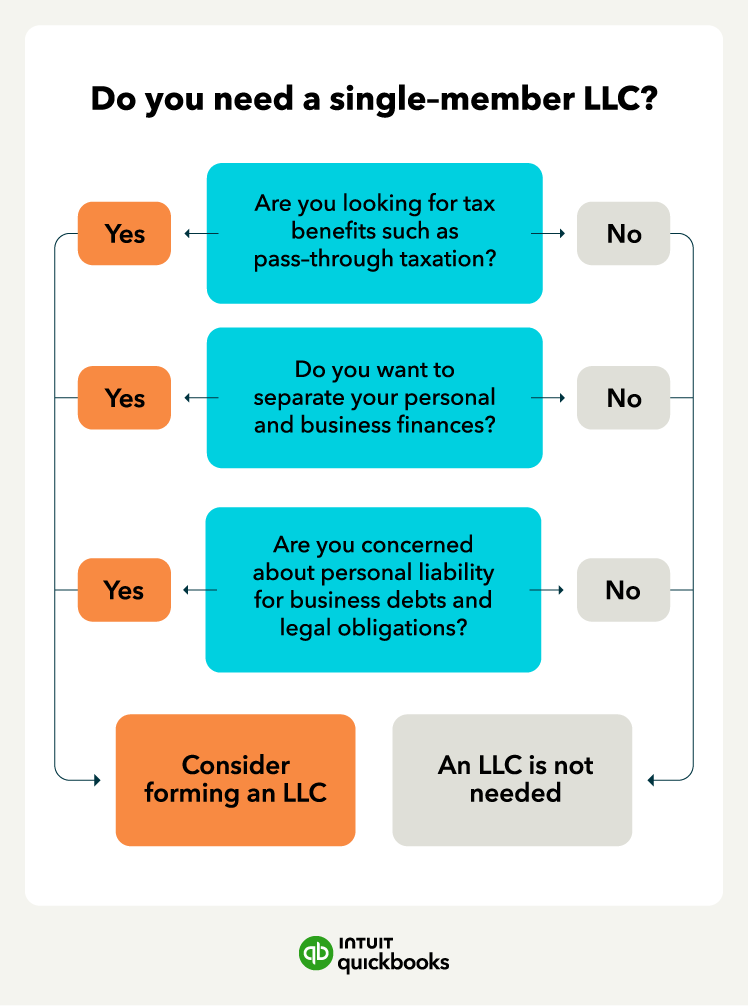
A single-member LLC combines the flexibility of a sole proprietorship with the liability protection of a corporation. Owners enjoy limited personal liability, meaning personal assets are generally shielded from business debts. Additionally, it offers pass-through taxation, avoiding double taxation seen in corporations.
- Asset protection: Separates personal and business finances.
- Tax flexibility: Choose to be taxed as a sole proprietorship, S corporation, or C corporation.
- Simplified management: No need for a board of directors or complex corporate formalities.
What Are the Limitations of a Single-Member LLC?
While beneficial, a single-member LLC has potential drawbacks. For example, some states impose higher fees or taxes on LLCs. It may also face limited credibility with investors compared to corporations.
- Self-employment taxes: Owners pay Medicare and Social Security taxes on all profits.
- Funding challenges: Raising capital can be harder without shareholders.
- State-specific rules: Compliance requirements vary, increasing administrative work.
How Does a Single-Member LLC Compare to Other Business Structures?
A single-member LLC differs from sole proprietorships, partnerships, and corporations in key ways. Unlike sole proprietorships, it provides legal protection, but it lacks the shareholder structure of corporations.
- Liability: Better protection than sole proprietorships.
- Tax options: More flexibility than S corporations or partnerships.
- Formalities: Fewer requirements than corporations.
What Tax Implications Come With a Single-Member LLC?
By default, the IRS treats single-member LLCs as disregarded entities, meaning profits are reported on the owner’s personal tax return. However, owners can elect S corporation status to reduce self-employment taxes.
- Pass-through taxation: Avoid corporate income tax.
- Deductible expenses: Business costs reduce taxable income.
- Estimated taxes: Owners may need to pay quarterly taxes.
How to Form a Single-Member LLC?
Forming a single-member LLC involves registering with the state, creating an operating agreement, and obtaining licenses. Steps vary by location but generally include:
- Choose a business name: Ensure it’s unique and compliant with state rules.
- File Articles of Organization: Submit paperwork and pay fees.
- Obtain an EIN: Required for taxes and banking.
How does a single member LLC pay himself?

Methods of Compensation for a Single Member LLC Owner
A single-member LLC owner typically pays themselves through owner’s draws, which involve transferring funds from the business account to their personal account. Unlike salaries, these draws are not taxed as wages but are considered personal income.
- Owner’s Draw: Withdraw profits directly from the LLC’s earnings without formal payroll requirements.
- Guaranteed Payments: Optional structured payments, similar to a salary, but not mandatory for tax purposes.
- Reimbursements: Repay yourself for business expenses paid personally, provided proper documentation exists.
Tax Implications for Single Member LLC Owners
Single-member LLCs are pass-through entities, meaning profits and losses flow to the owner’s personal tax return. Owners must pay self-employment taxes (Social Security and Medicare) on net earnings.
- Self-Employment Tax: 15.3% on net profits (up to income thresholds).
- Estimated Quarterly Taxes: Pay taxes quarterly to avoid penalties.
- Deductions: Offset taxable income with business expenses like office supplies or travel costs.
Profit Distribution vs. Salary Considerations
Since single-member LLC owners are not employees, they cannot receive a traditional salary with withholdings. Instead, profits are distributed freely, but owners must plan for tax obligations.
- No Payroll Setup: Avoid the complexity of formal payroll systems.
- Flexible Timing: Withdraw funds as needed, but maintain enough liquidity for business operations.
- Tax Withholding: Set aside funds for income and self-employment taxes manually.
Reinvesting Profits Back into the LLC
Owners may choose to reinvest profits to grow the business instead of taking personal draws. This strategy can improve long-term financial stability.
- Business Expansion: Allocate funds for new equipment, marketing, or hiring.
- Emergency Reserves: Build a cash buffer for unexpected expenses.
- Tax Benefits: Reinvested profits reduce taxable income, lowering immediate tax liability.
Maintaining Financial Separation Between Personal and Business Accounts
A separate business bank account is critical to preserve the LLC’s liability protection and simplify tax reporting.
- Legal Protection: Avoid “piercing the corporate veil” by mixing funds.
- Simplified Bookkeeping: Track business expenses and income accurately.
- Audit Preparedness: Clear records help defend against IRS scrutiny.
What is the tax rate for a single member LLC in Illinois?
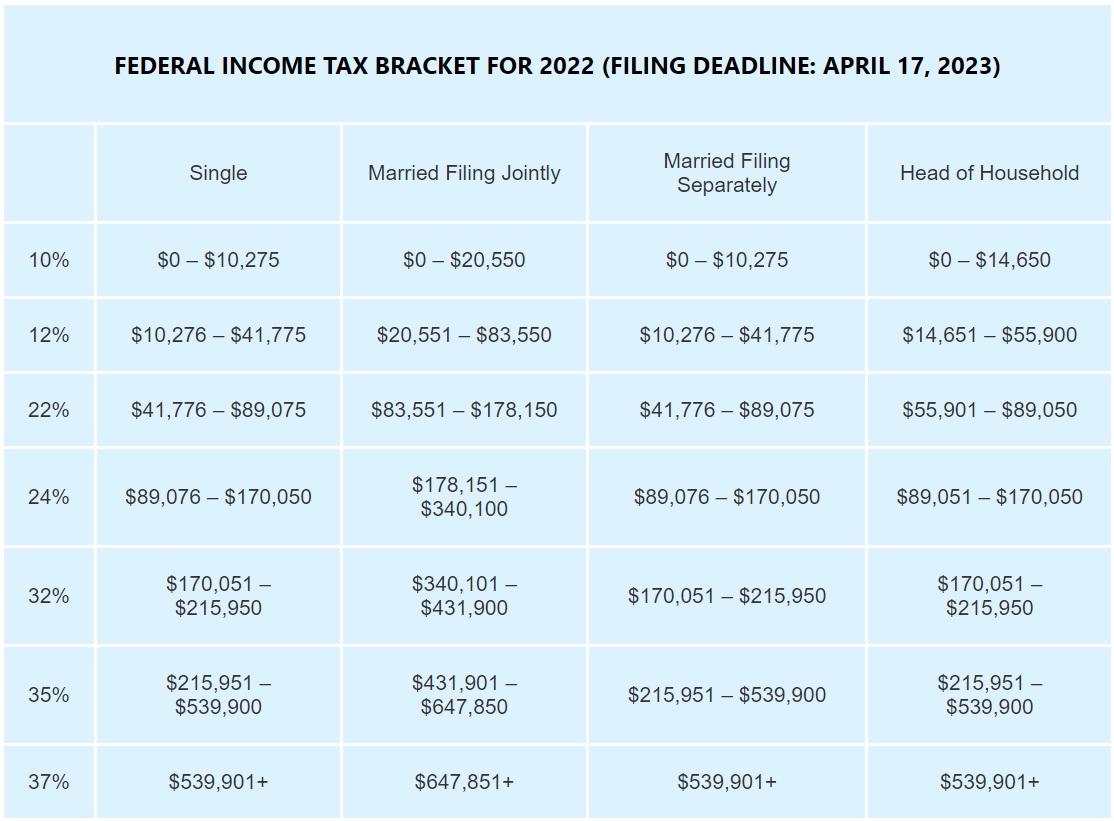
The tax rate for a single-member LLC (SMLLC) in Illinois depends on how the LLC is taxed. By default, the IRS treats a single-member LLC as a disregarded entity, meaning the owner reports business income on their personal tax return (Form 1040). Illinois does not impose a separate LLC state tax, but the owner must pay:
- State individual income tax: A flat rate of 4.95% on taxable income.
- Federal self-employment tax: 15.3% (12.4% for Social Security and 2.9% for Medicare) on net earnings.
- Replacement tax: 1.5% on net income, levied by Illinois.
If the SMLLC elects to be taxed as a C corporation or S corporation, different rates apply.
How Is a Single-Member LLC Taxed in Illinois?
A single-member LLC in Illinois is taxed as a pass-through entity by default. The owner reports profits and losses on their personal tax return (Schedule C). Key points include:
- State income tax: Illinois applies a flat 4.95% rate on taxable income.
- Federal self-employment tax: 15.3% on net earnings (subject to income thresholds).
- Replacement tax: 1.5% on net income, paid to Illinois for local infrastructure.
Does Illinois Impose a Franchise Tax on Single-Member LLCs?
Illinois previously charged a franchise tax on LLCs, but it was repealed in 2021. However, LLCs must still file an Annual Report with a $75 fee. Important details:
- No franchise tax: Eliminated for LLCs as of 2024.
- Annual report fee: $75 mandatory filing with the Illinois Secretary of State.
- Late penalties: Up to $300 for delayed submissions.
What Is the Illinois Replacement Tax for LLCs?
The Illinois replacement tax is a 1.5% levy on net income, replacing revenue lost from local property taxes. Key aspects:
- Applies to all businesses: Includes SMLLCs, partnerships, and corporations.
- Filing requirement: Paid via Form IL-1120-ST for LLCs taxed as disregarded entities.
- Tax base: Calculated on net income after federal deductions.
Are Single-Member LLCs Subject to Sales Tax in Illinois?
Single-member LLCs must collect and remit sales tax in Illinois if selling taxable goods or services. Details include:
- State sales tax rate: 6.25% (local rates may apply).
- Registration: Required with the Illinois Department of Revenue.
- Exemptions: Certain services and wholesale transactions may be exempt.
Can a Single-Member LLC Reduce Taxes in Illinois?
Tax strategies for minimizing liability include:
- Electing S corporation status: Reduces self-employment tax by splitting salary and distributions.
- Deducting business expenses: Includes office costs, travel, and equipment.
- Utilizing federal credits: Illinois conforms to many federal tax deductions.
Frequently Asked Questions About LLCs (FAQs)
What are the steps to form a Single Member LLC in Illinois?
Forming a Single Member LLC in Illinois involves several key steps. First, choose a unique business name that complies with Illinois naming rules (e.g., including LLC or Limited Liability Company). Next, file Articles of Organization with the Illinois Secretary of State, either online or by mail, and pay the required $150 filing fee. Illinois also mandates publishing a notice of formation in a local newspaper within 10 days of approval, followed by filing an Affidavit of Publication. Finally, draft an Operating Agreement (not legally required but recommended) and obtain necessary licenses, permits, or an EIN from the IRS if hiring employees.
Does a Single Member LLC in Illinois protect personal assets?
A Single Member LLC in Illinois generally offers limited liability protection, separating personal assets from business debts or legal claims. However, this protection isn’t absolute. Courts may pierce the corporate veil if the owner mixes personal and business finances, fails to maintain proper records, or engages in fraudulent activities. To preserve liability protection, owners must treat the LLC as a distinct entity by keeping separate accounts, filing taxes correctly, and adhering to compliance requirements like annual franchise tax payments.
How is a Single Member LLC taxed in Illinois?
By default, a Single Member LLC in Illinois is treated as a disregarded entity for federal taxes, meaning profits and losses are reported on the owner’s personal tax return (Schedule C). Illinois imposes a 1.5% franchise tax on LLCs, calculated based on the company’s paid-in capital. Additionally, owners may owe state income tax on profits. Alternatively, the LLC can elect corporate taxation by filing IRS Form 8832. Unlike some states, Illinois does not levy an annual report fee, but late franchise tax payments incur penalties.
What are the ongoing compliance requirements for a Single Member LLC in Illinois?
Illinois requires Single Member LLCs to file an Annual Franchise Tax Report, with a minimum tax of $75, due each year by the first day of the anniversary month of formation. Failure to pay may result in penalties or dissolution. While Illinois doesn’t mandate annual reports for LLCs, owners must update the Secretary of State about major changes (e.g., address or ownership) via amendments. Additionally, businesses must renew licenses/permits and maintain separation between personal and LLC finances to ensure compliance and liability protection.
Leave a Reply
Our Recommended Articles