
How Can One Start a Venture With No Money?

Starting a business with no money may seem like an impossible task, but with creativity, determination, and resourcefulness, it is entirely achievable. Many successful entrepreneurs began their journeys with little to no capital, relying instead on innovative strategies, leveraging existing skills, and building networks to turn their ideas into reality. This article explores practical steps to launch a venture without financial backing, from identifying low-cost business models to utilizing free tools and platforms. Whether you’re looking to monetize a passion or solve a problem, this guide will provide actionable insights to help you take the first steps toward entrepreneurship, even on a shoestring budget.
How Can One Start a Venture With No Money?
Starting a venture with no money may seem challenging, but it is entirely possible with the right mindset, creativity, and resourcefulness. Many successful entrepreneurs began their journeys with minimal or no capital, relying on their skills, networks, and innovative ideas. Below, we explore practical steps and strategies to help you launch your venture without financial resources.
See Also How Do I Start a Venture Capital Firm in Canada?
1. Leverage Your Skills and Expertise
One of the most effective ways to start a venture with no money is by utilizing your existing skills and expertise. Identify what you are good at and how you can turn that into a service or product. For example, if you are skilled in graphic design, you can offer freelance services to clients. By focusing on your strengths, you can create value without needing significant upfront investment.
| Skill | Potential Venture |
|---|---|
| Writing | Freelance content creation or blogging |
| Programming | Developing apps or websites |
| Teaching | Online tutoring or courses |
2. Utilize Free Online Tools and Platforms
The internet offers a wealth of free tools and platforms that can help you start and grow your venture. From website builders like Wix or WordPress to marketing tools like Canva and social media platforms, these resources can significantly reduce your startup costs. Additionally, platforms like YouTube and LinkedIn Learning provide free educational content to help you acquire new skills.
See AlsoWhat Documents Do I Need When I Pitch Venture Capitalists or Angel Investors| Tool/Platform | Purpose |
|---|---|
| Wix | Website building |
| Canva | Graphic design |
| LinkedIn Learning | Skill development |
3. Build a Strong Network
Networking is a powerful tool for entrepreneurs, especially when starting with no money. Connect with like-minded individuals, mentors, and potential collaborators who can offer support, advice, or even partnerships. Attend free events, join online communities, and engage with people in your industry. A strong network can open doors to opportunities that don’t require financial investment.
| Networking Strategy | Potential Benefit |
|---|---|
| Attend free webinars | Learn and connect with experts |
| Join LinkedIn groups | Find collaborators or clients |
| Participate in local meetups | Build relationships in your community |
4. Start Small and Scale Gradually
When starting with no money, it’s essential to begin small and focus on generating revenue as quickly as possible. Offer a minimal viable product (MVP) or service to test the market and gather feedback. As you earn income, reinvest it into your venture to grow and expand. This approach minimizes risk and allows you to build a sustainable business over time.
See Also How Do Venture Capitalists Make Money?
| Step | Action |
|---|---|
| Identify a niche | Focus on a specific audience or problem |
| Launch an MVP | Offer a basic version of your product/service |
| Reinvest profits | Use earnings to improve and expand |
5. Explore Crowdfunding and Bartering
Crowdfunding platforms like Kickstarter or Indiegogo can help you raise funds for your venture by presenting your idea to a broader audience. Additionally, consider bartering your skills or services in exchange for resources you need. For example, you could trade your marketing expertise for website development. These methods allow you to acquire resources without spending money.
| Method | How It Helps |
|---|---|
| Crowdfunding | Raises funds through community support |
| Bartering | Exchanges skills or services for resources |
| Pre-selling | Generates revenue before product completion |
How to open a venture capital firm with no money?

Understanding the Basics of Venture Capital
To open a venture capital firm with no money, you must first understand the fundamentals of how venture capital works. Venture capital involves investing in early-stage or high-growth companies in exchange for equity. Here’s how you can start:
- Educate yourself on venture capital principles, including deal structuring, valuation, and exit strategies.
- Network extensively with entrepreneurs, investors, and industry experts to build relationships and gain insights.
- Leverage free resources such as online courses, books, and podcasts to deepen your knowledge without spending money.
Building a Strong Network Without Capital
A robust network is crucial for launching a venture capital firm, especially when you lack funds. Here’s how to build one:
See Also What Are the Expectations of the Venture Capitalist While Investing in a Startup
- Attend industry events and conferences to meet potential partners and investors.
- Join online communities and forums focused on startups and venture capital to connect with like-minded individuals.
- Offer value first by sharing your expertise or helping others, which can lead to reciprocal support.
Creating a Virtual Presence
Establishing a virtual presence is a cost-effective way to start a venture capital firm. Here’s how to do it:
- Build a professional website using free or low-cost platforms like WordPress or Wix to showcase your vision and expertise.
- Utilize social media platforms like LinkedIn and Twitter to share insights and engage with the startup community.
- Create content such as blogs, videos, or podcasts to establish yourself as a thought leader in the venture capital space.
Partnering with Other Investors
Collaborating with other investors can help you launch a venture capital firm without initial capital. Here’s how to approach it:
- Identify potential partners who share your vision and have the financial resources to invest.
- Propose a partnership where you contribute expertise and deal flow while they provide the capital.
- Negotiate terms that are mutually beneficial, ensuring you retain a meaningful role in the firm.
Focusing on Niche Markets
Targeting a niche market can help you stand out and attract investors without significant capital. Here’s how to do it:
- Identify underserved industries or sectors with high growth potential, such as green tech or health tech.
- Develop expertise in your chosen niche to build credibility and attract startups seeking specialized investors.
- Leverage your niche focus to differentiate yourself from larger, more generalized venture capital firms.
Is there a way to start a business with no money?
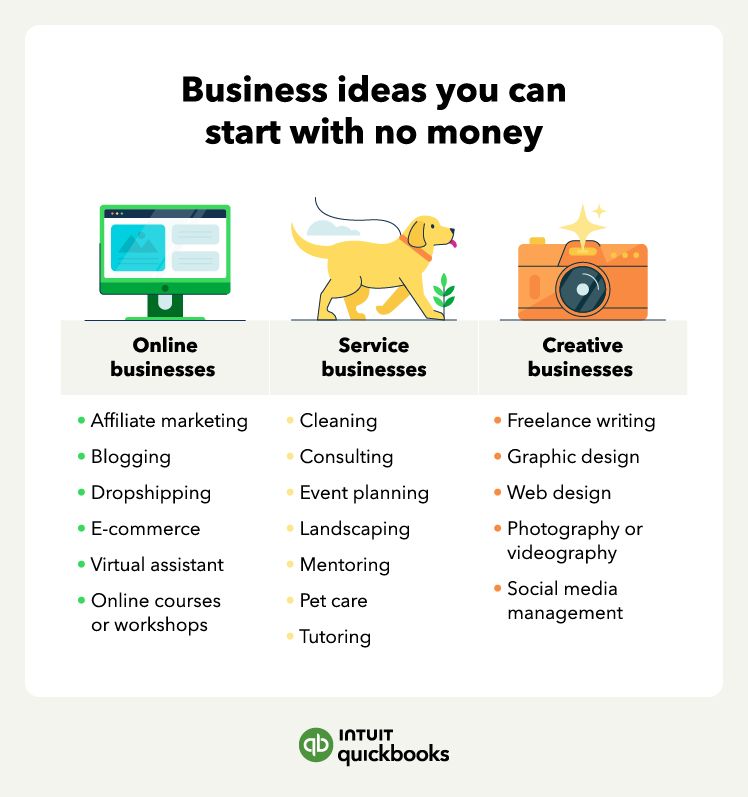
1. Leverage Your Skills and Talents
Starting a business with no money often begins with utilizing your existing skills and talents. Many businesses can be launched based on what you already know or can do. For example:
- Freelancing: Offer services like writing, graphic design, or consulting.
- Teaching: Share your expertise through online courses or workshops.
- Handmade Products: Create and sell crafts or art using materials you already have.
By focusing on your strengths, you can minimize initial costs and start generating income quickly.
2. Utilize Free Online Platforms
The internet provides numerous free tools and platforms to help you start a business without spending money. Consider the following:
- Social Media: Use platforms like Instagram, Facebook, or TikTok to market your business.
- Free Websites: Create a basic website using free tools like WordPress or Wix.
- Marketplaces: Sell products on platforms like Etsy, eBay, or Facebook Marketplace.
These resources allow you to reach a wide audience without the need for significant upfront investment.
3. Barter and Trade Services
Bartering can be an effective way to start a business with no money. Exchange your skills or services for something you need. For example:
- Trade Skills: Offer to design a logo in exchange for website development.
- Collaborate: Partner with someone who has complementary skills to share resources.
- Negotiate: Ask for deferred payments or discounts in exchange for future services.
This approach helps you build your business while conserving cash.
4. Start Small and Scale Gradually
Starting small allows you to test your business idea without significant financial risk. Focus on the following steps:
- Minimal Viable Product (MVP): Launch a basic version of your product or service to gauge interest.
- Bootstrapping: Reinvest early profits to grow your business organically.
- Customer Feedback: Use feedback to refine your offerings before expanding.
This method ensures you grow sustainably without needing a large initial investment.
5. Seek Out Free Resources and Support
There are many free resources available to help entrepreneurs start a business with no money. Explore the following options:
- Government Programs: Look for grants or training programs for small businesses.
- Nonprofits: Organizations like SCORE offer free mentoring and advice.
- Online Communities: Join forums or groups where entrepreneurs share tips and resources.
These resources can provide valuable guidance and support as you build your business.
How much money do you need to start a venture fund?
Minimum Capital Requirements for Starting a Venture Fund
Starting a venture fund typically requires a significant amount of capital. The minimum amount varies depending on the fund's strategy, target market, and operational costs. Below are key considerations:
- Seed Funds: Smaller funds may start with $5 million to $10 million, focusing on early-stage startups.
- Mid-Sized Funds: Funds targeting growth-stage companies often require $20 million to $50 million.
- Large Funds: Established venture funds may need $100 million or more to invest in multiple rounds and sectors.
Operational Costs of Running a Venture Fund
Beyond the capital for investments, operational expenses are a critical factor. These include:
- Management Fees: Typically 2% of the fund's total assets annually, covering salaries, office space, and other overheads.
- Legal and Compliance Costs: Setting up the fund structure and ensuring regulatory compliance can cost $50,000 to $200,000 initially.
- Due Diligence Expenses: Researching potential investments may require additional funds for travel, consultants, and tools.
Investor Commitments and Fundraising
Raising capital from investors is a crucial step. Key points include:
- Limited Partners (LPs): High-net-worth individuals, family offices, and institutional investors are common sources of capital.
- Minimum Commitments: LPs often commit $1 million or more, depending on the fund's size and strategy.
- Fundraising Timeline: Raising capital can take 6 to 18 months, depending on market conditions and investor interest.
Legal and Regulatory Considerations
Compliance with legal and regulatory requirements is essential. Key aspects include:
- Fund Structure: Deciding between a limited partnership (LP) or a limited liability company (LLC) impacts costs and operations.
- Securities Laws: Adhering to regulations like the SEC's rules for private funds is mandatory.
- Tax Implications: Structuring the fund to optimize tax efficiency for investors and managers.
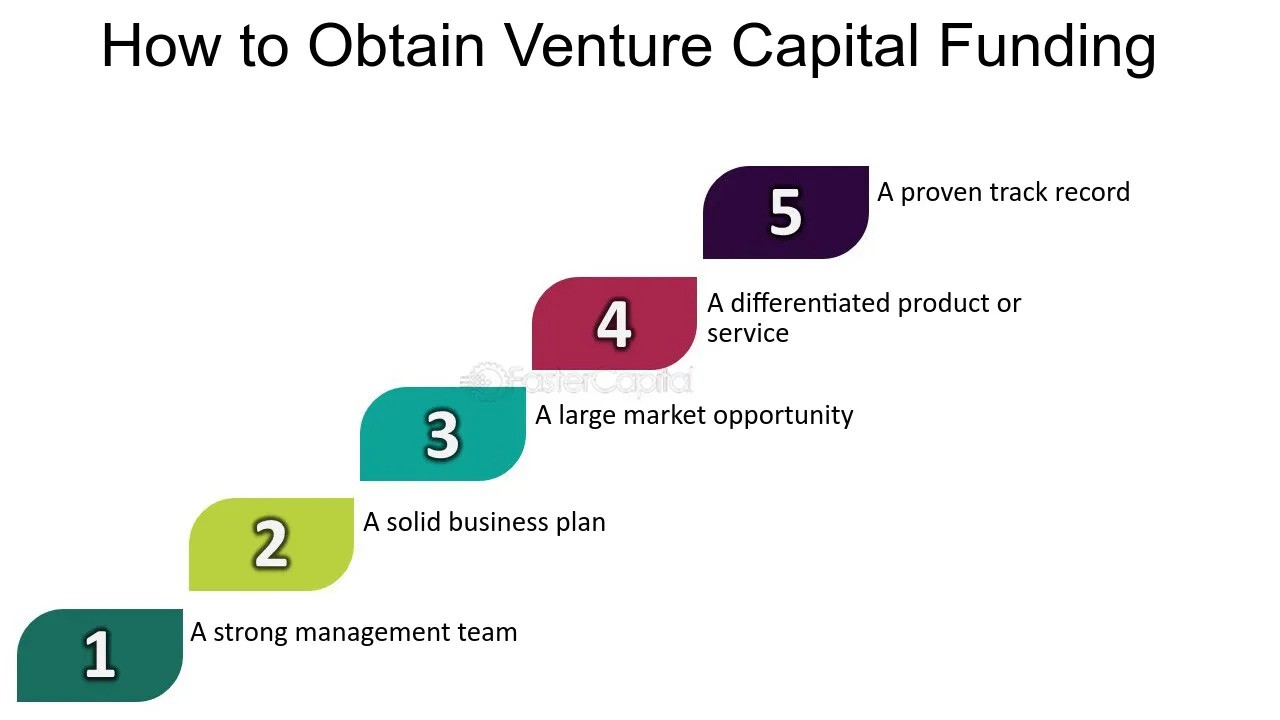
Building a Track Record to Attract Investors
Investors often look for a proven track record before committing capital. Key strategies include:
- Angel Investments: Demonstrating success through personal investments can build credibility.
- Advisory Roles: Working with startups in advisory capacities showcases expertise.
- Networking: Building relationships with other investors and industry professionals can open doors to potential LPs.
Frequently Asked Questions by our Community
How can I start a business without any initial capital?
Starting a business with no money requires creativity, resourcefulness, and leveraging existing skills or assets. Begin by identifying a low-cost or no-cost business idea that aligns with your expertise, such as freelancing, consulting, or offering services like tutoring or virtual assistance. Utilize free tools and platforms like social media, free website builders, or online marketplaces to promote your business. Additionally, consider bartering services or partnering with others to share resources and reduce costs.
What are some no-cost business ideas I can pursue?
There are numerous no-cost business ideas that require minimal to no upfront investment. Examples include becoming a freelancer in writing, graphic design, or programming, offering virtual assistance, or starting a blog or YouTube channel. You can also explore affiliate marketing, where you earn commissions by promoting other companies' products. Another option is to sell handmade or digital products, such as eBooks or printables, using free platforms like Etsy or Gumroad.
How can I market my business without spending money?
Marketing your business without a budget is entirely possible with the right strategies. Leverage social media platforms like Instagram, Facebook, or LinkedIn to reach your target audience organically. Create engaging content, join relevant groups, and network with others in your industry. Additionally, use word-of-mouth marketing by asking satisfied clients or customers to refer you to others. You can also collaborate with influencers or other businesses to expand your reach without spending money.
Can I start a business with no money and no experience?
Yes, you can start a business with no money and no experience, but it requires dedication and a willingness to learn. Begin by researching your chosen industry and acquiring skills through free online courses, tutorials, or mentorship programs. Start small by offering your services or products to friends, family, or local communities to build experience and credibility. Over time, reinvest any earnings into growing your business and gaining more expertise. Remember, many successful entrepreneurs started with limited resources and learned as they went.
Leave a Reply
Our Recommended Articles