
How Does Crowdfunding Compare With Venture Capital?

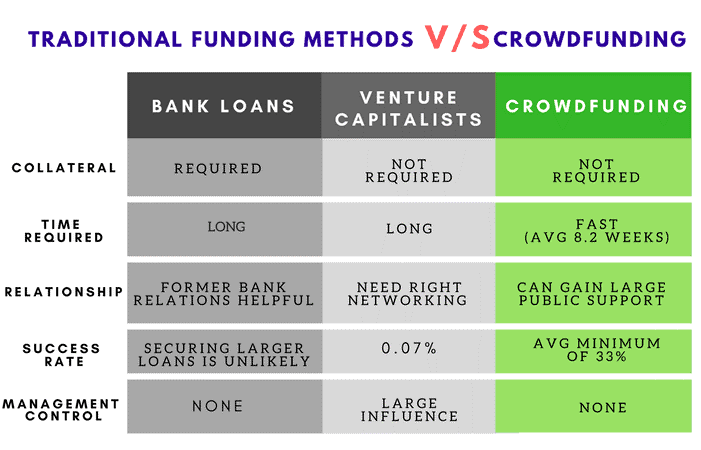
Crowdfunding and venture capital are two prominent funding mechanisms that entrepreneurs often consider when seeking financial support for their ventures. While both aim to provide the necessary capital to bring innovative ideas to life, they differ significantly in their approach, accessibility, and implications for businesses. Crowdfunding leverages the power of the crowd, allowing individuals to contribute small amounts of money, often in exchange for rewards or equity. On the other hand, venture capital involves professional investors injecting substantial funds into high-potential startups in exchange for equity and strategic guidance. This article explores the key differences, advantages, and challenges of these funding models, helping entrepreneurs determine which option aligns best with their goals.
- How Does Crowdfunding Compare With Venture Capital?
- Is it harder to get into VC or PE?
- What is the difference between venture capitalists, angel investors, and crowdfunding?
- What is the difference between crowdfunding and investors?
- What is the biggest advantage of crowdfunding?
- Frequently Asked Questions (FAQs)
How Does Crowdfunding Compare With Venture Capital?
Crowdfunding and venture capital are two distinct methods of raising funds for businesses, each with its own advantages and challenges. While crowdfunding relies on small contributions from a large number of individuals, typically through online platforms, venture capital involves significant investments from professional investors or firms in exchange for equity. Understanding the differences between these two funding methods is crucial for entrepreneurs deciding which path to take.
See Also What is the Difference Between a Private Equity Firm and a Venture Capital Firm
1. What Are the Key Differences in Funding Sources?
Crowdfunding platforms like Kickstarter or Indiegogo allow businesses to raise funds directly from the public, often in exchange for rewards or early access to products. In contrast, venture capital comes from accredited investors or firms who provide capital in exchange for equity and often seek a high return on investment. Crowdfunding is more accessible to startups and small businesses, while venture capital is typically reserved for high-growth potential companies.
2. How Do the Funding Amounts Compare?
Crowdfunding campaigns usually raise smaller amounts, ranging from a few thousand to a few million dollars, depending on the project's appeal. On the other hand, venture capital investments can range from hundreds of thousands to tens of millions of dollars, making it suitable for scaling businesses rapidly. However, securing venture capital often requires a proven business model and significant growth potential.
See Also Why Should I Choose Equity Crowdfunding Instead of Venture Capital
3. What Are the Ownership and Control Implications?
With crowdfunding, entrepreneurs retain full ownership and control of their business, as backers typically do not receive equity. In contrast, venture capital investors often demand equity stakes and may require a seat on the board, influencing business decisions. This can lead to a loss of autonomy for the entrepreneur but provides access to valuable expertise and networks.
4. How Do the Risks and Rewards Differ?
Crowdfunding carries lower financial risk for entrepreneurs since they are not obligated to repay backers if the project fails. However, it requires significant effort in marketing and community engagement. Venture capital, while providing substantial funding, comes with the pressure to deliver high returns, and failure can result in losing equity or control of the business.
See Also Should I Quit Venture Capital to Join Real Estate Private Equity =37253896
5. What Are the Timeframes and Processes Involved?
Crowdfunding campaigns are typically short-term, lasting 30 to 60 days, and require a well-planned marketing strategy to succeed. Venture capital fundraising, however, is a longer process involving pitching to investors, due diligence, and negotiations, which can take several months or even years.
| Aspect | Crowdfunding | Venture Capital |
|---|---|---|
| Funding Source | General public | Accredited investors/firms |
| Funding Amount | Small to moderate | Large |
| Ownership | Retained by entrepreneur | Shared with investors |
| Risk | Low financial risk | High financial risk |
| Timeframe | Short-term (30-60 days) | Long-term (months to years) |
Is it harder to get into VC or PE?

Understanding the Differences Between VC and PE
Venture Capital (VC) and Private Equity (PE) are both forms of private investment, but they differ significantly in their focus and approach. VC typically involves investing in early-stage startups with high growth potential, while PE focuses on acquiring established companies to improve their operations and sell them at a profit. The entry barriers for each field vary based on the following factors:
- Investment Stage: VC targets startups, whereas PE deals with mature companies.
- Risk Level: VC investments are riskier due to the uncertainty of startup success.
- Deal Size: PE deals are generally larger in scale compared to VC investments.
Educational and Professional Background Requirements
Breaking into VC or PE often requires a strong educational and professional background. However, the specific requirements can differ between the two fields:
- VC: A background in entrepreneurship, technology, or finance is often preferred. Many VCs also value experience in startups or innovation-driven roles.
- PE: A strong foundation in finance, investment banking, or consulting is typically required. PE firms often seek candidates with experience in financial modeling and deal execution.
- Networking: Both fields place a high emphasis on networking, but VC may require more connections within the startup ecosystem.
Competitiveness of the Job Market
The job market for both VC and PE is highly competitive, but the nature of the competition varies:
- VC: Fewer positions are available, and firms often look for candidates with a unique blend of skills, including technical expertise and a deep understanding of emerging markets.
- PE: While there are more opportunities in PE, the competition is intense due to the high salaries and prestige associated with the field.
- Entry Points: VC roles are often harder to secure directly, with many professionals transitioning from related fields like consulting or entrepreneurship.
Skill Sets Required for Success
Success in VC and PE demands distinct skill sets, which can influence the difficulty of entering each field:
- VC: Strong analytical skills, a deep understanding of technology trends, and the ability to identify disruptive innovations are crucial.
- PE: Expertise in financial analysis, deal structuring, and operational improvement is essential.
- Soft Skills: Both fields require excellent communication and negotiation skills, but VC may place more emphasis on relationship-building with founders.
Long-Term Career Prospects
The long-term career prospects in VC and PE can also impact the perceived difficulty of entering each field:
- VC: Career progression often involves moving from analyst roles to partner positions, with a focus on building a strong portfolio of successful investments.
- PE: Professionals typically advance from associate roles to senior positions, with opportunities to lead large-scale acquisitions and exits.
- Exit Opportunities: Both fields offer lucrative exit opportunities, but VC may provide more chances to transition into entrepreneurship or advisory roles.
What is the difference between venture capitalists, angel investors, and crowdfunding?

What is Venture Capital?
Venture capitalists (VCs) are professional investors who manage pooled funds from institutions or wealthy individuals to invest in high-growth startups and small businesses. They typically provide funding in exchange for equity and play an active role in guiding the company's growth. Key characteristics include:
- Large investments: VCs usually invest significant amounts, often in the millions.
- Equity stake: They take ownership shares in the company.
- Active involvement: VCs often join the board of directors and provide strategic advice.
Who are Angel Investors?
Angel investors are affluent individuals who invest their personal funds into early-stage startups, often in exchange for equity. Unlike VCs, they typically invest smaller amounts and are less involved in day-to-day operations. Key features include:
- Personal funds: Angels use their own money rather than pooled funds.
- Early-stage focus: They often invest during the seed or startup phase.
- Mentorship: Angels may offer guidance but are less hands-on than VCs.
What is Crowdfunding?
Crowdfunding is a method of raising capital through small contributions from a large number of people, typically via online platforms. It allows startups and small businesses to access funds without giving up equity or taking on debt. Key aspects include:
- Diverse funding sources: Contributions come from a wide range of individuals.
- No equity loss: Most crowdfunding models do not require giving up ownership.
- Community engagement: It helps build a loyal customer base and market validation.
Key Differences in Investment Size
The investment size varies significantly among these funding sources. Venture capitalists typically invest large sums, often exceeding $1 million, while angel investors provide smaller amounts, usually between $25,000 and $100,000. Crowdfunding, on the other hand, involves micro-contributions from many individuals, often totaling a few thousand dollars.
- VCs: Millions of dollars.
- Angels: Tens to hundreds of thousands.
- Crowdfunding: Thousands to tens of thousands.
Level of Involvement in the Business
The level of involvement differs among these investors. Venture capitalists are highly involved, often taking board seats and influencing major decisions. Angel investors may offer mentorship but are less hands-on. Crowdfunding contributors typically have no involvement beyond financial support.
- VCs: High involvement, strategic guidance.
- Angels: Moderate involvement, mentorship.
- Crowdfunding: Minimal to no involvement.
What is the difference between crowdfunding and investors?
Definition and Purpose
Crowdfunding and investors are two distinct methods of raising capital, each with its own purpose and structure. Crowdfunding involves collecting small amounts of money from a large number of people, typically through online platforms, to fund a project, business, or cause. On the other hand, investors are individuals or entities that provide larger sums of money in exchange for equity, debt, or other financial returns.
- Crowdfunding is often used for creative projects, startups, or social causes.
- Investors typically seek financial returns and may require a stake in the business.
- Crowdfunding relies on the collective effort of many contributors, while investors usually act individually or as part of a group.
Source of Funding
The source of funding differs significantly between crowdfunding and investors. In crowdfunding, the funds come from a large pool of individuals who may or may not expect a return on their contribution. In contrast, investors provide capital with the expectation of a financial return, often through equity or interest payments.
- Crowdfunding sources include the general public, friends, family, and supporters.
- Investors can be angel investors, venture capitalists, or institutional investors.
- Crowdfunding platforms like Kickstarter or GoFundMe facilitate the process, while investors often negotiate directly with businesses.
Level of Involvement
The level of involvement in the funded project or business varies between crowdfunding and investors. Crowdfunding contributors usually have minimal to no involvement in the project beyond their financial support. Investors, however, often take an active role in the business, providing guidance, mentorship, and strategic input.
- Crowdfunding backers are typically passive supporters.
- Investors may demand a seat on the board or regular updates on business performance.
- Investors often have a vested interest in the success of the business, while crowdfunding contributors may not.
Risk and Return
The risk and return profiles of crowdfunding and investors are quite different. Crowdfunding contributors may receive rewards or perks, but they generally do not expect a financial return. Investors, however, expect a significant return on their investment, which can include equity, dividends, or interest payments.
- Crowdfunding often involves lower financial risk for contributors.
- Investors take on higher risk in exchange for potential high returns.
- Crowdfunding rewards can be tangible (products) or intangible (recognition), while investors seek monetary gains.
Regulation and Legal Considerations
The regulatory environment for crowdfunding and investors varies significantly. Crowdfunding is subject to specific regulations that protect contributors and ensure transparency. Investors, particularly those involved in equity financing, must comply with securities laws and regulations, which can be more complex and stringent.
- Crowdfunding platforms must adhere to rules set by regulatory bodies like the SEC in the U.S.
- Investors must navigate securities laws, which can include disclosure requirements and accreditation standards.
- Crowdfunding campaigns often have caps on the amount that can be raised, while investor funding can be more flexible.
What is the biggest advantage of crowdfunding?

The biggest advantage of crowdfunding is its ability to provide access to capital for individuals, startups, and small businesses that may not qualify for traditional funding methods like bank loans or venture capital. Crowdfunding allows creators to present their ideas directly to the public, enabling them to raise funds based on the merit of their project and the support of a community. This democratizes the funding process, making it more inclusive and accessible.
Access to a Global Audience
Crowdfunding platforms enable creators to reach a global audience, breaking geographical barriers. This means:
- Wider exposure: Projects can attract backers from different parts of the world.
- Diverse support: A global audience brings varied perspectives and interests, increasing the chances of success.
- Market validation: A successful campaign can demonstrate demand for a product or idea on an international scale.
Low Financial Risk
Crowdfunding minimizes financial risk for creators because:
- No upfront costs: Many platforms only charge fees if the funding goal is met.
- Pre-selling products: Creators can generate revenue before production, reducing the need for initial capital.
- No debt: Unlike loans, crowdfunding does not require repayment, making it a safer option for startups.
Community Building and Engagement
Crowdfunding fosters a sense of community by:
- Creating loyal supporters: Backers often feel personally invested in the success of a project.
- Encouraging feedback: Creators can interact with backers to refine their ideas or products.
- Building brand advocates: Successful campaigns can turn backers into long-term customers or promoters.
Validation of Ideas
Crowdfunding serves as a powerful tool for validating ideas because:
- Market testing: A successful campaign indicates genuine interest in the product or concept.
- Proof of concept: Backers' willingness to fund the project demonstrates its viability.
- Attracting investors: A strong crowdfunding campaign can attract additional investors or partners.
Creative Freedom and Ownership
Crowdfunding allows creators to maintain creative control and ownership by:
- Avoiding investor interference: Unlike traditional investors, backers typically do not demand equity or decision-making power.
- Pursuing passion projects: Creators can focus on their vision without compromising for external stakeholders.
- Retaining intellectual property: Crowdfunding does not require giving up ownership rights, unlike some funding methods.
Frequently Asked Questions (FAQs)
What are the main differences between crowdfunding and venture capital?
Crowdfunding and venture capital are two distinct methods of raising funds for businesses or projects. Crowdfunding involves collecting small amounts of money from a large number of people, typically through online platforms. This method is often used by startups, creative projects, or social causes. In contrast, venture capital involves larger investments from professional investors or firms, who provide funding in exchange for equity or ownership stakes in the company. While crowdfunding is more accessible to a broader audience, venture capital is usually reserved for high-growth potential businesses with a clear path to profitability.
Which option is better for early-stage startups: crowdfunding or venture capital?
The choice between crowdfunding and venture capital depends on the nature of the startup and its goals. Crowdfunding is often more suitable for early-stage startups that need to validate their idea, build a community, or raise smaller amounts of capital. It allows entrepreneurs to test the market and gain early adopters without giving up equity. On the other hand, venture capital is better suited for startups with high-growth potential that require significant funding to scale quickly. However, venture capital often comes with strings attached, such as loss of control and pressure to deliver rapid returns.
What are the advantages of crowdfunding over venture capital?
Crowdfunding offers several advantages over venture capital. First, it provides access to a wide audience, allowing entrepreneurs to raise funds while simultaneously marketing their product or idea. Second, crowdfunding does not require giving up equity or control, which is often a requirement in venture capital deals. Third, it allows for greater flexibility, as there are no strict timelines or performance expectations. Finally, crowdfunding can help validate a business idea by demonstrating market interest, which can be useful when approaching other investors later.
What are the risks associated with crowdfunding compared to venture capital?
While crowdfunding has its benefits, it also comes with risks. One major risk is the possibility of not meeting the funding goal, which can result in receiving no funds at all (in the case of all-or-nothing models). Additionally, crowdfunding campaigns require significant time and effort to market effectively. In contrast, venture capital provides a more predictable source of funding, but it often involves giving up equity and control. Venture capitalists may also impose strict terms and conditions, which can limit the entrepreneur's freedom to make decisions. Both options carry risks, and the choice depends on the specific needs and goals of the business.
Leave a Reply
Our Recommended Articles