
Dump Trailer Rental Business Insurance

Starting a dump trailer rental business involves managing significant assets and potential risks, making comprehensive insurance coverage essential. Whether renting out equipment for construction, landscaping, or waste removal, unforeseen incidents like accidents, property damage, or theft can disrupt operations and lead to costly liabilities. A tailored insurance policy safeguards your business by addressing industry-specific exposures, including third-party injuries, trailer damage, or cargo-related claims. Key coverage options typically include general liability, commercial auto, physical damage, and inland marine insurance. Evaluating your business’s unique needs, local regulations, and client requirements ensures a robust safety net, allowing you to focus on growth while minimizing financial vulnerabilities in this equipment-intensive industry.
- Understanding Dump Trailer Rental Business Insurance: Coverage and Costs
- What kind of insurance do you need to rent out a dump trailer?
- What insurance is needed for a trailer rental business?
-
How much is insurance for a dump trailer business?
- What Factors Influence the Cost of Dump Trailer Business Insurance?
- How Much Does General Liability Insurance Cost for a Dump Trailer Business?
- What Are the Average Costs for Commercial Auto Insurance?
- How Can You Lower Insurance Premiums for a Dump Trailer Business?
- Why Do Insurance Quotes Vary Between Providers?
- What insurance do you need to rent out your trailer?
- Frequently Asked Questions (FAQs)
Understanding Dump Trailer Rental Business Insurance: Coverage and Costs
Types of Insurance Coverage for Dump Trailer Rental Businesses
Dump trailer rental businesses require specialized insurance to mitigate risks. Key policies include:
- Commercial Auto Liability Insurance: Covers third-party injuries or property damage during trailer use.
- Physical Damage Coverage: Protects against damage to rented trailers from accidents, theft, or vandalism.
- On-Hook Cargo Insurance: Safeguards goods transported by the trailer while in the renter’s possession.
- General Liability Insurance: Addresses non-auto-related risks, like customer injuries at your business location.
- Uninsured/Underinsured Motorist Coverage: Compensates for damages caused by drivers without adequate insurance.
| Coverage Type | What It Protects | Example Scenario |
|---|---|---|
| Commercial Auto Liability | Third-party injuries/damage | A renter crashes into another vehicle |
| Physical Damage | Trailer repairs/replacement | Trailer damaged in a collision |
| On-Hook Cargo | Transported goods | Cargo stolen during transit |
Insurance costs depend on variables like:
- Trailer value: Higher-value trailers increase premiums.
- Rental duration: Short-term rentals may have higher per-day rates.
- Business location: Areas with high theft rates or heavy traffic raise costs.
- Safety measures: GPS tracking or anti-theft devices can lower premiums.
- Claims history: Frequent claims lead to higher rates.
| Factor | Impact on Premium | Example |
|---|---|---|
| Trailer Value | Directly proportional | $20k trailer vs. $50k trailer |
| Safety Features | Reduces cost | Installing GPS tracking |
How to Choose the Right Insurance Policy
Evaluate policies by:
- Assessing risks: Identify common hazards in your operations.
- Comparing quotes: Request tailored quotes from multiple providers.
- Checking insurer reputation: Prioritize companies with experience in trailer rentals.
- Customizing coverage: Avoid gaps by aligning policies with rental terms.
- Reviewing annually: Update coverage as your fleet or services expand.
| Step | Key Action | Outcome |
|---|---|---|
| Risk Assessment | Identify operational hazards | Tailored coverage needs |
| Quote Comparison | Analyze cost vs. benefits | Cost-effective policy |
Common Exclusions in Dump Trailer Insurance Policies
Typical exclusions include:
- Wear and tear: Damage from regular use isn’t covered.
- Intentional damage: Deliberate acts by renters.
- Unlicensed drivers: Accidents caused by unauthorized operators.
- Improper loading: Overloading or unbalanced cargo.
- Unauthorized use: Trailers used outside agreed terms.
| Exclusion | Description | Example |
|---|---|---|
| Wear and Tear | Gradual deterioration | Rusted trailer bed |
| Unauthorized Use | Violating rental terms | Using trailer for racing |
Benefits of Adequate Insurance for Dump Trailer Rentals
Proper coverage ensures:
- Financial protection: Avoid out-of-pocket repair or legal costs.
- Legal compliance: Meet state or contractual requirements.
- Customer trust: Renters feel secure using insured trailers.
- Business continuity: Quick recovery from accidents or theft.
- Competitive edge: Attract clients needing proof of insurance.
| Benefit | Impact | Scenario |
|---|---|---|
| Financial Protection | Reduces liability costs | Covering a $10k accident claim |
| Business Continuity | Minimizes downtime | Replacing a stolen trailer quickly |
What kind of insurance do you need to rent out a dump trailer?
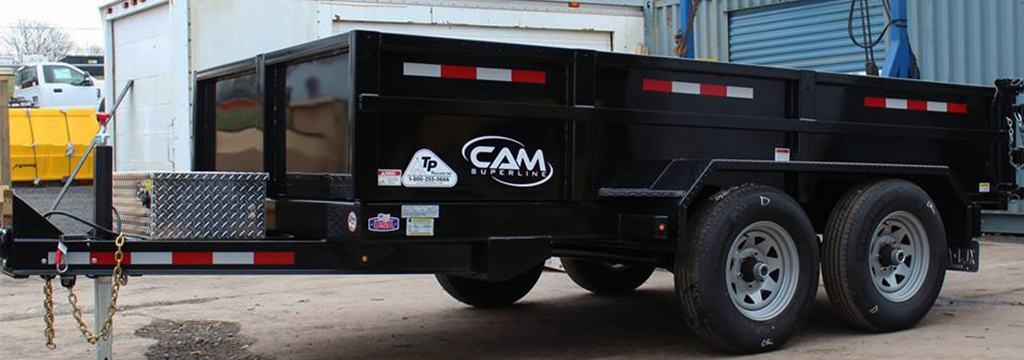
Types of Insurance Required for Renting Out a Dump Trailer
To rent out a dump trailer, you typically need liability insurance to cover third-party injuries or property damage, physical damage insurance to protect the trailer itself, and commercial auto insurance if the trailer is towed by a vehicle. Verify if your existing policies (e.g., business or auto insurance) already include coverage for rented equipment.
See AlsoBuying a Book of Business Insurance- Liability insurance: Mandatory for covering accidents involving third parties.
- Physical damage insurance: Covers repairs or replacements due to collisions, theft, or vandalism.
- Commercial auto insurance: Required if a vehicle is used to tow the trailer during rentals.
Liability Insurance for Dump Trailer Rentals
Liability insurance is critical to protect against claims if the rented dump trailer causes injury or property damage. This coverage often includes legal fees and medical expenses for affected parties.
- Third-party bodily injury: Covers medical costs if someone is hurt.
- Property damage: Pays for repairs to others’ property (e.g., buildings, vehicles).
- Legal defense: Addresses lawsuits arising from accidents.
Physical Damage Insurance Coverage
Physical damage insurance ensures the dump trailer is protected from accidental harm during the rental period. This includes collisions, fire, or theft.
See AlsoHow to Start a Technology Company- Comprehensive coverage: Addresses non-collision incidents (e.g., theft, weather damage).
- Collision coverage: Repairs the trailer after accidents.
- Deductible options: Lower premiums with higher out-of-pocket deductibles.
Commercial Auto Insurance for Towing Vehicles
If a vehicle is used to transport the dump trailer, commercial auto insurance is necessary. Personal auto policies often exclude coverage for business-related towing.
- Towing liability: Covers accidents caused while towing the trailer.
- Cargo coverage: Protects materials being transported.
- Uninsured motorist protection: Safeguards against drivers without insurance.
Additional Coverage Considerations
Beyond basic policies, consider umbrella insurance for higher liability limits or rental reimbursement insurance to cover lost income during repairs.
- Umbrella policies: Extend liability coverage beyond standard limits.
- Rental reimbursement: Compensates for downtime if the trailer is unusable.
- Equipment breakdown: Covers mechanical failures unrelated to accidents.
What insurance is needed for a trailer rental business?
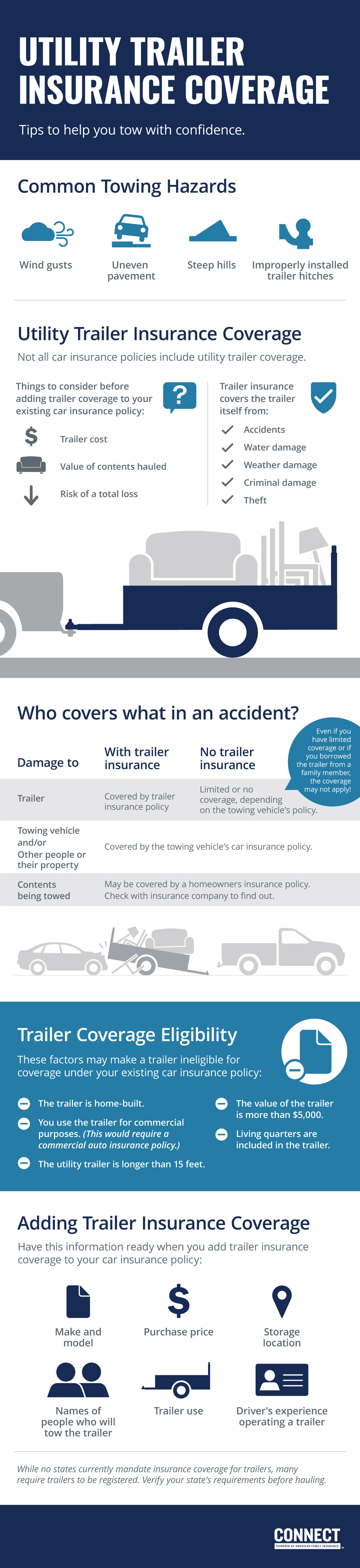
General Liability Insurance
General liability insurance is essential for a trailer rental business to protect against third-party claims of bodily injury, property damage, or personal injury. This coverage is critical for accidents occurring on business premises or during trailer use. Key aspects include:
- Bodily injury coverage for medical expenses if a customer is injured.
- Property damage protection if a rented trailer damages a client’s belongings or third-party property.
- Legal defense costs for lawsuits related to covered incidents.
Commercial Auto Insurance
Commercial auto insurance covers vehicles used to tow or transport trailers. It safeguards against accidents, theft, or damage involving company-owned trucks or tow vehicles. Key elements include:
- Collision coverage for repairs to company vehicles after accidents.
- Liability protection for damages caused to others in an accident.
- Uninsured motorist coverage if an at-fault driver lacks sufficient insurance.
Physical Damage Insurance
Physical damage insurance protects the trailers themselves from risks like collisions, vandalism, or natural disasters. This is vital for minimizing financial losses from damaged rental assets. Coverage typically includes:
- Comprehensive coverage for non-collision events (e.g., fire, theft).
- Collision coverage for accidents involving the trailer.
- Downtime reimbursement for income lost during trailer repairs.
Cargo Insurance
If your business involves transporting goods, cargo insurance is necessary to cover damage or loss of clients’ belongings during transit. This ensures accountability and client trust. Key features include:
- Freight coverage for goods damaged due to accidents or weather.
- Theft protection for stolen cargo.
- Liability limits tailored to the value of transported items.
Workers’ Compensation Insurance
For businesses with employees, workers’ compensation insurance is legally required in most regions. It covers medical costs and lost wages for work-related injuries. Components include:
- Medical expense coverage for employee injuries on the job.
- Disability benefits for temporary or permanent incapacity.
- Employer liability protection against lawsuits from injured workers.
How much is insurance for a dump trailer business?
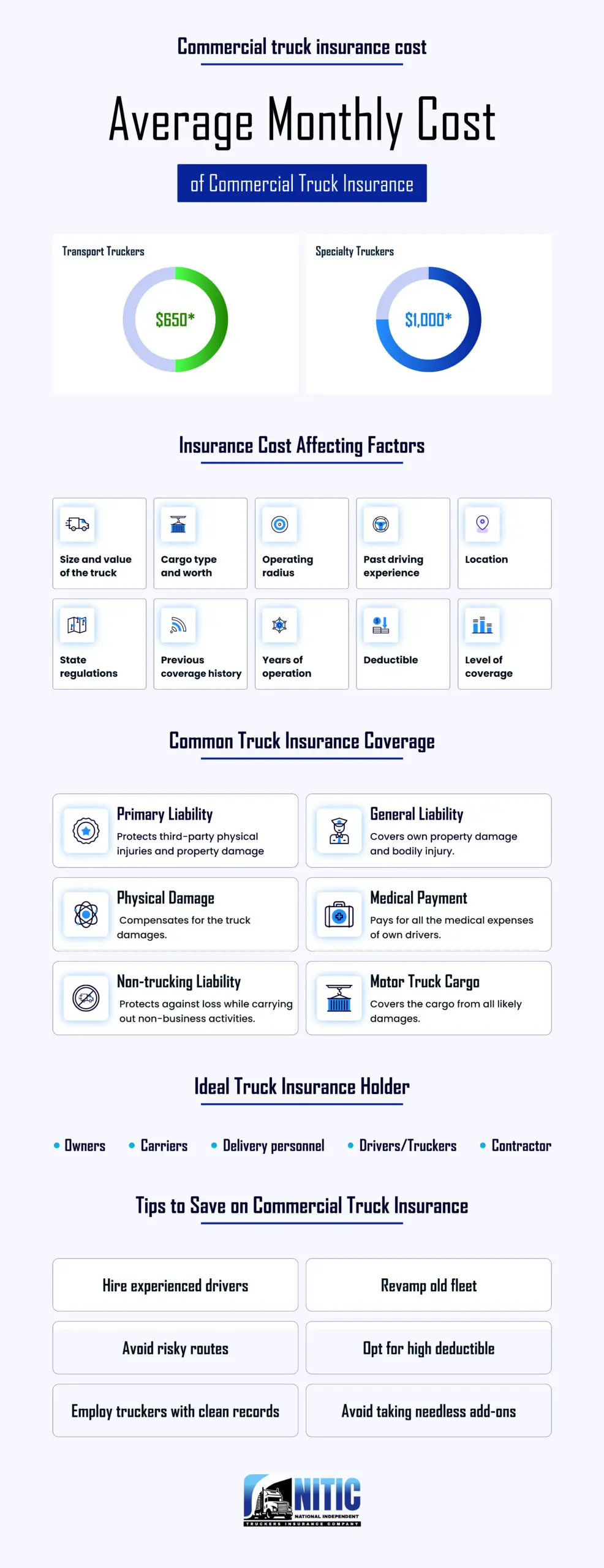
What Factors Influence the Cost of Dump Trailer Business Insurance?
The cost of insurance for a dump trailer business depends on several variables. Key factors include the type of coverage, the value of the trailers, and the number of employees. Additionally, your business location, annual mileage, and claims history can impact premiums. For example:
- Liability coverage: Protects against third-party injuries or property damage, often costing $3,000–$6,000 annually.
- Physical damage coverage: Covers repairs to your trailers, with costs tied to trailer age and value.
- Cargo insurance: Required if hauling materials, adding $500–$2,000 yearly depending on cargo type.
How Much Does General Liability Insurance Cost for a Dump Trailer Business?
General liability insurance typically ranges from $1,500 to $5,000 per year. This coverage addresses lawsuits related to accidents or property damage caused by your operations. Variables include:
- Business size: Larger fleets or more employees increase risk and premiums.
- Deductible choices: Higher deductibles lower annual costs but raise out-of-pocket expenses during claims.
- Policy limits: Higher limits (e.g., $2 million aggregate) may cost 15–25% more than basic plans.
What Are the Average Costs for Commercial Auto Insurance?
Commercial auto insurance for dump trailers averages $5,000–$12,000 annually per vehicle. Costs vary based on:
- Trailer specifications: Newer or custom-built trailers often require pricier coverage.
- Driver records: Clean driving histories can reduce premiums by 10–20%.
- Usage frequency: Businesses operating daily pay more than occasional users.
To reduce insurance costs, focus on risk mitigation strategies and policy adjustments. Examples include:
- Implementing safety training: Discounts of 5–15% for certified driver programs.
- Bundling policies: Combining liability and auto coverage may save 10–20%.
- Installing tracking systems: GPS or theft-prevention devices often qualify for discounts.
Why Do Insurance Quotes Vary Between Providers?
Quotes differ due to underwriting criteria and risk assessments unique to each insurer. For instance:
- Claim payout history: Companies with faster payouts may charge higher premiums.
- Industry specialization: Insurers familiar with dump trailers may offer tailored, competitive rates.
- State regulations: Coverage requirements and minimums differ by location, affecting pricing.
What insurance do you need to rent out your trailer?
Types of Insurance Required for Renting Out Your Trailer
To legally and safely rent out your trailer, you typically need liability insurance, physical damage coverage, and rental-specific protection. These policies ensure you’re covered if the trailer is damaged, stolen, or causes harm to others.
- Liability insurance protects against third-party injury or property damage claims.
- Collision and comprehensive coverage covers repairs or replacements for accidents, theft, or natural disasters.
- Rental reimbursement insurance compensates for lost income if the trailer is unusable due to covered damages.
Why Liability Insurance Is Essential
Liability insurance is critical because it shields you from financial losses if renters or third parties file claims for injuries or damages caused by the trailer.
- Covers legal fees and medical expenses if someone is injured while using your trailer.
- Protects against property damage claims, such as collisions involving the trailer.
- Often required by law or rental platforms to list your trailer.
Understanding Physical Damage Coverage
Physical damage coverage ensures your trailer is protected from accidents, vandalism, or environmental hazards during the rental period.
- Collision coverage handles repairs if the trailer is damaged in an accident.
- Comprehensive coverage addresses non-collision incidents like theft, fire, or storms.
- May include deductibles, which affect out-of-pocket costs during claims.
Specialized Rental Insurance Options
Standard insurance policies often exclude rental activities, so specialized commercial rental insurance or peer-to-peer rental endorsements are necessary.
- Peer-to-peer (P2P) insurance offered by platforms like RVshare or Outdoorsy.
- Commercial trailer insurance for high-frequency rentals or business use.
- Verify if your existing insurer offers add-ons for short-term rentals.
Additional Coverage Considerations
Beyond basic policies, consider contents insurance, roadside assistance, and loss-of-use coverage for comprehensive protection.
- Contents insurance covers personal items left in the trailer (e.g., appliances).
- Roadside assistance helps renters with breakdowns or towing.
- Loss-of-use coverage reimburses lost rental income during repairs.
Frequently Asked Questions (FAQs)
What Types of Insurance Are Essential for a Dump Trailer Rental Business?
General liability insurance, commercial auto insurance, and on-hook or cargo insurance are critical for dump trailer rental businesses. General liability protects against third-party bodily injury or property damage claims, while commercial auto insurance covers vehicles used for business operations. On-hook insurance is particularly important as it covers trailers and equipment while they’re rented out, ensuring protection against damage or theft during the rental period. Additionally, consider umbrella insurance to extend coverage limits for high-risk scenarios.
How Much Liability Coverage Do I Need for My Dump Trailer Rental Business?
The required liability coverage depends on factors like the size of your fleet, rental terms, and local regulations. Most businesses start with a minimum of $1 million in general liability and commercial auto coverage. However, if you operate in high-traffic areas or handle heavy-duty equipment, increasing coverage to $2–5 million with an umbrella policy is advisable. Always assess client contracts, as some may mandate specific coverage limits before renting your trailers.
Does Dump Trailer Insurance Cover Damage Caused by Renters?
Standard commercial auto or on-hook insurance may not fully cover renter-caused damage unless you add rental physical damage coverage or a damage waiver to your policy. A damage waiver shifts responsibility for accidental damage to the renter, provided they adhere to rental agreements. Ensure your insurance includes collision and comprehensive coverage for incidents like collisions, vandalism, or environmental hazards during the rental period.
Can I Reduce Insurance Costs for My Dump Trailer Rental Business?
Yes, by implementing risk management strategies such as regular trailer maintenance, driver safety training, and strict rental agreements. Bundling policies (e.g., combining general liability and commercial auto) with one insurer often qualifies for multi-policy discounts. Increasing deductibles can lower premiums, but ensure you can cover out-of-pocket costs if claims arise. Additionally, using telematics or GPS tracking on trailers may demonstrate reduced risk to insurers, potentially lowering rates.
Leave a Reply
Our Recommended Articles