
Why Should I Choose Equity Crowdfunding Instead of Venture Capital


When seeking funding for your startup, the choice between equity crowdfunding and venture capital can significantly impact your business’s trajectory. Equity crowdfunding allows entrepreneurs to raise capital by offering shares to a large pool of investors through online platforms, democratizing access to funding. In contrast, venture capital involves securing investments from professional firms in exchange for equity and often comes with stringent terms and conditions. This article explores the advantages of equity crowdfunding, such as greater control, broader investor engagement, and the potential to build a loyal community, making it an appealing alternative to traditional venture capital for modern entrepreneurs.
- Why Should I Choose Equity Crowdfunding Instead of Venture Capital?
- Why is crowdfunding better than venture capital?
- Why is equity crowdfunding important?
- Why private equity instead of venture capital?
- Is it harder to get into VC or PE?
-
Frequently Asked Questions (FAQs)
- What are the main advantages of equity crowdfunding over venture capital?
- How does equity crowdfunding provide more flexibility than venture capital?
- Why is equity crowdfunding considered more inclusive than venture capital?
- How does equity crowdfunding help in building a community around a business?
Why Should I Choose Equity Crowdfunding Instead of Venture Capital?
Equity crowdfunding and venture capital are two popular methods for raising funds, but they cater to different needs and goals. Equity crowdfunding allows businesses to raise capital by offering shares to a large number of investors, typically through online platforms. On the other hand, venture capital involves securing investments from professional investors or firms in exchange for equity. Below, we explore why equity crowdfunding might be a better choice for some businesses.
See Also What is a Major Drawback of Accepting Venture Capital?
1. Broader Access to Investors
Equity crowdfunding opens the door to a wider pool of investors, including retail investors, who may not have access to traditional venture capital deals. This democratization of investment opportunities allows businesses to tap into a diverse group of backers who are passionate about their vision. Unlike venture capital, which often involves a limited number of high-net-worth individuals or firms, crowdfunding platforms enable startups to reach thousands of potential investors globally.
2. Retain More Control Over Your Business
With equity crowdfunding, founders can retain greater control over their company. Venture capitalists often demand significant equity stakes and may require a seat on the board, influencing key decisions. In contrast, crowdfunding investors typically have less influence, allowing entrepreneurs to maintain their vision and operational autonomy.
See Also Can I Make a Career in Venture Capital?
3. Marketing and Community Building
Equity crowdfunding campaigns double as marketing tools, helping businesses build a loyal community of supporters. By engaging with investors through updates and rewards, companies can create a strong brand following. This organic marketing is less common in venture capital, where the focus is primarily on financial returns rather than community engagement.
4. Faster and More Flexible Funding
Crowdfunding platforms often provide faster access to funds compared to the lengthy due diligence processes of venture capital. Additionally, businesses can set their own funding goals and terms, offering flexibility that is not always available with traditional venture capital deals.
See Also What Are the Downsides of Being a Venture Capitalist?
5. Lower Barriers to Entry
Equity crowdfunding has lower barriers to entry for startups, especially those in early stages. Venture capital firms typically look for businesses with proven traction, whereas crowdfunding platforms allow companies to raise funds based on their potential and vision. This makes it an attractive option for innovative ideas that may not yet have a track record.
| Aspect | Equity Crowdfunding | Venture Capital |
|---|---|---|
| Investor Base | Diverse, retail investors | Limited, professional investors |
| Control | Retain more control | May lose significant control |
| Marketing | Builds community and brand | Focuses on financial returns |
| Funding Speed | Faster and flexible | Lengthy due diligence |
| Barriers to Entry | Lower, accessible to early-stage startups | Higher, requires proven traction |
Why is crowdfunding better than venture capital?
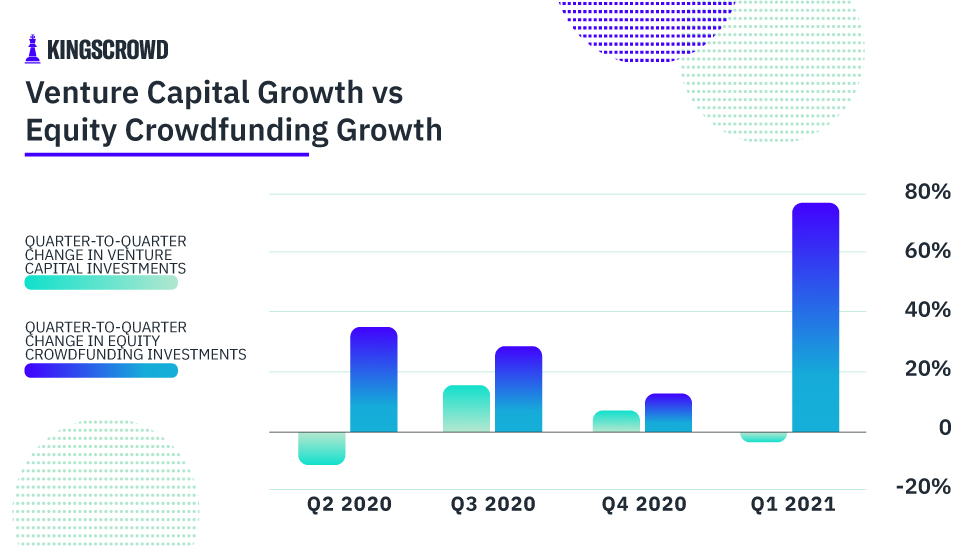
 Who Are the Best Angel Investors in Minnesota?
Greater Accessibility for Entrepreneurs
Crowdfunding provides a platform where entrepreneurs from diverse backgrounds can access funding without the need for extensive networks or connections. Unlike venture capital, which often requires personal introductions and a proven track record, crowdfunding allows anyone with a compelling idea to pitch directly to the public. This democratization of funding has several advantages:
- No gatekeepers: Entrepreneurs can bypass traditional barriers to entry.
- Global reach: Campaigns can attract backers from around the world.
- Diverse projects: Niche ideas that may not appeal to venture capitalists can find support.
Retain Full Control Over Your Business
One of the most significant advantages of crowdfunding over venture capital is the ability to retain control of your business. Venture capitalists often demand equity and a say in decision-making, which can dilute the founder's influence. Crowdfunding, on the other hand, allows entrepreneurs to maintain full ownership and autonomy. Key benefits include:
See Also How to Start a Micro Vc Fund
- No equity loss: Founders keep 100% ownership of their company.
- Creative freedom: Entrepreneurs can execute their vision without external interference.
- No pressure for rapid scaling: Crowdfunding backers typically do not demand aggressive growth strategies.
Market Validation and Customer Engagement
Crowdfunding serves as an excellent tool for market validation and building a loyal customer base. By presenting your idea to the public, you can gauge interest and receive immediate feedback. This process not only validates your concept but also engages potential customers early on. Advantages include:
- Real-time feedback: Adjust your product or service based on backer input.
- Early adopters: Crowdfunding backers often become your first customers and brand advocates.
- Proof of concept: A successful campaign demonstrates market demand to future investors.
Lower Financial Risk
Crowdfunding minimizes financial risk for entrepreneurs compared to venture capital. With venture capital, failure to meet growth expectations can lead to significant consequences, including loss of equity or control. Crowdfunding, however, often operates on a rewards-based model, reducing the pressure to deliver immediate returns. Key points include:
- No debt or equity obligations: Backers receive rewards rather than financial returns.
- Flexible funding goals: Entrepreneurs can set realistic targets and adjust as needed.
- Lower pressure: Crowdfunding campaigns focus on community support rather than high-stakes returns.
Building a Community Around Your Brand
Crowdfunding inherently fosters a sense of community and shared purpose. Backers are not just investors; they are supporters who believe in your vision. This creates a strong foundation for long-term brand loyalty and advocacy. Benefits include:
- Emotional connection: Backers feel personally invested in your success.
- Word-of-mouth marketing: A passionate community can amplify your reach organically.
- Ongoing engagement: Crowdfunding campaigns provide opportunities to keep backers involved in your journey.
Why is equity crowdfunding important?
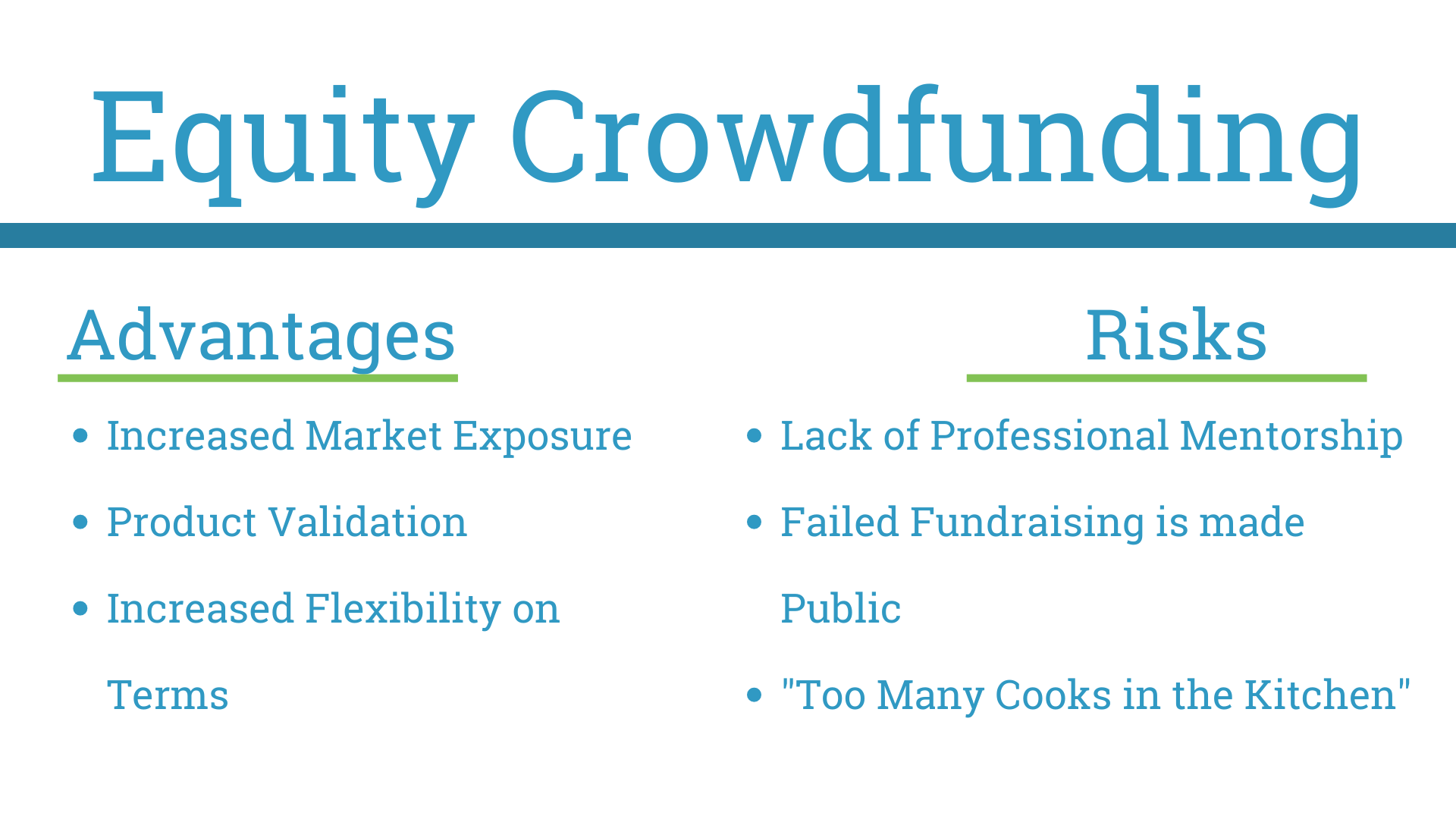
Why is equity crowdfunding important for startups?
Equity crowdfunding is crucial for startups because it provides an alternative funding source when traditional methods like bank loans or venture capital are inaccessible. It allows startups to raise capital directly from a large pool of investors, often through online platforms. This method is particularly beneficial for:
- Early-stage companies that lack a proven track record.
- Businesses in niche markets that may not attract traditional investors.
- Startups seeking to validate their ideas through public interest and investment.
How does equity crowdfunding democratize investment opportunities?
Equity crowdfunding democratizes investment opportunities by allowing everyday individuals to invest in startups and small businesses. This breaks down the barriers that previously limited such investments to wealthy individuals or institutional investors. Key benefits include:
- Accessibility for non-accredited investors to participate in early-stage investments.
- Diversification of investment portfolios beyond traditional stocks and bonds.
- Empowerment of small investors to support businesses they believe in.
What role does equity crowdfunding play in economic growth?
Equity crowdfunding contributes significantly to economic growth by fostering innovation and job creation. It enables small businesses and startups to secure the funding they need to grow, which in turn stimulates the economy. Specific impacts include:
- Job creation through the expansion of funded businesses.
- Encouragement of entrepreneurship by lowering the barriers to entry.
- Stimulation of local economies as startups often reinvest in their communities.
Why is equity crowdfunding beneficial for investors?
Equity crowdfunding offers unique benefits to investors, including the potential for high returns and the opportunity to support innovative projects. It also provides a more engaging investment experience. Key advantages are:
- Potential for high returns if the startup succeeds.
- Ability to invest in innovative and disruptive ideas early on.
- Greater transparency and direct communication with the companies they invest in.
How does equity crowdfunding foster community engagement?
Equity crowdfunding fosters community engagement by allowing individuals to invest in businesses they care about, creating a sense of ownership and connection. This engagement can lead to stronger support networks and brand loyalty. Important aspects include:
- Building a community of supporters who are financially and emotionally invested in the business.
- Encouraging word-of-mouth marketing through investor networks.
- Creating a feedback loop where investors can contribute ideas and improvements.
Why private equity instead of venture capital?
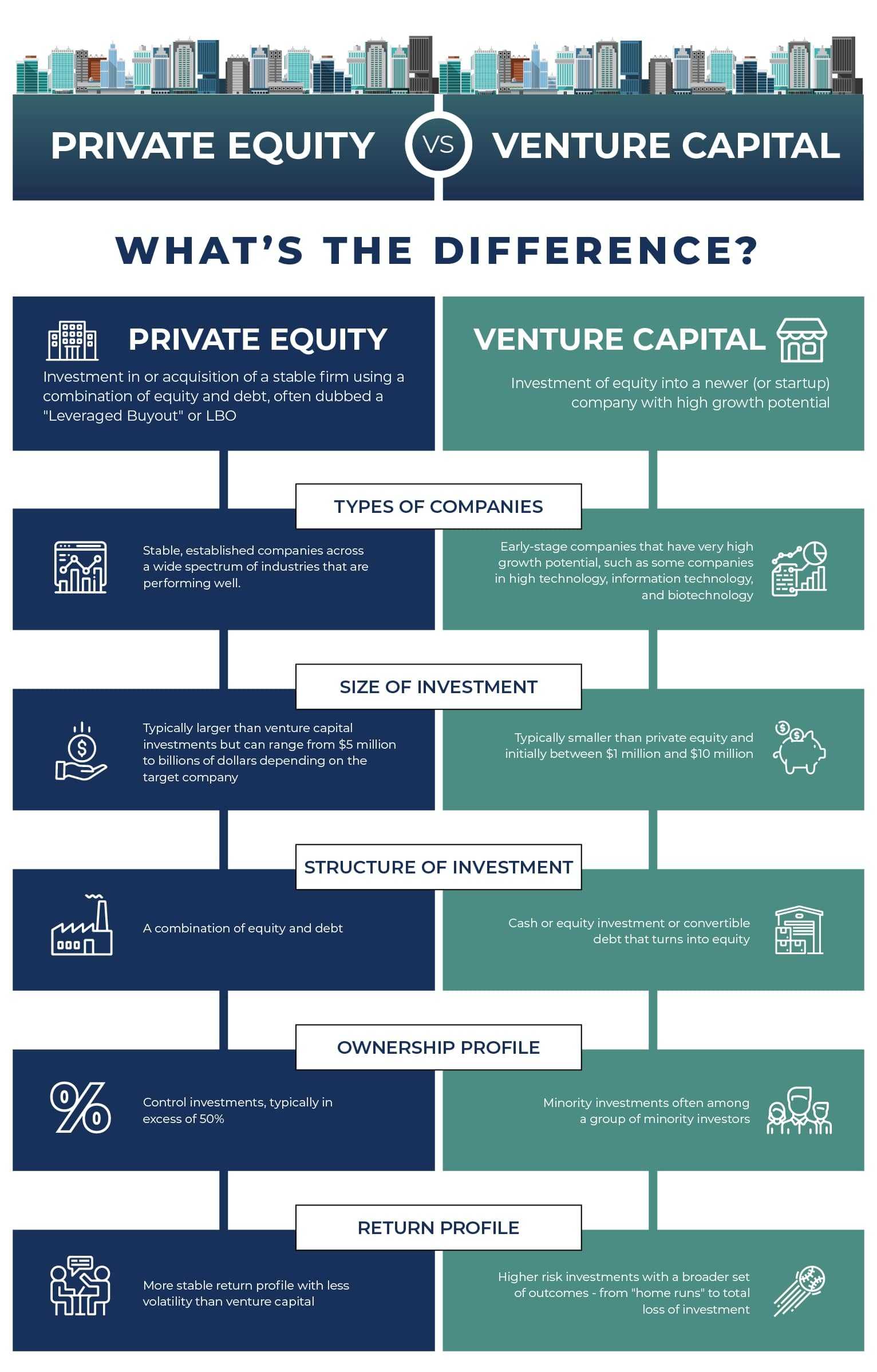
Focus on Established Companies
Private equity typically invests in established companies that have a proven track record, unlike venture capital, which focuses on startups and early-stage businesses. This approach offers several advantages:
- Lower risk: Established companies have a history of revenue and profitability, reducing the uncertainty associated with startups.
- Scalability: Private equity firms can implement operational improvements and strategic changes to scale the business further.
- Predictable returns: With a stable cash flow, private equity investments often yield more predictable returns compared to the high-risk, high-reward nature of venture capital.
Longer Investment Horizon
Private equity investments are generally held for a longer period compared to venture capital, which often seeks quicker exits. This allows for:
- Deep operational involvement: Private equity firms can work closely with management to implement long-term strategies.
- Value creation: The extended timeframe enables significant restructuring or expansion efforts to drive value.
- Stable growth: Companies can grow steadily without the pressure of rapid exits, ensuring sustainable development.
Larger Deal Sizes
Private equity deals typically involve larger capital investments compared to venture capital, making them suitable for:
- Mature industries: Sectors requiring substantial capital for expansion or acquisitions benefit from private equity funding.
- Buyouts: Private equity often acquires majority stakes or entire companies, enabling full control over strategic decisions.
- Diversification: Larger investments allow for portfolio diversification across multiple industries or geographies.
Operational Expertise
Private equity firms bring operational expertise to the table, which is particularly valuable for:
- Turnaround situations: Struggling companies can benefit from the hands-on approach of private equity to improve performance.
- Efficiency improvements: Streamlining operations and reducing costs are key focuses of private equity involvement.
- Strategic guidance: Experienced professionals provide insights to drive growth and profitability.
Risk Mitigation Strategies
Private equity employs risk mitigation strategies that differ from venture capital, including:
- Diversified portfolios: Investments are spread across various sectors to reduce exposure to any single industry.
- Debt financing: Leveraged buyouts allow private equity firms to use debt to amplify returns while managing risk.
- Exit planning: Detailed exit strategies are developed early to ensure optimal returns, whether through IPOs, sales, or recapitalizations.
Is it harder to get into VC or PE?

Understanding the Differences Between VC and PE
Venture Capital (VC) and Private Equity (PE) are both forms of investment, but they target different stages of a company's lifecycle. VC typically invests in early-stage startups with high growth potential, while PE focuses on mature companies, often acquiring them to improve operations and sell at a profit. The entry barriers for each differ significantly due to their distinct investment strategies and risk profiles.
- VC firms seek innovative startups, often in tech or biotech, requiring a deep understanding of emerging markets.
- PE firms target established businesses, requiring expertise in financial restructuring and operational efficiency.
- The risk in VC is higher due to the uncertainty of startup success, while PE deals with more predictable cash flows.
Skill Sets Required for VC and PE Roles
Breaking into VC or PE demands specific skill sets tailored to their respective industries. VC roles often require a strong background in technology, entrepreneurship, and networking, while PE roles emphasize financial modeling, deal structuring, and industry expertise.
- VC professionals need to identify disruptive technologies and assess founder potential.
- PE professionals must excel in due diligence, valuation, and post-acquisition management.
- Both fields require strong analytical skills, but VC leans more on intuition and vision, while PE relies on data-driven decision-making.
Competition and Entry Barriers in VC and PE
The competition to enter VC or PE is intense, but the nature of the competition differs. VC is often seen as more exclusive due to its smaller firm sizes and niche focus, while PE has more structured entry paths but requires extensive experience.
- VC firms are smaller, with fewer openings, making networking and personal connections critical.
- PE firms often recruit from top-tier MBA programs or investment banking backgrounds.
- Breaking into VC may require entrepreneurial experience or a strong track record in startups, while PE values prior experience in finance or consulting.
Career Progression in VC vs. PE
Career progression in VC and PE follows different trajectories. VC roles often start at the associate level, with a focus on sourcing deals and supporting portfolio companies, while PE roles typically begin in analyst or associate positions, emphasizing financial analysis and deal execution.
- In VC, advancement depends on identifying successful investments and building a strong network.
- In PE, progression is tied to deal performance, financial acumen, and leadership in portfolio management.
- Both fields offer lucrative compensation, but PE often provides higher base salaries, while VC offers significant upside through carried interest.
Which is Harder to Break Into: VC or PE?
Determining whether VC or PE is harder to enter depends on individual backgrounds and career goals. VC is often considered more challenging due to its reliance on personal networks and the scarcity of opportunities, while PE has more structured entry points but demands extensive financial expertise.
- VC requires a unique blend of entrepreneurial insight and industry knowledge.
- PE demands rigorous financial training and a proven track record in high-stakes environments.
- Both fields are highly competitive, but VC may be harder for those without prior startup experience or strong connections.
Frequently Asked Questions (FAQs)
What are the main advantages of equity crowdfunding over venture capital?
Equity crowdfunding offers several advantages compared to venture capital. Firstly, it allows startups and small businesses to raise funds from a larger pool of investors, including individuals who may not have access to traditional investment opportunities. This democratizes the investment process and provides more opportunities for diverse funding sources. Additionally, equity crowdfunding often involves less stringent requirements than venture capital, making it more accessible for early-stage companies. Unlike venture capital, which typically requires giving up significant control and equity, crowdfunding allows founders to retain more ownership and decision-making power.
How does equity crowdfunding provide more flexibility than venture capital?
Equity crowdfunding is inherently more flexible than venture capital because it allows businesses to set their own terms and conditions for the investment. Unlike venture capital, which often comes with strict milestones and performance expectations, crowdfunding campaigns can be tailored to suit the specific needs of the business. This flexibility extends to the amount of funding sought, as businesses can raise smaller amounts of capital without the pressure of meeting high thresholds. Furthermore, equity crowdfunding platforms often provide tools for marketing and community engagement, enabling businesses to build a loyal customer base while raising funds.
Why is equity crowdfunding considered more inclusive than venture capital?
Equity crowdfunding is widely regarded as a more inclusive funding option because it opens investment opportunities to a broader audience. Unlike venture capital, which is typically limited to high-net-worth individuals and institutional investors, crowdfunding allows everyday people to invest in startups and small businesses. This inclusivity not only benefits investors but also helps businesses tap into a diverse network of supporters who can contribute not just financially but also through word-of-mouth promotion and feedback. Additionally, equity crowdfunding often supports underrepresented founders who may face barriers in accessing traditional funding sources.
How does equity crowdfunding help in building a community around a business?
One of the unique benefits of equity crowdfunding is its ability to foster a strong community around a business. Unlike venture capital, which is often transactional, crowdfunding engages a wide range of individual investors who are emotionally invested in the success of the company. These investors often become brand advocates, spreading the word about the business and contributing to its growth. Additionally, crowdfunding campaigns provide an opportunity for businesses to communicate their vision directly to their audience, creating a sense of shared purpose and loyalty. This community-driven approach can lead to long-term support and a more sustainable business model.
Leave a Reply
Our Recommended Articles