
Which Are the Best Venture Capital Conferences?


Venture capital conferences are essential platforms for investors, entrepreneurs, and industry leaders to connect, share insights, and explore emerging opportunities in the startup ecosystem. These events offer unparalleled networking opportunities, expert panels, and access to cutting-edge trends shaping the future of innovation. Whether you're a seasoned investor seeking the next big opportunity or a startup founder looking to pitch your vision, attending the right conference can be a game-changer. With countless events held globally, identifying the best ones can be challenging. This article highlights the top venture capital conferences, providing a guide to the most impactful gatherings for fostering connections and driving growth in the industry.
- Which Are the Best Venture Capital Conferences?
- What is the most prestigious venture capital firm?
- What are the best private equity conferences in 2025?
-
What is the best major for venture capitalists?
- Why is a Business or Finance Major Ideal for Venture Capitalists?
- How Does an Economics Major Prepare You for Venture Capital?
- What Role Does a Computer Science or Engineering Major Play in Venture Capital?
- Why Consider a Major in Entrepreneurship for Venture Capital?
- How Does a Major in Data Science or Analytics Benefit Venture Capitalists?
- What are the Tier 1 VC firms?
- Frequently Asked Questions (FAQs)
Which Are the Best Venture Capital Conferences?
Venture capital conferences are essential for entrepreneurs, investors, and industry professionals to network, learn about emerging trends, and discover new investment opportunities. These events bring together some of the brightest minds in the startup ecosystem, offering a platform to share insights, pitch ideas, and forge valuable connections. Below, we explore the best venture capital conferences and what makes them stand out.
See Also Which Venture Capital Firms Have Well Designed Websites?
1. What Makes a Venture Capital Conference Stand Out?
A standout venture capital conference typically features a mix of high-profile speakers, innovative startups, and ample networking opportunities. The best conferences focus on emerging trends, investment strategies, and industry disruptions. They also provide a platform for startups to pitch directly to investors, making them a hub for deal-making. Additionally, the quality of attendees, including top-tier venture capitalists, angel investors, and successful entrepreneurs, plays a significant role in defining the event's success.
2. Top Venture Capital Conferences in the United States
The United States hosts some of the most prestigious venture capital conferences globally. Events like TechCrunch Disrupt, Slush, and Upfront Summit are known for their high-caliber attendees and cutting-edge content. These conferences often feature keynote speeches from industry leaders, panel discussions, and startup pitch competitions. Below is a table highlighting some of the top conferences:
See Also Where Can You Find Reviews and Ratings for Angel Investors and Venture Capital Firms
| Conference | Location | Key Features |
|---|---|---|
| TechCrunch Disrupt | San Francisco, CA | Startup Battlefield, Networking, Keynotes |
| Upfront Summit | Los Angeles, CA | Exclusive Investor Meetings, Panels |
| Slush | Helsinki, Finland (with U.S. presence) | Global Networking, Startup Pitches |
3. International Venture Capital Conferences Worth Attending
For those looking to expand their reach globally, international venture capital conferences offer a unique perspective on global markets and cross-border investments. Events like Web Summit in Lisbon, NOAH Conference in Berlin, and RISE in Hong Kong attract a diverse audience of investors and entrepreneurs. These conferences are ideal for gaining insights into regional startup ecosystems and international investment opportunities.
4. Niche Venture Capital Conferences for Specific Industries
Some venture capital conferences focus on specific industries, such as healthtech, fintech, or climate tech. These niche events are perfect for investors and startups looking to dive deep into a particular sector. Examples include HLTH for healthcare innovation and Money20/20 for fintech. These conferences often feature industry-specific panels, expert speakers, and targeted networking sessions.
See AlsoWhat Are the Best Venture Capital Newsletters?5. How to Choose the Right Venture Capital Conference for You
Choosing the right conference depends on your goals. If you're looking to raise funds, prioritize events with strong investor attendance. For networking, opt for conferences with structured networking sessions. If you're interested in learning, focus on events with high-quality content and speakers. Consider factors like location, cost, and attendee demographics to make the best choice for your needs.
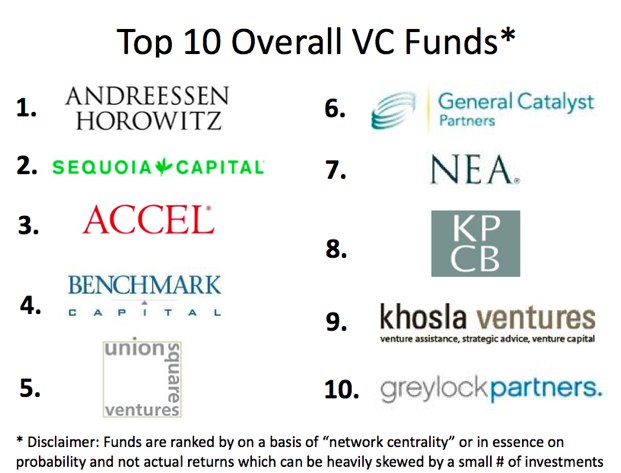
What is the most prestigious venture capital firm?
 What Are the Key Differences Between Private Equity and Venture Capital
What Defines a Prestigious Venture Capital Firm?
A prestigious venture capital firm is typically defined by its track record, reputation, and influence in the startup ecosystem. These firms are known for:
- Successful exits: They have a history of investing in companies that achieve significant exits through IPOs or acquisitions.
- High-profile investments: They back well-known startups that disrupt industries or become market leaders.
- Global reach: They operate across multiple regions and have a strong network of partners and entrepreneurs.
Top Contenders for the Most Prestigious Venture Capital Firm
Several firms are often considered the most prestigious in the venture capital industry. These include:
- Sequoia Capital: Known for early investments in Apple, Google, and Airbnb.
- Andreessen Horowitz: Famous for backing companies like Facebook, Twitter, and Slack.
- Accel: Recognized for its investments in Facebook, Dropbox, and Spotify.
Why Sequoia Capital Stands Out
Sequoia Capital is often regarded as the most prestigious venture capital firm due to its:
- Longevity: Founded in 1972, it has decades of experience and success.
- Diverse portfolio: It has invested in tech giants, consumer brands, and emerging markets.
- Global presence: With offices in the U.S., China, India, and Southeast Asia, it has a vast network.
Key Factors That Elevate Andreessen Horowitz
Andreessen Horowitz has earned its prestige through:
- Visionary leadership: Co-founder Marc Andreessen is a tech industry pioneer.
- Focus on innovation: It invests heavily in cutting-edge technologies like AI and blockchain.
- Entrepreneurial support: It provides extensive resources and mentorship to its portfolio companies.
Accel's Role in Shaping the Venture Capital Landscape
Accel has cemented its reputation by:
- Early-stage investments: It identifies and backs startups with high growth potential.
- Strategic partnerships: It collaborates with other top-tier firms and industry leaders.
- Global impact: Its investments have transformed industries worldwide.
What are the best private equity conferences in 2025?

Top Private Equity Conferences in 2025
In 2025, the private equity industry will host several high-profile conferences that bring together industry leaders, investors, and innovators. These events are essential for networking, learning about emerging trends, and exploring investment opportunities. Below are some of the most anticipated conferences:
- SuperReturn International - Held in Berlin, this conference is one of the largest and most influential in the private equity space, attracting global investors and fund managers.
- Private Equity International (PEI) CFOs & COOs Forum - Focused on operational excellence, this event is ideal for senior executives managing private equity firms.
- IPEM Cannes - A premier European event for private equity and private market professionals, offering insights into market trends and deal-making.
Why Attend Private Equity Conferences in 2025?
Attending private equity conferences in 2025 provides numerous benefits, including access to exclusive insights, networking opportunities, and strategic partnerships. Here are the key reasons to participate:
- Networking - Connect with industry leaders, investors, and service providers to expand your professional network.
- Education - Gain insights from keynote speakers and panel discussions on the latest trends and challenges in private equity.
- Deal Flow - Discover new investment opportunities and potential partnerships through curated sessions and meetings.
Key Themes at Private Equity Conferences in 2025
Private equity conferences in 2025 will focus on several critical themes shaping the industry. These include sustainability, technology, and regulatory changes. Below are the main topics to expect:
- Sustainable Investing - Discussions on ESG (Environmental, Social, and Governance) factors and their impact on investment strategies.
- Technology and Innovation - Exploring how AI, blockchain, and other technologies are transforming private equity operations.
- Regulatory Updates - Insights into new regulations and compliance requirements affecting the industry.
How to Maximize Your Experience at Private Equity Conferences
To make the most of private equity conferences in 2025, it’s essential to plan ahead and engage actively. Here are some tips to enhance your experience:
- Set Clear Goals - Define what you want to achieve, whether it’s networking, learning, or exploring deals.
- Prepare Questions - Come ready with thoughtful questions for speakers and panelists to deepen your understanding.
- Follow Up - After the event, connect with contacts and follow up on discussions to build lasting relationships.
Emerging Trends Highlighted at 2025 Private Equity Conferences
Private equity conferences in 2025 will spotlight emerging trends that are reshaping the industry. These include the rise of secondary markets, increased focus on diversity, and the growth of private credit. Below are the key trends to watch:
- Secondary Markets - Growing interest in secondary transactions as a liquidity solution for investors.
- Diversity and Inclusion - Emphasis on creating more inclusive investment teams and portfolios.
- Private Credit Expansion - The increasing role of private credit as an alternative to traditional financing.
What is the best major for venture capitalists?

Why is a Business or Finance Major Ideal for Venture Capitalists?
A business or finance major provides a solid foundation for understanding the financial and operational aspects of startups and companies. Venture capitalists need to evaluate business models, financial statements, and market potential, which are core topics in these fields. Key benefits include:
- Financial Analysis Skills: Learn to assess profitability, cash flow, and risk.
- Market Research: Understand industry trends and competitive landscapes.
- Strategic Decision-Making: Develop skills to identify high-growth opportunities.
How Does an Economics Major Prepare You for Venture Capital?
An economics major equips venture capitalists with a deep understanding of market dynamics, resource allocation, and macroeconomic trends. This knowledge is crucial for predicting industry shifts and identifying emerging markets. Key advantages include:
- Market Behavior Insights: Analyze supply and demand factors affecting startups.
- Policy Impact: Understand how regulations influence industries.
- Data-Driven Decisions: Use economic models to forecast growth potential.
What Role Does a Computer Science or Engineering Major Play in Venture Capital?
A computer science or engineering major is highly valuable for venture capitalists focusing on tech startups. It provides technical expertise to evaluate innovative products and technologies. Key benefits include:
- Technical Due Diligence: Assess the feasibility and scalability of tech solutions.
- Innovation Trends: Stay ahead in emerging fields like AI, blockchain, and IoT.
- Product Development: Understand the engineering challenges startups face.
Why Consider a Major in Entrepreneurship for Venture Capital?
An entrepreneurship major offers practical insights into the startup ecosystem, which is directly relevant to venture capital. It focuses on building and scaling businesses, making it a natural fit. Key advantages include:
- Startup Mindset: Learn to identify and nurture innovative ideas.
- Pitching Skills: Understand how to evaluate and refine business pitches.
- Networking: Build connections with entrepreneurs and investors.
How Does a Major in Data Science or Analytics Benefit Venture Capitalists?
A data science or analytics major provides venture capitalists with the tools to make data-driven investment decisions. It helps in analyzing large datasets to uncover patterns and opportunities. Key benefits include:
- Predictive Modeling: Use data to forecast startup success rates.
- Performance Metrics: Track and evaluate portfolio company performance.
- Market Segmentation: Identify niche markets with high growth potential.
What are the Tier 1 VC firms?
What Defines a Tier 1 VC Firm?
Tier 1 venture capital (VC) firms are the most prestigious and influential players in the venture capital industry. These firms are characterized by their ability to consistently identify and invest in high-growth startups, often leading funding rounds and providing significant value beyond capital. Key attributes include:
- Proven Track Record: They have a history of successful investments in companies that have achieved substantial exits, such as IPOs or acquisitions.
- Large Fund Sizes: Tier 1 VCs manage multi-billion-dollar funds, enabling them to make substantial investments across various stages of a company's growth.
- Global Reach: They operate on an international scale, with investments spanning multiple regions and industries.
Top Tier 1 VC Firms in the Industry
Some of the most renowned Tier 1 VC firms include:
- Sequoia Capital: Known for early investments in companies like Apple, Google, and Airbnb.
- Andreessen Horowitz (a16z): A leader in tech investments, backing firms like Facebook, Twitter, and Coinbase.
- Accel: Famous for its early stake in Facebook and other successful startups like Slack and Dropbox.
Investment Strategies of Tier 1 VC Firms
Tier 1 VC firms employ sophisticated investment strategies to maximize returns and minimize risks. These strategies often include:
- Diversification: Investing across various sectors, such as technology, healthcare, and fintech, to spread risk.
- Stage Agnosticism: Participating in seed, early-stage, and late-stage funding rounds to capture opportunities at different growth phases.
- Active Involvement: Providing mentorship, strategic guidance, and access to networks to help portfolio companies succeed.
Why Startups Seek Tier 1 VC Funding
Startups often prioritize securing funding from Tier 1 VC firms due to the following advantages:
- Credibility: Association with a top-tier firm enhances a startup's reputation and attracts additional investors.
- Resources: Access to extensive networks, industry expertise, and operational support.
- Follow-on Funding: Tier 1 VCs often lead subsequent funding rounds, ensuring continued financial support.
Challenges of Working with Tier 1 VC Firms
While Tier 1 VC firms offer significant benefits, there are challenges startups may face:
- High Expectations: These firms demand rapid growth and substantial returns, which can pressure startups.
- Competitive Selection: Gaining investment from a Tier 1 VC is highly competitive, with only a small percentage of startups succeeding.
- Equity Dilution: Startups may need to give up a significant equity stake to secure funding from top-tier firms.
Frequently Asked Questions (FAQs)
What are the top venture capital conferences to attend in 2024?
In 2024, some of the most prestigious venture capital conferences include the Web Summit in Lisbon, Slush in Helsinki, and TechCrunch Disrupt in San Francisco. These events attract top-tier investors, startups, and industry leaders, offering unparalleled networking opportunities and insights into the latest trends in venture capital. Additionally, the SuperReturn International conference in Berlin is a must-attend for those focused on private equity and venture capital investments.
Why should I attend venture capital conferences?
Attending venture capital conferences provides invaluable opportunities to connect with industry experts, potential investors, and innovative startups. These events often feature keynote speeches, panel discussions, and workshops that offer deep insights into market trends, investment strategies, and emerging technologies. Moreover, they serve as a platform to build relationships and explore collaboration opportunities that can significantly impact your business or investment portfolio.
How do I choose the right venture capital conference for my needs?
Choosing the right venture capital conference depends on your specific goals and interests. If you're looking to network with global investors, consider large-scale events like Web Summit or TechCrunch Disrupt. For more focused discussions on niche markets or industries, smaller, specialized conferences might be more beneficial. Additionally, evaluate the speaker lineup, agenda, and attendee demographics to ensure the event aligns with your objectives.
Are there any virtual venture capital conferences available?
Yes, many venture capital conferences now offer virtual attendance options, making it easier for participants to join from anywhere in the world. Events like Slush and TechCrunch Disrupt have successfully integrated virtual platforms that allow attendees to network, attend sessions, and engage with exhibitors online. Virtual conferences are particularly beneficial for those who cannot travel, offering flexibility while still providing access to valuable content and networking opportunities.
Leave a Reply
Our Recommended Articles