
How Was Peter Thiel Able to Become a Venture Capitalist if He Had No Money to Invest to Begin With

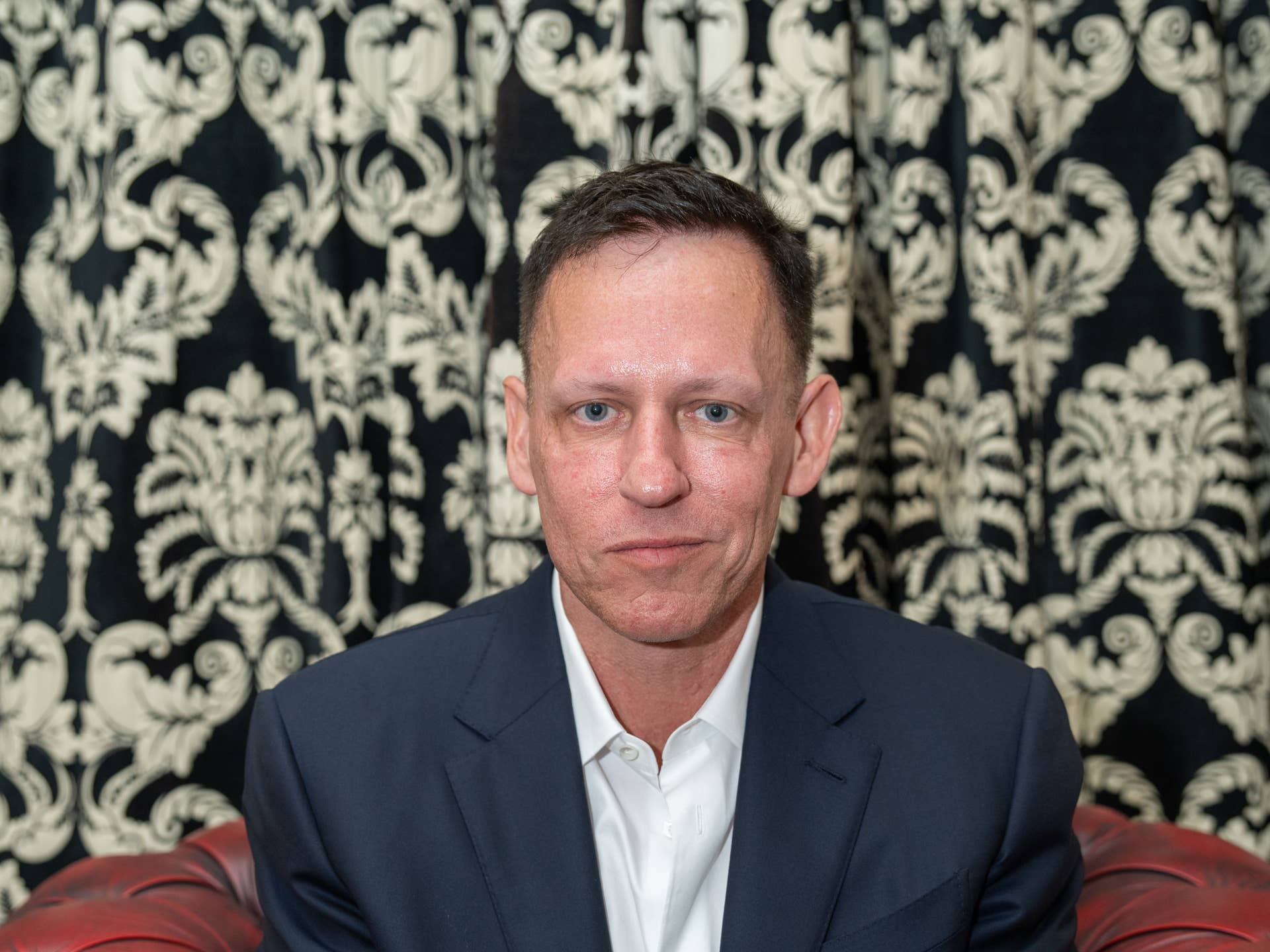
Peter Thiel’s journey to becoming one of Silicon Valley’s most influential venture capitalists is a testament to resourcefulness and strategic thinking. Despite lacking significant personal wealth at the outset, Thiel leveraged his intellectual capital, network, and entrepreneurial success to break into the venture capital world. Co-founding PayPal not only provided him with a platform to demonstrate his business acumen but also connected him to a network of future tech leaders. By reinvesting his earnings and building credibility through early investments in companies like Facebook, Thiel transformed his limited financial resources into a powerful venture capital empire, proving that vision and execution often outweigh initial capital.
- How Did Peter Thiel Become a Venture Capitalist Without Initial Capital?
- How did Peter Thiel make most of his money?
- Can you be a venture capitalist without money?
- Where did Peter Thiel get his money from?
-
Frequently Asked Questions (FAQs)
- How did Peter Thiel start his career in venture capital without initial capital?
- What role did Peter Thiel's early investments play in his venture capital career?
- Did Peter Thiel rely on partnerships to build his venture capital firm?
- How did Peter Thiel's reputation contribute to his success in venture capital?
How Did Peter Thiel Become a Venture Capitalist Without Initial Capital?
Peter Thiel, the co-founder of PayPal and a prominent figure in Silicon Valley, managed to become a successful venture capitalist despite not having significant personal wealth at the outset. His journey is a testament to his strategic thinking, networking skills, and ability to leverage opportunities. Below, we explore the key factors that enabled Thiel to break into the venture capital world without initial capital.
See Also What is the Difference Between a Private Equity Firm and a Venture Capital Firm
1. Leveraging His PayPal Success
After co-founding PayPal and selling it to eBay for $1.5 billion in 2002, Peter Thiel gained not only financial resources but also credibility in the tech industry. This success allowed him to establish Clarium Capital, his first hedge fund, and later Founders Fund, a venture capital firm. His reputation as a PayPal mafia member opened doors to high-profile investors and startups.
| Key Factor | Impact |
|---|---|
| PayPal Sale | Provided initial capital and credibility |
| Industry Reputation | Attracted investors and startups |
2. Building a Strong Network
Thiel’s ability to build and maintain a robust network played a crucial role. His connections with other PayPal alumni, known as the PayPal Mafia, and influential figures in Silicon Valley helped him secure funding and partnerships. Networking allowed him to access resources and opportunities that were otherwise unavailable.
See Also Who Are the Top Angels Investors Who Invest in Robotics Startups
| Key Factor | Impact |
|---|---|
| PayPal Mafia | Provided access to talent and capital |
| Silicon Valley Connections | Enabled strategic partnerships |
3. Focusing on High-Impact Investments
Thiel’s investment philosophy centered on identifying disruptive technologies and startups with exponential growth potential. By focusing on high-impact investments, he maximized returns even with limited initial capital. His early investment in Facebook, for example, yielded massive returns and solidified his reputation as a visionary investor.
| Key Factor | Impact |
|---|---|
| Disruptive Technologies | High returns on investments |
| Facebook Investment | Established credibility and wealth |
4. Utilizing Other People’s Money (OPM)
Thiel mastered the art of using Other People’s Money (OPM) to fund his ventures. By convincing wealthy individuals and institutions to invest in his funds, he was able to grow his venture capital portfolio without relying on his own capital. This approach is common among successful venture capitalists.
See Also How Does Crowdfunding Compare With Venture Capital?
| Key Factor | Impact |
|---|---|
| OPM Strategy | Scaled investments without personal funds |
| Investor Trust | Secured funding from high-net-worth individuals |
5. Developing a Unique Investment Philosophy
Thiel’s unconventional investment philosophy, outlined in his book Zero to One, emphasized betting on monopolies and companies that create entirely new markets. This approach differentiated him from traditional investors and attracted like-minded entrepreneurs and backers.
| Key Factor | Impact |
|---|---|
| Zero to One Philosophy | Attracted innovative startups |
| Focus on Monopolies | Maximized long-term returns |
How did Peter Thiel make most of his money?
 Where Can I Find a Searchable Database of Venture Capital Investments by Industry
Co-founding PayPal
Peter Thiel made a significant portion of his wealth by co-founding PayPal, one of the first successful online payment systems. Here are the key points:
- In 1998, Thiel co-founded Confinity, which later became PayPal after merging with Elon Musk's X.com.
- PayPal revolutionized online payments by allowing users to send money securely via email.
- In 2002, PayPal was acquired by eBay for $1.5 billion, earning Thiel a substantial payout as one of its largest shareholders.
Early Investments in Facebook
Thiel's investment in Facebook was another major source of his wealth. Here’s how it unfolded:
See Also In Private Equity and Venture Capital is Dry Powder the Difference Between Committed Capital and Paid in Capital
- In 2004, Thiel became Facebook's first outside investor by contributing $500,000 for a 10.2% stake.
- This investment grew exponentially as Facebook became one of the most valuable companies in the world.
- Thiel sold the majority of his shares during Facebook's IPO in 2012, earning billions of dollars.
Founding Palantir Technologies
Thiel co-founded Palantir Technologies, a data analytics company, which became another cornerstone of his wealth:
- Founded in 2003, Palantir specializes in big data analysis for government and corporate clients.
- The company gained prominence through contracts with agencies like the CIA and the Department of Defense.
- Palantir went public in 2020, significantly increasing Thiel's net worth.
Venture Capital through Founders Fund
Thiel's venture capital firm, Founders Fund, has been instrumental in his financial success:
- Founded in 2005, Founders Fund invests in groundbreaking technology companies.
- The firm has backed companies like SpaceX, Airbnb, and Stripe.
- These investments have yielded massive returns, further boosting Thiel's wealth.
Strategic Investments and Hedge Funds
Thiel has also made strategic investments and managed hedge funds to grow his fortune:
- He founded Clarium Capital, a global macro hedge fund, which initially saw significant success.
- Thiel has invested in various startups and private companies, often focusing on disruptive technologies.
- His ability to identify high-growth opportunities has consistently added to his wealth.
Can you be a venture capitalist without money?

What Does It Mean to Be a Venture Capitalist?
A venture capitalist (VC) is an investor who provides capital to startups and early-stage companies with high growth potential in exchange for equity or ownership stakes. Traditionally, VCs use their own funds or manage pooled money from limited partners (LPs) to make investments. However, the role of a VC extends beyond just providing money; it involves strategic guidance, networking, and mentorship to help startups succeed.
- Capital Provision: VCs typically invest large sums of money into startups.
- Equity Stake: In return, they receive a percentage of ownership in the company.
- Strategic Involvement: VCs often take an active role in guiding the company's growth.
Can You Be a Venture Capitalist Without Money?
Yes, it is possible to be a venture capitalist without personal financial resources, but it requires leveraging other valuable assets such as expertise, networks, and reputation. For example, you can partner with investors or institutions that provide the capital while you contribute your industry knowledge or operational experience.
- Partner with Investors: Collaborate with wealthy individuals or firms who can provide the funds.
- Leverage Expertise: Use your skills and knowledge to add value to startups.
- Build a Network: Establish connections with entrepreneurs and other investors to create opportunities.
What Are the Alternatives to Personal Capital?
If you lack personal funds, you can explore alternative ways to participate in venture capital. These include angel syndicates, crowdfunding platforms, or working as a venture partner in an established VC firm. These avenues allow you to engage in venture capital activities without needing significant personal wealth.
- Angel Syndicates: Join groups of angel investors who pool resources to invest in startups.
- Crowdfunding: Use platforms like SeedInvest or AngelList to participate in startup investments.
- Venture Partner Roles: Work with VC firms to source deals and manage investments without providing capital.
How Can You Add Value Without Money?
Even without financial resources, you can contribute significantly to startups by offering mentorship, industry insights, and access to networks. Many entrepreneurs value these contributions as much as, if not more than, the capital itself.
- Mentorship: Guide founders through challenges and help them refine their strategies.
- Industry Insights: Share your expertise to help startups navigate market trends and competition.
- Networking: Introduce startups to potential partners, customers, or additional investors.
What Are the Challenges of Being a VC Without Money?
While it is possible to be a venture capitalist without money, there are challenges such as limited influence, reliance on others, and credibility issues. Without financial skin in the game, it can be harder to gain the trust of entrepreneurs and co-investors.
- Limited Influence: You may have less say in decision-making compared to financial contributors.
- Reliance on Others: Dependence on partners or institutions for funding can limit your autonomy.
- Credibility: Building trust with startups and investors may take longer without personal capital.
Where did Peter Thiel get his money from?

Early Career and PayPal Success
Peter Thiel's initial wealth came from his role as a co-founder of PayPal, one of the earliest and most successful online payment systems. Here’s how he built his fortune:
- Thiel co-founded Confinity in 1998, which later merged with Elon Musk's X.com to form PayPal.
- He served as CEO of PayPal, leading the company through its rapid growth and eventual acquisition by eBay in 2002 for $1.5 billion.
- Thiel's stake in PayPal netted him approximately $55 million, which became the foundation for his future investments.
Founders Fund and Venture Capital
After PayPal, Thiel co-founded Founders Fund, a venture capital firm that invested in numerous high-profile startups. Key points include:
- Founders Fund was established in 2005 and became known for backing companies like Facebook, SpaceX, and Palantir Technologies.
- Thiel was an early investor in Facebook, acquiring a 10.2% stake for $500,000 in 2004, which later grew to be worth over $1 billion.
- His venture capital investments have consistently yielded high returns, solidifying his status as a top-tier investor.
Palantir Technologies
Thiel co-founded Palantir Technologies, a data analytics company, in 2003. Here’s how it contributed to his wealth:
- Palantir specializes in big data analysis and has secured contracts with government agencies like the CIA and Department of Defense.
- The company went public in 2020, and Thiel's stake was valued at over $2 billion.
- Palantir's success has been a significant driver of Thiel's net worth, which is estimated to be in the billions.
Clarium Capital and Hedge Funds
Thiel founded Clarium Capital, a global macro hedge fund, in 2002. Key details include:
- Clarium Capital initially saw substantial growth, managing over $7 billion at its peak.
- Despite later challenges and losses, the fund demonstrated Thiel's ability to identify macroeconomic trends and investment opportunities.
- This venture further diversified his income streams and reinforced his reputation in the financial world.
Other Investments and Business Ventures
Beyond his major ventures, Thiel has made numerous other investments and business moves:
- He invested in companies like LinkedIn, Yelp, and Spotify, all of which have seen significant growth.
- Thiel is also involved in biotechnology and artificial intelligence startups, reflecting his interest in cutting-edge technologies.
- His diverse portfolio ensures a steady flow of income and further increases his wealth.
Frequently Asked Questions (FAQs)
How did Peter Thiel start his career in venture capital without initial capital?
Peter Thiel began his career in venture capital by leveraging his intellectual capital and networking skills. After co-founding PayPal and selling it to eBay for $1.5 billion, Thiel gained significant credibility and access to resources. His success with PayPal allowed him to establish Founders Fund, a venture capital firm, by pooling resources from other successful entrepreneurs and investors who trusted his vision and expertise.
What role did Peter Thiel's early investments play in his venture capital career?
Peter Thiel's early investments, such as his $500,000 investment in Facebook in 2004, demonstrated his ability to identify high-potential startups. This investment not only yielded massive returns but also solidified his reputation as a visionary investor. His track record of successful investments attracted more investors and entrepreneurs to his venture capital firm, enabling him to grow his portfolio without needing significant personal funds upfront.
Did Peter Thiel rely on partnerships to build his venture capital firm?
Yes, Peter Thiel relied heavily on strategic partnerships to build his venture capital firm. He collaborated with other successful entrepreneurs, such as the PayPal Mafia, who shared his vision and were willing to invest in his fund. These partnerships provided the necessary capital and expertise to establish Founders Fund and other investment vehicles, allowing Thiel to focus on identifying and nurturing promising startups.
How did Peter Thiel's reputation contribute to his success in venture capital?
Peter Thiel's reputation as a successful entrepreneur and innovative thinker played a crucial role in his venture capital success. His achievements with PayPal and his early investments in companies like Facebook established him as a thought leader in the tech industry. This reputation attracted both investors seeking high returns and entrepreneurs looking for mentorship and funding, creating a virtuous cycle that fueled the growth of his venture capital endeavors.
Leave a Reply
Our Recommended Articles