
Who is the Best Headhunter for the Venture Capital Start Up Space


In the competitive world of venture capital startups, securing top-tier talent is a critical factor for success. The right headhunter can make all the difference, connecting innovative companies with visionary leaders and skilled professionals who drive growth and innovation. However, identifying the best headhunter for the venture capital startup space requires a deep understanding of the industry’s unique demands, from technical expertise to cultural fit. This article explores the key players in executive search, their methodologies, and how they align with the fast-paced, high-stakes environment of venture-backed startups. Discover who stands out in this specialized field and why their approach sets them apart.
Who is the Best Headhunter for the Venture Capital Start-Up Space?
What Makes a Headhunter Ideal for Venture Capital Start-Ups?
An ideal headhunter for venture capital start-ups possesses a deep understanding of the venture capital ecosystem, including the specific skills and experience required for roles such as investment analysts, partners, and portfolio managers. They should have a strong network within the VC community and a proven track record of placing top-tier talent in high-growth start-ups. Additionally, they must be adept at identifying candidates who align with the culture and vision of the start-up, as well as the strategic goals of the venture capital firm.
See Also What Are the Positions at Vc Firms?
Top Headhunters Specializing in Venture Capital Talent
Several headhunters have established themselves as leaders in the venture capital start-up space. Firms like Heidrick & Struggles, Russell Reynolds Associates, and Egon Zehnder are renowned for their expertise in recruiting for VC-backed companies. These firms have a global reach and a deep understanding of the start-up landscape, making them go-to choices for venture capital firms seeking top talent.
Key Qualities to Look for in a VC Headhunter
When selecting a headhunter for venture capital start-ups, consider the following qualities:
- Industry Expertise: Knowledge of the VC and start-up ecosystem.
- Network Strength: Access to a broad and influential network of professionals.
- Track Record: Proven success in placing candidates in VC-backed roles.
- Cultural Fit: Ability to match candidates with the start-up's culture and values.
- Strategic Insight: Understanding of the long-term goals of the venture capital firm.
 How much money does a techstar mentor make?
How Headhunters Add Value to Venture Capital Firms
Headhunters add significant value to venture capital firms by sourcing top talent that drives the success of their portfolio companies. They save time and resources by pre-screening candidates and ensuring a good fit for both the role and the company culture. Additionally, they provide market insights and salary benchmarks, helping VC firms stay competitive in attracting and retaining talent.
Challenges Faced by Headhunters in the VC Start-Up Space
Headhunters in the venture capital start-up space face several challenges, including:
- High Competition: The demand for top talent often exceeds supply.
- Rapid Growth: Start-ups evolve quickly, requiring adaptable recruitment strategies.
- Cultural Alignment: Ensuring candidates align with the unique culture of start-ups.
- Retention: Helping VC firms retain talent in a competitive market.
 If You Interpret a Vc Investment as an Ordinary Loan What Interest Rate Do Vcs Typically Expect
| Headhunter Firm | Specialization | Key Strengths |
|---|---|---|
| Heidrick & Struggles | VC and Start-Up Talent | Global reach, deep industry expertise |
| Russell Reynolds Associates | Executive Search for VC Firms | Strong network, proven track record |
| Egon Zehnder | Leadership Recruitment | Cultural fit, strategic insight |
How do I find a VC for my startup?

How to Identify the Right VC for Your Startup
Finding the right venture capital (VC) for your startup involves understanding your business needs and aligning them with the right investor. Here’s how you can identify the right VC:
See Also Where Can I Find a Searchable Database of Venture Capital Investments by Industry
- Research VCs that specialize in your industry or stage of growth.
- Look for VCs with a proven track record of investing in startups similar to yours.
- Evaluate their investment thesis to ensure it aligns with your business goals.
How to Prepare Your Pitch for VCs
Preparing a compelling pitch is crucial to attracting venture capital. Here’s how to make your pitch stand out:
- Clearly articulate your value proposition and how your product solves a problem.
- Include financial projections and key metrics to demonstrate growth potential.
- Showcase your team’s expertise and why they are the right people to execute the vision.
How to Network with VCs Effectively
Building relationships with VCs is essential for securing funding. Here’s how to network effectively:
See Also How Does Crowdfunding Compare With Venture Capital?
- Attend industry events and conferences where VCs are likely to be present.
- Leverage your existing network for warm introductions to VCs.
- Engage with VCs on social media platforms like LinkedIn to build rapport.
How to Approach VCs for Funding
Approaching VCs requires a strategic and professional approach. Here’s how to do it:
- Send a concise and compelling email pitch to introduce your startup.
- Follow up with a meeting request to discuss your business in detail.
- Be prepared to answer tough questions about your business model and market potential.
How to Evaluate VC Offers
Once you receive offers from VCs, it’s important to evaluate them carefully. Here’s what to consider:
- Assess the terms of the deal, including equity and valuation.
- Consider the VC’s reputation and how they can add value beyond funding.
- Ensure the investment aligns with your long-term business goals.
What is the average cost of an executive search?

Factors Influencing the Cost of an Executive Search
The cost of an executive search can vary significantly depending on several factors. These include the complexity of the role, the industry, the geographical location, and the experience level of the executive being sought. Additionally, the reputation and expertise of the search firm also play a crucial role in determining the cost.
- Complexity of the Role: Highly specialized roles often require more resources and time to fill, increasing the cost.
- Industry: Certain industries, such as technology or healthcare, may have higher search costs due to the competitive nature of the market.
- Geographical Location: Searches in major metropolitan areas or internationally can be more expensive due to higher living costs and travel expenses.
Typical Pricing Models for Executive Searches
Executive search firms typically use one of three pricing models: retainer-based, contingency-based, or hybrid models. Each model has its own set of advantages and disadvantages, and the choice of model can significantly impact the overall cost.
- Retainer-Based: The client pays a fixed fee upfront, which is often a percentage of the executive's first-year compensation.
- Contingency-Based: The firm is paid only if a candidate is successfully placed, usually a percentage of the executive's first-year salary.
- Hybrid Models: Combines elements of both retainer and contingency models, offering more flexibility but potentially higher costs.
Average Cost Range for Executive Searches
The average cost of an executive search can range from $30,000 to $150,000 or more, depending on the factors mentioned earlier. For high-level executive roles, such as CEOs or CFOs, the cost can exceed $200,000.
- Entry-Level Executives: Typically cost between $30,000 and $60,000.
- Mid-Level Executives: Usually range from $60,000 to $100,000.
- Top-Level Executives: Can cost upwards of $150,000, especially in competitive industries.
Additional Costs to Consider in Executive Searches
Beyond the base fee, there are additional costs that can arise during an executive search. These may include travel expenses, background checks, and relocation costs for the candidate.
- Travel Expenses: Costs associated with traveling to meet candidates or conducting interviews.
- Background Checks: Comprehensive checks to ensure the candidate's credentials and history are accurate.
- Relocation Costs: Expenses related to moving the candidate and their family to a new location.
How to Reduce the Cost of an Executive Search
There are several strategies that companies can employ to reduce the cost of an executive search without compromising on quality. These include leveraging internal networks, using technology, and negotiating fees with search firms.
- Leveraging Internal Networks: Utilize existing connections and referrals to find potential candidates.
- Using Technology: Employ AI-driven tools and platforms to streamline the search process.
- Negotiating Fees: Discuss and negotiate the terms and fees with the search firm to achieve a more favorable agreement.
What is the most prestigious VC firm?
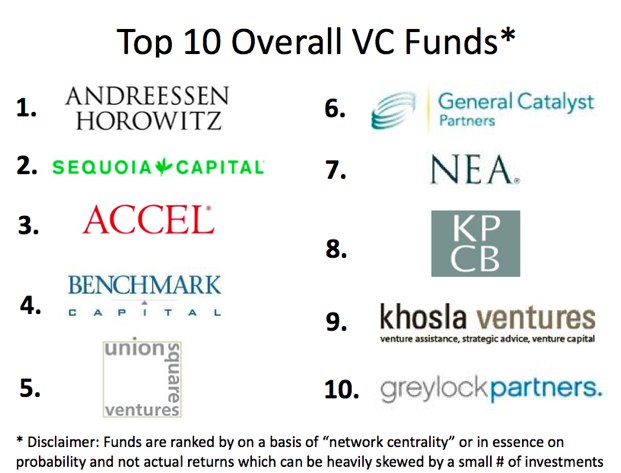
What Defines a Prestigious VC Firm?
A prestigious venture capital (VC) firm is typically characterized by its track record of successful investments, influential portfolio companies, and a strong reputation within the industry. These firms often have access to top-tier entrepreneurs, significant financial resources, and the ability to shape industries through their investments. Key factors include:
- Historical Performance: Consistent returns on investments over time.
- Brand Recognition: A well-known name that attracts top talent and deals.
- Network: Extensive connections with industry leaders and other investors.
Top Contenders for the Most Prestigious VC Firm
Several VC firms are often cited as the most prestigious due to their influence and success. These include:
- Sequoia Capital: Known for early investments in companies like Apple, Google, and Airbnb.
- Andreessen Horowitz (a16z): Renowned for its focus on technology startups and influential blog.
- Kleiner Perkins: A pioneer in Silicon Valley with investments in Amazon and Google.
Why Sequoia Capital Stands Out
Sequoia Capital is often regarded as the most prestigious VC firm due to its unparalleled track record. Key reasons include:
- Global Presence: Operates in the U.S., China, India, and other regions.
- Iconic Investments: Backed companies like WhatsApp, LinkedIn, and Zoom.
- Longevity: Founded in 1972, it has decades of experience and success.
The Role of Andreessen Horowitz in Shaping Tech
Andreessen Horowitz has made a significant impact on the tech industry through its strategic investments and thought leadership. Highlights include:
- Focus on Innovation: Invests in cutting-edge technologies like AI and blockchain.
- Cultural Influence: Its blog and podcasts are widely followed in the tech community.
- Diverse Portfolio: Includes companies like Facebook, GitHub, and Coinbase.
Kleiner Perkins: A Legacy of Innovation
Kleiner Perkins has a storied history of backing transformative companies. Its prestige is built on:
- Early-Stage Focus: Often invests in startups during their formative years.
- Notable Exits: Successful IPOs and acquisitions, such as Google and Nest.
- Commitment to Sustainability: Invests in green tech and renewable energy startups.
Where do VC firms recruit from?

Top Universities and Business Schools
Venture capital (VC) firms often recruit from top-tier universities and business schools known for their strong finance, entrepreneurship, and technology programs. These institutions provide a pipeline of talented individuals with the necessary skills and knowledge to thrive in the VC industry.
- Harvard Business School and Stanford Graduate School of Business are among the most targeted schools for VC recruitment.
- Other notable institutions include Wharton School of the University of Pennsylvania, MIT Sloan School of Management, and Columbia Business School.
- VC firms also look for candidates with advanced degrees in fields like computer science, engineering, or data science from universities such as Stanford, MIT, and UC Berkeley.
Startups and Entrepreneurial Ecosystems
VC firms frequently recruit individuals who have experience working in startups or have been part of entrepreneurial ecosystems. These candidates bring firsthand knowledge of building and scaling businesses, which is invaluable in evaluating potential investments.
- Former founders or early employees of successful startups are highly sought after.
- VCs often scout talent from tech hubs like Silicon Valley, New York City, and Boston.
- Networking events, such as startup accelerators and pitch competitions, are also common recruiting grounds.
Investment Banking and Consulting
Professionals with backgrounds in investment banking or management consulting are often recruited by VC firms due to their analytical skills, financial expertise, and experience in evaluating businesses.
- Firms like Goldman Sachs, Morgan Stanley, and McKinsey & Company are common sources of talent.
- These professionals are skilled in financial modeling, due diligence, and market analysis.
- Their experience in working with high-growth companies makes them a natural fit for VC roles.
Tech Giants and Corporate Innovation Teams
VC firms also recruit from tech giants like Google, Amazon, and Microsoft, as well as corporate innovation teams. These individuals bring deep technical expertise and insights into emerging technologies.
- Employees from product management, engineering, and data science roles are particularly valued.
- Corporate innovation teams often work on cutting-edge projects, making their members attractive to VCs.
- Their understanding of scaling technology solutions is crucial for evaluating potential investments.
Networks and Referrals
Many VC firms rely on networks and referrals to identify and recruit talent. This approach ensures that candidates come with trusted recommendations and a proven track record.
- VCs often tap into their existing portfolio companies for referrals.
- Industry events, such as conferences and networking meetups, are key for building connections.
- Referrals from mentors, advisors, and alumni networks are also common sources of recruitment.
Frequently Asked Questions (FAQs)
Who is considered the best headhunter for venture capital startups?
When it comes to identifying the best headhunter for venture capital startups, firms like True Search, Riviera Partners, and Caldwell are often highlighted. These firms specialize in placing top-tier talent in high-growth environments, particularly within the startup ecosystem. They have a deep understanding of the unique needs of venture-backed companies, including the ability to recruit executives, technical leaders, and other key roles that align with the fast-paced and innovative nature of startups.
What qualities make a headhunter effective for venture capital startups?
An effective headhunter for venture capital startups must possess a combination of industry expertise, a strong network, and the ability to understand the cultural fit required for high-growth companies. They should have a proven track record of placing candidates in leadership roles within startups and be familiar with the challenges of scaling a business. Additionally, they must be adept at navigating the competitive talent landscape and identifying candidates who can thrive in dynamic, fast-changing environments.
How do headhunters add value to venture capital-backed startups?
Headhunters add significant value to venture capital-backed startups by sourcing and securing top-tier talent that can drive growth and innovation. They save startups valuable time by handling the recruitment process, from identifying potential candidates to negotiating offers. Moreover, they provide insights into market trends, salary benchmarks, and competitor hiring strategies, ensuring that startups remain competitive in attracting the best talent. Their expertise in assessing cultural fit and leadership potential is crucial for building teams that align with the company’s vision and goals.
What should startups look for when choosing a headhunter?
Startups should look for a headhunter with a strong reputation in the venture capital space, a deep understanding of the startup ecosystem, and a proven ability to place candidates in high-growth companies. It’s important to evaluate their track record, client testimonials, and the quality of their network. Additionally, startups should consider whether the headhunter has experience in their specific industry or niche, as this can significantly impact the success of the recruitment process. A good headhunter should also be transparent, communicative, and aligned with the startup’s values and long-term objectives.
Leave a Reply
Our Recommended Articles