
What Are Examples of Vc Due Diligence Check Lists?

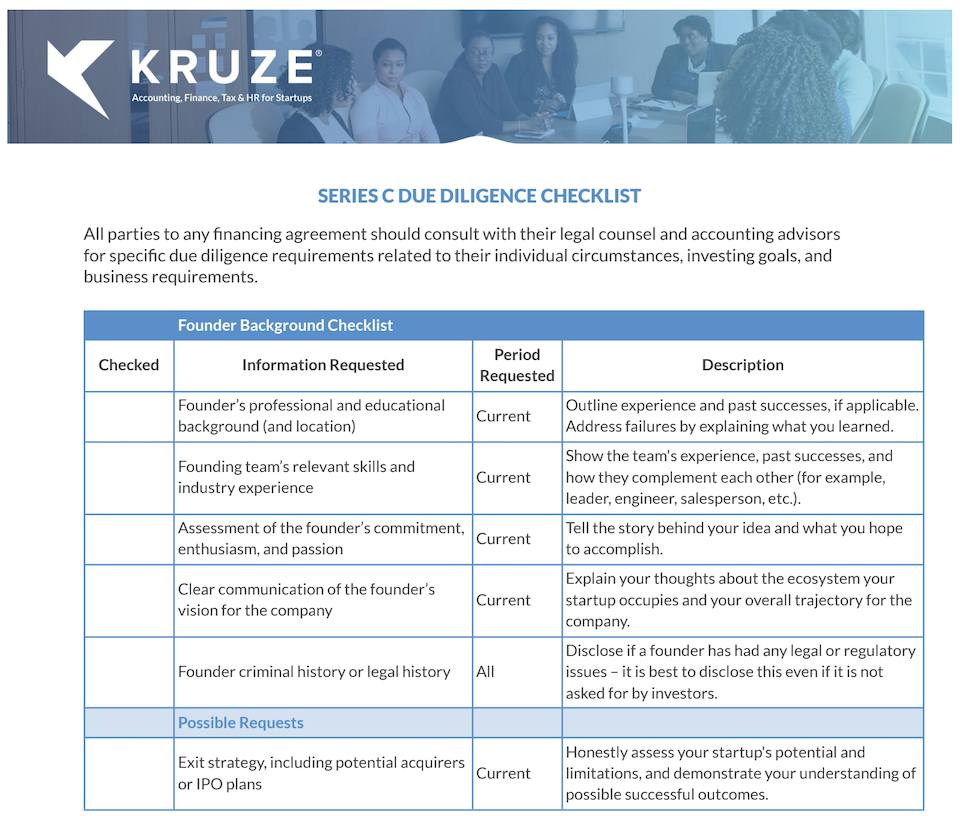
Venture capital (VC) due diligence is a critical process that investors undertake to evaluate the potential of a startup before committing funds. This thorough examination helps identify risks, validate assumptions, and ensure the investment aligns with the VC firm’s strategy. A well-structured due diligence checklist serves as a roadmap, guiding investors through key areas such as financial health, market opportunity, team expertise, intellectual property, and legal compliance. By systematically addressing these factors, VCs can make informed decisions and mitigate potential pitfalls. This article explores examples of VC due diligence checklists, highlighting the essential components that contribute to a comprehensive investment evaluation.
What Are Examples of VC Due Diligence Check Lists?
1. Financial Due Diligence
Financial due diligence is a critical component of the VC due diligence process. It involves a thorough examination of the startup's financial health, including revenue, expenses, cash flow, and profitability. Investors will review financial statements, tax returns, and projections to assess the company's financial stability and growth potential.
See Also What Are the Questions Venture Capitalists Should Ask During Each Pitch From an Entrepreneur
| Key Areas | Description |
|---|---|
| Revenue Streams | Analyze the sources of income and their sustainability. |
| Expenses | Review fixed and variable costs to understand the cost structure. |
| Cash Flow | Evaluate the company's ability to generate and manage cash. |
| Profitability | Assess the company's ability to generate profit over time. |
2. Legal Due Diligence
Legal due diligence ensures that the startup complies with all relevant laws and regulations. This includes reviewing contracts, intellectual property, employment agreements, and any ongoing litigation. Investors want to ensure there are no legal risks that could jeopardize the investment.
| Key Areas | Description |
|---|---|
| Contracts | Review all agreements with customers, suppliers, and partners. |
| Intellectual Property | Verify ownership and protection of patents, trademarks, and copyrights. |
| Employment Agreements | Ensure compliance with labor laws and review employee contracts. |
| Litigation | Identify any ongoing or potential legal disputes. |
3. Market Due Diligence
Market due diligence focuses on understanding the market in which the startup operates. This includes analyzing market size, growth potential, competition, and customer demographics. Investors want to ensure that the startup has a viable market opportunity.
See Also What Are the Good Ways to Calculate Percentage of Equity Giving to Venture Capital When a Startup Gets Funded
| Key Areas | Description |
|---|---|
| Market Size | Estimate the total addressable market (TAM) for the product or service. |
| Growth Potential | Assess the potential for market expansion and scalability. |
| Competition | Identify key competitors and analyze their strengths and weaknesses. |
| Customer Demographics | Understand the target audience and their purchasing behavior. |
4. Product Due Diligence
Product due diligence involves evaluating the startup's product or service. This includes assessing the product's uniqueness, functionality, and market fit. Investors want to ensure that the product meets customer needs and has a competitive advantage.
| Key Areas | Description |
|---|---|
| Uniqueness | Determine what sets the product apart from competitors. |
| Functionality | Evaluate the product's features and performance. |
| Market Fit | Assess how well the product meets customer needs and demands. |
| Competitive Advantage | Identify the product's unique selling points (USPs). |
5. Team Due Diligence
Team due diligence focuses on evaluating the startup's leadership and team. This includes assessing the founders' experience, skills, and track record. Investors want to ensure that the team has the capability to execute the business plan and drive growth.
See Also What is the Typical Gp Contribution to a Venture Capital Fund?
| Key Areas | Description |
|---|---|
| Founders' Experience | Review the founders' background and previous ventures. |
| Skills | Assess the team's technical and business expertise. |
| Track Record | Evaluate the team's past successes and failures. |
| Execution Capability | Determine the team's ability to deliver on the business plan. |
What should be included in a due diligence checklist?

Financial Due Diligence
Financial due diligence is a critical component of the checklist, focusing on the target company's financial health and performance. Key areas to examine include:
See AlsoWhat is Considered a Good Roi in Vc?- Historical financial statements: Review income statements, balance sheets, and cash flow statements for the past 3-5 years.
- Revenue and expense analysis: Identify trends, anomalies, and potential risks in revenue streams and cost structures.
- Debt and liabilities: Assess outstanding debts, loan agreements, and any contingent liabilities.
Legal and Compliance Due Diligence
This section ensures the target company adheres to applicable laws and regulations. Key aspects include:
- Corporate governance: Verify the company's legal structure, ownership, and compliance with corporate laws.
- Contracts and agreements: Review key contracts, such as customer, supplier, and employment agreements.
- Regulatory compliance: Confirm adherence to industry-specific regulations and licensing requirements.
Operational Due Diligence
Operational due diligence evaluates the efficiency and effectiveness of the target company's operations. Key areas to assess include:
See Also Are There Historical Returns Comparing Pe and Vc?
- Supply chain management: Analyze supplier relationships, inventory management, and logistics.
- Production processes: Evaluate the efficiency, scalability, and potential risks in manufacturing or service delivery.
- Technology and IT systems: Review the company's IT infrastructure, software, and cybersecurity measures.
Market and Competitive Due Diligence
This section focuses on the target company's market position and competitive landscape. Key elements to consider are:
- Market analysis: Assess market size, growth potential, and customer segmentation.
- Competitive positioning: Evaluate the company's strengths, weaknesses, opportunities, and threats (SWOT analysis).
- Customer and supplier relationships: Review the stability and profitability of key customer and supplier relationships.
Human Resources Due Diligence
Human resources due diligence examines the target company's workforce and organizational structure. Key areas to investigate include:
- Employee demographics: Analyze the size, composition, and turnover rates of the workforce.
- Compensation and benefits: Review salary structures, bonus schemes, and employee benefits.
- Organizational culture: Assess the company's culture, leadership, and employee satisfaction levels.
What are the 5 P's of due diligence?

1. Purpose of Due Diligence
The purpose of due diligence is to ensure that all relevant information about a business, investment, or transaction is thoroughly examined before making a decision. This step helps in identifying potential risks, opportunities, and the overall viability of the deal. Key aspects include:
- Risk Assessment: Evaluating potential risks associated with the transaction.
- Opportunity Identification: Identifying growth or improvement opportunities.
- Decision-Making Support: Providing a solid foundation for informed decisions.
2. People Involved in Due Diligence
The people involved in due diligence play a critical role in its success. This includes internal teams, external advisors, and stakeholders. Their expertise and collaboration ensure a comprehensive evaluation. Key roles include:
- Management Team: Assessing the leadership and operational capabilities.
- Legal Advisors: Reviewing contracts, compliance, and legal risks.
- Financial Experts: Analyzing financial statements and projections.
3. Process of Due Diligence
The process of due diligence involves a structured approach to gathering and analyzing information. It ensures that no critical aspect is overlooked. Key steps include:
- Data Collection: Gathering all relevant documents and information.
- Analysis: Evaluating the collected data for accuracy and relevance.
- Reporting: Summarizing findings in a clear and actionable format.
4. Paperwork in Due Diligence
The paperwork in due diligence refers to the documentation required to validate the transaction or investment. Proper documentation ensures transparency and legal compliance. Key documents include:
- Financial Statements: Audited reports, balance sheets, and cash flow statements.
- Contracts: Agreements with clients, suppliers, and partners.
- Regulatory Filings: Compliance documents and licenses.
5. Performance Metrics in Due Diligence
The performance metrics in due diligence are used to evaluate the historical and projected performance of the business or investment. These metrics provide insights into profitability and sustainability. Key metrics include:
- Revenue Growth: Analyzing trends in income generation.
- Profit Margins: Assessing profitability and cost efficiency.
- Return on Investment (ROI): Evaluating the potential financial returns.
What are the 3 examples of due diligence?

Financial Due Diligence
Financial due diligence involves a thorough examination of a company's financial records to assess its financial health and stability. This process is crucial for investors, buyers, or partners to make informed decisions. Key aspects include:
- Reviewing financial statements such as balance sheets, income statements, and cash flow statements.
- Analyzing revenue and expense trends to identify patterns or anomalies.
- Assessing liabilities and debts to understand the company's financial obligations.
Legal Due Diligence
Legal due diligence focuses on evaluating the legal aspects of a business to ensure compliance and identify potential risks. This step is essential to avoid future legal complications. Key components include:
- Examining contracts and agreements with clients, suppliers, and employees.
- Verifying intellectual property rights such as patents, trademarks, and copyrights.
- Investigating ongoing or potential litigation that could impact the business.
Operational Due Diligence
Operational due diligence assesses the efficiency and effectiveness of a company's operations. This helps identify areas for improvement and potential risks. Key areas to evaluate include:
- Reviewing supply chain and logistics to ensure smooth operations.
- Assessing technology and infrastructure to determine if they meet current and future needs.
- Evaluating workforce and management practices to ensure alignment with business goals.
Environmental Due Diligence
Environmental due diligence examines the environmental impact of a company's operations and ensures compliance with regulations. This is particularly important for industries with significant environmental footprints. Key steps include:
- Conducting environmental site assessments to identify contamination or hazards.
- Reviewing compliance with environmental laws and regulations.
- Assessing potential environmental liabilities that could affect the business.
Strategic Due Diligence
Strategic due diligence evaluates the alignment of a company's business strategy with market conditions and future opportunities. This helps in making informed decisions about mergers, acquisitions, or partnerships. Key elements include:
- Analyzing market trends and competition to identify growth opportunities.
- Evaluating the company's strategic positioning within the industry.
- Assessing the feasibility of long-term goals and their alignment with current operations.
What are the 4 P's of due diligence?
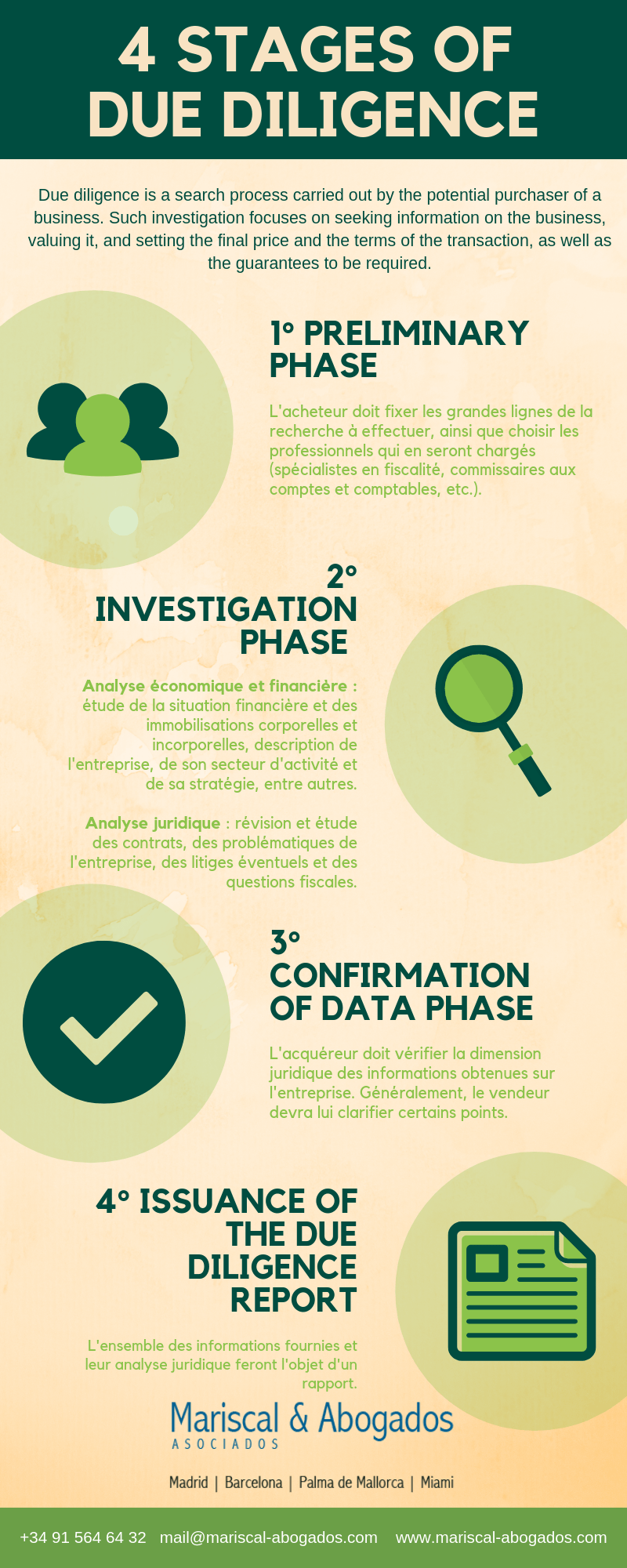
What Are the 4 P's of Due Diligence?
The 4 P's of due diligence are a framework used to evaluate and assess the viability, risks, and opportunities of a business or investment. These include People, Product, Process, and Potential. Each P focuses on a critical aspect of the business to ensure a comprehensive understanding before making decisions.
1. People: Evaluating the Team Behind the Business
The first P stands for People, which involves assessing the individuals driving the business. This includes:
- Leadership: Analyzing the experience, skills, and track record of the management team.
- Employees: Evaluating the workforce's expertise, morale, and alignment with the company's goals.
- Culture: Understanding the organizational culture and how it impacts productivity and innovation.
2. Product: Assessing the Offering
The second P focuses on the Product or service being offered. Key considerations include:
- Quality: Evaluating the product's reliability, performance, and market acceptance.
- Innovation: Assessing how unique or competitive the product is compared to alternatives.
- Scalability: Determining if the product can grow and adapt to market demands.
3. Process: Understanding Operational Efficiency
The third P is Process, which examines the operational and procedural aspects of the business. This involves:
- Workflow: Reviewing how tasks are organized and executed within the company.
- Compliance: Ensuring the business adheres to legal and regulatory requirements.
- Technology: Assessing the tools and systems used to streamline operations.
4. Potential: Gauging Future Opportunities
The fourth P is Potential, which looks at the future prospects of the business. This includes:
- Market Trends: Analyzing industry trends and how the business can capitalize on them.
- Growth Opportunities: Identifying areas for expansion or diversification.
- Risk Factors: Evaluating potential challenges and how the business plans to mitigate them.
Why Are the 4 P's Important in Due Diligence?
The 4 P's of due diligence provide a structured approach to evaluating a business or investment. They ensure that all critical aspects are thoroughly examined, reducing risks and increasing the likelihood of success. By focusing on People, Product, Process, and Potential, stakeholders can make informed decisions based on a comprehensive understanding of the business.
Frequently Asked Questions (FAQs)
What is typically included in a VC due diligence checklist?
A VC due diligence checklist typically includes a comprehensive review of the company's financial statements, business model, market opportunity, and competitive landscape. It also involves assessing the management team, intellectual property, legal compliance, and operational processes. The goal is to identify potential risks and validate the company's growth potential before making an investment decision.
Why is financial due diligence important in VC investments?
Financial due diligence is crucial in VC investments because it provides a clear picture of the company's financial health and sustainability. This process involves analyzing revenue streams, expenses, cash flow, and profitability. It helps investors understand whether the company can achieve its projected growth and ensures there are no hidden financial liabilities that could impact the investment.
How does market analysis fit into a VC due diligence checklist?
Market analysis is a key component of a VC due diligence checklist as it evaluates the size, growth potential, and dynamics of the target market. This includes analyzing customer segments, market trends, and competitive positioning. A thorough market analysis helps investors determine if the company has a viable opportunity to capture a significant share of the market and achieve long-term success.
What role does the management team play in VC due diligence?
The management team is a critical factor in VC due diligence because it assesses the leadership's ability to execute the business plan and drive growth. Investors evaluate the team's experience, track record, vision, and alignment with the company's goals. A strong management team increases confidence in the company's ability to overcome challenges and deliver on its promises, making it a key consideration in the investment decision.
Leave a Reply
Our Recommended Articles