
What Are the Benefits of Attending Uc Berkeleys Executive Program in Venture Capital for an Aspiring Vc Does It Compare With Kauffman


The UC Berkeley Executive Program in Venture Capital offers aspiring venture capitalists a comprehensive foundation in the principles and practices of VC investing. Designed for professionals seeking to deepen their expertise, the program covers critical areas such as deal sourcing, portfolio management, and startup valuation. Its emphasis on real-world applications and access to Berkeley’s extensive network make it a compelling choice for those entering the field. Comparatively, the Kauffman Fellows Program focuses on leadership development and mentorship, targeting a more experienced audience. While both programs provide unique value, UC Berkeley’s curriculum is particularly suited for individuals looking to build a strong technical foundation in venture capital.
- What Are the Benefits of Attending UC Berkeley's Executive Program in Venture Capital for an Aspiring VC, and How Does It Compare With Kauffman?
- What benefits most from venture capital?
- What are the pros and cons of venture capital funding from the venture capitalist's perspective?
- Why do people want to go into venture capital?
- What is venture capital best used for?
-
Frequently Asked Questions by our Community
- What are the key benefits of attending UC Berkeley's Executive Program in Venture Capital for aspiring VCs?
- How does UC Berkeley's Executive Program in Venture Capital compare to the Kauffman Fellows Program?
- Does UC Berkeley's Executive Program in Venture Capital provide networking opportunities with industry leaders?
- Is UC Berkeley's Executive Program in Venture Capital suitable for beginners in the field?
What Are the Benefits of Attending UC Berkeley's Executive Program in Venture Capital for an Aspiring VC, and How Does It Compare With Kauffman?
1. Comprehensive Curriculum Tailored for Aspiring VCs
The UC Berkeley Executive Program in Venture Capital offers a comprehensive curriculum designed to equip aspiring venture capitalists with the essential skills and knowledge needed to succeed in the industry. The program covers key areas such as deal sourcing, due diligence, portfolio management, and exit strategies. Unlike Kauffman, which focuses more broadly on entrepreneurship, UC Berkeley's program is specifically tailored for those looking to enter or advance in the venture capital field.
See Also What Are the Benefits of Venture Capital?
2. Access to Industry Leaders and Networking Opportunities
One of the standout benefits of UC Berkeley's program is the access to industry leaders and networking opportunities. Participants have the chance to interact with seasoned venture capitalists, successful entrepreneurs, and industry experts who provide invaluable insights and mentorship. This level of access is comparable to Kauffman's offerings, but UC Berkeley's program is more focused on venture capital, making it particularly beneficial for aspiring VCs.
3. Hands-On Learning and Real-World Applications
The program emphasizes hands-on learning through case studies, simulations, and real-world applications. This practical approach allows participants to apply what they learn in a real-world context, which is crucial for understanding the complexities of venture capital. While Kauffman also offers practical learning experiences, UC Berkeley's program is more specialized in venture capital, providing a deeper dive into the subject matter.
See AlsoWhat Does It Take to Get Vc Funding?4. Prestige and Recognition in the Venture Capital Community
Attending UC Berkeley's Executive Program in Venture Capital carries a significant amount of prestige and recognition within the venture capital community. The program is highly regarded and can enhance your professional reputation and credibility. Kauffman is also well-respected, but UC Berkeley's program is often seen as more focused and specialized for those specifically interested in venture capital.
5. Comparative Analysis: UC Berkeley vs. Kauffman
When comparing UC Berkeley's Executive Program in Venture Capital with Kauffman's offerings, it's important to consider your career goals. UC Berkeley's program is more specialized and focused on venture capital, making it ideal for those who are committed to a career in this field. Kauffman, on the other hand, offers a broader curriculum that includes entrepreneurship and innovation, which may be more suitable for those with diverse interests.
See AlsoWhat Qualifications Do You Need to Become a Venture Capitalist?| Aspect | UC Berkeley | Kauffman |
|---|---|---|
| Curriculum Focus | Specialized in Venture Capital | Broad, including Entrepreneurship |
| Networking Opportunities | Access to VC Industry Leaders | Access to Entrepreneurs and Innovators |
| Learning Approach | Hands-On, Real-World Applications | Practical Learning Experiences |
| Prestige | Highly Regarded in VC Community | Well-Respected in Entrepreneurship |
| Career Focus | Ideal for Aspiring VCs | Suitable for Diverse Interests |
What benefits most from venture capital?

Startups and Early-Stage Companies
Startups and early-stage companies benefit the most from venture capital. This funding allows them to scale quickly, develop innovative products, and enter competitive markets. Venture capital provides not only financial resources but also strategic guidance and networking opportunities.
See AlsoWhat Are the Requirements to Be Considered a Venture Capitalist- Access to Capital: Startups gain the funds needed to grow without relying on traditional loans.
- Mentorship: Investors often provide expertise and advice to help navigate challenges.
- Market Expansion: Funding enables companies to expand into new markets and reach a broader audience.
Innovative Technology and Research
Venture capital is crucial for advancing innovative technologies and research. It supports high-risk projects that traditional funding sources might avoid, enabling breakthroughs in fields like artificial intelligence, biotechnology, and renewable energy.
- High-Risk Projects: VC funding supports projects with high potential but uncertain outcomes.
- Cutting-Edge Solutions: It accelerates the development of groundbreaking technologies.
- Collaboration: Encourages partnerships between researchers, entrepreneurs, and investors.
Job Creation and Economic Growth
Venture capital plays a significant role in job creation and economic growth. By funding startups and scaling businesses, it generates employment opportunities and stimulates economic activity in various sectors.
See Also What Are the Advantages and Disadvantages of Using Each of the Top Venture Capital Firms for Founders
- Employment Opportunities: Startups funded by VC often create new jobs rapidly.
- Economic Stimulus: Successful ventures contribute to GDP growth and innovation-driven economies.
- Regional Development: VC investments can transform local economies by fostering innovation hubs.
Entrepreneurial Ecosystem
The entrepreneurial ecosystem thrives on venture capital. It fosters a culture of innovation, risk-taking, and collaboration, which is essential for the growth of new businesses and industries.
- Support Networks: VC firms connect entrepreneurs with mentors, advisors, and industry experts.
- Risk-Taking Culture: Encourages entrepreneurs to pursue bold ideas and disruptive innovations.
- Resource Availability: Provides access to tools, technologies, and talent necessary for success.
Investor Returns and Portfolio Diversification
Venture capital offers significant returns for investors and helps diversify their portfolios. By investing in high-growth potential startups, investors can achieve substantial financial gains.
- High Returns: Successful startups can yield exponential returns on investment.
- Diversification: VC investments spread risk across multiple high-potential ventures.
- Long-Term Growth: Early investments in startups can lead to long-term financial benefits.
What are the pros and cons of venture capital funding from the venture capitalist's perspective?
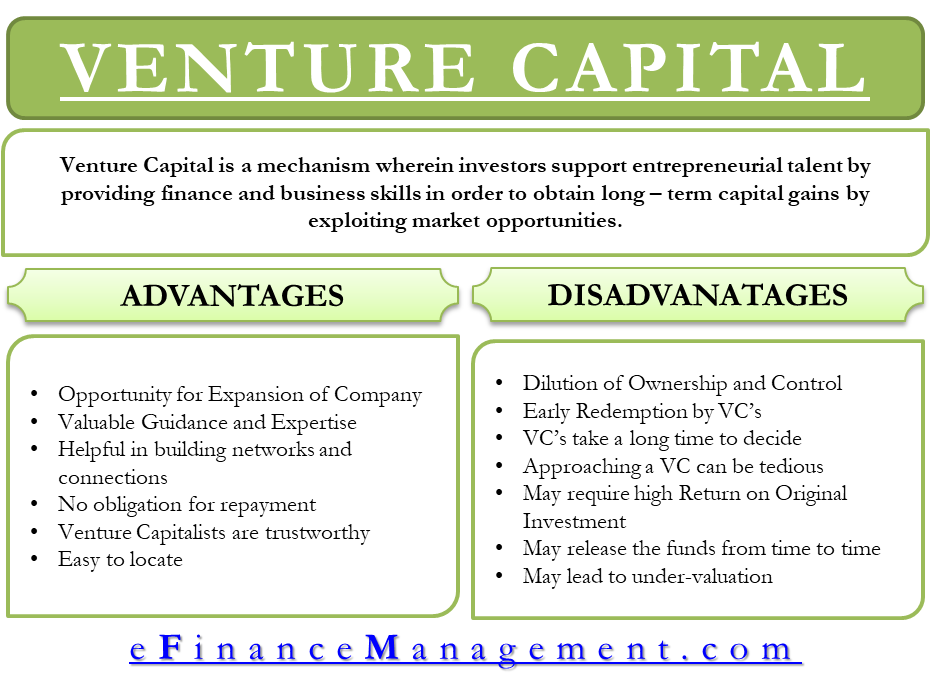
Potential for High Returns
From the venture capitalist's perspective, one of the most significant advantages of venture capital funding is the potential for high returns. By investing in early-stage or high-growth companies, venture capitalists can achieve substantial profits if the company succeeds. This is often realized through:
- Equity appreciation: As the company grows, the value of the shares held by the venture capitalist increases.
- Exit strategies: Profits are typically realized through exits such as IPOs (Initial Public Offerings) or acquisitions.
- Portfolio diversification: Investing in multiple startups can spread risk and increase the chances of hitting a home run investment.
High Risk of Investment Loss
Despite the potential for high returns, venture capital investments come with a high risk of loss. Many startups fail, and venture capitalists must be prepared for the possibility of losing their entire investment. Key risks include:
- Market uncertainty: Startups often operate in unproven markets, making it difficult to predict success.
- Operational challenges: Early-stage companies may lack the experience or resources to execute their business plans effectively.
- Illiquidity: Investments in startups are typically illiquid, meaning they cannot be easily sold or converted to cash.
Active Involvement in Portfolio Companies
Venture capitalists often take an active role in the management and strategic direction of their portfolio companies. This involvement can be both a pro and a con:
- Value addition: Venture capitalists can provide mentorship, industry connections, and operational expertise to help startups succeed.
- Time commitment: Active involvement requires significant time and effort, which can limit the number of investments a venture capitalist can manage.
- Conflict potential: Differences in vision or strategy between the venture capitalist and the startup's founders can lead to conflicts.
Diversification of Investment Portfolio
Venture capital allows investors to diversify their portfolios by including high-growth, high-risk assets. This diversification can help balance the overall risk and return profile of their investments. Key points include:
- Exposure to innovation: Investing in startups provides access to cutting-edge technologies and business models.
- Risk mitigation: Diversification reduces the impact of any single investment's failure on the overall portfolio.
- Long-term growth potential: Startups have the potential to deliver outsized returns over the long term.
Regulatory and Compliance Challenges
Venture capitalists must navigate a complex landscape of regulatory and compliance requirements, which can be both time-consuming and costly. Challenges include:
- Legal obligations: Ensuring compliance with securities laws and regulations can be complex and resource-intensive.
- Reporting requirements: Venture capitalists may need to provide detailed reports to investors and regulatory bodies.
- Tax implications: The tax treatment of venture capital investments can be complicated and may require specialized expertise.
Why do people want to go into venture capital?
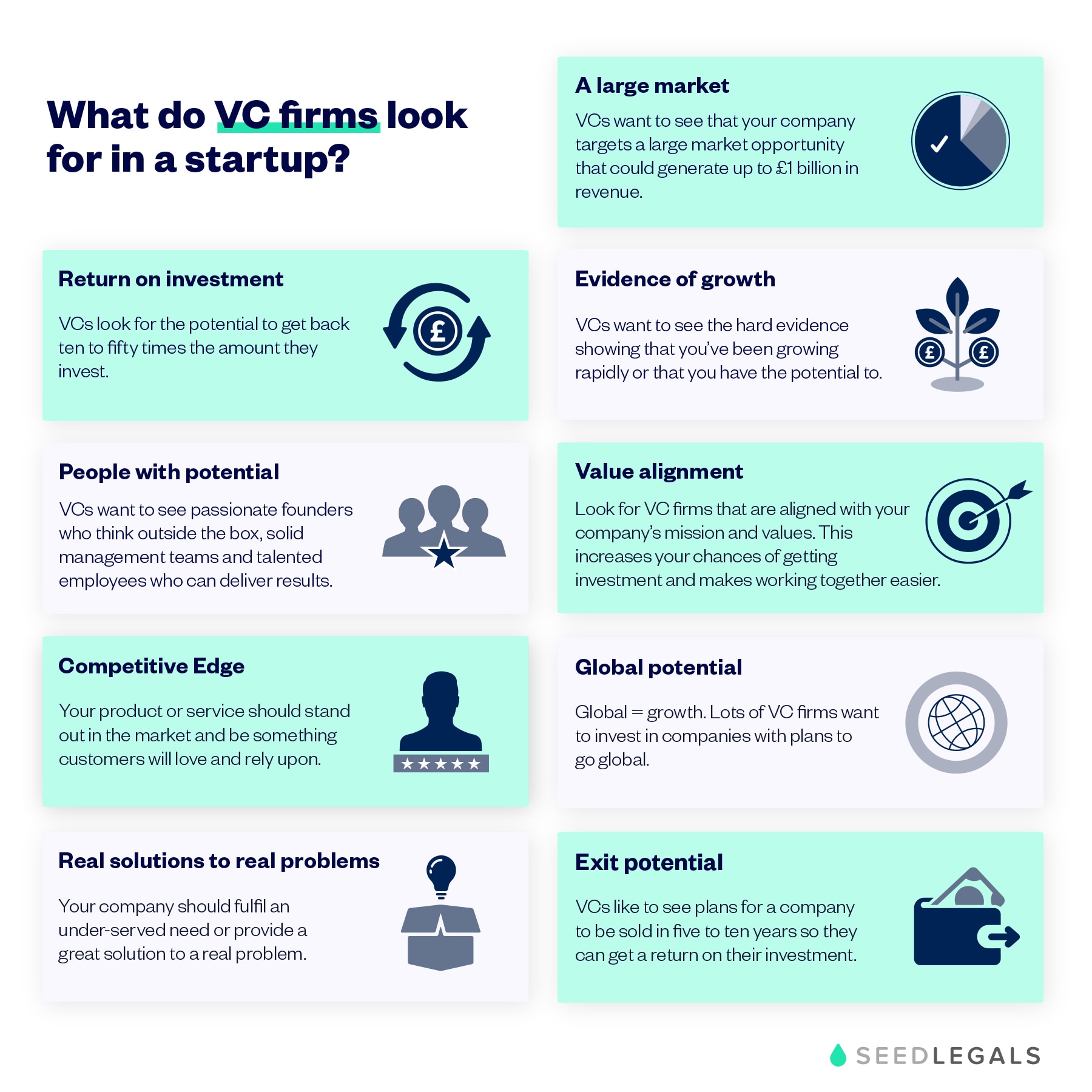
People are drawn to venture capital for a variety of reasons, including the opportunity to work with innovative startups, the potential for high financial rewards, and the chance to shape the future of industries. Venture capital offers a unique blend of financial analysis, strategic decision-making, and networking opportunities, making it an attractive career path for those interested in both finance and entrepreneurship.
Opportunity to Work with Innovative Startups
One of the primary reasons individuals are attracted to venture capital is the opportunity to work closely with innovative startups. This allows them to be at the forefront of technological advancements and disruptive business models. Working with startups provides a dynamic and fast-paced environment that is intellectually stimulating and rewarding.
- Exposure to cutting-edge technologies and business ideas.
- Opportunity to mentor and guide entrepreneurs in their journey.
- Chance to be part of groundbreaking projects that could change industries.
Potential for High Financial Rewards
Venture capital is known for its potential to yield high financial returns. Successful investments in startups can result in significant profits, especially if the company goes public or is acquired. This financial upside is a major draw for individuals looking to build wealth and achieve financial independence.
- Possibility of exponential returns on successful investments.
- Opportunity to earn carried interest and performance bonuses.
- Access to lucrative exit strategies such as IPOs and acquisitions.
Influence and Impact on Industries
Venture capitalists have the power to influence the direction of entire industries by funding and supporting promising startups. This ability to shape the future of technology, healthcare, and other sectors is a compelling reason for many to enter the field. The impact of a successful investment can be far-reaching and transformative.
- Ability to drive innovation and technological progress.
- Opportunity to support social impact through funding sustainable and ethical businesses.
- Chance to shape market trends and consumer behavior.
Networking and Relationship Building
Venture capital offers extensive opportunities for networking and relationship building. Professionals in this field interact with a wide range of stakeholders, including entrepreneurs, other investors, and industry experts. These connections can be invaluable for career growth and personal development.
- Access to a diverse network of industry leaders and innovators.
- Opportunity to build long-term relationships with successful entrepreneurs.
- Chance to collaborate with like-minded professionals and thought leaders.
Intellectual Challenge and Continuous Learning
The venture capital industry is intellectually challenging and requires continuous learning. Professionals must stay updated on market trends, emerging technologies, and new business models. This constant evolution makes the field exciting and fulfilling for those who enjoy problem-solving and strategic thinking.
- Engagement in complex decision-making processes.
- Opportunity to analyze diverse industries and business models.
- Continuous learning and development through exposure to new ideas and innovations.
What is venture capital best used for?
:max_bytes(150000):strip_icc()/Venturecapital-2f7ba3a27d0545f682a6238ea6b16cb9.png)
What is Venture Capital Best Used For?
Venture capital is best used for high-growth startups and businesses that require significant funding to scale rapidly. It is particularly effective for industries like technology, biotechnology, and clean energy, where upfront costs are high, but the potential for exponential growth is substantial. Venture capital provides not only financial resources but also strategic guidance, industry connections, and mentorship to help businesses succeed.
Scaling Operations and Expanding Market Reach
Venture capital is ideal for businesses looking to scale their operations and expand their market reach. This includes:
- Hiring top talent to build a skilled workforce.
- Investing in infrastructure to support growth.
- Expanding into new markets or regions to increase customer base.
Research and Development (R&D)
Venture capital is crucial for funding research and development efforts, especially in industries like biotechnology and technology. This includes:
- Developing innovative products or services.
- Conducting clinical trials for new medical treatments.
- Improving existing technologies to stay competitive.
Marketing and Customer Acquisition
Venture capital can be effectively used to boost marketing efforts and acquire customers. This involves:
- Launching large-scale marketing campaigns to build brand awareness.
- Investing in digital marketing tools to target specific audiences.
- Offering promotions or discounts to attract new customers.
Product Development and Innovation
Venture capital is essential for product development and fostering innovation. This includes:
- Prototyping and testing new ideas.
- Iterating on existing products based on customer feedback.
- Investing in cutting-edge technologies to stay ahead of competitors.
Building Strategic Partnerships
Venture capital can help businesses establish strategic partnerships that drive growth. This involves:
- Collaborating with industry leaders to access new markets.
- Forming alliances with suppliers to reduce costs.
- Partnering with research institutions to innovate and develop new solutions.
Frequently Asked Questions by our Community
What are the key benefits of attending UC Berkeley's Executive Program in Venture Capital for aspiring VCs?
Attending UC Berkeley's Executive Program in Venture Capital offers aspiring VCs a comprehensive understanding of the venture capital ecosystem. The program provides hands-on experience through case studies, simulations, and interactions with industry leaders. Participants gain insights into deal sourcing, due diligence, portfolio management, and exit strategies, which are critical for success in the field. Additionally, the program leverages UC Berkeley's strong network, offering unparalleled access to Silicon Valley's innovation hub and connections with seasoned investors and entrepreneurs.
How does UC Berkeley's Executive Program in Venture Capital compare to the Kauffman Fellows Program?
While both programs are highly regarded, they cater to different needs. UC Berkeley's program is an executive education course designed for professionals looking to enhance their venture capital skills in a shorter timeframe. It focuses on practical knowledge and networking opportunities. In contrast, the Kauffman Fellows Program is a two-year, immersive fellowship aimed at developing future leaders in venture capital. It emphasizes mentorship, leadership development, and long-term career growth. Aspiring VCs should choose based on their career stage and goals: UC Berkeley for skill-building and networking, and Kauffman for leadership and mentorship.
Does UC Berkeley's Executive Program in Venture Capital provide networking opportunities with industry leaders?
Yes, UC Berkeley's program is renowned for its extensive networking opportunities. Participants interact with top-tier venture capitalists, successful entrepreneurs, and industry experts who are actively involved in the program. These connections are invaluable for aspiring VCs, as they provide insights into real-world challenges and opportunities. Additionally, the program's location in the heart of Silicon Valley offers access to a vibrant ecosystem of startups, investors, and innovation hubs, further enhancing networking prospects.
Is UC Berkeley's Executive Program in Venture Capital suitable for beginners in the field?
UC Berkeley's program is designed to accommodate participants with varying levels of experience. While it is beneficial for those with some background in finance or entrepreneurship, it is also accessible to beginners who are passionate about venture capital. The curriculum is structured to provide a strong foundational understanding of key concepts, making it suitable for individuals looking to transition into the VC industry. The program's practical approach ensures that even those new to the field can quickly grasp the essentials and apply them effectively.
Leave a Reply
Our Recommended Articles