
Who Are the Best Angel Investors in Minnesota?


Minnesota has emerged as a thriving hub for startups and innovative ventures, attracting the attention of seasoned angel investors who play a pivotal role in fueling entrepreneurial success. These investors not only provide crucial funding but also bring invaluable expertise, mentorship, and networks to early-stage companies. Identifying the best angel investors in the state is essential for founders seeking to turn their visions into reality. From tech innovators to healthcare pioneers, Minnesota boasts a diverse group of individuals who have consistently backed promising startups. This article explores the top angel investors in Minnesota, highlighting their contributions, investment philosophies, and the impact they’ve made on the local entrepreneurial ecosystem.
-
Who Are the Best Angel Investors in Minnesota?
- 1. What Defines a Top Angel Investor in Minnesota?
- 2. Who Are the Most Active Angel Investors in Minnesota?
- 3. What Industries Do Minnesota Angel Investors Focus On?
- 4. How Do Angel Investors in Minnesota Support Startups Beyond Funding?
- 5. What Are the Key Benefits of Partnering with Minnesota Angel Investors?
- Who is the most successful angel investor?
- How much do you pay an angel investor?
- What is the best way to find an angel investor?
- How much percentage do angel investors take?
- Frequently Asked Questions by our Community
Who Are the Best Angel Investors in Minnesota?
Minnesota is home to a thriving startup ecosystem, and angel investors play a crucial role in fueling innovation and growth in the region. These investors provide not only capital but also mentorship, industry connections, and strategic guidance to early-stage companies. Below, we explore some of the most prominent angel investors in Minnesota and their contributions to the local entrepreneurial landscape.
See Also Are There Any Venture Capital Funds or Firms That Focus Specifically on the College Startup Scene Nationwide
1. What Defines a Top Angel Investor in Minnesota?
A top angel investor in Minnesota is characterized by their ability to identify high-potential startups, provide strategic mentorship, and offer access to a robust network of industry professionals. These investors often have a track record of successful exits and a deep understanding of the local market. They are also known for their willingness to take risks on innovative ideas and their commitment to fostering long-term growth.
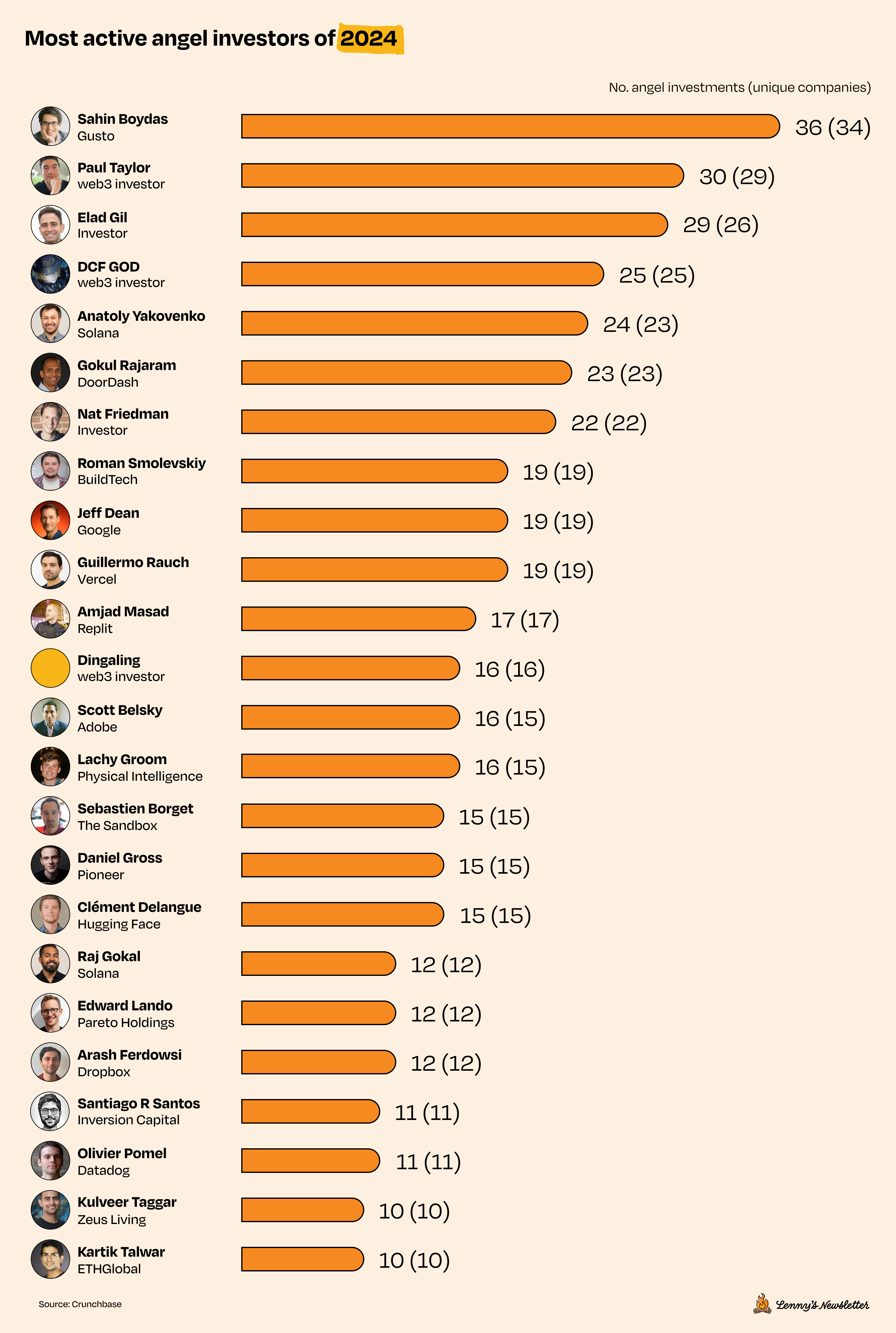
2. Who Are the Most Active Angel Investors in Minnesota?
Some of the most active angel investors in Minnesota include members of the Minnesota Angel Network and Gopher Angels. These groups consist of seasoned entrepreneurs, executives, and professionals who pool their resources to support promising startups. Additionally, individual investors like John Alexander and Sarah Smith have made significant contributions to the ecosystem by backing companies in sectors such as healthtech, fintech, and edtech.
See Also What Motivates You to Work as a Venture Capitalist or an Angel Investor
3. What Industries Do Minnesota Angel Investors Focus On?
Minnesota angel investors tend to focus on industries where the state has a competitive advantage. These include medical devices, agricultural technology, software development, and clean energy. The state's strong presence in healthcare and agriculture, coupled with its growing tech scene, makes it an attractive hub for investors looking to support innovative solutions in these fields.
4. How Do Angel Investors in Minnesota Support Startups Beyond Funding?
Beyond providing capital, angel investors in Minnesota offer invaluable support to startups through mentorship, business development guidance, and networking opportunities. Many investors leverage their own entrepreneurial experiences to help founders navigate challenges, refine their business models, and scale their operations. This hands-on approach is a hallmark of Minnesota's investment community.
See Also Why is It So Hard to Find an Angel Investor for My Startup?
5. What Are the Key Benefits of Partnering with Minnesota Angel Investors?
Partnering with angel investors in Minnesota offers several benefits, including access to local expertise, industry-specific knowledge, and a supportive entrepreneurial community. Startups also gain credibility by associating with well-respected investors, which can open doors to additional funding opportunities and partnerships. Furthermore, the collaborative nature of Minnesota's ecosystem ensures that founders receive holistic support throughout their journey.
| Investor Name | Focus Industry | Notable Investments |
|---|---|---|
| John Alexander | Healthtech | MedTech Innovations, HealthBridge Solutions |
| Sarah Smith | Fintech | PaySecure, WealthGenius |
| Minnesota Angel Network | Various | AgriTech Solutions, CleanEnergy Co. |
| Gopher Angels | Software Development | CodeCraft, DataPioneers |
Who is the most successful angel investor?
 Why Are Venture Capital Funds Mostly for Tech Startups?
Who is Considered the Most Successful Angel Investor?
The title of the most successful angel investor is often attributed to Ron Conway, a prominent figure in Silicon Valley. Known as the Godfather of Silicon Valley, Conway has invested in over 700 companies, including tech giants like Google, Facebook, and Twitter. His ability to identify and support startups with high growth potential has earned him a reputation as one of the most influential angel investors in the world.
- Early Investments: Conway's early investments in companies like Google and PayPal set the foundation for his success.
- Network: His extensive network in Silicon Valley allows him to connect startups with key players in the industry.
- Diverse Portfolio: Conway's portfolio spans various sectors, including technology, social media, and e-commerce.
What Makes Ron Conway Stand Out Among Angel Investors?
Ron Conway stands out due to his strategic approach and hands-on involvement with the startups he invests in. Unlike many investors who focus solely on financial returns, Conway actively mentors entrepreneurs and helps them navigate the challenges of building a successful company.
- Mentorship: Conway provides invaluable guidance to founders, helping them refine their business models and strategies.
- Long-Term Vision: He focuses on long-term growth rather than short-term gains, which has led to sustained success.
- Reputation: His reputation attracts top-tier startups seeking not just funding but also mentorship and connections.
What Are Some of Ron Conway's Most Notable Investments?
Ron Conway's investment portfolio includes some of the most iconic companies in the tech industry. His ability to identify promising startups early on has resulted in significant returns and a lasting impact on the tech ecosystem.
- Google: Conway was an early investor in Google, which has become one of the most valuable companies in the world.
- Facebook: His investment in Facebook during its early stages contributed to its rise as a social media giant.
- Twitter: Conway's early support helped Twitter grow into a leading platform for real-time communication.
How Does Ron Conway Choose Startups to Invest In?
Ron Conway's investment strategy is based on a combination of intuition, market analysis, and team evaluation. He looks for startups with innovative ideas, strong leadership, and the potential to disrupt industries.
- Innovation: Conway seeks out startups with unique and groundbreaking ideas.
- Team: He places a strong emphasis on the quality and dedication of the founding team.
- Market Potential: Conway evaluates the market size and growth potential of the startup's industry.
What Impact Has Ron Conway Had on the Startup Ecosystem?
Ron Conway's influence extends beyond his investments. He has played a pivotal role in shaping the startup ecosystem by fostering innovation, supporting entrepreneurship, and creating opportunities for emerging companies.
- Innovation: Conway's investments have driven technological advancements and innovation across various sectors.
- Entrepreneurship: His support has encouraged a culture of entrepreneurship, inspiring many to start their own ventures.
- Economic Growth: The success of his portfolio companies has contributed significantly to economic growth and job creation.
How much do you pay an angel investor?

What is an Angel Investor?
An angel investor is an individual who provides capital for a business startup, usually in exchange for equity or convertible debt. They are often high-net-worth individuals who invest in early-stage companies to help them grow.
- Angel investors typically invest their own money.
- They often provide mentorship and guidance to startups.
- Their investments are usually smaller than those of venture capitalists.
How Do Angel Investors Get Paid?
Angel investors get paid through the return on investment (ROI) when the company they invested in succeeds. This can happen in several ways:
- Equity Stake: They receive a percentage of the company's profits or proceeds from a sale.
- Convertible Debt: They may receive interest payments or convert their debt into equity.
- Exit Strategy: They earn returns when the company goes public or is acquired.
What Percentage Do Angel Investors Take?
The percentage of equity that angel investors take can vary widely depending on the valuation of the startup and the amount of capital provided. Typically, angel investors may take between 10% to 25% of the company's equity.
- Early-stage startups may offer higher equity stakes due to higher risk.
- More established startups may offer lower equity stakes.
- The exact percentage is often negotiated during the investment process.
What Are the Risks for Angel Investors?
Angel investing carries significant risks, as many startups fail to succeed. The primary risks include:
- Loss of Capital: The startup may fail, resulting in a total loss of the investment.
- Illiquidity: Investments in startups are not easily liquidated.
- Market Risks: Changes in the market can affect the startup's success.
How to Negotiate with Angel Investors?
Negotiating with angel investors requires a clear understanding of your startup's valuation and a well-prepared pitch. Key points to consider include:
- Valuation: Determine a fair valuation for your startup.
- Equity Offer: Decide how much equity you are willing to give up.
- Terms and Conditions: Clearly outline the terms of the investment, including any milestones or conditions.
What is the best way to find an angel investor?

1. Build a Strong Network
One of the most effective ways to find an angel investor is by building a strong professional network. Attend industry events, join startup communities, and participate in networking groups where investors are likely to be present. Here’s how you can do it:
- Attend startup pitch events and conferences to meet potential investors.
- Join online platforms like LinkedIn or AngelList to connect with investors.
- Leverage your existing connections to get introductions to angel investors.
2. Prepare a Compelling Pitch
To attract an angel investor, you need a clear and compelling pitch that highlights the potential of your business. Your pitch should include:
- A concise explanation of your business idea and its uniqueness.
- Demonstration of market potential and scalability.
- Clear financial projections and a solid business plan.
3. Leverage Angel Investor Platforms
There are specialized platforms designed to connect startups with angel investors. These platforms can streamline the process of finding the right investor for your business. Consider the following steps:
- Sign up on platforms like AngelList, Gust, or SeedInvest.
- Create a detailed profile showcasing your business and its potential.
- Actively reach out to investors who align with your industry and goals.
4. Seek Out Local Angel Groups
Many cities have angel investor groups that pool resources to invest in startups. These groups often hold regular meetings where entrepreneurs can pitch their ideas. To get started:
- Research local angel investor groups in your area.
- Prepare a tailored pitch for the group’s specific interests.
- Attend their events and present your business opportunity.
5. Utilize Accelerators and Incubators
Accelerators and incubators are excellent resources for finding angel investors. These programs often provide mentorship, funding, and access to investor networks. Here’s how to make the most of them:
- Apply to reputable accelerators or incubators in your industry.
- Take advantage of their mentorship and networking opportunities.
- Use their demo days or pitch events to connect with angel investors.
How much percentage do angel investors take?

What Percentage Do Angel Investors Typically Take?
Angel investors typically take between 10% to 25% equity in a startup. The exact percentage depends on several factors, including the stage of the company, the amount of funding provided, and the perceived risk. For early-stage startups, angel investors may demand a higher percentage due to the increased uncertainty and potential for failure.
- Stage of the company: Early-stage startups often give up more equity because they lack a proven track record.
- Amount of funding: Larger investments may result in a higher equity stake for the angel investor.
- Risk assessment: Higher-risk ventures may require a larger equity share to compensate for potential losses.
Factors Influencing the Equity Percentage Taken by Angel Investors
Several factors influence the equity percentage that angel investors take. These include the startup's valuation, the investor's experience, and the industry in which the startup operates. A well-established investor with a strong track record may negotiate for a larger share, while startups in high-growth industries might retain more equity.
- Startup valuation: Higher valuations can reduce the equity percentage given to investors.
- Investor experience: Experienced investors may demand more equity due to their expertise and network.
- Industry trends: Startups in booming industries may offer less equity due to higher demand.
How Startup Valuation Affects Angel Investor Equity
Startup valuation plays a crucial role in determining the equity percentage taken by angel investors. A higher valuation means the startup can offer less equity for the same amount of funding. Conversely, a lower valuation may require the startup to give up a larger share of equity to attract investors.
- Pre-money vs. post-money valuation: Pre-money valuation refers to the company's worth before investment, while post-money includes the investment.
- Dilution: Future funding rounds can dilute the equity held by angel investors.
- Negotiation: Valuation is often a point of negotiation between founders and investors.
Common Equity Structures in Angel Investments
Angel investments often involve common equity, preferred equity, or convertible notes. Each structure has implications for the equity percentage and the rights of the investor. Common equity is straightforward but may lack protections, while preferred equity offers additional rights like liquidation preferences.
- Common equity: Simple ownership shares with voting rights.
- Preferred equity: Offers additional rights and protections, often in exchange for a higher equity stake.
- Convertible notes: Debt that converts into equity at a later date, often with a discount.
Negotiating Equity with Angel Investors
Negotiating equity with angel investors requires a clear understanding of the startup's value and future potential. Founders should be prepared to justify their valuation and understand the investor's expectations. Transparency and a strong business plan can help in securing favorable terms.
- Business plan: A solid plan can justify a higher valuation and lower equity offer.
- Investor expectations: Understanding what the investor seeks can help in negotiations.
- Legal advice: Consulting with legal experts can ensure fair and clear terms.
Frequently Asked Questions by our Community
Who are the top angel investors in Minnesota?
Minnesota is home to several prominent angel investors who have made significant contributions to the startup ecosystem. Some of the most notable names include Dan Mallin, co-founder of the Twin Cities Angels, and John Alexander, a seasoned investor with a focus on early-stage companies. Additionally, groups like Gopher Angels and Minnesota Angel Network are highly active in funding innovative startups across various industries, including technology, healthcare, and clean energy.
What industries do Minnesota angel investors typically focus on?
Angel investors in Minnesota tend to focus on a diverse range of industries, reflecting the state's strong economic sectors. Many investors are particularly interested in healthcare and medtech, given Minnesota's reputation as a hub for medical innovation. Other popular sectors include software development, clean energy, and agricultural technology. Investors often seek startups with high growth potential and a clear path to scalability.
How can startups connect with angel investors in Minnesota?
Startups looking to connect with angel investors in Minnesota can leverage local networks and resources. Organizations like Twin Cities Angels and Gopher Angels regularly host pitch events and networking sessions. Additionally, attending Minnesota startup conferences and joining incubators or accelerators such as Techstars Minnesota or Gener8tor can provide valuable opportunities to meet potential investors. Building a strong pitch and demonstrating traction are key to attracting interest.
What criteria do Minnesota angel investors use to evaluate startups?
Minnesota angel investors typically evaluate startups based on several key criteria. These include the strength of the founding team, the size and growth potential of the target market, and the uniqueness of the product or service. Investors also look for evidence of traction, such as early sales, partnerships, or user growth. Additionally, a clear and scalable business model and a well-defined exit strategy are often critical factors in their decision-making process.
Leave a Reply
Our Recommended Articles