
What is Equity Financing and What Are Its Major Sources?

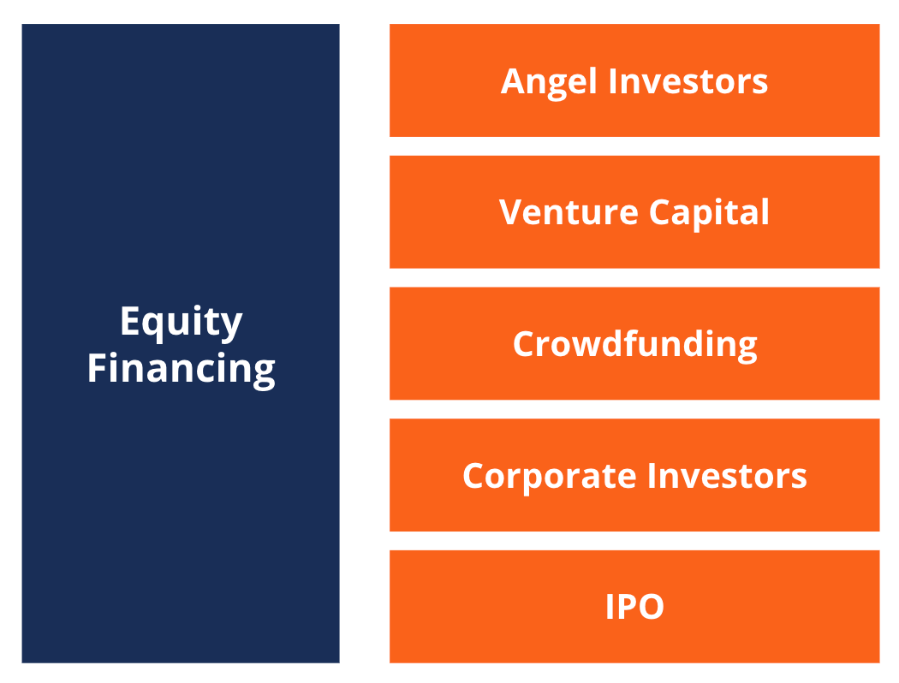
Equity financing is a method of raising capital for businesses by selling shares of ownership to investors. Unlike debt financing, which involves borrowing money that must be repaid with interest, equity financing allows companies to secure funds without incurring debt. This approach is particularly appealing for startups and growing businesses that may not have the cash flow to support loan repayments. The major sources of equity financing include angel investors, venture capitalists, crowdfunding platforms, and public stock offerings. Each source has its own advantages and considerations, making it essential for businesses to evaluate their options carefully. Understanding equity financing is crucial for entrepreneurs seeking sustainable growth.
What is Equity Financing and What Are Its Major Sources?
Equity financing is a method of raising capital for a business by selling shares of the company to investors. Unlike debt financing, which involves borrowing money that must be repaid with interest, equity financing allows businesses to obtain funds without incurring debt. In exchange for their investment, shareholders gain ownership stakes in the company and may receive dividends or benefit from the appreciation of the company's stock value. This approach is particularly attractive for startups and growing businesses that may not have the cash flow to support debt repayments.
See Also What is the Difference Between Angel Investors Venture Capitalists and Silent Partner Investors
1. What is Equity Financing?
Equity financing refers to the process of raising capital by selling shares of a company to investors. This method allows businesses to secure funds without taking on debt, as investors become partial owners of the company. The primary advantage of equity financing is that it does not require regular repayments, which can be beneficial for companies with limited cash flow. However, it also means that business owners must share control and profits with shareholders.
2. How Does Equity Financing Work?
Equity financing works by issuing shares of the company to investors in exchange for capital. These shares represent ownership stakes, and investors may receive dividends or benefit from the company's growth through increased stock value. The process typically involves valuation of the company, determining the number of shares to issue, and setting a price per share. Companies may seek equity financing through private placements, public offerings, or crowdfunding platforms.
See AlsoWhat Are the Best Web Platforms for Venture Capitalists Private Equity Professionals Investment Bankers and Angel Investors for Seeking Deal Investment3. What Are the Major Sources of Equity Financing?
The major sources of equity financing include:
- Angel Investors: High-net-worth individuals who invest in startups in exchange for equity.
- Venture Capital Firms: Professional investment firms that provide capital to high-growth companies.
- Private Equity Firms: Firms that invest in established companies to help them grow or restructure.
- Crowdfunding Platforms: Online platforms where multiple investors contribute small amounts of capital in exchange for equity.
- Initial Public Offerings (IPOs): The process of offering shares to the public for the first time.
4. What Are the Advantages of Equity Financing?
Equity financing offers several advantages, including:
- No Repayment Obligations: Unlike loans, equity financing does not require regular repayments.
- Access to Expertise: Investors often bring valuable experience and networks to the company.
- Shared Risk: Investors share the financial risk, reducing the burden on the business owner.
- Potential for Large Capital: Equity financing can provide significant funds, especially through venture capital or IPOs.
 What is the Best Crm for Venture/seed Capital Firms to Manage Deal Flow
5. What Are the Disadvantages of Equity Financing?
Despite its benefits, equity financing also has some drawbacks:
- Loss of Control: Business owners must share decision-making power with shareholders.
- Profit Sharing: Dividends and profits are distributed among shareholders.
- Dilution of Ownership: Issuing new shares reduces the ownership percentage of existing shareholders.
- Complex Process: Raising equity can be time-consuming and requires legal and financial expertise.
| Source | Description |
|---|---|
| Angel Investors | Individuals who invest in startups in exchange for equity. |
| Venture Capital Firms | Professional firms that invest in high-growth companies. |
| Private Equity Firms | Firms that invest in established companies for growth or restructuring. |
| Crowdfunding Platforms | Online platforms for raising small amounts of capital from multiple investors. |
| Initial Public Offerings (IPOs) | The process of offering shares to the public for the first time. |
What are the major sources of equity financing?
1. Common Stock Issuance
One of the primary sources of equity financing is the issuance of common stock. Companies raise capital by selling shares of ownership to investors. This method is widely used because it does not require repayment and provides investors with voting rights.
See Also Why Do Venture Capitalists Prefer Preferred Stocks Over Common Stocks
- Common stock represents ownership in a company.
- Investors gain voting rights and potential dividends.
- No obligation to repay the funds raised.
2. Preferred Stock Issuance
Another significant source is the issuance of preferred stock. Unlike common stock, preferred stock typically does not offer voting rights but provides a fixed dividend and priority over common stockholders in asset distribution during liquidation.
- Preferred stock offers fixed dividends.
- Priority over common stockholders in liquidation.
- No voting rights are usually granted.
3. Venture Capital
Venture capital is a critical source of equity financing, especially for startups and high-growth companies. Venture capitalists invest in exchange for equity, providing not only funds but also mentorship and strategic guidance.
- Venture capital targets high-growth potential companies.
- Investors receive equity in return for funding.
- Often includes mentorship and strategic support.
4. Angel Investors
Angel investors are affluent individuals who provide capital to startups in exchange for equity. They often invest in the early stages of a business and may offer valuable industry expertise and networking opportunities.
- Angel investors fund early-stage startups.
- Invest in exchange for equity ownership.
- Provide industry expertise and networking.
5. Retained Earnings
Companies can also use retained earnings as a source of equity financing. This involves reinvesting profits back into the business rather than distributing them as dividends, which strengthens the company's equity base.
- Retained earnings are reinvested profits.
- No need to issue new shares or seek external funding.
- Enhances the company's equity position.
What is equity as a source of finance?
What is Equity as a Source of Finance?
Equity as a source of finance refers to the funds raised by a company through the issuance of shares to investors. Unlike debt financing, equity financing does not require repayment and does not accrue interest. Instead, investors become partial owners of the company and may receive dividends or benefit from capital gains if the company performs well. This method of financing is particularly useful for businesses looking to raise capital without increasing their debt burden.
Advantages of Equity Financing
Equity financing offers several benefits for businesses:
- No Repayment Obligation: Unlike loans, equity does not need to be repaid, reducing financial pressure on the company.
- Shared Risk: Investors share the risk, as they only profit if the company succeeds.
- Access to Expertise: Equity investors often bring valuable expertise, networks, and resources to the business.
Disadvantages of Equity Financing
While equity financing has its advantages, it also comes with certain drawbacks:
- Dilution of Ownership: Issuing new shares reduces the ownership percentage of existing shareholders.
- Profit Sharing: Investors are entitled to a share of the profits, which may reduce earnings for the original owners.
- Loss of Control: New shareholders may influence business decisions, potentially leading to conflicts.
Types of Equity Financing
There are several types of equity financing available to businesses:
- Common Stock: Represents ownership in the company and provides voting rights to shareholders.
- Preferred Stock: Offers priority in dividend payments but typically lacks voting rights.
- Venture Capital: Funds provided by investors to startups and small businesses with high growth potential.
How Equity Financing Works
Equity financing involves a series of steps to raise capital:
- Valuation: The company determines its value to decide how much equity to offer.
- Issuance of Shares: Shares are issued to investors in exchange for capital.
- Investor Rights: Investors gain ownership rights, including voting and profit-sharing.
When to Choose Equity Financing
Equity financing is ideal in certain situations:
- Startups: New businesses often lack the collateral or credit history required for loans.
- High-Growth Companies: Companies with significant growth potential may attract investors willing to take risks.
- Debt Avoidance: Businesses aiming to avoid debt obligations may prefer equity financing.
What are the sources of equity funds?
One of the primary sources of equity funds is through the issuance of shares to the public. Companies can raise capital by offering shares in the stock market. This method allows businesses to attract a wide range of investors, from individual retail investors to large institutional investors. The process involves:
- Initial Public Offering (IPO): A company offers its shares to the public for the first time.
- Follow-on Public Offering (FPO): Additional shares are issued after the IPO to raise more capital.
- Private Placement: Shares are sold to a select group of investors without a public offering.
2. Retained Earnings
Retained earnings are another significant source of equity funds. This refers to the portion of a company's profits that is not distributed as dividends but is instead reinvested back into the business. Retained earnings can be used for various purposes, such as:
- Expansion Projects: Funding new projects or expanding existing operations.
- Research and Development: Investing in innovation and product development.
- Debt Reduction: Paying off existing debts to improve the company's financial health.
3. Venture Capital and Private Equity
Venture capital and private equity are crucial sources of equity funding, especially for startups and growing companies. These investors provide capital in exchange for equity stakes in the company. The process typically involves:
- Seed Funding: Early-stage investment to help a startup get off the ground.
- Series A, B, C Funding: Subsequent rounds of funding as the company grows and achieves milestones.
- Exit Strategies: Investors may exit through an IPO or a sale of the company to realize their returns.
4. Angel Investors
Angel investors are affluent individuals who provide capital to startups in exchange for equity. They often bring not only financial resources but also valuable expertise and networks. Key aspects include:
- Early-Stage Investment: Angel investors typically invest in the early stages of a company's development.
- Mentorship: They often provide guidance and mentorship to the entrepreneurs.
- High Risk, High Reward: Angel investing is risky but can yield significant returns if the startup succeeds.
5. Employee Stock Ownership Plans (ESOPs)
Employee Stock Ownership Plans (ESOPs) are a unique way for companies to raise equity funds by offering shares to their employees. This method not only provides capital but also aligns the interests of employees with those of the company. The process involves:
- Stock Options: Employees are given the option to purchase company shares at a predetermined price.
- Stock Grants: Shares are granted to employees as part of their compensation package.
- Vesting Period: Employees may need to stay with the company for a certain period before they can fully own the shares.
Frequently Asked Questions (FAQs)
What is Equity Financing?
Equity financing is a method of raising capital for a business by selling shares of ownership in the company. Unlike debt financing, which involves borrowing money that must be repaid with interest, equity financing allows businesses to obtain funds without incurring debt. Investors who purchase these shares become partial owners of the company and may receive a portion of the profits in the form of dividends. This type of financing is often used by startups and growing companies that may not have the cash flow or collateral to secure loans.
What Are the Major Sources of Equity Financing?
The major sources of equity financing include angel investors, venture capital firms, private equity firms, and public stock offerings. Angel investors are typically wealthy individuals who provide capital in exchange for ownership equity or convertible debt. Venture capital firms invest in early-stage companies with high growth potential, often in exchange for significant equity stakes. Private equity firms focus on more established companies, providing capital for expansion or restructuring. Public stock offerings involve selling shares to the general public through stock exchanges, allowing companies to raise large amounts of capital.
What Are the Advantages of Equity Financing?
One of the primary advantages of equity financing is that it does not require repayment, unlike loans. This can be particularly beneficial for startups and small businesses that may not have steady revenue streams. Additionally, equity financing can provide access to valuable expertise and networks, as investors often bring industry knowledge and connections. Another advantage is that it can improve a company's balance sheet by increasing equity without adding debt, which can make the company more attractive to future investors or lenders.
What Are the Disadvantages of Equity Financing?
While equity financing offers several benefits, it also has some drawbacks. One major disadvantage is the dilution of ownership. When a company issues new shares, the ownership percentage of existing shareholders decreases, which can lead to a loss of control over the business. Additionally, equity financing can be more expensive in the long run, as investors expect a return on their investment, often through dividends or capital gains. There is also the potential for conflicts between shareholders and management, especially if investors have different visions for the company's future.
Leave a Reply
Our Recommended Articles