
What Kinds of Returns Are Limited Partners Seeking From a Vc Fund Are There Term Sheets Agreements Between Lps and Vc General Partners on What Terms


Venture capital (VC) funds attract limited partners (LPs) seeking specific returns on their investments, often driven by risk tolerance, time horizons, and financial goals. LPs typically aim for high returns, diversification, and exposure to innovative startups, while balancing liquidity and risk. The relationship between LPs and VC general partners (GPs) is formalized through term sheets, which outline key terms such as fund duration, management fees, carried interest, and distribution waterfalls. These agreements ensure alignment of interests and clarify expectations. Understanding the dynamics of LP-GP agreements is crucial for both parties to navigate the complexities of venture capital investments and achieve mutually beneficial outcomes.
What Kinds of Returns Are Limited Partners Seeking From a VC Fund and Are There Term Sheet Agreements Between LPs and VC General Partners?
Limited Partners (LPs) in venture capital (VC) funds typically seek strong financial returns and portfolio diversification. They aim for high-risk-adjusted returns, often targeting annualized returns of 20% or more. Additionally, LPs look for alignment of interests with General Partners (GPs) through term sheet agreements that outline the terms of their partnership, including management fees, carried interest, and investment horizons.
See Also What is the Difference Between a Joint Venture Jv and a Special Purpose Vehicle Spv
1. What Are the Primary Return Expectations of Limited Partners?
Limited Partners (LPs) invest in VC funds with the expectation of achieving above-market returns. They often target internal rates of return (IRR) ranging from 20% to 30%, depending on the fund's strategy and risk profile. LPs also seek capital appreciation and long-term growth from their investments in high-potential startups. The table below summarizes the key return expectations:
| Return Metric | Target Range |
|---|---|
| Internal Rate of Return (IRR) | 20% - 30% |
| Capital Appreciation | High |
| Investment Horizon | 7 - 10 years |
2. How Do Term Sheets Define the Relationship Between LPs and GPs?
Term sheets are legal agreements that outline the terms and conditions of the partnership between LPs and GPs. They specify management fees (typically 2% of committed capital), carried interest (usually 20% of profits), and investment periods. These agreements ensure transparency and alignment of interests between both parties. Below is a breakdown of common terms:
See Also Why Do Venture Capitalists Prefer Preferred Stocks Over Common Stocks
| Term | Description |
|---|---|
| Management Fees | 2% of committed capital |
| Carried Interest | 20% of profits |
| Investment Period | 5 - 7 years |
3. What Role Does Carried Interest Play in LP-GP Agreements?
Carried interest is a critical component of LP-GP agreements, representing the GPs' share of profits (typically 20%) after LPs receive their initial capital and a preferred return (often 8%). This structure incentivizes GPs to maximize returns for LPs. The table below highlights key aspects of carried interest:
| Aspect | Details |
|---|---|
| Percentage | 20% of profits |
| Preferred Return | 8% for LPs |
| Incentive Alignment | Encourages GPs to achieve high returns |
4. How Are Management Fees Structured in VC Funds?
Management fees are charged by GPs to cover operational costs and are typically calculated as a percentage of committed capital (usually 2%). These fees are often reduced after the investment period ends. The table below outlines the structure of management fees:
See Also Which Venture Capital Firm Invests in Real Estate Space?
| Fee Structure | Details |
|---|---|
| Percentage | 2% of committed capital |
| Duration | Entire fund lifecycle |
| Reduction | Post-investment period |
5. What Are the Key Clauses in LP-GP Term Sheets?
LP-GP term sheets include several key clauses to protect both parties. These include capital commitment, distribution waterfalls, key person clauses, and clawback provisions. The table below summarizes these clauses:
| Clause | Description |
|---|---|
| Capital Commitment | Amount LPs agree to invest |
| Distribution Waterfall | Order of profit distribution |
| Key Person Clause | Protects against GP turnover |
| Clawback Provision | Ensures fair profit sharing |
What is the difference between PE returns and VC returns?

 Which Vc Firms Have a Business Development Team That Works With Portfolio Companies
Understanding PE Returns
Private Equity (PE) returns are typically generated through investments in mature companies that are already established in their respective industries. These investments often involve acquiring a significant stake in the company, restructuring operations, and improving profitability before exiting through a sale or IPO. PE returns are generally more predictable and stable compared to VC returns, as they focus on companies with proven business models and cash flows.
- Focus on mature companies: PE firms invest in established businesses with a track record of performance.
- Leveraged buyouts: PE often uses debt to finance acquisitions, aiming to enhance returns through financial engineering.
- Longer investment horizon: PE investments typically have a holding period of 4-7 years.
Understanding VC Returns
Venture Capital (VC) returns are derived from investments in early-stage or high-growth startups with significant potential for exponential growth. These investments are inherently riskier due to the unproven nature of the businesses, but they offer the possibility of outsized returns if the startup succeeds. VC returns are often driven by a few high-performing companies in a portfolio, as many startups fail to achieve significant success.
See Also What Are the Top Vc Funds for Societal Impact?
- Focus on startups: VC firms invest in companies with high growth potential but unproven business models.
- High risk, high reward: The potential for massive returns is balanced by the high likelihood of failure.
- Shorter investment horizon: VC investments typically aim for exits within 3-5 years through IPOs or acquisitions.
Risk Profiles of PE and VC
The risk profiles of PE and VC investments differ significantly. PE investments are considered lower risk because they target established companies with predictable cash flows. In contrast, VC investments are high-risk due to the uncertainty surrounding early-stage companies. However, the potential rewards in VC can be substantially higher if the startup becomes a market leader.
- PE risk: Lower risk due to investment in stable, cash-flow-positive companies.
- VC risk: Higher risk due to the unproven nature of startups and high failure rates.
- Diversification: VC portfolios often include many investments to mitigate the risk of individual failures.
Investment Strategies in PE and VC
The investment strategies employed by PE and VC firms are tailored to their respective goals. PE firms focus on operational improvements, cost-cutting, and financial restructuring to enhance the value of their portfolio companies. VC firms, on the other hand, prioritize identifying disruptive technologies and scalable business models, often providing mentorship and strategic guidance to help startups grow.
- PE strategies: Operational improvements, financial restructuring, and leveraging economies of scale.
- VC strategies: Identifying high-growth potential, providing mentorship, and fostering innovation.
- Exit strategies: PE often exits through sales or IPOs, while VC exits through IPOs or acquisitions by larger companies.
Performance Metrics for PE and VC
Performance metrics for PE and VC investments vary based on their objectives. PE firms often measure success through metrics like Internal Rate of Return (IRR) and cash-on-cash multiples, focusing on steady, predictable returns. VC firms, however, prioritize metrics such as the number of successful exits, the size of the exits, and the overall portfolio return, which can be heavily influenced by a few high-performing investments.
- PE metrics: IRR, cash-on-cash multiples, and EBITDA growth.
- VC metrics: Number of successful exits, size of exits, and portfolio return.
- Benchmarking: PE compares performance to public market indices, while VC benchmarks against other venture portfolios.
What are term sheets in venture capital?

What is a Term Sheet in Venture Capital?
A term sheet in venture capital is a non-binding agreement that outlines the key terms and conditions under which an investor will make a financial investment in a startup or company. It serves as a blueprint for the final legal documents and ensures both parties are aligned on the deal's structure. The term sheet typically includes details such as the valuation, investment amount, equity stake, and other critical terms like liquidation preferences and voting rights.
- Non-binding nature: While it outlines the terms, it is not legally enforceable until the final agreements are signed.
- Key components: Includes valuation, investment amount, equity, and other financial and governance terms.
- Purpose: Acts as a foundation for drafting definitive legal agreements.
Key Components of a Term Sheet
A term sheet includes several critical components that define the relationship between the investor and the company. These components ensure clarity and prevent misunderstandings during the negotiation process.
- Valuation: Specifies the pre-money and post-money valuation of the company.
- Investment Amount: Details the total amount the investor will contribute.
- Equity Stake: Defines the percentage of ownership the investor will receive.
- Liquidation Preferences: Outlines how proceeds will be distributed in the event of a sale or liquidation.
- Voting Rights: Specifies the investor's influence over company decisions.
Why Are Term Sheets Important?
Term sheets are crucial because they set the foundation for the investment process. They ensure that both the investor and the company are aligned on the terms before moving forward with legal documentation.
- Clarity: Provides a clear understanding of the deal terms for both parties.
- Efficiency: Streamlines the negotiation process by addressing key issues upfront.
- Risk Mitigation: Reduces the likelihood of disputes during the final agreement phase.
Common Terms Found in a Term Sheet
Term sheets often include specific terms that are standard in venture capital deals. These terms are designed to protect the interests of both the investor and the company.
- Pre-Money Valuation: The company's valuation before the investment.
- Post-Money Valuation: The company's valuation after the investment.
- Option Pool: A reserve of equity set aside for future employees.
- Anti-Dilution Provisions: Protects investors from equity dilution in future funding rounds.
- Board Composition: Defines the structure of the company's board of directors.
How to Negotiate a Term Sheet
Negotiating a term sheet requires careful consideration and strategic planning. Both parties must work to achieve a balance that aligns with their interests.
- Understand Priorities: Identify the most critical terms for your company or investment goals.
- Seek Legal Advice: Engage experienced legal counsel to review and advise on the terms.
- Leverage Market Standards: Use industry benchmarks to guide your negotiations.
- Maintain Flexibility: Be open to compromise on less critical terms to secure the deal.
- Document Everything: Ensure all agreed-upon terms are clearly documented to avoid future disputes.
What are VC returns?
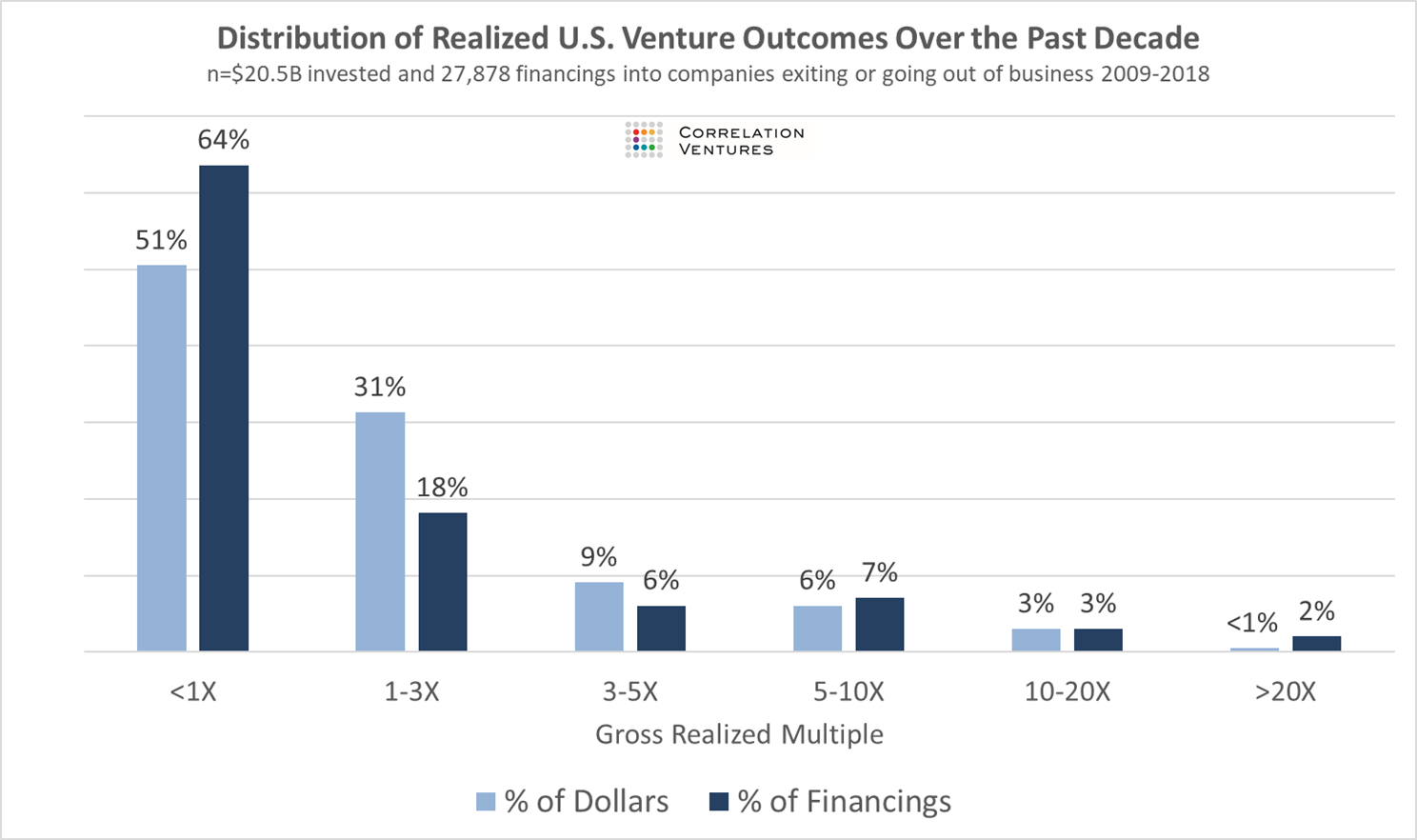
What Are VC Returns?
VC returns refer to the financial gains or losses generated by venture capital investments. Venture capital (VC) is a form of private equity financing provided to early-stage, high-potential startups with the expectation of significant growth. The returns are typically realized when the invested company is sold, goes public, or achieves a liquidity event. VC returns are often measured in terms of Internal Rate of Return (IRR) or multiple on invested capital (MOIC).
How Are VC Returns Calculated?
VC returns are calculated using specific metrics to evaluate the performance of investments. The most common methods include:
- Internal Rate of Return (IRR): This measures the annualized return over the life of the investment, accounting for the time value of money.
- Multiple on Invested Capital (MOIC): This calculates the total return by dividing the final value of the investment by the initial amount invested.
- Cash-on-Cash Return: This compares the total cash received from the investment to the total cash invested.
What Factors Influence VC Returns?
Several factors can significantly impact the returns generated by venture capital investments:
- Market Conditions: Economic trends and industry growth can affect the success of startups.
- Portfolio Diversification: A well-diversified portfolio can mitigate risks and enhance returns.
- Exit Strategy: The timing and method of exiting an investment, such as an IPO or acquisition, play a crucial role in determining returns.
What Are the Risks Associated with VC Returns?
Venture capital investments come with inherent risks that can affect returns:
- High Failure Rates: Many startups fail, leading to a total loss of the invested capital.
- Illiquidity: VC investments are typically long-term and cannot be easily liquidated.
- Market Volatility: Changes in market conditions can negatively impact the valuation of startups.
How Do VC Returns Compare to Other Investments?
VC returns are often compared to other asset classes to assess their performance:
- Higher Potential Returns: VC investments can yield significantly higher returns compared to traditional stocks or bonds.
- Higher Risk: The potential for higher returns comes with increased risk and uncertainty.
- Longer Investment Horizon: VC investments typically require a longer time frame to realize returns compared to other asset classes.
Frequently Asked Questions (FAQs)
What kinds of returns are limited partners seeking from a VC fund?
Limited partners (LPs) typically seek high returns from venture capital (VC) funds, often aiming for annualized returns in the range of 20-30%. These returns are driven by the expectation that VC funds will invest in high-growth startups with the potential for significant exits, such as acquisitions or initial public offerings (IPOs). LPs also look for diversification in their portfolios, as VC investments can provide exposure to innovative sectors and emerging markets. Additionally, LPs may prioritize long-term capital appreciation over immediate income, given the illiquid nature of VC investments.
Are there term sheet agreements between LPs and VC general partners?
Yes, there are term sheet agreements between limited partners (LPs) and VC general partners (GPs). These agreements outline the terms and conditions of the partnership, including the management fee, carried interest, and investment period. The term sheet serves as a preliminary agreement before the final limited partnership agreement (LPA) is drafted. It ensures that both parties are aligned on key aspects such as fund size, investment strategy, and distribution waterfalls. These agreements are crucial for establishing trust and clarity between LPs and GPs.
What terms are typically included in agreements between LPs and VC general partners?
Agreements between limited partners (LPs) and VC general partners (GPs) typically include several key terms. These include the management fee, which is usually around 2% of the committed capital, and the carried interest, often set at 20% of the profits. Other terms cover the investment period, during which the GP can make new investments, and the fund life, which is typically 10 years with possible extensions. The agreement also specifies distribution waterfalls, detailing how profits are shared between LPs and GPs, and clawback provisions to protect LPs if the fund underperforms.
How do LPs and GPs align their interests in VC fund agreements?
Limited partners (LPs) and general partners (GPs) align their interests through carefully structured VC fund agreements. These agreements include mechanisms such as carried interest, which incentivizes GPs to generate high returns by giving them a share of the profits, typically 20%. Additionally, management fees ensure that GPs have the resources to manage the fund effectively. The agreements also include clawback provisions and hurdle rates, which ensure that GPs only receive carried interest after LPs have achieved a minimum return on their investment. These terms create a mutual alignment of interests, encouraging GPs to prioritize the success of the fund.
Leave a Reply
Our Recommended Articles