
What is the Reputation of the Vc Fund New Enterprise Associates (Nea)


New Enterprise Associates (NEA) is one of the most prominent venture capital firms in the world, renowned for its extensive portfolio and influential role in shaping the tech and healthcare industries. Established in 1977, NEA has built a reputation for backing groundbreaking companies at various stages of growth, from seed rounds to late-stage investments. With over $25 billion in committed capital, the firm has supported industry giants like Salesforce, Workday, and Robinhood. Known for its deep expertise, long-term vision, and collaborative approach, NEA continues to be a trusted partner for entrepreneurs seeking to transform innovative ideas into market-leading businesses. Its track record speaks volumes about its standing in the venture capital ecosystem.
- What is the Reputation of the VC Fund New Enterprise Associates (NEA)?
- Is NEA a good firm?
- Who are the Tier 1 VCs?
-
How big is the new Enterprise Associates fund?
- What is the size of the new Enterprise Associates fund?
- How does the new fund compare to previous Enterprise Associates funds?
- What sectors will the new Enterprise Associates fund focus on?
- Who are the key investors in the new Enterprise Associates fund?
- What is the significance of the new Enterprise Associates fund for startups?
- What is the dark side of venture capital?
-
Frequently Asked Questions (FAQs)
- What is the overall reputation of New Enterprise Associates (NEA) in the venture capital industry?
- How does NEA's reputation compare to other leading venture capital firms?
- What are some notable successes that have contributed to NEA's reputation?
- How do entrepreneurs and startups perceive NEA's reputation?
What is the Reputation of the VC Fund New Enterprise Associates (NEA)?
New Enterprise Associates (NEA) is one of the most prominent and respected venture capital firms in the world. Established in 1977, NEA has built a strong reputation for its extensive portfolio, successful investments, and influential role in the tech and healthcare industries. With over $24 billion in committed capital, NEA has consistently been recognized as a top-tier VC fund, known for its ability to identify and nurture high-growth startups. Its reputation is further solidified by its long-standing relationships with entrepreneurs, institutional investors, and industry leaders.
See AlsoHow Much Money Did Facebook Raise From Venture CapitalistsWhat is NEA's Track Record in Venture Capital?
NEA has a proven track record of investing in some of the most successful companies across various sectors. Over the years, the firm has backed industry giants such as Uber, Workday, Robinhood, and Databricks. These investments have not only generated significant returns but have also positioned NEA as a leader in the venture capital space. The firm’s ability to identify disruptive technologies early and support them through multiple funding rounds has been a key factor in its success.
| Company | Sector | Outcome |
|---|---|---|
| Uber | Transportation | IPO |
| Workday | Enterprise Software | IPO |
| Robinhood | Fintech | IPO |
| Databricks | Data Analytics | Unicorn |
How Does NEA Support Its Portfolio Companies?
NEA is known for its hands-on approach to supporting its portfolio companies. The firm provides not only capital but also strategic guidance, operational expertise, and access to a vast network of industry experts. NEA’s partners often take active roles on the boards of their portfolio companies, helping them navigate challenges and scale effectively. This level of involvement has earned NEA a reputation as a trusted partner for entrepreneurs.
See Also What Are the Best Performing Venture Capital Funds of All Time
What Industries Does NEA Focus On?
NEA has a diversified investment strategy, focusing primarily on technology and healthcare. Within technology, the firm invests in areas such as enterprise software, artificial intelligence, fintech, and consumer internet. In healthcare, NEA targets biotechnology, medical devices, and digital health startups. This dual focus allows the firm to capitalize on innovation across two of the most dynamic and high-growth sectors.
| Industry | Key Focus Areas |
|---|---|
| Technology | AI, Fintech, Enterprise Software |
| Healthcare | Biotech, Medical Devices, Digital Health |
What is NEA's Global Presence?
While NEA is headquartered in the United States, the firm has a significant global presence, with offices in India and China. This international reach allows NEA to tap into emerging markets and identify high-potential startups outside of Silicon Valley. The firm’s global perspective and local expertise have contributed to its ability to build a diverse and successful portfolio.
See Also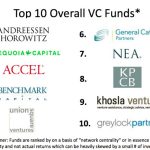 Which Are the Tier 1 Vc Firms in the Us?
How Does NEA Compare to Other Top VC Firms?
NEA is often compared to other top-tier venture capital firms like Sequoia Capital, Andreessen Horowitz, and Accel. While each firm has its unique strengths, NEA stands out for its longevity, consistent performance, and ability to adapt to changing market dynamics. The firm’s deep expertise in both technology and healthcare gives it a competitive edge, making it a preferred choice for entrepreneurs and investors alike.
| VC Firm | Key Differentiator |
|---|---|
| NEA | Dual focus on tech and healthcare |
| Sequoia Capital | Strong focus on early-stage startups |
| Andreessen Horowitz | Emphasis on disruptive technologies |
| Accel | Global reach and SaaS expertise |
Is NEA a good firm?
What is NEA and its reputation in the industry?
NEA, or New Enterprise Associates, is one of the largest and most established venture capital firms globally. Founded in 1977, it has built a strong reputation for investing in high-growth companies across various sectors, including technology, healthcare, and energy. The firm is known for its:
- Extensive portfolio of successful companies, such as Uber, Robinhood, and Workday.
- Experienced team of investors with deep industry expertise.
- Long-standing relationships with entrepreneurs and other venture capital firms.
What are the strengths of NEA as a firm?
NEA is widely regarded as a top-tier venture capital firm due to its:
- Global presence, with offices in the U.S., China, and India, enabling it to identify and support startups worldwide.
- Diverse investment strategy, which spans early-stage to late-stage funding, providing flexibility for startups at different growth phases.
- Strong track record of successful exits, including IPOs and acquisitions, which highlights its ability to generate returns for investors.
What are the potential drawbacks of working with NEA?
While NEA is highly respected, there are some considerations to keep in mind:
- High competition for funding, as NEA receives a large number of pitches and only selects a few startups to invest in.
- Stringent expectations for growth and performance, which may not align with every entrepreneur's vision or pace.
- Limited focus on very early-stage startups, as the firm often prefers companies with proven traction.
How does NEA support its portfolio companies?
NEA provides more than just capital to its portfolio companies. Its support includes:
- Strategic guidance from experienced partners who have deep industry knowledge.
- Access to a vast network of industry leaders, potential customers, and other investors.
- Operational expertise to help companies scale efficiently and navigate challenges.
What do entrepreneurs and investors say about NEA?
Feedback from entrepreneurs and investors highlights NEA's:
- Commitment to long-term partnerships, often staying involved with companies for many years.
- Transparency and professionalism in its dealings, which builds trust with stakeholders.
- Proven ability to identify and nurture high-potential startups, making it a preferred choice for many founders.
Who are the Tier 1 VCs?
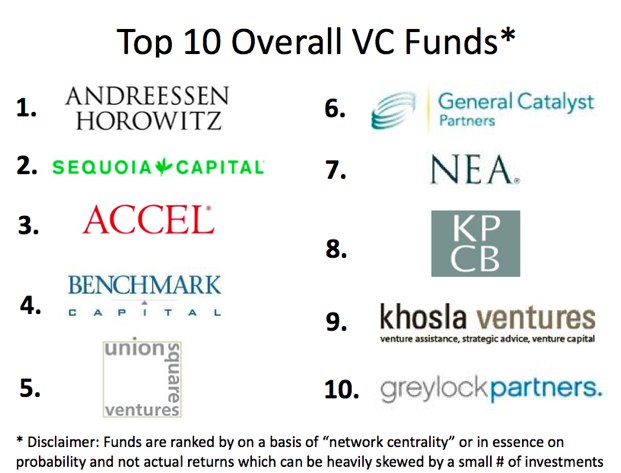
What Defines a Tier 1 Venture Capital Firm?
Tier 1 venture capital firms are distinguished by their exceptional track record, significant influence in the startup ecosystem, and ability to consistently generate high returns for their investors. These firms typically have:
- Proven success in backing unicorn startups (companies valued at over $1 billion).
- Extensive networks of industry experts, entrepreneurs, and co-investors.
- Large fund sizes, often managing billions of dollars in assets.
- Global reach, with investments spanning multiple continents and industries.
Top Tier 1 Venture Capital Firms in the World
Some of the most renowned Tier 1 VCs include:
- Sequoia Capital: Known for early investments in Apple, Google, and Airbnb.
- Andreessen Horowitz (a16z): A leader in tech investments, including Facebook and Coinbase.
- Accel: Early backers of Facebook, Slack, and Dropbox.
- Kleiner Perkins: Pioneers in venture capital, with investments in Amazon and Google.
- Benchmark: Known for its early stake in Uber and Twitter.
How Tier 1 VCs Differ from Other Venture Capital Firms
Tier 1 VCs stand out due to their:
- Exclusive access to high-potential deals and top-tier startups.
- Deep expertise in scaling companies from seed stage to IPO.
- Brand recognition, which attracts the best entrepreneurs and co-investors.
- Long-term vision, often supporting portfolio companies for decades.
Key Characteristics of Tier 1 VC Investments
Investments by Tier 1 VCs are characterized by:
- High conviction bets on disruptive technologies and business models.
- Large funding rounds, often leading or co-leading significant investments.
- Active involvement in portfolio companies, providing strategic guidance.
- Focus on scalability, targeting markets with massive growth potential.
Why Startups Seek Funding from Tier 1 VCs
Startups aim to secure funding from Tier 1 VCs because:
- Credibility and validation from top investors enhance their reputation.
- Access to resources, including mentorship, networks, and operational support.
- Higher chances of success due to the expertise and track record of these firms.
- Increased visibility, attracting further investment and talent.
How big is the new Enterprise Associates fund?

What is the size of the new Enterprise Associates fund?
The new Enterprise Associates fund has raised a total of $1.8 billion. This fund is one of the largest in the firm's history and is aimed at supporting early-stage and growth-stage technology companies. The fund reflects the confidence of investors in the firm's ability to identify and nurture high-potential startups.
- $1.8 billion is the total amount raised.
- The fund targets early-stage and growth-stage companies.
- It is one of the largest funds in the firm's history.
How does the new fund compare to previous Enterprise Associates funds?
The new fund is significantly larger than previous funds raised by Enterprise Associates. For example, the firm's previous fund in 2020 was $1.5 billion, making this new fund a 20% increase in size. This growth highlights the firm's expanding influence and the increasing demand for venture capital in the tech sector.
- The new fund is $1.8 billion, compared to $1.5 billion in 2020.
- It represents a 20% increase in size.
- This growth reflects the firm's expanding influence in venture capital.
What sectors will the new Enterprise Associates fund focus on?
The new fund will primarily focus on technology-driven sectors, including artificial intelligence, fintech, healthcare technology, and enterprise software. Enterprise Associates has a strong track record of investing in innovative companies within these sectors, and the new fund will continue this strategy.
- Focus areas include artificial intelligence and fintech.
- Investments will also target healthcare technology and enterprise software.
- The firm has a proven track record in these sectors.
Who are the key investors in the new Enterprise Associates fund?
The new fund has attracted a diverse group of investors, including institutional investors, pension funds, and high-net-worth individuals. These investors have shown confidence in Enterprise Associates' ability to deliver strong returns by backing innovative startups.
- Key investors include institutional investors and pension funds.
- High-net-worth individuals are also significant contributors.
- Investors trust the firm's ability to deliver strong returns.
What is the significance of the new Enterprise Associates fund for startups?
The new fund is a significant opportunity for startups, as it provides access to substantial capital for scaling operations, product development, and market expansion. Enterprise Associates' expertise and network also offer startups valuable mentorship and strategic guidance.
- Startups gain access to substantial capital for growth.
- Funding supports scaling operations and product development.
- Enterprise Associates provides mentorship and strategic guidance.
What is the dark side of venture capital?

High Pressure and Burnout
Venture capital often creates an environment of intense pressure for startups. Founders are expected to deliver rapid growth and meet aggressive milestones, which can lead to:
- Chronic stress and mental health issues among founders and employees.
- Burnout due to long working hours and constant demands for performance.
- Strained personal relationships as work-life balance becomes nearly impossible to maintain.
Loss of Control and Autonomy
When startups accept venture capital, they often give up a significant portion of their ownership and decision-making power. This can result in:
- Investors influencing key decisions, sometimes against the founder's vision.
- Pressure to prioritize short-term gains over long-term sustainability.
- Potential conflicts between founders and investors over the company's direction.
Unrealistic Expectations
Venture capitalists often set unrealistic growth targets for startups, which can lead to:
- Overextension of resources as companies try to scale too quickly.
- Cutting corners in product development or customer service to meet investor demands.
- Failure to achieve profitability due to prioritizing growth over financial health.
Equity Dilution and Financial Risks
Accepting venture capital often means diluting equity, which can have long-term consequences:
- Founders and early employees may end up with significantly smaller ownership stakes.
- Financial risks increase as companies take on more funding without guaranteed success.
- Pressure to exit through an IPO or acquisition, which may not align with the founder's goals.
Focus on Hype Over Substance
Venture capital can sometimes encourage startups to focus more on marketing and hype than on building a sustainable business:
- Overemphasis on fundraising rather than product development or customer satisfaction.
- Misalignment of priorities as companies chase trends to attract investors.
- Risk of building a hollow company that looks good on paper but lacks a solid foundation.
Frequently Asked Questions (FAQs)
What is the overall reputation of New Enterprise Associates (NEA) in the venture capital industry?
New Enterprise Associates (NEA) is widely regarded as one of the most prestigious and influential venture capital firms in the world. With over four decades of experience, NEA has built a strong reputation for its consistent track record of successful investments across various sectors, including technology, healthcare, and energy. The firm is known for its deep industry expertise, extensive network, and ability to identify and nurture high-potential startups. Many entrepreneurs and industry experts consider NEA a top-tier VC fund due to its long-standing history of delivering exceptional returns to its investors.
How does NEA's reputation compare to other leading venture capital firms?
When compared to other leading venture capital firms, NEA stands out for its scale and diversity of investments. The firm manages one of the largest pools of capital in the venture capital industry, allowing it to invest across multiple stages, from seed rounds to late-stage growth. NEA's reputation is often mentioned in the same breath as firms like Sequoia Capital, Andreessen Horowitz, and Accel. However, NEA is particularly noted for its collaborative approach with portfolio companies and its ability to provide strategic support beyond just funding, which sets it apart from many competitors.
What are some notable successes that have contributed to NEA's reputation?
NEA's reputation has been bolstered by its involvement in several high-profile successes. Some of its most notable investments include companies like Uber, Workday, Databricks, and Robinhood. These investments have not only generated significant returns for NEA's limited partners but have also solidified the firm's reputation as a visionary investor capable of identifying transformative technologies and business models. Additionally, NEA's ability to support companies through multiple funding rounds and eventual exits has further cemented its standing in the venture capital community.
How do entrepreneurs and startups perceive NEA's reputation?
Entrepreneurs and startups often view NEA as a highly desirable partner due to its proven expertise and reliability. The firm is known for its entrepreneur-friendly approach, offering not just capital but also strategic guidance, operational support, and access to a vast network of industry leaders. Many founders appreciate NEA's long-term perspective and its commitment to helping companies scale sustainably. This positive perception has made NEA a go-to VC fund for startups looking to partner with investors who can provide both financial backing and valuable mentorship.
Leave a Reply
Our Recommended Articles