
What is ''waterfall'' Valuation Method?


The waterfall valuation method is a structured approach used to allocate proceeds among stakeholders in a business, typically during a liquidity event such as a sale, merger, or IPO. This method ensures that funds are distributed in a specific order, prioritizing certain stakeholders over others based on predefined terms. Commonly applied in private equity, venture capital, and real estate investments, the waterfall model outlines how returns are cascaded from senior to junior stakeholders. By establishing a clear hierarchy of payouts, it provides transparency and fairness, ensuring that each party receives their entitled share according to the agreed-upon terms.
What is the Waterfall Valuation Method?
The Waterfall Valuation Method is a financial model used to determine how proceeds from an investment or project are distributed among stakeholders. It is commonly applied in private equity, real estate, and venture capital to allocate returns based on a predefined hierarchy or priority structure. This method ensures that stakeholders receive their share of profits in a specific order, often starting with those who have the highest priority, such as investors or lenders, before moving to others like founders or employees.
See Also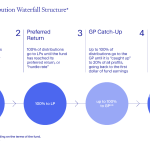 What is a Waterfall in Private Equity?
How Does the Waterfall Valuation Method Work?
The Waterfall Valuation Method operates by following a sequential distribution process. First, the initial capital invested by stakeholders is returned. Then, any agreed-upon preferred returns or interest payments are distributed. Finally, the remaining profits are shared among stakeholders based on their ownership percentages or contractual agreements. This method ensures fairness and transparency in profit distribution.
Key Components of the Waterfall Valuation Method
The Waterfall Valuation Method consists of several key components:
1. Return of Capital: Repaying the initial investment to stakeholders.
2. Preferred Returns: Distributing a fixed return to priority stakeholders.
3. Catch-Up Provisions: Allowing certain stakeholders to catch up to their agreed share of profits.
4. Profit Sharing: Dividing the remaining profits among stakeholders based on their ownership or contractual terms.
 What is the Typical Structure of a Vc Fund?
Applications of the Waterfall Valuation Method
The Waterfall Valuation Method is widely used in industries such as:
- Private Equity: To distribute returns to limited partners and general partners.
- Real Estate: To allocate profits among investors and developers.
- Venture Capital: To ensure founders and investors receive their share of returns in a structured manner.
Advantages of the Waterfall Valuation Method
The Waterfall Valuation Method offers several benefits:
- Transparency: Clearly defines the order of profit distribution.
- Fairness: Ensures priority stakeholders are compensated first.
- Flexibility: Can be customized to meet the needs of different investment structures.
 Should I Quit Venture Capital to Join Real Estate Private Equity =37253896
Challenges of the Waterfall Valuation Method
Despite its advantages, the Waterfall Valuation Method has some challenges:
- Complexity: Requires detailed calculations and agreements.
- Potential Conflicts: May lead to disputes if terms are not clearly defined.
- Time-Consuming: The sequential process can delay profit distribution.
| Component | Description |
|---|---|
| Return of Capital | Repayment of the initial investment amount. |
| Preferred Returns | Fixed returns paid to priority stakeholders. |
| Catch-Up Provisions | Mechanism to ensure certain stakeholders receive their agreed share. |
| Profit Sharing | Distribution of remaining profits based on ownership or agreements. |
Understanding the Waterfall Valuation Method in Detail
The Waterfall Valuation Method is a financial model used to determine how cash flows or profits are distributed among stakeholders in a hierarchical manner. This method is particularly common in private equity, venture capital, and real estate investments, where multiple parties have varying levels of priority in receiving returns. The term "waterfall" refers to the sequential flow of funds, where higher-priority stakeholders receive their share before lower-priority ones. This approach ensures transparency and fairness in distributing returns, especially in complex investment structures.
See AlsoShould I Include My Official Lsat Score on My Resume for Venture Capital Roles1. How Does the Waterfall Valuation Method Work?
The Waterfall Valuation Method operates by following a predefined sequence of distribution tiers. Each tier represents a group of stakeholders with specific rights to cash flows or profits. For example, in a private equity fund, the first tier might include limited partners who receive their initial investment back before any profits are distributed. The second tier could involve general partners receiving a preferred return, and the final tier might allocate remaining profits based on agreed-upon percentages. This sequential process ensures that higher-priority claims are satisfied before moving on to the next tier, creating a clear and structured distribution mechanism.
2. Key Components of the Waterfall Valuation Method
The Waterfall Valuation Method consists of several key components that define its structure and functionality. These include the hurdle rate, which is the minimum return that must be achieved before profits are shared, and the catch-up provision, which allows general partners to receive a larger share of profits once the hurdle rate is met. Additionally, the clawback provision ensures that if general partners receive more than their entitled share, they must return the excess to limited partners. These components work together to create a balanced and equitable distribution system that aligns the interests of all stakeholders.
3. Applications of the Waterfall Valuation Method
The Waterfall Valuation Method is widely used in various industries, particularly in private equity, venture capital, and real estate. In private equity, it helps distribute returns among investors and fund managers based on their level of involvement and risk. In venture capital, it ensures that early-stage investors receive their returns before later-stage investors. In real estate, it is used to allocate profits from property sales or rental income among developers, investors, and lenders. This method is also applicable in structured finance and project finance, where multiple parties have differing claims on cash flows.
4. Advantages of the Waterfall Valuation Method
One of the primary advantages of the Waterfall Valuation Method is its transparency. By clearly defining the order of distribution, it minimizes disputes among stakeholders and ensures that everyone understands their entitlements. Another advantage is its flexibility, as the method can be tailored to suit the specific needs of different investment structures. Additionally, it promotes fairness by prioritizing stakeholders based on their level of risk and contribution. This method also encourages alignment of interests between investors and managers, as both parties benefit from the success of the investment.
5. Challenges and Limitations of the Waterfall Valuation Method
Despite its many benefits, the Waterfall Valuation Method is not without its challenges and limitations. One major challenge is the complexity of setting up the distribution tiers, especially in large and multifaceted investment structures. This complexity can lead to administrative burdens and increased legal costs. Another limitation is the potential for misalignment of interests if the terms of the waterfall are not carefully negotiated. For example, if the hurdle rate is set too low, general partners may receive excessive profits at the expense of limited partners. Additionally, the method may not be suitable for all types of investments, particularly those with highly unpredictable cash flows.
Frequently Asked Questions (FAQs)
What is the Waterfall Valuation Method?
The Waterfall Valuation Method is a financial model used to allocate cash flows or profits among different stakeholders in a hierarchical manner. It is commonly applied in private equity, real estate, and venture capital investments. The method gets its name from the way cash flows cascade down through a series of tiers, similar to a waterfall, ensuring that each stakeholder receives their share according to predefined priorities and agreements.
How does the Waterfall Valuation Method work?
The Waterfall Valuation Method works by distributing cash flows or profits in a sequential order. Typically, the first tier involves repaying initial investments or preferred returns to investors. Once these obligations are met, the remaining funds flow to the next tier, which may include profit-sharing or carried interest for managers or general partners. This process continues until all stakeholders receive their respective shares, ensuring a fair and structured distribution.
What are the key components of the Waterfall Valuation Method?
The Waterfall Valuation Method consists of several key components, including preferred returns, hurdle rates, and carried interest. Preferred returns ensure that investors receive a minimum return on their investment before other stakeholders are paid. Hurdle rates act as benchmarks that must be exceeded before profit-sharing begins. Carried interest represents the share of profits allocated to fund managers or general partners, typically after investors have received their preferred returns.
What are the advantages of using the Waterfall Valuation Method?
The Waterfall Valuation Method offers several advantages, including transparency, fairness, and alignment of interests. By clearly defining the order of cash flow distribution, it ensures that all stakeholders understand their entitlements and priorities. This method also aligns the interests of investors and managers, as both parties benefit from the success of the investment. Additionally, it provides a structured approach to profit-sharing, reducing potential conflicts and disputes.
Leave a Reply
Our Recommended Articles