
How to Make a Sponsorship Proposal

Crafting a compelling sponsorship proposal is a critical step for organizations seeking to secure partnerships that drive mutual growth. In today’s competitive landscape, sponsors are inundated with requests, making it essential to present a clear, tailored, and value-driven pitch. A successful proposal goes beyond outlining what your event or initiative needs—it demonstrates a deep understanding of the sponsor’s goals, aligns their brand with your audience, and articulates measurable benefits. This guide explores the key elements of an effective sponsorship proposal, from research and customization to persuasive storytelling, ensuring your submission stands out and fosters meaningful, long-term collaborations. Master these strategies to turn prospects into committed partners.
How to Craft an Effective Sponsorship Proposal: A Step-by-Step Guide
Understanding the Sponsor’s Goals and Audience
To create a compelling sponsorship proposal, start by researching the sponsor’s objectives and target audience. Align your event or project’s mission with their brand values, ensuring mutual benefits. Use data like demographics, past sponsorships, or marketing strategies to demonstrate how your proposal meets their needs.
See AlsoHow to Get Sponsors for a Team| Key Action | Purpose |
| Identify sponsor’s priorities | Tailor the proposal to their interests |
| Analyze audience overlap | Show alignment for higher engagement |
| Highlight shared values | Build trust and relevance |
Structuring Your Proposal with Clear Sections
Organize your proposal into defined sections for clarity. Include an executive summary, sponsorship tiers, benefits, and a call to action. Use headings and bullet points to make it scannable, ensuring sponsors quickly grasp the value.
| Section | Description |
| Executive Summary | Brief overview of the opportunity |
| Sponsorship Packages | Detailed tiers and pricing |
| ROI Metrics | Measurable benefits for the sponsor |
Highlighting Mutual Benefits and ROI
Sponsors seek tangible returns. Emphasize brand visibility, audience reach, and engagement metrics (e.g., social media impressions, attendee numbers). Use case studies or past successes to reinforce credibility.
See AlsoHow to Buy Stake in a Company| Benefit Type | Examples |
| Brand Exposure | Logo placement, mentions in promotions |
| Audience Access | Direct interaction with attendees |
| Data Insights | Post-event analytics reports |
Including Compelling Visuals and Supporting Data
Use high-quality visuals like infographics, charts, or images to illustrate key points. Include supporting data such as audience demographics, engagement rates, or projected outcomes to strengthen your proposal’s persuasiveness.
| Visual Element | Purpose |
| Infographics | Simplify complex data |
| Event Photos | Showcase past successes |
| Sponsorship Timeline | Clarify key milestones |
Following Up and Negotiating Terms
After submitting the proposal, follow up promptly to address questions. Be prepared to negotiate terms like sponsorship fees, activation timelines, or custom benefits. Maintain flexibility while protecting your project’s needs.
See AlsoStarting an Online Business in NY| Negotiation Focus | Consideration |
| Budget Adjustments | Offer scalable packages |
| Exclusivity Clauses | Limit competing sponsors |
| Deliverable Deadlines | Ensure realistic timelines |
How to write a proposal of sponsorship?
Understanding the Sponsor’s Goals and Alignment
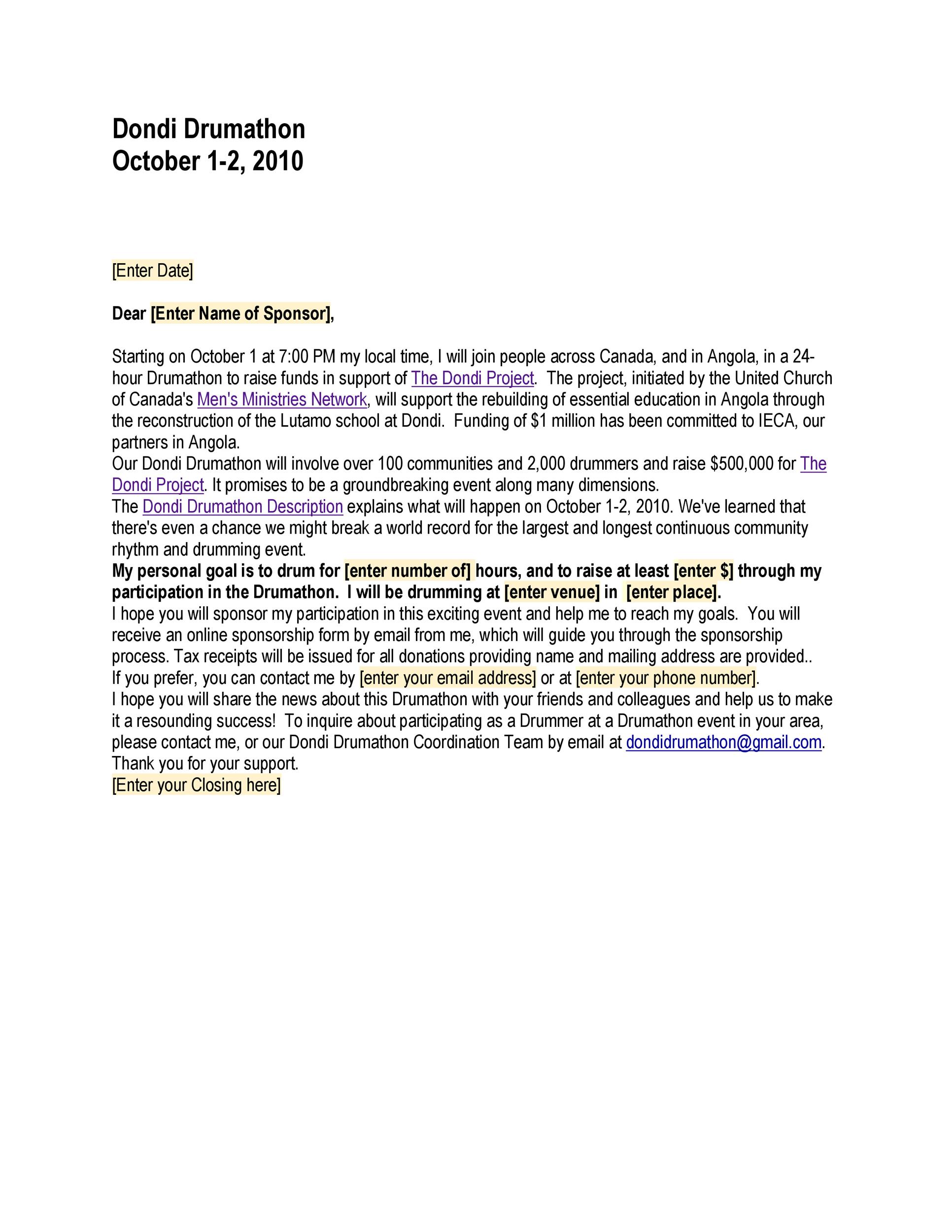
To write an effective sponsorship proposal, start by researching the sponsor’s mission, values, and target audience. Align your project or event’s objectives with their goals to demonstrate mutual benefit. For example, if the sponsor prioritizes community engagement, emphasize how your initiative supports that.
See Also Venture Capital Executive Compensation Survey
- Research the sponsor’s past partnerships and public statements.
- Identify overlapping objectives between your project and their brand.
- Tailor your proposal to highlight shared priorities.
Structuring the Proposal for Clarity and Impact
A well-organized proposal ensures the sponsor can quickly grasp your request. Use a logical flow with sections like an executive summary, event details, sponsorship tiers, and benefits. Avoid jargon and keep language concise.
- Begin with a compelling executive summary outlining the event’s purpose.
- Detail the scope, audience, and timeline of your project.
- Include visual aids like charts or infographics for key data.
Highlighting Mutual Benefits and Value Propositions
Sponsors seek tangible returns on investment. Clearly outline what they gain, such as brand visibility, audience access, or content opportunities. Quantify benefits where possible (e.g., social media reach).
- Specify exposure metrics (e.g., expected attendance, media coverage).
- Offer customizable sponsorship tiers (e.g., Platinum, Gold).
- Include exclusive perks like speaking slots or branded merchandise.
Customizing the Proposal to the Sponsor’s Brand
Avoid generic templates. Personalize the proposal by incorporating the sponsor’s branding elements, such as colors or slogans, and referencing their past initiatives.
- Use the sponsor’s brand guidelines for design consistency.
- Mention previous collaborations or shared values.
- Align your event’s tone and messaging with their identity.
Including a Clear Call to Action and Follow-Up Plan
End with a specific request and next steps. Provide deadlines for commitment and outline how you’ll maintain communication post-approval.
- State the exact sponsorship amount or resources needed.
- Set a deadline for response to create urgency.
- Detail a follow-up schedule (e.g., emails, calls).
How do I create a sponsorship plan?
How to Define Your Sponsorship Goals and Audience
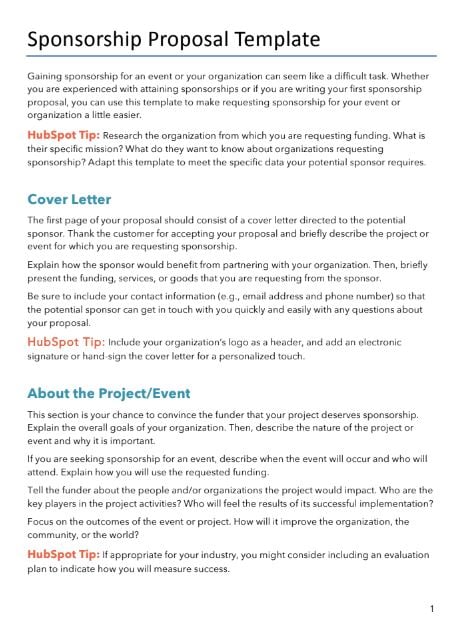
To create an effective sponsorship plan, start by clarifying your objectives and identifying your target audience. Define whether you aim to increase brand visibility, generate revenue, or build long-term partnerships. Analyze your audience demographics, interests, and engagement patterns to align sponsors with their values.
- Set measurable goals: Specify KPIs like reach, revenue, or social media engagement.
- Audience research: Use surveys, analytics, or past event data to profile your audience.
- Align sponsor benefits: Match sponsor expectations to audience interests (e.g., tech brands for a young, tech-savvy crowd).
How to Identify and Research Potential Sponsors
Target sponsors that align with your event, brand, or audience values. Research companies with a history of sponsoring similar initiatives or those looking to enter your market. Prioritize businesses that benefit from exposure to your audience.
- Industry alignment: Focus on sectors relevant to your audience (e.g., fitness brands for a marathon).
- Competitor analysis: Study sponsors of comparable events.
- Local vs. global: Consider regional businesses for community-focused projects.
How to Structure Sponsorship Packages
Design tiered sponsorship packages (e.g., Platinum, Gold, Silver) with customizable benefits to cater to varying budgets. Include tangible perks like logo placement, speaking opportunities, and exclusive access, alongside intangible benefits like brand association.
- Define tiers: Assign pricing and benefits per tier (e.g., Platinum gets prime branding).
- Flexibility: Allow add-ons like branded merchandise or VIP experiences.
- Exclusivity: Offer category exclusivity to premium sponsors.
How to Pitch and Negotiate with Sponsors
Craft a compelling proposal that emphasizes the sponsor’s ROI. Highlight audience reach, engagement metrics, and unique opportunities. Be prepared to negotiate terms like payment schedules or activation requirements.
- Tailor proposals: Address the sponsor’s specific goals (e.g., Your brand will engage 10K+ attendees).
- Showcase past success: Share case studies or testimonials.
- Clarify deliverables: Outline timelines, branding guidelines, and reporting methods.
How to Measure and Report Sponsorship Success
Track performance metrics to demonstrate value to sponsors. Use tools like social media analytics, surveys, or attendance data. Provide post-event reports detailing reach, engagement, and ROI.
- Predefined metrics: Measure against initial KPIs (e.g., impressions, leads generated).
- Real-time updates: Share live engagement stats during events.
- Feedback loop: Gather sponsor input to refine future partnerships.
What does a sponsor proposal look like?
Key Components of a Sponsor Proposal
A sponsor proposal typically includes a clear outline of the event or project, alignment with the sponsor’s brand goals, and measurable benefits. It should address the sponsor’s target audience and provide a structured plan for visibility.
- Executive Summary: A brief overview of the proposal’s purpose and value.
- Audience Demographics: Data on who will engage with the sponsorship.
- Sponsorship Tiers: Tiered packages (e.g., Platinum, Gold) with varying benefits.
Structure of a Winning Sponsor Proposal
A well-organized proposal uses sections to guide the reader logically, from introduction to call-to-action. Clarity and professionalism ensure the sponsor understands the opportunity.
- Cover Page: Branding, event name, and contact details.
- Objectives: Clear goals tied to the sponsor’s mission.
- Budget Breakdown: Transparent allocation of funds and ROI expectations.
Design Elements That Enhance a Sponsor Proposal
Visual appeal and readability are critical. Use branded colors, infographics, and white space to highlight key points without overwhelming the reader.
- Brand Consistency: Align visuals with the sponsor’s logo and style.
- Data Visualization: Charts or graphs to showcase audience reach.
- Callouts: Boxes or icons to emphasize benefits like social media exposure.
Common Mistakes to Avoid in Sponsor Proposals
Avoid vague language, unrealistic promises, or neglecting the sponsor’s unique needs. Tailoring the proposal is essential.
- Generic Content: Failing to customize for the sponsor’s industry.
- Overcomplication: Excessive jargon or unclear metrics.
- Ignoring Follow-Up: Not outlining next steps or post-event reports.
How to Tailor a Sponsor Proposal to Different Industries
Research the sponsor’s market, competitors, and audience preferences to create relevant offers. Highlight industry-specific opportunities.
- Tech Sponsors: Focus on innovation and digital engagement.
- Nonprofits: Emphasize community impact and CSR alignment.
- Retail Brands: Offer product sampling or in-store promotions.
Frequently Asked Questions (FAQs)
What Are the Key Elements to Include in a Sponsorship Proposal?
A compelling sponsorship proposal should clearly outline your organization’s mission, the event or initiative requiring support, and the specific benefits for the sponsor. Start with an executive summary that highlights your goals and why the partnership matters. Include audience demographics to demonstrate reach, sponsorship tiers with investment levels, and measurable outcomes like brand visibility or engagement metrics. Always add a call to action with deadlines and contact details to encourage prompt responses.
How Do I Tailor a Sponsorship Proposal for Different Sponsors?
Research the sponsor’s values, target audience, and past partnerships to align your proposal with their goals. Customize the benefits section to address their unique priorities, such as CSR objectives or market expansion. Use data-driven insights to show how their investment will yield ROI, and emphasize exclusive opportunities tailored to their brand identity. Personalizing the proposal builds credibility and increases the likelihood of acceptance.
What Is the Best Way to Highlight the Value Proposition in a Sponsorship Proposal?
Focus on clear, quantifiable benefits such as logo placement, social media mentions, or access to niche audiences. Use case studies or testimonials from past sponsors to validate your claims. Highlight unique selling points, like event exclusivity or community impact, and frame the partnership as a mutually beneficial collaboration. Avoid vague language—sponsors prioritize concrete returns on their investment.
How Can I Avoid Common Mistakes When Creating a Sponsorship Proposal?
Steer clear of overly generic content by avoiding one-size-fits-all templates. Ensure your proposal is free of jargon and easy to skim with headings, bullet points, and visuals. Double-check for inaccurate data or unrealistic promises, as these damage trust. Always include a detailed budget breakdown and clarify how funds will be used. Lastly, proofread rigorously to eliminate typos or formatting errors that undermine professionalism.
Leave a Reply
Our Recommended Articles