
How to Dissolve an LLC in Maryland

Dissolving a Limited Liability Company (LLC) in Maryland involves a structured legal process to ensure compliance with state regulations and avoid future liabilities. Whether closing due to business restructuring, financial challenges, or other reasons, properly winding down operations is critical. Key steps include obtaining member approval, settling outstanding debts, filing Articles of Dissolution with the Maryland Department of Assessments and Taxation, and addressing tax obligations at both state and federal levels. Additionally, notifying creditors, distributing remaining assets, and maintaining records are essential to finalize the dissolution. This guide outlines the necessary procedures to legally dissolve an LLC in Maryland, helping business owners navigate the process efficiently and mitigate potential risks.
How to Dissolve an LLC in Maryland: A Step-by-Step Guide
1. Understanding the Legal Requirements for Dissolution
To dissolve an LLC in Maryland, you must follow state-specific legal procedures. First, review the LLC’s operating agreement for dissolution clauses, such as member voting requirements. If no agreement exists, Maryland law requires majority approval from members. Next, ensure all tax obligations and debts are settled. File Articles of Dissolution with the Maryland Department of Assessments and Taxation (SDAT) to formally terminate the LLC’s existence. Failure to comply may result in penalties or lingering liabilities.
See AlsoHow to Dissolve an LLC in CT| Key Requirement | Details |
| Operating Agreement | Follow dissolution procedures outlined in the agreement. |
| Member Approval | Majority vote required if no agreement exists. |
| Tax Compliance | Clear all state and federal taxes before filing. |
2. Filing Articles of Dissolution with the SDAT
The Articles of Dissolution (Form LLC-7) must be submitted to the SDAT. This document includes the LLC’s name, dissolution date, and a statement confirming debt settlement and asset distribution. File online, by mail, or in person with a $100 filing fee. Processing typically takes 4-6 weeks. Once approved, the LLC is legally dissolved and no longer required to file annual reports.
| Document | Form LLC-7 |
| Filing Fee | $100 |
| Processing Time | 4-6 weeks |
3. Settling Tax Obligations and Closing Accounts
Before dissolution, file final tax returns with the Maryland Comptroller and IRS. Pay any outstanding sales tax, income tax, or employment taxes. Request a Tax Clearance Certificate to confirm compliance. Close federal and state tax accounts, including EINs, to avoid future liabilities.
See AlsoHow to Dissolve an LLC in Indiana| Tax Type | Action Required |
| Sales Tax | File final return and settle dues. |
| Income Tax | Submit final federal/state returns. |
| Employment Tax | Pay payroll taxes and file Form 941. |
4. Notifying Creditors and Distributing Assets
LLCs must notify creditors of dissolution and settle outstanding debts. Distribute remaining assets to members as per the operating agreement or Maryland’s default allocation rules. Document all transactions to prevent disputes. Creditors typically have 120 days to submit claims after dissolution.
| Step | Details |
| Creditor Notification | Send written notice via certified mail. |
| Asset Distribution | Follow operating agreement or state law. |
| Claims Deadline | 120 days post-dissolution. |
5. Maintaining Records Post-Dissolution
Maryland requires dissolved LLCs to retain business records for 3 years, including tax filings, dissolution documents, and financial statements. This ensures compliance with potential audits or legal inquiries. Store records securely and inform members of their accessibility.
See AlsoHow to Dissolve an LLC in Alabama| Record Type | Retention Period |
| Tax Documents | 7 years (federal recommendation) |
| Dissolution Filings | 3 years (Maryland requirement) |
| Financial Statements | 3 years |
How much does it cost to dissolve an LLC in Maryland?

Filing Fees for Dissolving an LLC in Maryland
The primary cost to dissolve an LLC in Maryland is the state filing fee for submitting the Articles of Cancellation. This document officially terminates the LLC’s existence.
- Articles of Cancellation filing fee: $100 (required for processing by the Maryland Department of Assessments and Taxation).
- Expedited processing: Additional $50 for same-day service or $20 for 2-hour expedited service (optional).
- Certificate of Status: $20 may be required if the LLC needs proof of good standing before dissolution.
Outstanding Taxes and Compliance Costs
Before dissolving, Maryland requires LLCs to settle outstanding taxes and file final returns. Failure to do so may result in penalties.
- State taxes: Settle unpaid income, sales, or franchise taxes with the Maryland Comptroller’s Office (costs vary based on liabilities).
- Annual report fees: Ensure all annual reports are filed ($300 per report if overdue).
- Penalties: Late fees or interest may apply for unresolved taxes or reports.
Legal and Professional Service Fees
Hiring an attorney or business service provider can add to the dissolution costs but ensures compliance.
- Attorney fees: $500–$1,500+ for legal guidance on dissolution steps and documentation.
- Registered agent fees: Final payment if your LLC used a registered agent service (prices vary).
- Third-party filing services: $200–$500 to handle dissolution paperwork on your behalf.
Additional Administrative Costs
Dissolving an LLC may involve miscellaneous administrative expenses.
- Notifying creditors: Costs for mailing dissolution notices or publishing announcements (if required).
- Bank account closure: Potential fees from financial institutions for closing business accounts.
- Record retention: Expenses for storing business records post-dissolution (e.g., cloud storage or physical storage).
Reinstatement vs. Dissolution Costs
Choosing dissolution over reinstatement can save long-term costs but requires upfront fees.
- Reinstatement fees: $300+ if the LLC is forfeited and later revived (dissolution avoids this).
- Ongoing compliance costs: Dissolution eliminates future annual report fees ($300/year) and taxes.
- Future liabilities: Proper dissolution limits exposure to lawsuits or debts post-closure.
How do I close down an LLC in Maryland?

Steps to Officially Dissolve Your Maryland LLC
To formally close your Maryland LLC, you must follow state-mandated procedures. Begin by filing Articles of Dissolution with the Maryland Department of Assessments and Taxation (SDAT). Ensure all taxes, fees, and annual reports are up to date before submission.
- File Articles of Dissolution: Submit Form DLLC-7 (for voluntary dissolution) online or by mail with the SDAT, along with the $100 filing fee.
- Resolve Tax Obligations: Settle outstanding state taxes, including sales tax and payroll tax, and file final tax returns with the Comptroller of Maryland.
- Cancel Licenses and Permits: Notify relevant agencies to terminate business licenses, permits, or registrations tied to your LLC.
Handling Debts and Liabilities Before Closure
Before dissolving your LLC, settle all debts and legal obligations to avoid personal liability. Maryland law requires LLCs to notify creditors and resolve claims during the dissolution process.
- Notify Creditors: Send written notices to all known creditors, providing a deadline for submitting claims.
- Pay Outstanding Debts: Use remaining LLC assets to clear debts, or negotiate settlements if funds are insufficient.
- Distribute Remaining Assets: After debts are paid, distribute leftover assets to members according to the LLC operating agreement.
Tax Requirements for Closing a Maryland LLC
Maryland requires LLCs to fulfill all state and federal tax obligations before dissolution. Failure to do so may result in penalties or legal complications.
- File Final Tax Returns: Submit a final income tax return to the IRS (Form 1065 or 1120-S) and Maryland Comptroller (Form 510 or 510D).
- Close EIN Account: Notify the IRS in writing to close your Employer Identification Number (EIN), though the number itself remains permanently assigned.
- Settle Unemployment Taxes: If applicable, file final unemployment tax reports and settle liabilities with the Maryland Department of Labor.
Notifying Employees, Clients, and Partners
Proper communication ensures a smooth closure and minimizes legal risks. Inform stakeholders promptly and document all notifications.
- Terminate Employee Contracts: Provide required notices under federal (WARN Act) and Maryland labor laws, including final paychecks.
- Notify Clients and Vendors: Send formal closure announcements and settle any pending contracts or subscriptions.
- Update Public Records: Remove or update business listings on websites, directories, and social media platforms.
Maintaining Records After LLC Dissolution
Maryland law requires LLCs to retain business records for at least three years after dissolution. Proper documentation protects against future disputes.
- Store Tax Documents: Keep final tax returns, dissolution filings, and receipts for debt settlements.
- Preserve Legal Agreements: Archive operating agreements, contracts, and creditor notifications.
- Retain Dissolution Proof: Save copies of the filed Articles of Dissolution and SDAT confirmation.
How do I officially close an LLC?
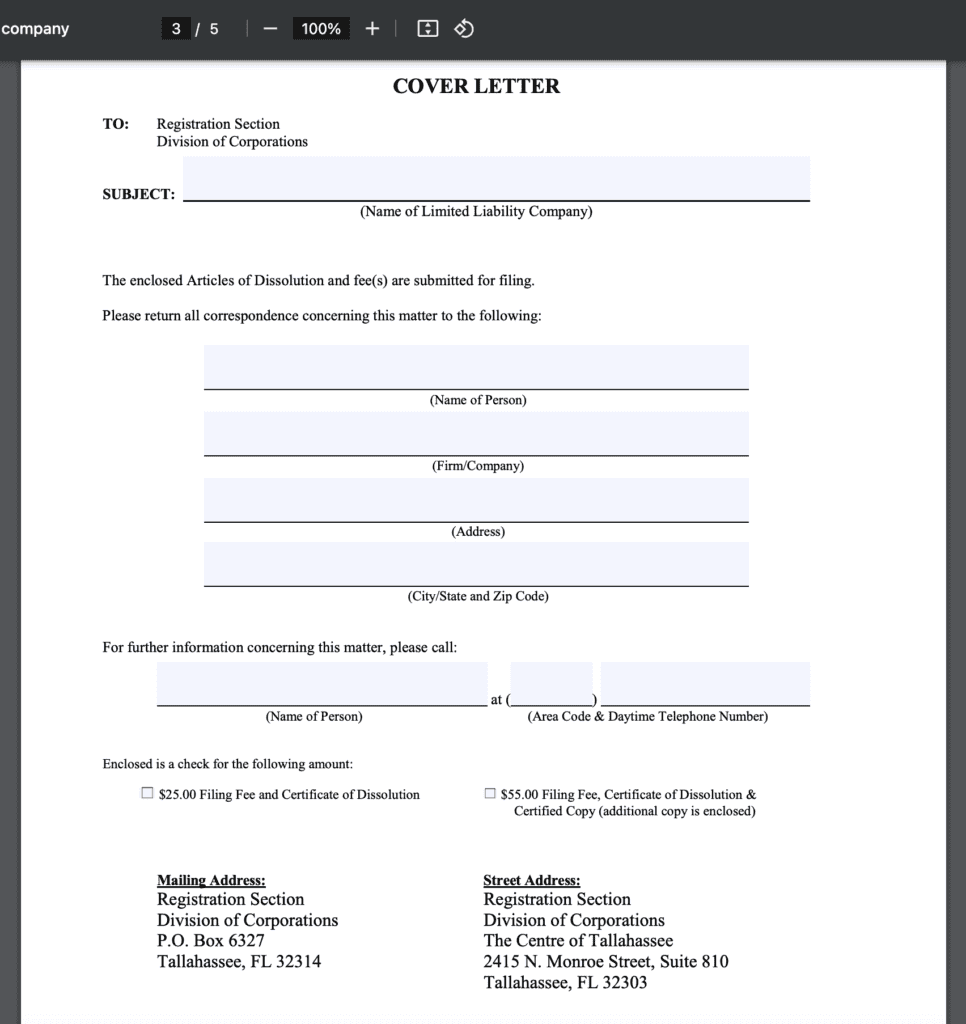
How to Officially Close an LLC: Step-by-Step Process
To officially close an LLC, follow a structured process to ensure compliance with legal and tax requirements. Begin by voting to dissolve the LLC per the operating agreement, then file dissolution documents with the state. Key steps include settling debts, notifying stakeholders, and filing final tax returns.
- Review the operating agreement for dissolution procedures and member voting requirements.
- File Articles of Dissolution (or Certificate of Termination) with the state agency, often the Secretary of State.
- Notify creditors, settle debts, and distribute remaining assets to members.
- Cancel licenses, permits, and tax IDs to avoid future liabilities.
- File final federal, state, and local tax returns, marking them as final.
Filing Articles of Dissolution
The Articles of Dissolution formally terminate the LLC’s legal existence. Requirements vary by state, but generally involve submitting a form and paying a fee.
- Check state-specific forms (e.g., Certificate of Termination in Texas).
- Include details like LLC name, dissolution date, and member approval.
- Submit the form to the Secretary of State office, either online or by mail.
Settling Debts and Liabilities
Before dissolving, settle all outstanding debts to avoid personal liability or legal disputes.
- Notify creditors in writing and pay off obligations.
- Liquidate assets to cover debts if necessary.
- Keep records of payments for future reference.
Tax Compliance and Final Filings
Tax clearance is critical to avoid penalties. File final returns and close tax accounts.
- File final federal tax return with IRS Form 966 if applicable.
- Submit state and local tax returns, including sales tax or franchise tax.
- Close EIN with the IRS and cancel state tax accounts.
Notifying Stakeholders and Government Agencies
Inform all relevant parties, including employees, clients, and agencies, about the LLC’s closure.
- Notify employees and settle final wages or benefits.
- Inform clients and vendors to cease operations formally.
- Cancel business licenses and permits with local authorities.
What are the cons of dissolving an LLC?

Potential Tax Implications
Dissolving an LLC may trigger unexpected tax liabilities or complicate ongoing tax obligations. Depending on the jurisdiction, the LLC might need to file a final tax return, settle outstanding taxes, or address penalties for incomplete filings.
- Unpaid taxes or penalties may surface during dissolution audits.
- Members could face capital gains taxes if assets are sold during liquidation.
- Failure to properly close tax accounts may result in continued tax filings or fines.
Loss of Liability Protection
Once an LLC is dissolved, its members lose the legal separation between personal and business liabilities. This exposes personal assets to lawsuits or creditor claims related to unresolved business matters.
- Creditors may pursue members personally for unpaid business debts.
- Existing lawsuits against the LLC could target members’ personal finances post-dissolution.
- Failure to notify creditors during dissolution may invalidate liability protections.
Unresolved Debts and Obligations
Dissolving an LLC does not automatically erase outstanding debts. Members remain responsible for settling obligations, which can lead to financial strain or legal disputes.
- Unpaid loans or vendor invoices may require personal repayment.
- Lease agreements or contracts might still bind members post-dissolution.
- Creditors can challenge the dissolution if debts are not properly addressed.
Administrative and Legal Complexity
The dissolution process involves time-consuming paperwork, regulatory compliance, and potential legal fees. Missing steps can result in penalties or prolonged obligations.
- State-specific requirements, like publishing dissolution notices, add administrative burdens.
- Filing fees and legal costs may accumulate during the process.
- Improper dissolution may leave the LLC active on state records, incurring future fees.
Impact on Business Reputation and Relationships
Dissolving an LLC can harm professional relationships and credibility, especially if clients or partners perceive instability.
- Vendors or clients may lose trust, affecting future ventures.
- Credit scores linked to the LLC could suffer, complicating future financing.
- Rebranding or restarting a similar business might face skepticism due to prior dissolution.
Frequently Asked Questions About LLCs (FAQs)
What are the steps to dissolve an LLC in Maryland?
To dissolve an LLC in Maryland, you must follow a formal process. First, the LLC members must approve the dissolution, typically through a vote as outlined in the operating agreement. Next, file Articles of Dissolution with the Maryland Department of Assessments and Taxation (SDAT), either online or by mail. Ensure all state taxes, fees, and annual reports are up to date before filing. Afterward, notify creditors, settle outstanding debts, and distribute remaining assets to members. Finally, file a Final Tax Return with the Maryland Comptroller and close federal tax accounts with the IRS.
Is a Certificate of Good Standing required to dissolve an LLC in Maryland?
While Maryland does not explicitly require a Certificate of Good Standing to dissolve an LLC, the state mandates that all taxes, penalties, and fees must be paid before dissolution. The SDAT may request proof of compliance during the dissolution process. If your LLC has unresolved obligations, obtaining a Certificate of Good Standing can confirm that your business is in good standing and eligible for dissolution.
How long does it take to dissolve an LLC in Maryland?
The timeline to dissolve an LLC in Maryland depends on several factors. Processing Articles of Dissolution typically takes 7–10 business days if filed online, or longer by mail. Delays may occur if there are unpaid taxes, pending lawsuits, or unresolved creditor claims. To expedite the process, ensure all financial and legal obligations are settled before submitting dissolution documents.
What happens to remaining assets after dissolving an LLC in Maryland?
After settling debts and liabilities, remaining assets of the LLC must be distributed to members according to their ownership percentages or the terms of the operating agreement. Maryland law requires that distributions comply with state dissolution guidelines. Failure to properly allocate assets or address creditor claims could result in personal liability for members, so thorough documentation of all transactions is critical.
Leave a Reply
Our Recommended Articles