
North Carolina LLC Operating Agreement

When forming a limited liability company (LLC) in North Carolina, drafting a comprehensive Operating Agreement is a critical step to establish clarity and structure for your business. Although the state does not legally require an LLC to have this document, it serves as the foundational framework outlining ownership, management, profit distribution, and operational procedures. A well-crafted North Carolina LLC Operating Agreement helps prevent disputes among members by defining roles, responsibilities, and decision-making processes. It also reinforces the LLC’s limited liability protection, safeguarding personal assets from business liabilities. Customizable to fit the unique needs of your company, this agreement ensures compliance with state regulations while providing flexibility to adapt as your business evolves.
- Understanding the North Carolina LLC Operating Agreement
-
Does NC require an operating agreement for LLC?
- Is an Operating Agreement Legally Required for LLCs in North Carolina?
- Benefits of Creating an Operating Agreement for an NC LLC
- Risks of Not Having an Operating Agreement in North Carolina
- How to Draft an Operating Agreement for an NC LLC
- Key Components of a Strong North Carolina LLC Operating Agreement
- Does an LLC always have an operating agreement?
- What are the pitfalls of an LLC operating agreement?
- Frequently Asked Questions About LLCs (FAQs)
Understanding the North Carolina LLC Operating Agreement
A North Carolina LLC Operating Agreement is a legally binding document that outlines the ownership structure, management rules, and operational procedures for a limited liability company (LLC) in North Carolina. While the state does not legally require LLCs to have an operating agreement, drafting one is critical for defining member roles, profit-sharing arrangements, and dispute-resolution processes. This agreement ensures compliance with state laws, protects members' limited liability status, and provides clarity during decision-making. Without it, North Carolina’s default LLC statutes govern the business, which may not align with the members' intentions.
See AlsoIowa LLC Operating AgreementKey Components of a North Carolina LLC Operating Agreement
A well-drafted operating agreement for a North Carolina LLC should include essential clauses such as membership interests, management structure (member-managed vs. manager-managed), voting rights, profit/loss distribution, and procedures for adding/removing members. It should also address dissolution terms, buyout rules, and conflict resolution methods. Including taxation provisions (e.g., pass-through taxation) and compliance requirements ensures alignment with state and federal regulations.
| Component | Description |
|---|---|
| Membership Interests | Defines ownership percentages and capital contributions. |
| Management Structure | Specifies whether members or managers oversee operations. |
| Voting Rights | Outlines decision-making authority and voting thresholds. |
| Profit Distribution | Details how profits/losses are allocated among members. |
| Dissolution Terms | Explains conditions for dissolving the LLC. |
Legal Requirements for a North Carolina LLC Operating Agreement
North Carolina does not mandate filing the operating agreement with the state, but it must adhere to Chapter 57D of the NC Limited Liability Company Act. The agreement should be signed by all members and include provisions that do not violate state law. For example, it cannot eliminate fiduciary duties or restrict members’ rights to access company records.
See AlsoNJ LLC Operating Agreement| Requirement | Details |
|---|---|
| Member Consent | All members must agree to the terms. |
| State Compliance | Must follow NC LLC statutes. |
| Signature | Requires signatures of all initial members. |
Drafting a North Carolina LLC Operating Agreement
When drafting the agreement, members should consult a business attorney to ensure legal accuracy. The document should clearly define roles, financial obligations, and operational protocols. Customizing the agreement to address the LLC’s unique needs—such as industry-specific regulations or succession planning—is crucial. Templates can serve as a starting point but may lack necessary specificity.
| Step | Consideration |
|---|---|
| Define Management | Choose member-managed or manager-managed structure. |
| Financial Terms | Outline capital contributions and profit splits. |
| Dispute Resolution | Include mediation or arbitration clauses. |
Member Roles and Responsibilities in a North Carolina LLC
Members in a North Carolina LLC can act as managers or passive investors, depending on the operating agreement. Manager-managed LLCs delegate daily operations to appointed managers, while member-managed LLCs involve all members in decisions. The agreement should specify voting power, fiduciary duties, and procedures for resignations or expulsions.
See AlsoWyoming LLC Operating Agreement| Role | Responsibilities |
|---|---|
| Managing Member | Oversees operations and financial decisions. |
| Passive Member | Invests capital but has no managerial authority. |
| Voting Rights | Determines influence over major decisions. |
Amending a North Carolina LLC Operating Agreement
Amendments require unanimous or majority member approval, as specified in the original agreement. Common reasons for amendments include adding members, changing profit distributions, or updating management roles. All changes must be documented in writing and signed by members to maintain legal validity.
| Amendment Step | Requirement |
|---|---|
| Proposal | Members submit changes for review. |
| Voting | Approval per agreed-upon threshold. |
| Documentation | Revised agreement signed by members. |
Does NC require an operating agreement for LLC?
Is an Operating Agreement Legally Required for LLCs in North Carolina?
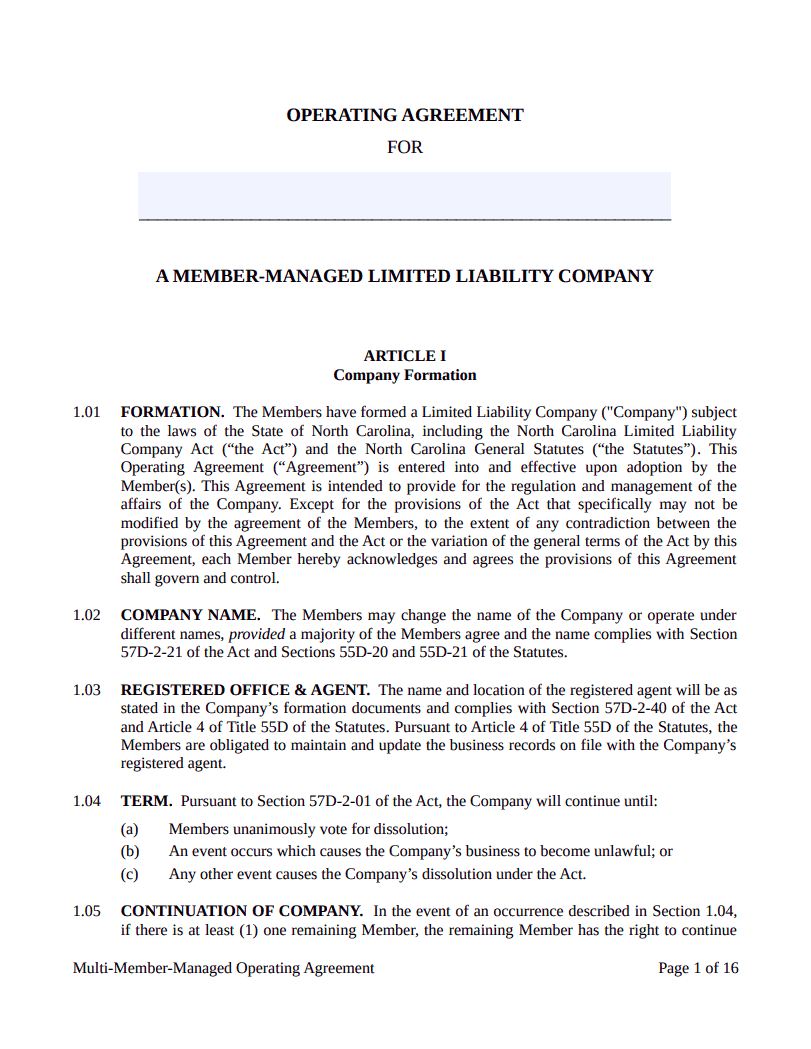
While North Carolina does not legally require LLCs to have an operating agreement, forming one is highly recommended. State law (NC Gen. Stat. § 57D-2-30) allows LLCs to govern their internal operations through an operating agreement, but it is not mandatory for formation. However, without this document:
- Members risk defaulting to state-mandated rules that may not align with their business goals.
- Disputes among members may lack clear resolution mechanisms.
- Third parties, such as banks or investors, may request an agreement for validation.
Benefits of Creating an Operating Agreement for an NC LLC
An operating agreement provides legal and operational clarity for LLC members, even if not required by law. Key advantages include:
- Defining ownership percentages, profit distribution, and management roles.
- Protecting limited liability status by demonstrating corporate formalities.
- Establishing procedures for adding/removing members or dissolving the business.
Risks of Not Having an Operating Agreement in North Carolina
Operating without an agreement exposes an LLC to potential legal and financial vulnerabilities, such as:
- Defaulting to North Carolina’s default LLC rules, which may not suit the business.
- Increased risk of member disputes over decision-making or profit splits.
- Difficulty proving the LLC’s structure in court, jeopardizing liability protections.
How to Draft an Operating Agreement for an NC LLC
Creating an operating agreement involves customizing terms to fit the LLC’s needs. Steps include:
- Outlining management structure (member-managed vs. manager-managed).
- Specifying voting rights and procedures for major decisions.
- Including dissolution clauses and buyout provisions.
Key Components of a Strong North Carolina LLC Operating Agreement
A comprehensive agreement should address critical operational aspects, such as:
- Capital contributions and profit/loss allocation methods.
- Rules for transferring ownership interests.
- Dispute resolution processes, including mediation or arbitration requirements.
Does an LLC always have an operating agreement?
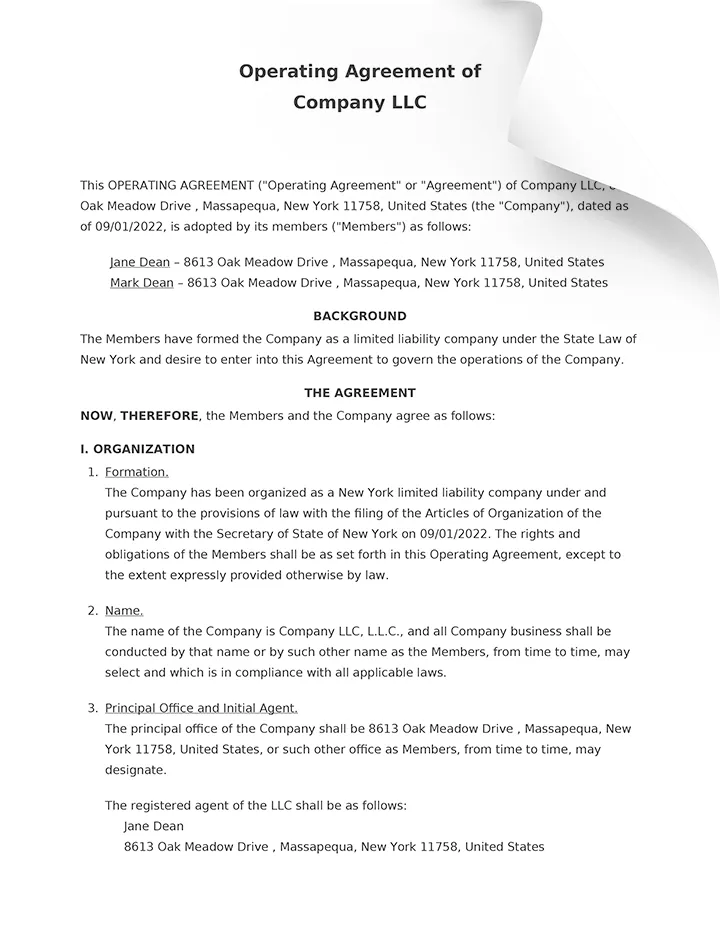
No, an LLC (Limited Liability Company) is not always legally required to have an operating agreement in every state. However, many states strongly recommend creating one to govern internal operations, define member roles, and avoid default state rules. Even in states where it’s not mandatory, an operating agreement provides clarity, protects liability protections, and minimizes disputes.
Is an Operating Agreement Legally Required for an LLC?
While most states do not legally require an LLC to have an operating agreement, some states like California, New York, and Missouri mandate it for formation. Even when optional, this document is critical for:
- Overriding default state laws that may not align with members’ intentions.
- Defining profit-sharing ratios and management structures.
- Strengthening the LLC’s liability protection by proving its legitimacy.
Benefits of Creating an Operating Agreement for Your LLC
An operating agreement provides legal and operational advantages, even if not required:
- Clarifies roles and responsibilities of members/managers.
- Protects limited liability status by separating personal and business assets.
- Prevents conflicts by outlining procedures for disputes, dissolution, or member exits.
What Happens If an LLC Operates Without an Agreement?
Operating without an agreement leaves the LLC vulnerable to:
- State default rules governing decisions like profit splits or voting rights.
- Increased risk of internal disputes due to undefined expectations.
- Potential challenges in proving the LLC’s legitimacy in legal or financial matters.
How to Draft an Operating Agreement for Your LLC
To create an effective operating agreement:
- Outline management structure (member-managed vs. manager-managed).
- Define capital contributions and profit/loss distribution.
- Include provisions for adding/removing members and dissolving the LLC.
Can an Operating Agreement Be Amended Later?
Yes, most operating agreements include amendment clauses to adapt to changes:
- Require a member vote (e.g., majority or unanimous approval).
- Address changes like new members, revised profit splits, or business pivots.
- Ensure amendments comply with the original agreement and state laws.
What are the pitfalls of an LLC operating agreement?
Vague or Incomplete Terms and Definitions
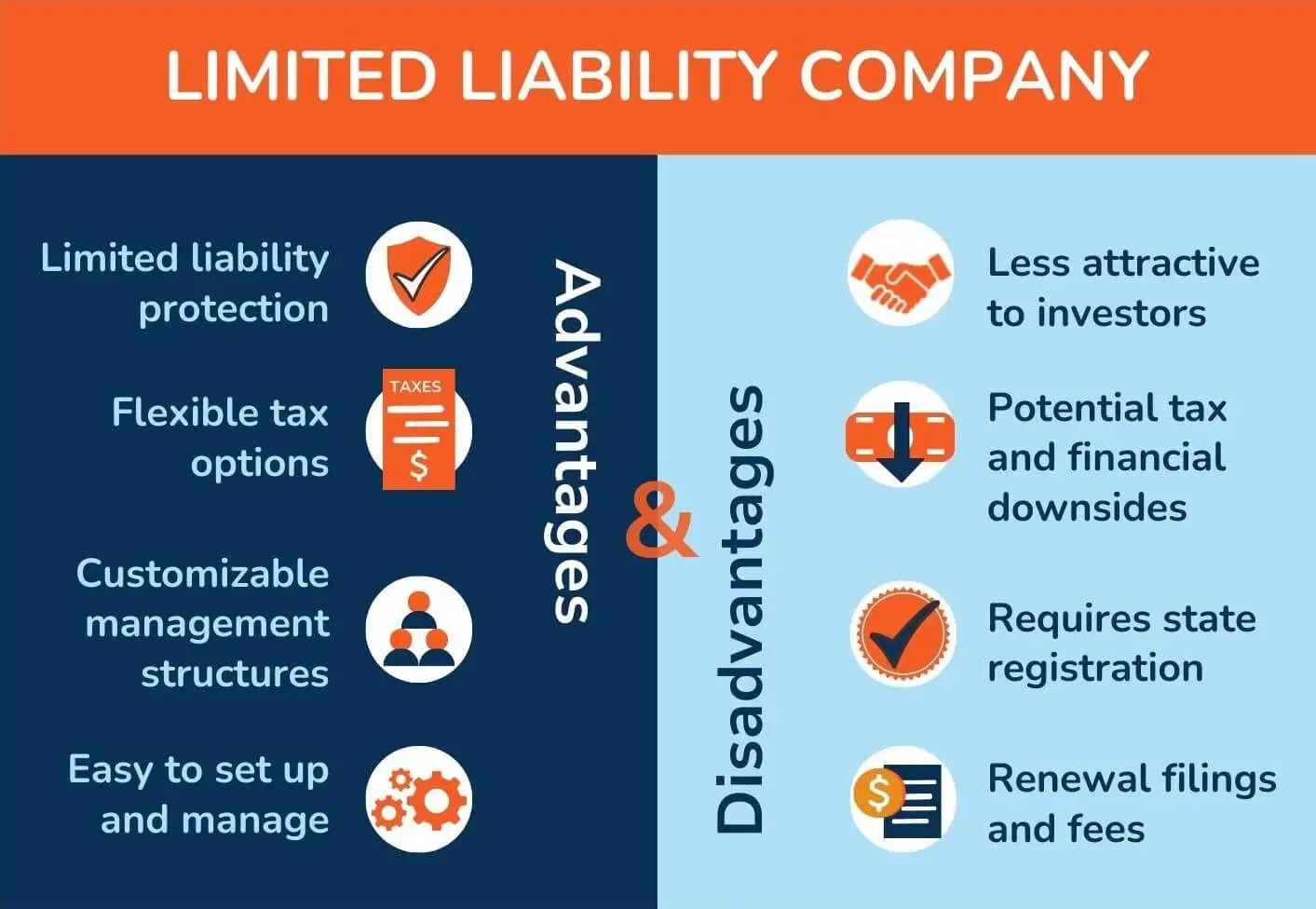
A poorly drafted LLC operating agreement often suffers from ambiguous language or missing critical definitions, leading to disputes among members. For example, unclear profit-sharing terms or undefined decision-making processes can create confusion. Key elements to clarify include:
- Ownership percentages and how they affect voting rights.
- Specific roles and responsibilities of members or managers.
- Procedures for adding or removing members.
Failure to Address Member Roles and Responsibilities
Neglecting to outline member duties can result in overlapping authority or accountability gaps. Without clear guidelines, operational inefficiencies and conflicts may arise. Essential considerations include:
- Defining management structures (member-managed vs. manager-managed).
- Detailing decision-making thresholds for major business actions.
- Establishing protocols for daily operations and long-term strategy.
Inadequate Financial and Distribution Provisions
An operating agreement that lacks specificity around financial obligations or profit distributions risks member dissatisfaction. Ambiguity in capital contributions or tax allocations can lead to legal challenges. Critical areas to cover:
- Capital contribution requirements and timelines.
- Profit/loss distribution formulas and frequency.
- Procedures for handling unexpected expenses or reinvestment.
Lack of Dispute Resolution Mechanisms
Failing to include dispute resolution clauses may escalate conflicts into costly litigation. A robust agreement should outline steps for resolving disagreements amicably. Important components include:
- Mandatory mediation or arbitration processes before litigation.
- Buyout provisions for dissenting members.
- Clear exit strategies for members wishing to leave the LLC.
Non-Compliance with State-Specific Requirements
Ignoring state laws governing LLCs can invalidate parts of the operating agreement or expose the business to penalties. Customizing the document to align with jurisdictional rules is crucial. Key steps include:
- Researching state filing requirements and mandatory clauses.
- Including dissolution procedures compliant with local regulations.
- Updating the agreement regularly to reflect legal changes.
Frequently Asked Questions About LLCs (FAQs)
Is an LLC Operating Agreement legally required in North Carolina?
North Carolina does not legally require LLCs to have an Operating Agreement. However, drafting one is highly recommended to establish clear rules for ownership, management, and operations. Without this document, your LLC defaults to North Carolina’s default state laws, which may not align with your business goals. An Operating Agreement also strengthens your LLC’s credibility with banks, investors, and courts by demonstrating formal governance.
What key provisions should a North Carolina LLC Operating Agreement include?
A well-drafted North Carolina LLC Operating Agreement should outline member ownership percentages, profit/loss distribution, management structure (member-managed vs. manager-managed), voting rights, and procedures for adding/removing members. It should also address dispute resolution, dissolution processes, and rules for amending the agreement. Including tax election details (e.g., partnership vs. corporation) and meeting protocols ensures compliance and operational clarity.
Can a North Carolina LLC Operating Agreement be amended after formation?
Yes, an Operating Agreement in North Carolina can be amended if members follow the modification procedures outlined in the original document. Typically, amendments require a majority or supermajority vote of the members. Changes should be documented in writing, signed by all members, and kept with the LLC’s records. Regular updates are advised to reflect shifts in business strategy, membership, or state law changes.
What happens if a North Carolina LLC operates without an Operating Agreement?
Without an Operating Agreement, your North Carolina LLC will be governed solely by the state’s default LLC laws under Chapter 57D of the NC General Statutes. This may lead to unintended outcomes, such as equal profit distribution regardless of capital contributions or unclear decision-making authority. Disputes among members could become costly and time-consuming to resolve, as there’s no predefined framework for handling conflicts or ownership transitions.
Leave a Reply
Our Recommended Articles