
Wyoming Single Member LLC Operating Agreement

A Wyoming Single Member LLC Operating Agreement is a foundational document outlining the structure, management, and operational guidelines for a single-member limited liability company (LLC) within the state. While Wyoming law does not legally require an operating agreement for LLCs, creating one is strongly recommended to establish clarity, protect personal assets, and reinforce the company’s legitimacy. This agreement defines the member’s rights, profit distribution, decision-making processes, and procedures for dissolution or transfer of ownership. By formalizing these details, the document helps maintain liability protection, ensures compliance with state regulations, and provides a framework for resolving disputes. Tailoring the agreement to the business’s unique needs enhances operational efficiency and legal safeguards.
- Understanding the Wyoming Single Member LLC Operating Agreement
- Does a Wyoming LLC need an operating agreement?
-
How to create an operating agreement for a single-member LLC?
- Understanding the Purpose and Importance of a Single-Member LLC Operating Agreement
- Drafting Key Provisions for a Single-Member LLC Operating Agreement
- Addressing State-Specific Requirements in Your Operating Agreement
- Executing and Maintaining the Operating Agreement Legally
- Consulting Legal and Tax Professionals for Guidance
- Does Wyoming allow single members LLC?
- What are the pitfalls of an LLC operating agreement?
-
Frequently Asked Questions About LLCs (FAQs)
- What is a Wyoming Single Member LLC Operating Agreement?
- Is a Wyoming Single Member LLC Operating Agreement Legally Required?
- What Should Be Included in a Wyoming Single Member LLC Operating Agreement?
- How Does a Wyoming Single Member LLC Operating Agreement Differ from a Multi-Member LLC Agreement?
Understanding the Wyoming Single Member LLC Operating Agreement
A Wyoming Single Member LLC Operating Agreement is a critical legal document that outlines the ownership structure, management procedures, and operational rules for a single-member limited liability company (LLC) in Wyoming. While Wyoming state law does not legally require an LLC to have an operating agreement, creating one is highly recommended to establish clarity, protect personal liability protection, and define the company’s financial and functional decisions. This agreement serves as a binding contract between the sole member and the LLC, detailing rights, responsibilities, profit distribution, and procedures for dissolution or changes. It also reinforces the LLC’s separation from the owner’s personal assets, which is essential for maintaining liability protection.
See AlsoSingle Member LLC Operating Agreement: CaliforniaKey Components of a Wyoming Single Member LLC Operating Agreement
The operating agreement for a Wyoming single-member LLC should include several essential elements. First, it must clearly state the LLC’s name, purpose, and principal place of business. It should outline the member’s ownership interest and capital contributions. Additionally, it defines management structure, specifying whether the LLC is member-managed or manager-managed. Provisions for profit and loss allocation, tax treatment (e.g., pass-through taxation), and dissolution procedures are also critical. Including liability protection clauses ensures the member’s personal assets remain shielded from business debts.
| Component | Description |
| Member Information | Name and contact details of the sole member. |
| Management Structure | Specifies member-managed or manager-managed operations. |
| Capital Contributions | Details initial investments and future funding. |
| Tax Treatment | Clarifies federal/state tax classification. |
| Dissolution Process | Steps to dissolve the LLC legally. |
Legal Requirements for Wyoming Single Member LLCs
Wyoming imposes minimal legal requirements for single-member LLCs. While an operating agreement is not mandated by the state, drafting one is advisable to avoid default rules under the Wyoming Limited Liability Company Act. The LLC must file Articles of Organization with the Wyoming Secretary of State and pay associated fees. The agreement should comply with state laws regarding registered agent requirements and annual reporting obligations. It must also reflect federal tax ID (EIN) details if the LLC hires employees or opens a business bank account.
See AlsoIdaho LLC Operating Agreement| Requirement | Details |
| Articles of Organization | Filed with the Wyoming Secretary of State. |
| Registered Agent | Must have a Wyoming-based agent for legal notices. |
| Annual Report | No annual report required for Wyoming LLCs. |
| Operating Agreement | Optional but recommended for legal protection. |
Benefits of Drafting an Operating Agreement for a Wyoming LLC
A well-drafted operating agreement provides legal credibility, reinforcing the LLC’s status as a separate entity. It prevents Wyoming’s default LLC statutes from governing internal operations, allowing the member to customize rules for profit distribution, decision-making authority, and dispute resolution. Additionally, banks and lenders often require an operating agreement to open business accounts or approve loans. It also serves as evidence of compliance during audits or legal challenges.
| Benefit | Explanation |
| Asset Protection | Strengthens separation between personal and business assets. |
| Customized Governance | Overrides default state rules. |
| Bank Compliance | Required for financial transactions. |
Tax Considerations for Wyoming Single Member LLCs
Wyoming single-member LLCs are typically treated as disregarded entities for federal tax purposes, meaning profits and losses pass through to the member’s personal tax return. However, the operating agreement can specify alternative tax classifications, such as electing S-Corp or C-Corp status by filing IRS Form 8832. The agreement should address self-employment taxes, deductions, and state tax obligations. Wyoming has no state income tax, which simplifies tax reporting for LLCs operating within the state.
See AlsoLLC Operating Agreement: CT| Tax Aspect | Details |
| Pass-Through Taxation | Default federal tax treatment. |
| Election Options | S-Corp or C-Corp via IRS forms. |
| State Tax Benefits | No corporate or personal income tax in Wyoming. |
Amending a Wyoming Single Member LLC Operating Agreement
The sole member holds the authority to amend the operating agreement at any time, provided changes comply with Wyoming law. Amendments should be documented in writing, signed, and kept with the LLC’s records. Common reasons for amendments include adding or removing a manager, altering profit-sharing terms, or updating business objectives. Ensure revisions do not violate the original Articles of Organization or federal regulations.
| Amendment Process | Steps |
| Review Original Agreement | Identify sections requiring changes. |
| Document Revisions | Draft and sign amendment. |
| Update State Filings | If structural changes occur. |
Does a Wyoming LLC need an operating agreement?
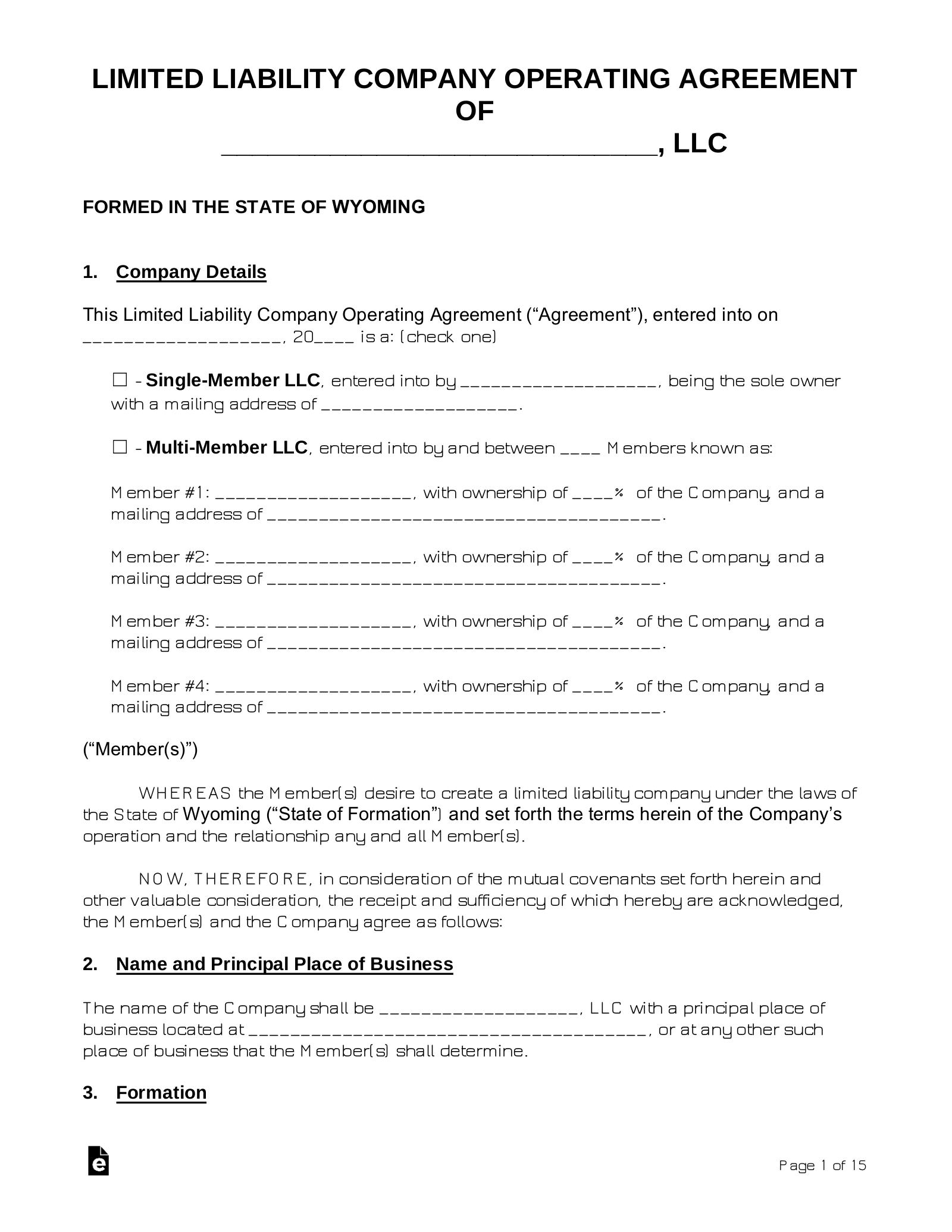
Is an Operating Agreement Legally Required for a Wyoming LLC?
While Wyoming does not legally mandate an LLC operating agreement, it is highly recommended by legal professionals. The state’s LLC Act (Wyoming Statutes Title 17, Chapter 29) allows flexibility in internal governance, but without an operating agreement, default state rules will apply.
- Wyoming law does not require filing the agreement with the state.
- An agreement helps avoid ambiguity in management and ownership disputes.
- It provides a legal framework to override default state provisions.
Benefits of Having an Operating Agreement for a Wyoming LLC
An operating agreement offers legal clarity and customized governance for your LLC. It strengthens your business’s credibility and ensures members’ rights and obligations are clearly defined.
- Protects limited liability status by demonstrating a formal business structure.
- Clarifies profit-sharing ratios and decision-making processes.
- Helps resolve disputes by outlining procedures for member exits or dissolution.
Consequences of Not Having an Operating Agreement in Wyoming
Without an operating agreement, your LLC may face unintended legal outcomes and internal conflicts. Wyoming’s default LLC rules may not align with your business goals.
- State law governs profit distribution equally, regardless of capital contributions.
- Members lose control over management structure (e.g., default to member-managed).
- Increased risk of litigation due to undefined roles and responsibilities.
Key Provisions to Include in a Wyoming LLC Operating Agreement
A well-drafted operating agreement should address critical operational aspects and anticipate future scenarios. Tailor it to your LLC’s unique needs.
- Membership interests and capital contributions.
- Procedures for voting, meetings, and transferring ownership.
- Rules for dissolution and admitting new members.
How to Draft an Operating Agreement for a Wyoming LLC
While templates are available, consulting a business attorney ensures compliance and thoroughness. Wyoming allows oral or written agreements, but written is advisable.
- Use state-specific templates as a starting point.
- Define management roles (member-managed vs. manager-managed).
- Include dispute resolution clauses (e.g., mediation).
How to create an operating agreement for a single-member LLC?
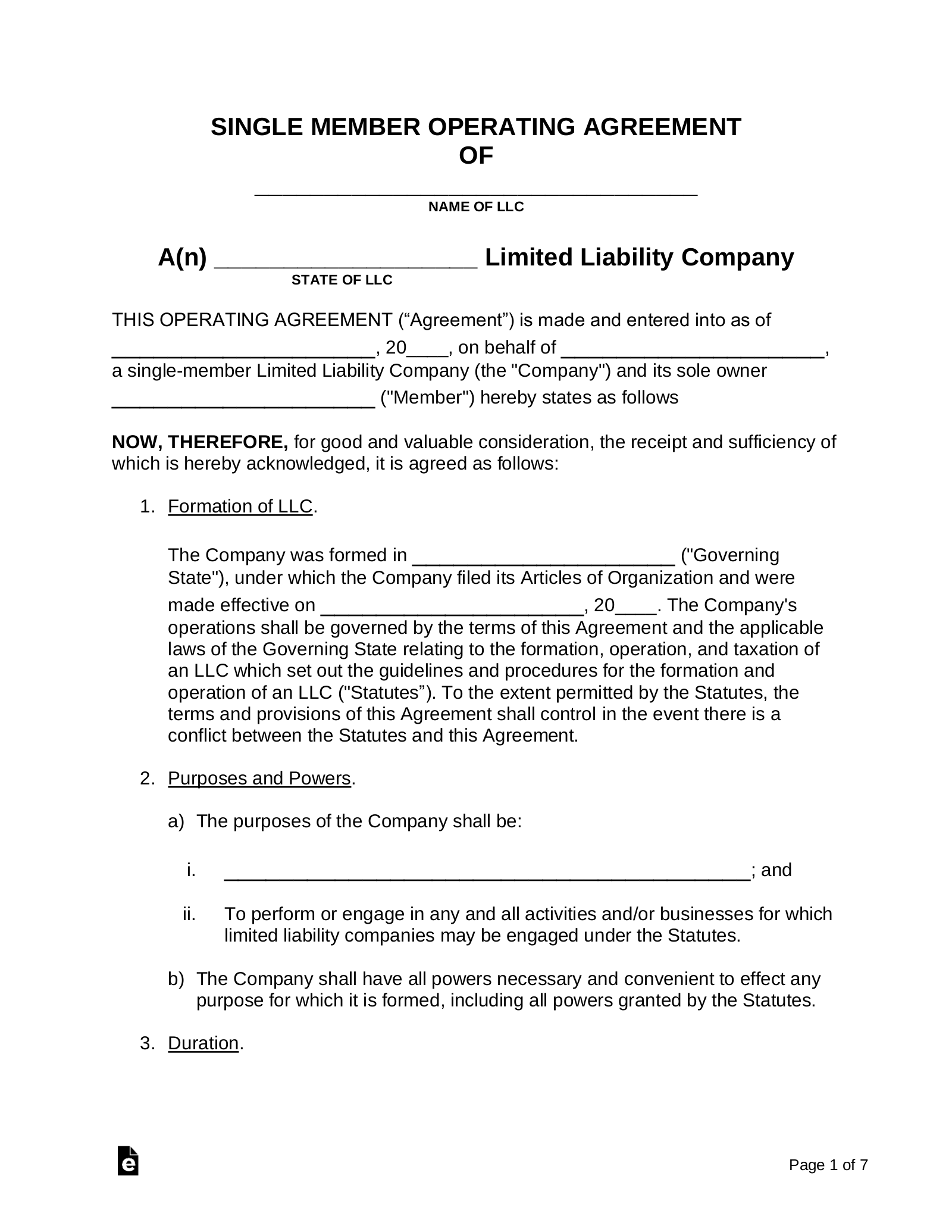
Understanding the Purpose and Importance of a Single-Member LLC Operating Agreement
An operating agreement is a legal document outlining the structure, management, and operational rules of your LLC. Even as a single-member LLC, creating one establishes professionalism, clarifies business processes, and helps protect your limited liability status. It also ensures compliance with state laws, as some states require an operating agreement for LLC formation.
- Define ownership: Clearly state your role as the sole member.
- Separate personal and business assets: Reinforce liability protection.
- Customize business rules: Tailor management and profit distribution terms.
Drafting Key Provisions for a Single-Member LLC Operating Agreement
Include essential clauses to address ownership, management, and dissolution. Specify how decisions are made, profit/loss allocation, and procedures for adding members or dissolving the LLC. Use clear language to avoid ambiguity.
- Management structure: Declare member-managed or manager-managed operations.
- Capital contributions: Detail initial investments and future funding.
- Dissolution terms: Outline steps for winding down the business.
Addressing State-Specific Requirements in Your Operating Agreement
Research your state’s LLC laws to ensure compliance. Some states mandate specific clauses, such as registered agent details or publication requirements. Non-compliance could risk your LLC’s legal standing.
- Registered agent: Name the agent for legal correspondence.
- Filing obligations: Adhere to state reporting or publication rules.
- Governing law: Specify the state jurisdiction for disputes.
Executing and Maintaining the Operating Agreement Legally
Once drafted, sign and date the document, and store it with business records. Periodically review and update it to reflect changes in operations, ownership, or state laws.
- Signatures: Sign in the presence of a notary if required.
- Recordkeeping: Maintain physical and digital copies.
- Updates: Revise after major business changes.
Consulting Legal and Tax Professionals for Guidance
While templates can help, consult an attorney or tax advisor to ensure the agreement aligns with legal standards and tax strategies. They can identify gaps and customize clauses for your needs.
- Legal review: Verify compliance with state and federal laws.
- Tax implications: Optimize profit distribution and deductions.
- Custom clauses: Address unique risks or succession plans.
Does Wyoming allow single members LLC?
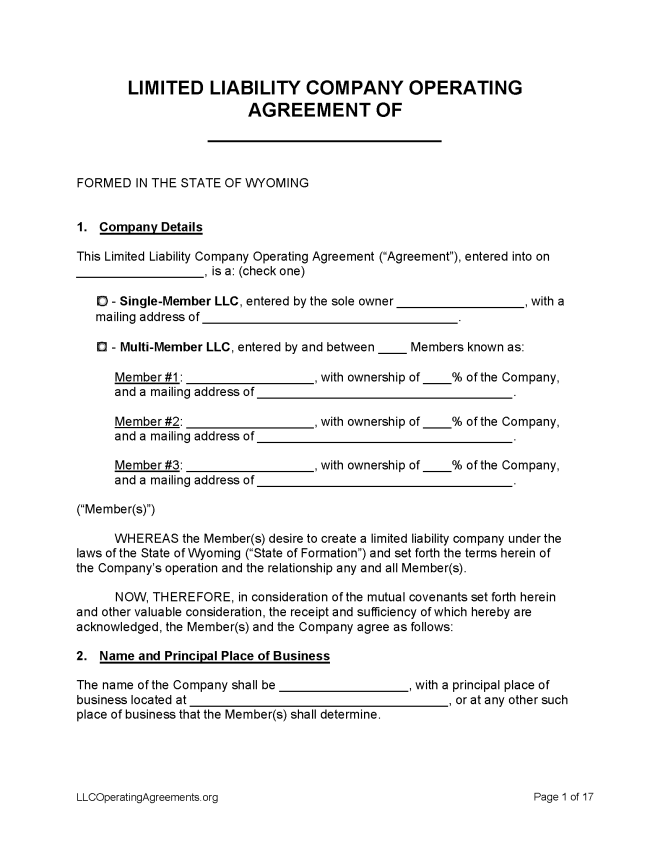
Does Wyoming Allow Single-Member LLCs?
Yes, Wyoming permits the formation of single-member LLCs (Limited Liability Companies). The state’s business-friendly laws do not restrict ownership to multiple members, allowing individuals to establish and manage an LLC independently.
Requirements for Forming a Single-Member LLC in Wyoming
To create a single-member LLC in Wyoming, follow these steps:
- Choose a unique business name that complies with state guidelines (including “LLC” or similar identifiers).
- Appoint a registered agent with a physical address in Wyoming.
- File Articles of Organization with the Wyoming Secretary of State, paying the required fee ($100 as of 2023).
- Draft an operating agreement (not mandatory but recommended to outline business structure and member rights).
Advantages of a Wyoming Single-Member LLC
Wyoming offers significant benefits for single-member LLCs:
- Asset protection: Strong charging order protections shield personal assets from business liabilities.
- Privacy: No requirement to publicly disclose member names in formation documents.
- No state income tax: Wyoming does not levy corporate or personal income taxes on LLCs.
Legal Protections for Single-Member LLC Owners in Wyoming
Wyoming law ensures robust legal safeguards for single-member LLC owners:
- The charging order protection limits creditors to claiming distributions rather than seizing business assets.
- Members are not personally liable for company debts unless proven guilty of fraud or misconduct.
- Clear separation between personal and business assets is upheld in legal disputes.
Tax Implications for Wyoming Single-Member LLCs
Wyoming’s tax structure benefits single-member LLCs in several ways:
- No state corporate or personal income tax: Profits are only taxed federally via the owner’s personal tax return (pass-through taxation).
- No franchise tax: Unlike some states, Wyoming does not impose annual franchise taxes on LLCs.
- Potential sales tax exemptions depending on business activities and location.
Compliance Obligations for Wyoming Single-Member LLCs
Maintaining compliance in Wyoming involves:
- Filing an annual report with a $60 fee (due yearly by the first day of the LLC’s formation month).
- Updating registered agent details if changes occur.
- Renewing business licenses or permits specific to the industry or location.
What are the pitfalls of an LLC operating agreement?
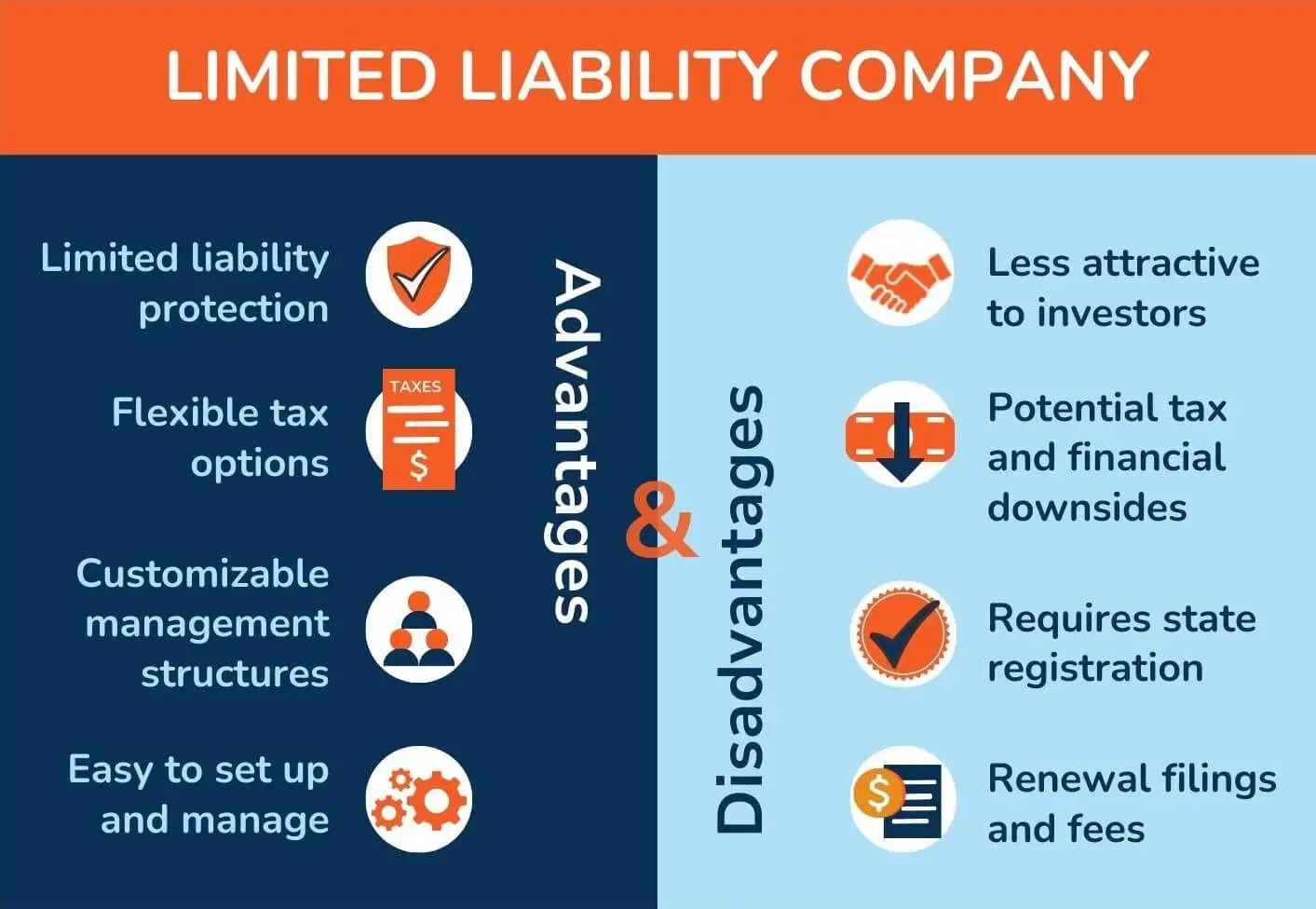
1. Ambiguity in Management Roles and Responsibilities
A poorly drafted LLC operating agreement often fails to clearly define management roles, leading to confusion and disputes. Without explicit guidelines, members may clash over decision-making authority or operational duties, undermining the business’s efficiency.
- Unclear voting rights can stall critical decisions.
- Lack of defined roles may result in overlapping responsibilities.
- Failure to outline procedures for manager removal or replacement creates instability.
2. Inadequate Provisions for Member Exit or Dissolution
Many LLC agreements neglect exit strategies or dissolution terms, leaving members unprepared for resignations, deaths, or disagreements. This oversight can trigger legal battles or financial losses during transitions.
- No buy-sell agreements to manage member departures.
- Unclear valuation methods for member interests.
- Absence of procedures for dissolving the LLC amicably.
3. Overlooking Financial Distribution Rules
Vague language about profit-sharing or capital contributions can lead to inequitable distributions. Members may dispute allocations if the agreement lacks specificity, harming trust and collaboration.
- Failure to detail distribution timelines or percentages.
- No clauses addressing unexpected capital calls.
- Ignoring tax implications of irregular distributions.
4. Noncompliance with State-Specific Requirements
LLC laws vary by state, and generic agreements risk violating local regulations. Overlooking state-specific formalities may invalidate provisions or expose the LLC to penalties.
- Failing to include mandatory clauses (e.g., dissolution triggers).
- Ignoring annual reporting or registration requirements.
- Misaligned management structures with state default rules.
5. Inflexibility in Amendment Procedures
An overly rigid operating agreement can hinder adaptability as the business evolves. Without clear processes for amendments, members may struggle to update terms in response to growth or market changes.
- Unreasonably high voting thresholds to modify the agreement.
- No mechanism to address emerging operational challenges.
- Failure to periodically review and update terms.
Frequently Asked Questions About LLCs (FAQs)
What is a Wyoming Single Member LLC Operating Agreement?
A Wyoming Single Member LLC Operating Agreement is a legally binding document that outlines the ownership structure, management procedures, and operational rules for a single-member Limited Liability Company (LLC) in Wyoming. While Wyoming state law does not legally require an LLC to have an operating agreement, creating one is highly recommended. This agreement establishes the separation between the owner’s personal assets and the LLC’s liabilities, reinforcing the limited liability protection. It also clarifies profit distribution, decision-making authority, and procedures for dissolving the business, ensuring compliance with Wyoming’s business regulations.
Is a Wyoming Single Member LLC Operating Agreement Legally Required?
No, Wyoming law does not mandate that single-member LLCs adopt an operating agreement. However, drafting one is strongly advised to protect the owner’s interests. Without this document, courts may disregard the LLC’s limited liability status in legal disputes, potentially exposing the owner’s personal assets. The agreement also serves as evidence of the business’s legitimacy, which can be critical for opening bank accounts, securing loans, or resolving internal conflicts.
What Should Be Included in a Wyoming Single Member LLC Operating Agreement?
A comprehensive Wyoming Single Member LLC Operating Agreement should include the owner’s name and business address, the LLC’s purpose, capital contributions, profit distribution methods, and management structure. It should also outline procedures for adding or removing members (if applicable), dissolving the LLC, and amending the agreement. Additionally, include clauses addressing Wyoming-specific requirements, such as the registered agent’s details and compliance with state annual reporting obligations.
How Does a Wyoming Single Member LLC Operating Agreement Differ from a Multi-Member LLC Agreement?
The primary difference lies in the decision-making structure. A single-member LLC agreement grants full authority to the sole owner, while a multi-member agreement requires provisions for voting, profit-sharing, and dispute resolution among multiple owners. However, both types of agreements must define the LLC’s operational framework and comply with Wyoming state laws. A single-member agreement often simplifies governance but still needs to maintain formalities to preserve liability protection, such as documenting major business decisions separately.
Leave a Reply
Our Recommended Articles