
LLC Operating Agreement: CT

When forming a limited liability company (LLC) in Connecticut, drafting a comprehensive operating agreement is a critical step to establish clarity and structure for your business. Although Connecticut state law does not legally require an LLC to have an operating agreement, this internal document serves as the foundation for defining member roles, profit-sharing arrangements, management procedures, and dispute resolution protocols. A well-crafted agreement not only helps protect the limited liability status of the business but also ensures operations align with members’ expectations while avoiding default state provisions. This article explores key considerations for creating an effective LLC operating agreement in Connecticut, tailored to comply with state regulations and safeguard long-term success.
- Understanding the Importance of an LLC Operating Agreement in Connecticut
- Does Connecticut require an LLC operating agreement?
-
Can I write my own operating agreement for my LLC?
- Is It Legally Permissible to Draft Your Own LLC Operating Agreement?
- What Are the Benefits of Writing Your Own Operating Agreement?
- What Key Clauses Should Your Operating Agreement Include?
- What Risks Exist When Drafting an Operating Agreement Without Legal Help?
- When Should You Consult an Attorney for Your Operating Agreement?
- Should an LLC have an operating agreement?
- What are the pitfalls of an LLC operating agreement?
- Frequently Asked Questions About LLCs (FAQs)
Understanding the Importance of an LLC Operating Agreement in Connecticut
An LLC Operating Agreement in Connecticut is a critical legal document that outlines the ownership structure, management practices, and operational guidelines for a limited liability company (LLC). While Connecticut does not legally require LLCs to file this agreement, having one in place ensures clarity among members, protects personal liability status, and establishes rules for decision-making, profit distribution, and dispute resolution. Customizing the agreement to address state-specific regulations, such as Connecticut’s annual reporting requirements and tax obligations, helps maintain compliance and avoid conflicts. Without a formal agreement, the LLC defaults to Connecticut’s default statutes, which may not align with the members’ preferences.
See AlsoLLC Operating Agreement: IllinoisKey Components of a Connecticut LLC Operating Agreement
A well-drafted LLC Operating Agreement in Connecticut should include:
- Member roles and responsibilities: Identifies managing members vs. passive investors.
- Capital contributions: Specifies initial investments and future funding obligations.
- Profit and loss allocation: Defines how earnings are distributed.
- Voting rights and procedures: Establishes decision-making protocols.
- Dissolution clauses: Outlines steps for dissolving the LLC.
| Component | Description |
|---|---|
| Management Structure | Member-managed or manager-managed operations |
| Capital Contributions | Details initial investments and ownership percentages |
| Dispute Resolution | Processes for resolving member conflicts |
| Tax Treatment | Electing pass-through taxation or corporate tax status |
Legal Requirements for LLC Operating Agreements in Connecticut
Connecticut law (Title 34 of the Connecticut General Statutes) does not mandate LLCs to file an Operating Agreement, but certain provisions must align with state regulations. For example:
- Oral vs. written agreements: While oral agreements are technically valid, written agreements are strongly recommended.
- Single-member LLCs: Connecticut allows single-member LLCs to adopt Operating Agreements.
- Compliance: The agreement must not violate state laws, such as unlawful business purposes.
| Requirement | Connecticut-Specific Rule |
|---|---|
| Filing Requirement | Not required to be filed with the state |
| Governing Law | Must adhere to Connecticut LLC Act |
| Amendments | Requires member approval as per the agreement |
How to Draft an LLC Operating Agreement in Connecticut
Drafting a Connecticut-specific Operating Agreement involves:
1. Consulting an attorney: Ensures compliance with state laws.
2. Defining membership terms: Includes capital contributions and voting rights.
3. Customizing clauses: Addresses dissolution, buyouts, and dispute resolution.
4. Reviewing and signing: All members must review and sign the document.
| Step | Action |
|---|---|
| Legal Review | Have an attorney verify state compliance |
| Member Approval | Unanimous consent for terms |
| Notarization | Optional but recommended for authenticity |
Amending an Existing LLC Operating Agreement in Connecticut
Amendments to a Connecticut LLC Operating Agreement typically require:
- Member approval: As specified in the original agreement (e.g., majority or unanimous vote).
- Documentation: Updated agreements must reflect changes in writing.
- State compliance: Ensure amendments align with Connecticut’s LLC laws.
| Amendment Trigger | Process |
|---|---|
| New Members | Update ownership percentages and roles |
| Tax Changes | Adjust profit distribution or tax elections |
| Operational Shifts | Revise management or voting procedures |
Tax Implications of an LLC Operating Agreement in Connecticut
Connecticut LLCs are subject to:
- Pass-through taxation: Default federal tax treatment (profits reported on members’ returns).
- State taxes: Connecticut imposes a 7% corporate tax if taxed as a corporation and a $250 annual report fee.
- Self-employment taxes: Members pay taxes on their distributive shares.
| Tax Type | Connecticut-Specific Considerations |
|---|---|
| Franchise Tax | $250 annual report fee for all LLCs |
| Corporate Tax | 7% rate if electing corporate taxation |
| Federal Compliance | IRS Form 8832 for tax classification |
Does Connecticut require an LLC operating agreement?
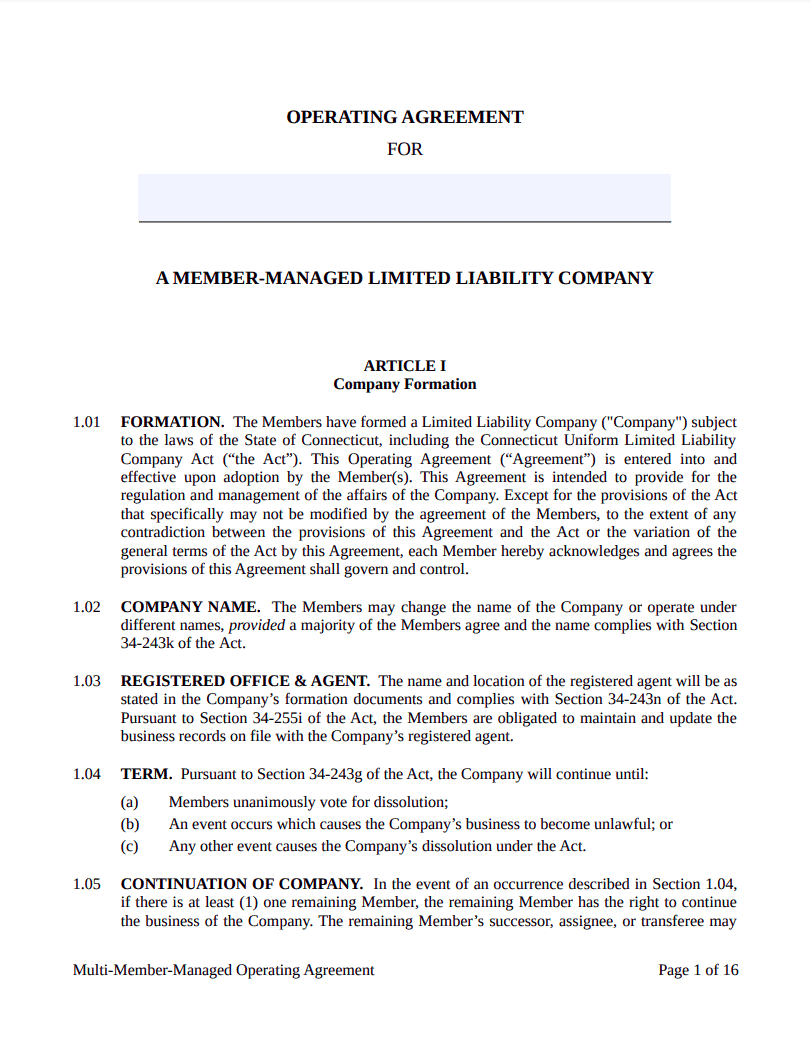
Is an LLC Operating Agreement Legally Required in Connecticut?
While Connecticut does not legally require LLCs to have an operating agreement, it is highly recommended by legal and business professionals. State law (Connecticut General Statutes § 34-243) does not mandate the creation of this document, but it serves as a critical tool for defining the LLC’s structure and operations.
Why Should a Connecticut LLC Have an Operating Agreement?
An operating agreement provides legal clarity and protection for LLC members, even if the state does not require it. Benefits include:
See AlsoLLC Operating Agreement: Washington State- Defining member roles: Outlines responsibilities, profit-sharing, and voting rights.
- Protecting limited liability status: Helps maintain the separation between personal and business assets.
- Customizing governance: Overrides default state rules under the Connecticut LLC Act.
Key Components of a Connecticut LLC Operating Agreement
A well-drafted operating agreement should include:
- Member contributions: Details capital investments and ownership percentages.
- Management structure: Specifies if the LLC is member-managed or manager-managed.
- Dissolution procedures: Outlines steps for winding down the business.
Risks of Not Having an Operating Agreement in Connecticut
Without an operating agreement, Connecticut LLCs face potential issues such as:
- State default rules: The LLC is governed by generic Connecticut statutes, which may not align with members’ intentions.
- Dispute escalation: Ambiguities in roles or profit distribution can lead to conflicts.
- Weakened liability protection: Courts may disregard the LLC’s legal separation from owners without clear documentation.
How to Create an Operating Agreement for a Connecticut LLC
While Connecticut allows oral or written agreements, a written document is advisable. Steps include:
- Consulting an attorney: Ensures compliance with state laws and addresses unique business needs.
- Customizing templates: Use state-specific templates as a starting point but tailor them to the LLC’s requirements.
- Member approval: All members should review and sign the agreement to validate its terms.
Can I write my own operating agreement for my LLC?
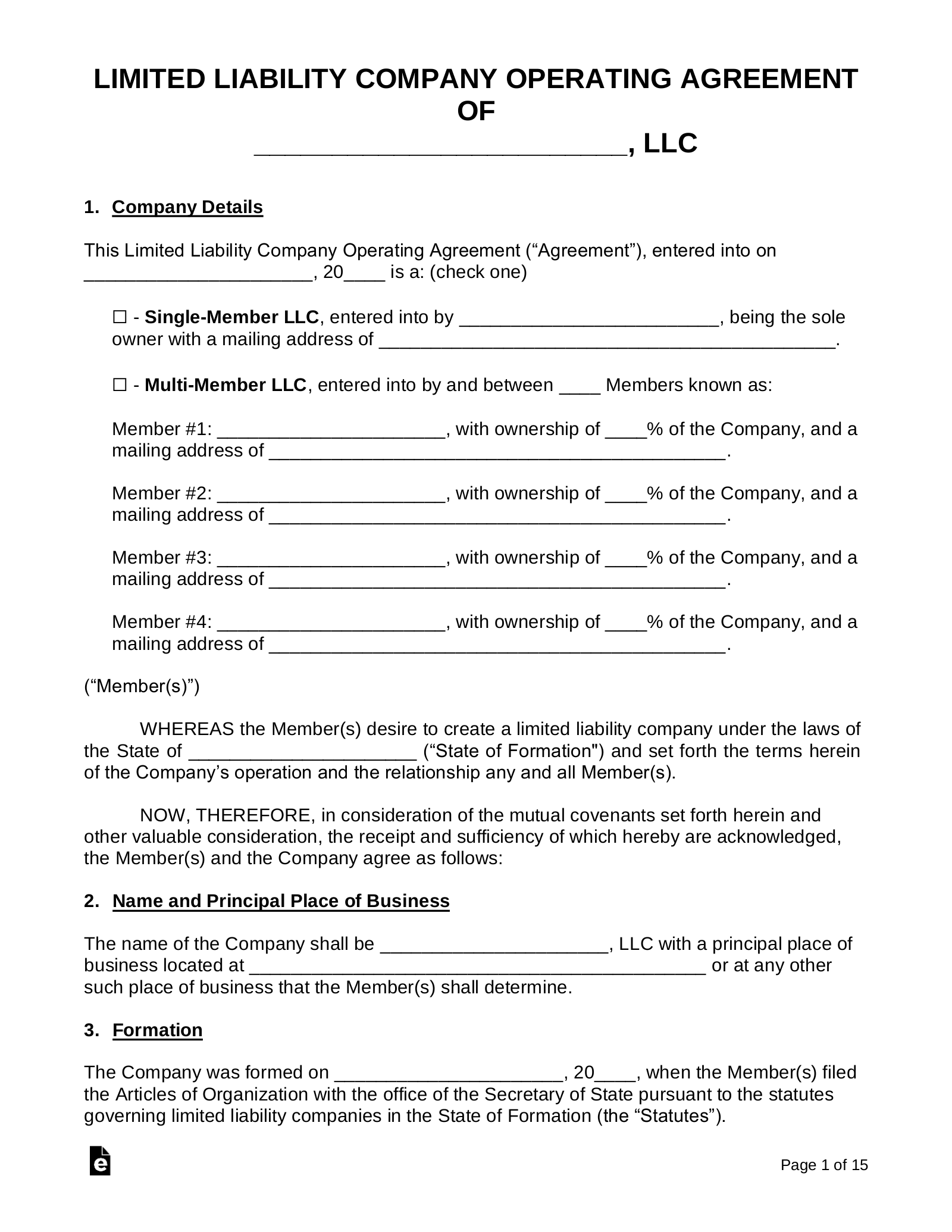
Is It Legally Permissible to Draft Your Own LLC Operating Agreement?
Yes, you can write your own operating agreement for your LLC in most jurisdictions. While some states do not legally require an LLC to have one, creating a customized agreement is highly recommended to define member roles, profit-sharing, and management structure. However, ensure it complies with your state’s LLC laws.
- Check your state’s legal requirements for operating agreements.
- Use templates or guides as a starting point but customize clauses to fit your business needs.
- Avoid generic language to prevent future disputes over ambiguities.
What Are the Benefits of Writing Your Own Operating Agreement?
Drafting your own operating agreement allows flexibility and control over your LLC’s governance. It lets you establish clear rules for decision-making, member exits, and dispute resolution.
- Tailor the agreement to reflect unique business goals.
- Clarify member contributions and ownership percentages.
- Set protocols for adding or removing members to avoid conflicts.
What Key Clauses Should Your Operating Agreement Include?
A comprehensive operating agreement must address critical aspects of your LLC’s operations. Missing key clauses could lead to legal vulnerabilities.
- Define management structure (member-managed vs. manager-managed).
- Outline profit and loss distribution methods.
- Include dissolution procedures and dispute resolution mechanisms.
What Risks Exist When Drafting an Operating Agreement Without Legal Help?
While self-drafting is cost-effective, it may expose your LLC to risks if the agreement is incomplete or non-compliant.
- Overlooking state-specific regulations could invalidate clauses.
- Ambiguous terms might lead to member disputes or litigation.
- Failing to address tax implications or liability protections.
When Should You Consult an Attorney for Your Operating Agreement?
While many LLCs use self-drafted agreements, legal advice is crucial in complex scenarios.
- If your LLC has multiple members with unequal ownership stakes.
- When structuring complex profit-sharing or vesting schedules.
- If operating in a state with strict compliance requirements.
Should an LLC have an operating agreement?
Legal Requirements and State Regulations
While most states do not legally require an LLC to have an operating agreement, creating one is highly advisable. Even in states where it is optional, this document serves as the foundational framework for business operations and member relationships.
- State-specific rules: Some states, like California and New York, mandate an operating agreement for LLCs.
- Legal protection: Without an agreement, default state laws govern the LLC, which may not align with members’ intentions.
- Credibility: Banks and investors often require an operating agreement to verify the LLC’s structure.
Defining Member Roles and Responsibilities
An operating agreement clarifies roles, duties, and decision-making processes among members, reducing ambiguity and potential conflicts.
- Management structure: Specifies whether the LLC is member-managed or manager-managed.
- Voting rights: Outlines how votes are allocated and critical decisions are approved.
- Profit distribution: Defines how profits and losses are divided, preventing disputes over financial allocations.
Protecting Limited Liability Status
A well-drafted operating agreement helps preserve the limited liability protection that an LLC offers by formalizing the separation between personal and business assets.
- Corporate veil protection: Demonstrates that the LLC operates as a distinct legal entity.
- Commingling prevention: Establishes clear financial protocols to avoid mixing personal and business funds.
- Formality compliance: Reinforces legitimacy during legal challenges or audits.
Dispute Resolution and Conflict Management
Including dispute resolution clauses in an operating agreement provides a roadmap for resolving conflicts without litigation.
- Mediation/arbitration: Specifies alternative dispute resolution methods to avoid court battles.
- Exit strategies: Outlines procedures for member buyouts or dissolution.
- Deadlock provisions: Addresses scenarios where members cannot reach a decision.
Financial and Tax Considerations
An operating agreement ensures clarity on financial practices and supports tax flexibility, which is critical for LLCs.
- Profit allocations: Allows custom distribution ratios different from ownership percentages.
- Tax flexibility: Enables the LLC to choose its tax classification (e.g., partnership, S corporation).
- Audit preparedness: Provides documentation for IRS compliance and financial transparency.
What are the pitfalls of an LLC operating agreement?
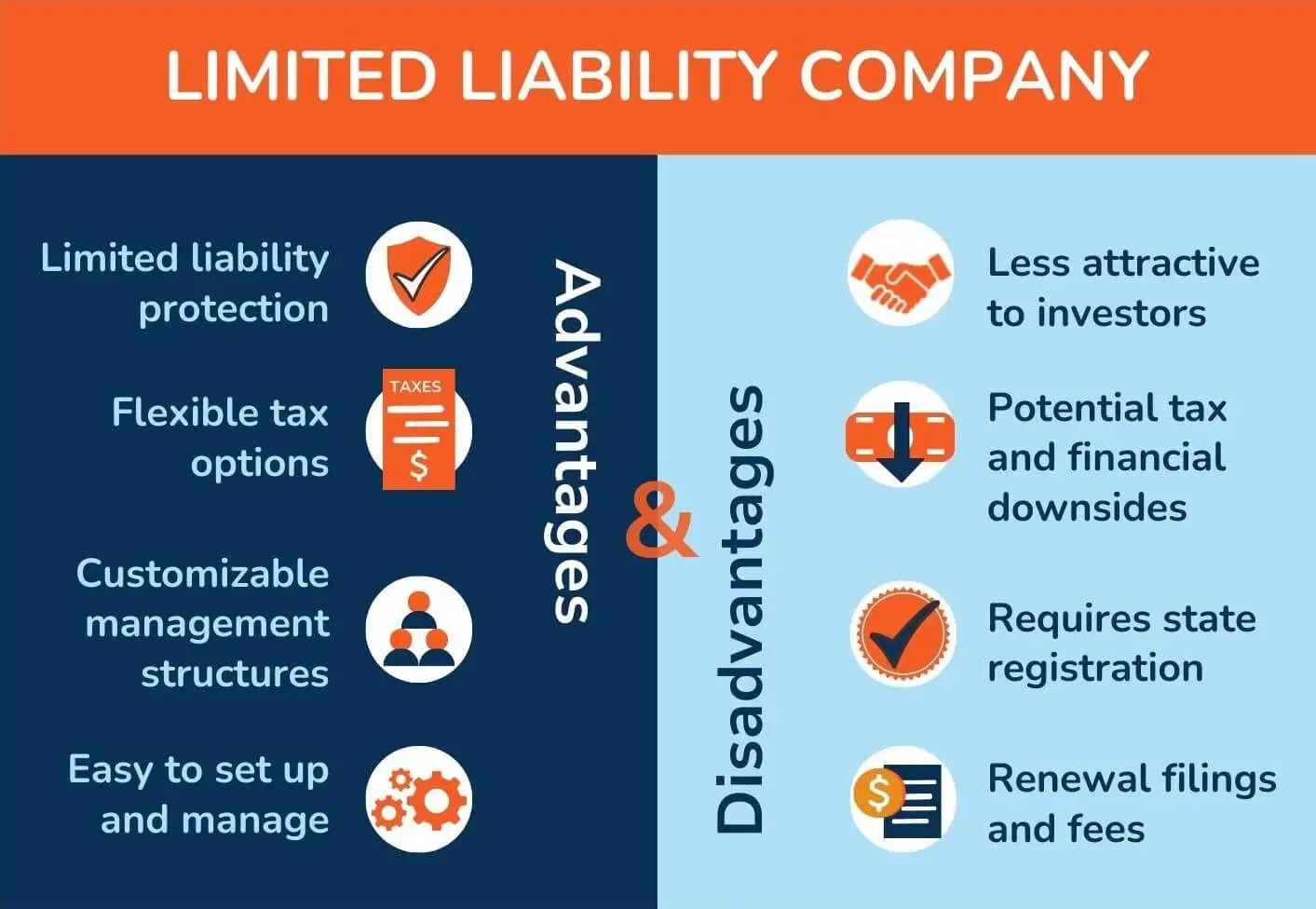
1. Ambiguity in Roles and Responsibilities
A poorly drafted LLC operating agreement often fails to clearly define roles, responsibilities, and decision-making authority among members. This ambiguity can lead to conflicts, operational delays, and legal disputes. For example:
- Unclear profit-sharing terms may result in disagreements over distributions.
- Lack of defined management roles can cause power struggles.
- Absence of protocols for major business decisions (e.g., mergers, loans) may stall critical actions.
2. Inadequate Dispute Resolution Mechanisms
Many LLC agreements neglect to include dispute resolution processes, leaving members vulnerable to costly litigation. Key oversights include:
- No mediation or arbitration clauses to resolve conflicts out of court.
- Failure to outline buyout terms if a member exits during a dispute.
- Missing deadlock-breaking procedures for tied votes on critical issues.
3. Non-Compliance with State Laws
Operating agreements must align with state-specific LLC regulations, but many templates overlook these requirements, risking legal penalties. Common pitfalls include:
- Ignoring filing deadlines or annual reporting mandates.
- Failing to address state-mandated dissolution processes.
- Omitting clauses required for tax classification (e.g., S-Corp elections).
4. Insufficient Capital Contribution Clauses
Vague or incomplete terms about capital contributions can destabilize an LLC’s financial foundation. Issues often arise from:
- Unclear timelines for member investments, leading to funding gaps.
- No consequences for failure to meet contribution obligations.
- Lack of guidelines for additional capital calls during emergencies.
5. Neglecting Member Exit Strategies
Failing to plan for member departures or transfers of ownership can cripple an LLC. Critical oversights include:
- No buy-sell agreements to manage ownership transitions.
- Unaddressed valuation methods for a departing member’s interest.
- Ignoring rights of first refusal, risking unwanted third-party involvement.
Frequently Asked Questions About LLCs (FAQs)
What is a Connecticut LLC Operating Agreement and is it legally required?
A Connecticut LLC Operating Agreement is a legal document outlining the ownership structure, management roles, and operational rules for a limited liability company (LLC) in the state. While Connecticut does not legally require LLCs to have an Operating Agreement, creating one is highly recommended. This document helps establish member rights, profit-sharing arrangements, and procedures for resolving disputes or dissolving the business. Without it, your LLC may default to Connecticut’s default LLC statutes, which might not align with your business goals.
What key provisions should a Connecticut LLC Operating Agreement include?
A comprehensive Connecticut LLC Operating Agreement should include details such as member ownership percentages, management structure (member-managed vs. manager-managed), voting rights, and protocols for adding or removing members. It should also address profit and loss distribution, meeting requirements, and procedures for amending the agreement. Including clauses for dispute resolution and dissolution ensures clarity during unexpected events, protecting both the company and its members.
Can a Connecticut LLC Operating Agreement be modified after formation?
Yes, a Connecticut LLC Operating Agreement can be modified after formation, provided the changes follow the amendment process outlined in the original document. Typically, amendments require unanimous or majority approval from members, depending on the terms agreed upon initially. Any changes should be documented in writing, signed by all members, and stored with the company’s records. Regularly updating the agreement ensures it remains aligned with the LLC’s evolving needs and complies with Connecticut state laws.
Does a Connecticut LLC Operating Agreement need to be filed with the state?
No, a Connecticut LLC Operating Agreement does not need to be filed with the state. Unlike the Articles of Organization, which must be submitted to the Connecticut Secretary of State, the Operating Agreement is an internal document. However, it should be kept on file at the LLC’s principal place of business and shared with all members. Maintaining a signed copy ensures enforceability in legal disputes and provides clarity on governance matters.
Leave a Reply
Our Recommended Articles