
How Does One Become an Entrepreneur in Residence at a Venture Capital Firm

Becoming an Entrepreneur in Residence (EIR) at a venture capital firm is a unique opportunity that blends entrepreneurship with strategic investment insights. This role is designed for experienced founders or executives who bring deep industry knowledge and a proven track record of building successful businesses. As an EIR, individuals work closely with venture capitalists to identify promising startups, provide mentorship, and sometimes even launch new ventures within the firm’s portfolio. The position serves as a bridge between innovation and investment, offering a platform to shape the future of emerging industries. Understanding the qualifications, responsibilities, and pathways to securing this role is essential for aspiring candidates.
- How Does One Become an Entrepreneur in Residence at a Venture Capital Firm?
- What is the Entrepreneur in Residence program in VC?
-
What is the salary of VC Entrepreneur in Residence?
- What is the Average Salary of a VC Entrepreneur in Residence?
- How Does Location Impact the Salary of a VC Entrepreneur in Residence?
- What Factors Influence the Salary of a VC Entrepreneur in Residence?
- What Are the Additional Benefits for a VC Entrepreneur in Residence?
- How Does the Role of a VC Entrepreneur in Residence Compare to Other Startup Roles?
- How do you become an Entrepreneur in Residence?
- What does Entrepreneur in Residence mean?
- Frequently Asked Questions (FAQs)
How Does One Become an Entrepreneur in Residence at a Venture Capital Firm?
Becoming an Entrepreneur in Residence (EIR) at a venture capital (VC) firm is a unique opportunity that combines entrepreneurship with investment expertise. This role is typically reserved for experienced entrepreneurs who can provide valuable insights to the VC firm and its portfolio companies. Below, we explore the steps and qualifications needed to secure this position.
See Also What Are the Benefits of Attending Uc Berkeleys Executive Program in Venture Capital for an Aspiring Vc Does It Compare With Kauffman
What is an Entrepreneur in Residence (EIR)?
An Entrepreneur in Residence is a temporary or part-time role within a venture capital firm where an experienced entrepreneur collaborates with the firm to identify, evaluate, and support new business opportunities. EIRs often work on their own startup ideas while leveraging the resources and network of the VC firm.
What Qualifications Are Needed to Become an EIR?
To become an EIR, you typically need:
- Proven entrepreneurial experience: A track record of founding or scaling successful startups.
- Industry expertise: Deep knowledge in a specific sector that aligns with the VC firm’s focus.
- Strong network: Connections that can benefit the VC firm and its portfolio companies.
- Strategic mindset: The ability to identify high-potential opportunities and provide actionable advice.
 What is the Hierarchy Like at a Venture Capital Firm and How Long Does It Take to Reach Each Level
How to Build a Relationship with a Venture Capital Firm?
Building a relationship with a VC firm is crucial. Here’s how:
- Network actively: Attend industry events and connect with VC partners.
- Demonstrate value: Share your expertise and insights through blogs, talks, or advisory roles.
- Collaborate on projects: Offer to help the firm with due diligence or portfolio support.
- Showcase your achievements: Highlight your entrepreneurial successes and industry impact.
What Does the Application Process Look Like?
The application process for an EIR role varies but generally includes:
1. Initial outreach: Reach out to VC firms with a compelling pitch about your experience and value.
2. Interviews: Be prepared to discuss your entrepreneurial journey and vision.
3. Proposal submission: Present a detailed plan for your potential startup or project.
4. Negotiation: Discuss terms, including equity, compensation, and duration of the role.
 Which Angels or Vcs Will Fund Hardware Startups?
What Are the Benefits of Being an EIR?
Being an EIR offers several advantages:
- Access to resources: Use the VC firm’s network, funding, and expertise.
- Mentorship: Learn from experienced investors and entrepreneurs.
- Flexibility: Work on your startup idea with reduced financial risk.
- Career growth: Enhance your reputation and open doors to future opportunities.
| Key Steps | Details |
|---|---|
| Proven Experience | Demonstrate a successful entrepreneurial background. |
| Industry Expertise | Align your skills with the VC firm’s focus area. |
| Networking | Build strong relationships with VC partners. |
| Application Process | Prepare a compelling pitch and proposal. |
| Benefits | Leverage resources, mentorship, and career growth opportunities. |
What is the Entrepreneur in Residence program in VC?

What is the Entrepreneur in Residence (EIR) Program in VC?
The Entrepreneur in Residence (EIR) program in venture capital (VC) is a structured initiative where experienced entrepreneurs collaborate with venture capital firms. These entrepreneurs, often between ventures or exploring new ideas, work closely with the VC firm to identify, evaluate, and develop promising startups. The EIR program benefits both parties: the entrepreneur gains access to resources, networks, and funding opportunities, while the VC firm leverages the entrepreneur's expertise to source and nurture high-potential investments.
Key Responsibilities of an Entrepreneur in Residence
An Entrepreneur in Residence typically has a range of responsibilities within a VC firm. These include:
- Identifying investment opportunities: Scouting for startups with high growth potential and aligning with the VC's investment thesis.
- Mentoring portfolio companies: Providing guidance and expertise to existing portfolio companies to help them scale and succeed.
- Developing new ventures: Working on their own startup ideas or collaborating with the VC to incubate new businesses.
Benefits of the EIR Program for Entrepreneurs
For entrepreneurs, the EIR program offers several advantages:
- Access to resources: Entrepreneurs gain access to the VC firm's network, funding, and infrastructure.
- Mentorship and guidance: They receive mentorship from experienced investors and industry experts.
- Opportunity to build a new venture: The program provides a platform to develop and launch new ideas with financial and strategic support.
Benefits of the EIR Program for Venture Capital Firms
Venture capital firms also derive significant value from the EIR program:
- Enhanced deal flow: EIRs help identify and evaluate high-quality investment opportunities.
- Operational expertise: Entrepreneurs bring hands-on experience that can be invaluable to portfolio companies.
- Innovation pipeline: The program fosters innovation by incubating new ventures within the firm's ecosystem.
How to Become an Entrepreneur in Residence
Becoming an Entrepreneur in Residence typically requires:
- Proven entrepreneurial experience: A track record of founding or scaling successful startups.
- Strong industry connections: A robust network within the startup ecosystem.
- Alignment with the VC's focus: A clear understanding of the VC's investment thesis and areas of interest.
What is the salary of VC Entrepreneur in Residence?
What is the Average Salary of a VC Entrepreneur in Residence?
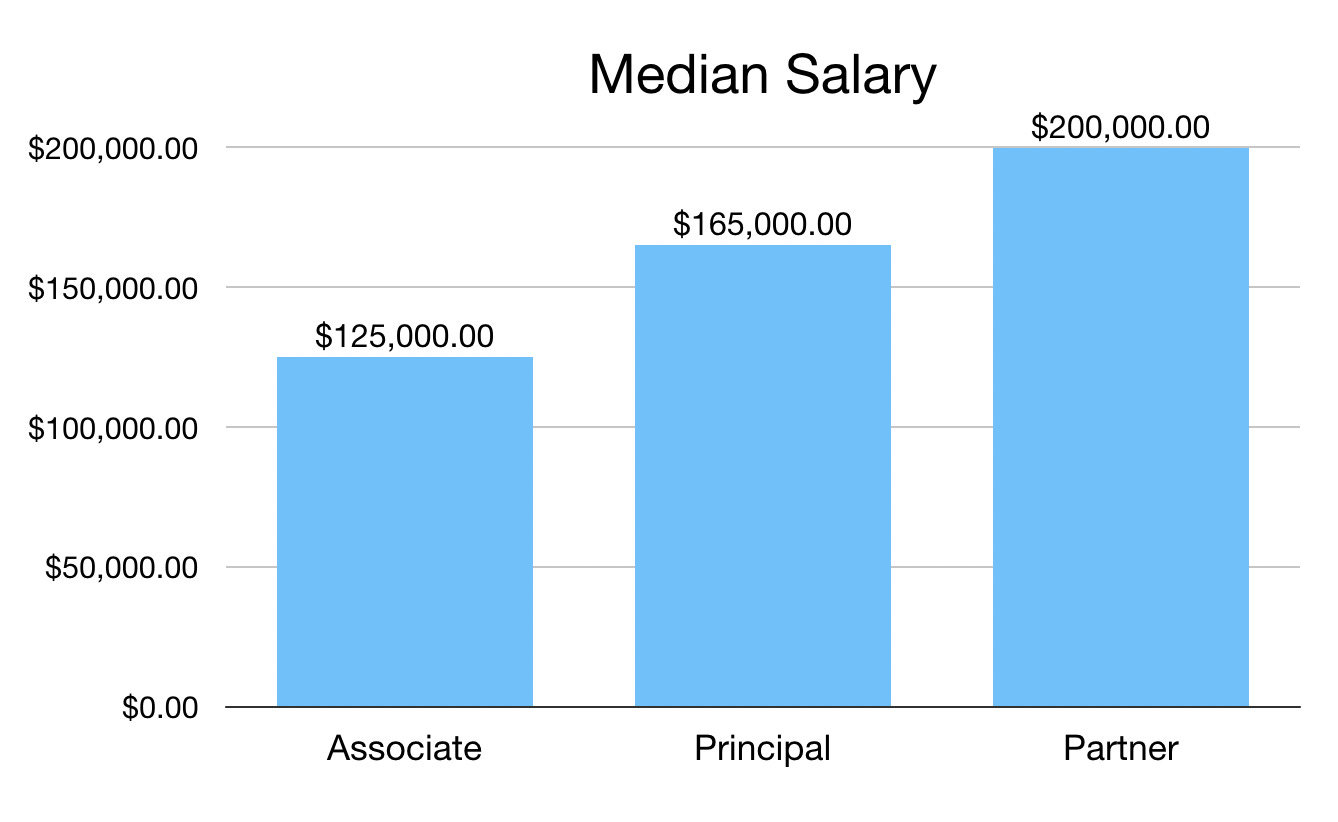
The average salary of a VC Entrepreneur in Residence (EIR) typically ranges between $100,000 and $200,000 annually, depending on factors such as the venture capital firm's size, location, and the individual's experience. Some EIRs may also receive additional compensation in the form of equity stakes or performance-based bonuses.
- Base Salary: Most EIRs earn a base salary that aligns with mid-to-senior-level roles in the startup ecosystem.
- Equity Compensation: Many EIRs receive equity in the startups they help launch or advise, which can significantly increase their total earnings.
- Performance Bonuses: Some firms offer bonuses tied to the success of the startups they work with or the overall performance of the VC fund.
How Does Location Impact the Salary of a VC Entrepreneur in Residence?
The location of the venture capital firm plays a significant role in determining the salary of an EIR. For example, EIRs in Silicon Valley or New York City often earn higher salaries due to the higher cost of living and the concentration of top-tier VC firms.
- High-Cost Regions: Salaries in tech hubs like San Francisco or Boston are typically higher to offset living expenses.
- Emerging Markets: In regions with growing startup ecosystems, such as Austin or Miami, salaries may be slightly lower but still competitive.
- Global Variations: EIRs in international markets may see different salary ranges based on local economic conditions.
What Factors Influence the Salary of a VC Entrepreneur in Residence?
Several factors influence the salary of a VC Entrepreneur in Residence, including experience, track record, and the reputation of the VC firm. EIRs with a proven history of successful startups or exits often command higher compensation.
- Experience Level: Seasoned entrepreneurs with multiple successful ventures typically earn more.
- Firm Reputation: Top-tier VC firms often offer higher salaries to attract top talent.
- Industry Expertise: Specialized knowledge in high-demand sectors like AI or biotech can increase earning potential.
What Are the Additional Benefits for a VC Entrepreneur in Residence?
Beyond the base salary, EIRs often receive additional benefits such as equity stakes, networking opportunities, and access to resources that can help them launch or grow their own ventures.
- Equity Stakes: EIRs may receive equity in the startups they work with, providing long-term financial upside.
- Networking: Access to a vast network of investors, founders, and industry experts is a significant perk.
- Resources: Many VC firms provide office space, mentorship, and other resources to support EIRs.
How Does the Role of a VC Entrepreneur in Residence Compare to Other Startup Roles?
The role of a VC Entrepreneur in Residence is unique compared to other startup roles, as it combines elements of entrepreneurship, mentorship, and investment. While salaries may be comparable to senior startup roles, the additional benefits and opportunities often make it more attractive.
- Entrepreneurship: EIRs have the freedom to explore new business ideas within the VC ecosystem.
- Mentorship: They often mentor other founders, adding value to their professional network.
- Investment Opportunities: EIRs may have the chance to co-invest in promising startups, further enhancing their earnings.
How do you become an Entrepreneur in Residence?
What is an Entrepreneur in Residence (EIR)?
An Entrepreneur in Residence (EIR) is a role typically found in venture capital firms, accelerators, or incubators where an experienced entrepreneur provides mentorship, guidance, and strategic insights to startups. The EIR leverages their entrepreneurial experience to help portfolio companies grow, identify new investment opportunities, and sometimes even build their own ventures within the organization.
- Understand the role: Research the responsibilities of an EIR, which include mentoring startups, evaluating business models, and contributing to the firm's investment strategy.
- Assess your qualifications: Determine if your entrepreneurial background, industry expertise, and network align with the expectations of an EIR position.
- Network with venture capital firms: Build relationships with VC firms or accelerators that offer EIR programs to increase your chances of being considered for the role.
What Skills and Experience Are Required?
To become an Entrepreneur in Residence, you need a combination of entrepreneurial success, industry knowledge, and leadership skills. Most EIRs have a proven track record of founding or scaling startups, as well as expertise in specific sectors like technology, healthcare, or finance.
- Proven entrepreneurial experience: Demonstrate a history of successfully launching, growing, or exiting a startup.
- Industry expertise: Show deep knowledge in a specific field that aligns with the firm's investment focus.
- Strong leadership and mentorship skills: Highlight your ability to guide and support early-stage founders.
How to Build a Strong Network for EIR Opportunities
Networking is crucial for landing an Entrepreneur in Residence role. Building relationships with venture capitalists, startup founders, and industry leaders can open doors to EIR positions.
- Attend industry events: Participate in startup conferences, pitch competitions, and networking events to meet potential employers.
- Leverage LinkedIn: Connect with venture capitalists and startup ecosystem players to showcase your expertise and interest in EIR roles.
- Join startup communities: Engage with accelerators, incubators, and online forums to stay visible in the entrepreneurial ecosystem.
How to Apply for an Entrepreneur in Residence Position
Applying for an Entrepreneur in Residence role requires a tailored approach. You need to highlight your entrepreneurial achievements and align your skills with the firm's needs.
- Research firms with EIR programs: Identify venture capital firms or accelerators that actively hire EIRs.
- Prepare a compelling pitch: Showcase your entrepreneurial journey, successes, and how you can add value to their portfolio companies.
- Submit a tailored application: Customize your resume and cover letter to emphasize your relevant experience and skills.
What to Expect as an Entrepreneur in Residence
As an Entrepreneur in Residence, your responsibilities will vary depending on the organization. However, common tasks include mentoring startups, evaluating investment opportunities, and potentially launching your own venture.
- Mentorship: Provide guidance and support to early-stage founders to help them overcome challenges and scale their businesses.
- Investment evaluation: Assist the firm in identifying and assessing potential investment opportunities.
- Building your own venture: Some EIR roles allow you to develop and pitch your own startup idea to the firm for funding.
What does Entrepreneur in Residence mean?
What is an Entrepreneur in Residence (EIR)?
An Entrepreneur in Residence (EIR) is a professional role typically found within venture capital firms, startups, or academic institutions. The EIR is an experienced entrepreneur who provides strategic guidance, mentorship, and expertise to help grow businesses or evaluate potential investments. They often work on a temporary or project basis, leveraging their entrepreneurial background to drive innovation and solve complex challenges.
- Role Definition: An EIR is a seasoned entrepreneur who collaborates with organizations to foster growth and innovation.
- Key Responsibilities: They may evaluate business ideas, mentor founders, or even launch new ventures within the organization.
- Duration: The position is often temporary, lasting from a few months to a couple of years.
What Are the Responsibilities of an Entrepreneur in Residence?
The responsibilities of an Entrepreneur in Residence vary depending on the organization but generally include providing strategic advice, mentoring startups, and identifying new business opportunities. They act as a bridge between investors and entrepreneurs, ensuring that innovative ideas are effectively executed.
- Mentorship: Guiding startup founders through the challenges of building and scaling their businesses.
- Idea Evaluation: Assessing the viability of new business ideas or investment opportunities.
- Strategic Planning: Helping organizations develop long-term growth strategies.
Where Do Entrepreneurs in Residence Work?
Entrepreneurs in Residence are commonly found in venture capital firms, accelerators, incubators, and academic institutions. They may also work within large corporations to drive innovation and explore new markets.
- Venture Capital Firms: EIRs help evaluate potential investments and support portfolio companies.
- Startup Accelerators: They mentor early-stage startups and provide industry insights.
- Academic Institutions: EIRs may teach entrepreneurship or help commercialize research projects.
What Skills Are Required to Be an Entrepreneur in Residence?
To excel as an Entrepreneur in Residence, individuals need a combination of entrepreneurial experience, industry knowledge, and strong interpersonal skills. They must be adept at problem-solving, networking, and strategic thinking.
- Entrepreneurial Experience: A proven track record of starting and scaling businesses.
- Industry Expertise: Deep knowledge of specific sectors or markets.
- Communication Skills: Ability to effectively mentor and collaborate with diverse teams.
How Does an Entrepreneur in Residence Add Value to an Organization?
An Entrepreneur in Residence adds value by bringing fresh perspectives, practical experience, and a network of industry contacts. They help organizations navigate challenges, seize opportunities, and achieve their goals more efficiently.
- Innovation: Introducing new ideas and approaches to problem-solving.
- Mentorship: Providing hands-on guidance to founders and teams.
- Network Expansion: Leveraging their connections to open doors for partnerships and collaborations.
Frequently Asked Questions (FAQs)
What is an Entrepreneur in Residence (EIR) at a Venture Capital Firm?
An Entrepreneur in Residence (EIR) is a role within a venture capital (VC) firm where an experienced entrepreneur or executive works closely with the firm to identify, evaluate, and develop new business opportunities. The EIR often leverages their expertise to help the firm's portfolio companies or to launch new startups. This position is typically temporary and serves as a bridge between the VC firm and the entrepreneurial ecosystem.
What qualifications are needed to become an Entrepreneur in Residence?
To become an Entrepreneur in Residence, candidates typically need a strong background in entrepreneurship, with a proven track record of founding, scaling, or exiting successful startups. VC firms often look for individuals with deep industry expertise, a robust network, and the ability to identify high-potential business opportunities. Additionally, having experience in fundraising, product development, and leadership is highly valued. A combination of technical and business acumen is often essential to excel in this role.
How does one apply for an Entrepreneur in Residence position?
Applying for an Entrepreneur in Residence role usually involves networking within the venture capital community and directly reaching out to VC firms. Many EIR positions are not publicly advertised, so building relationships with partners at VC firms is crucial. Candidates should prepare a compelling pitch that highlights their entrepreneurial achievements, industry expertise, and vision for potential startups. Some firms may also require a formal application process, including submitting a resume, references, and a business plan or concept.
What are the responsibilities of an Entrepreneur in Residence?
The responsibilities of an Entrepreneur in Residence vary depending on the VC firm but generally include identifying and evaluating new business opportunities, mentoring portfolio companies, and assisting with due diligence on potential investments. EIRs may also work on developing their own startup ideas, which the VC firm could later fund. Additionally, they often act as a liaison between the firm and the broader entrepreneurial community, leveraging their network to source deals and provide strategic insights.
Leave a Reply
Our Recommended Articles