
How Much in Returns Do Venture Capitalists Generally Expect for Their Investment in a Startup


Venture capital (VC) is a high-risk, high-reward investment strategy that fuels innovation and growth in startups. For venture capitalists, the primary goal is to achieve substantial returns on their investments, often targeting exponential growth to offset the inherent risks. But how much do VCs typically expect in returns? While expectations vary depending on the stage of investment, industry, and market conditions, most venture capitalists aim for returns that significantly outperform traditional asset classes. This article explores the benchmarks and factors influencing VC return expectations, shedding light on the financial dynamics that drive investment decisions in the startup ecosystem.
-
How Much in Returns Do Venture Capitalists Generally Expect for Their Investment in a Startup?
- What Factors Influence Venture Capitalists' Return Expectations?
- How Do Venture Capitalists Calculate Expected Returns?
- What Are the Risks Associated with Venture Capital Investments?
- How Do Exit Strategies Impact Venture Capital Returns?
- What Role Does Portfolio Diversification Play in Venture Capital Returns?
- What is the average return for a venture capitalist?
- How much return do VCs expect?
-
What is the average return on startup investments?
- What Factors Influence the Average Return on Startup Investments?
- How Do Early-Stage Investments Compare to Later-Stage Investments?
- What Are the Historical Returns on Startup Investments?
- What Role Does Diversification Play in Startup Investment Returns?
- How Do Exit Strategies Impact Startup Investment Returns?
- What's a good VC return?
-
Frequently Asked Questions by our Community
- What is the typical return expectation for venture capitalists when investing in startups?
- Why do venture capitalists expect such high returns from startups?
- How do venture capitalists calculate their expected returns?
- What factors influence the returns venture capitalists receive from startup investments?
How Much in Returns Do Venture Capitalists Generally Expect for Their Investment in a Startup?
Venture capitalists (VCs) are investors who provide capital to startups and early-stage companies with high growth potential. In exchange for their investment, they expect significant returns, typically aiming for a 10x to 20x return on their initial investment over a period of 5 to 10 years. This expectation is driven by the high-risk nature of investing in startups, as many fail to succeed. VCs often diversify their portfolios to mitigate risks, but they rely on a few home runs to generate the majority of their returns.
See Also What Percent of Venture Capital Funds Fail?
What Factors Influence Venture Capitalists' Return Expectations?
Several factors influence the return expectations of venture capitalists. These include the stage of the startup (seed, early-stage, or growth-stage), the industry (tech, healthcare, etc.), and the market potential. Additionally, the team's expertise, competitive landscape, and exit strategy (IPO, acquisition) play a significant role. VCs also consider the risk-reward ratio, as higher-risk investments typically demand higher returns.
| Factor | Impact on Returns |
|---|---|
| Startup Stage | Early-stage investments often require higher returns due to increased risk. |
| Industry | High-growth industries like tech may offer higher return potential. |
| Market Potential | Larger markets can support higher valuations and returns. |
How Do Venture Capitalists Calculate Expected Returns?
VCs use a combination of financial modeling and market analysis to estimate potential returns. They often rely on metrics like Internal Rate of Return (IRR) and Multiple on Invested Capital (MOIC). The IRR measures the annualized return rate, while MOIC calculates the total return relative to the initial investment. For example, a 10x MOIC means the investment has grown tenfold.
See Also What is the Worst Part of Being a Vc?
| Metric | Description |
|---|---|
| IRR | Annualized return rate, often targeted at 20-30%. |
| MOIC | Total return multiple, typically aiming for 10x-20x. |
What Are the Risks Associated with Venture Capital Investments?
Venture capital investments are inherently risky due to the high failure rate of startups. Many startups fail to achieve profitability or secure follow-on funding. Other risks include market volatility, regulatory changes, and competition. VCs mitigate these risks by diversifying their portfolios and conducting thorough due diligence before investing.
| Risk | Description |
|---|---|
| High Failure Rate | Most startups fail, leading to a total loss of investment. |
| Market Volatility | Economic downturns can impact startup growth and valuations. |
How Do Exit Strategies Impact Venture Capital Returns?
Exit strategies are critical for realizing returns. Common exits include Initial Public Offerings (IPOs) and acquisitions. A successful IPO can generate substantial returns, while acquisitions often provide quicker liquidity. The timing and nature of the exit significantly influence the final return multiple.
See Also Do Vc Firms Invest in Start Up Retail Companies Looking to Franchise for Scalability
| Exit Strategy | Impact on Returns |
|---|---|
| IPO | Can yield high returns but requires significant time and market conditions. |
| Acquisition | Provides quicker liquidity, often at a lower multiple than IPOs. |
What Role Does Portfolio Diversification Play in Venture Capital Returns?
Portfolio diversification is a key strategy for VCs to manage risk and maximize returns. By investing in multiple startups across different industries and stages, VCs increase the likelihood of having a few high-performing investments that offset losses from others. This approach helps achieve the overall target return despite individual failures.
| Strategy | Benefit |
|---|---|
| Diversification | Reduces risk by spreading investments across multiple startups. |
| High-Performing Investments | Generates the majority of returns, compensating for losses. |
What is the average return for a venture capitalist?
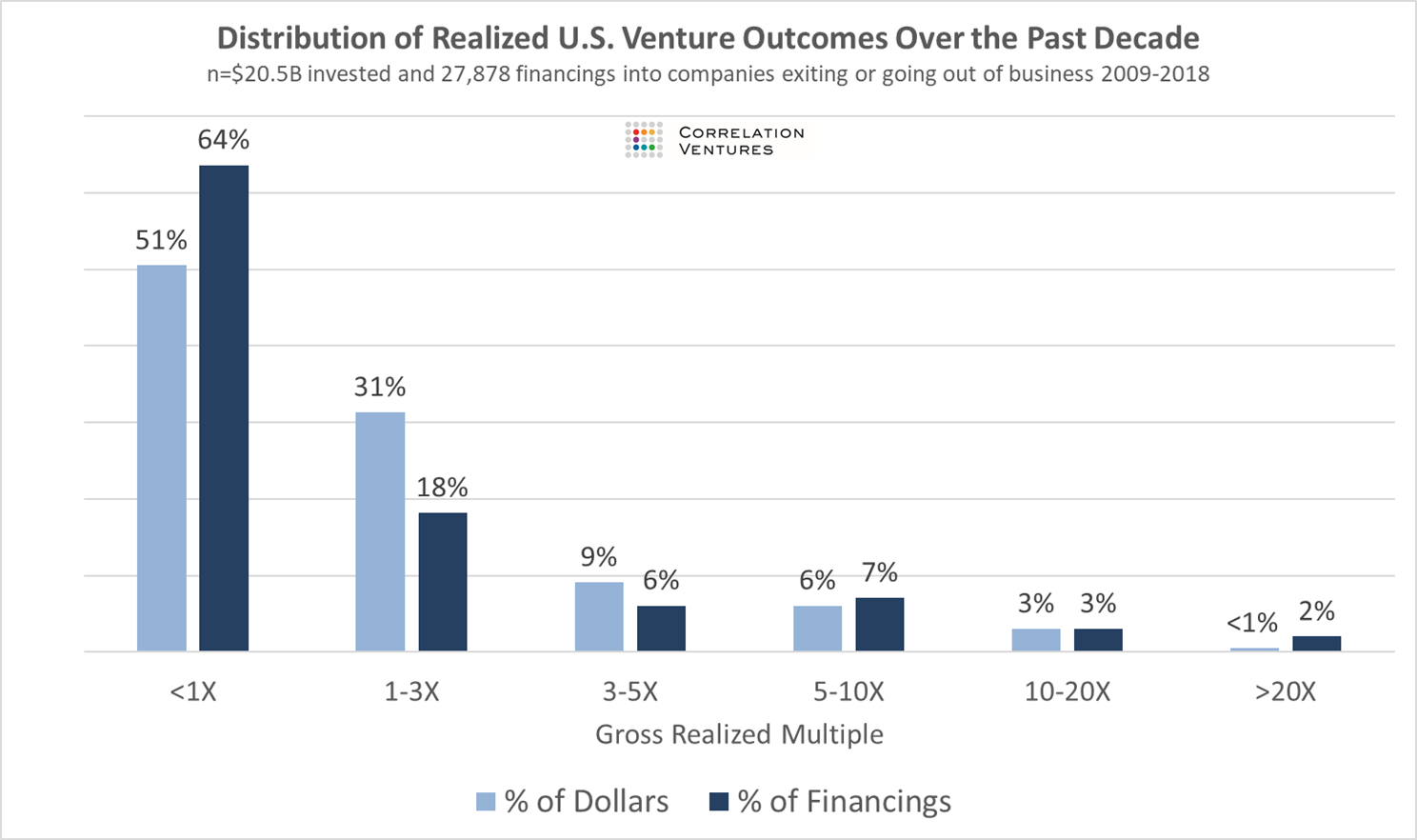
What is the Average Return for a Venture Capitalist?
The average return for a venture capitalist varies significantly depending on the stage of investment, industry, and market conditions. Historically, top-tier venture capital firms aim for an internal rate of return (IRR) of 20-30% annually. However, the actual returns can range from 10% to over 50% depending on the success of the portfolio companies. Early-stage investments typically carry higher risk but also offer the potential for higher returns, while later-stage investments may provide more stable but lower returns.
Factors Influencing Venture Capital Returns
Several factors influence the average return for venture capitalists:
See Also Why Do Venture Capitalists Replace Founders of Startups?
- Stage of Investment: Early-stage investments (seed or Series A) often yield higher returns due to the higher risk and potential for exponential growth.
- Industry Trends: Sectors like technology, biotech, and clean energy often deliver higher returns due to rapid innovation and market demand.
- Economic Conditions: Market downturns or booms can significantly impact exit opportunities and valuations.
How Do Venture Capitalists Measure Returns?
Venture capitalists use several metrics to measure returns:
- Internal Rate of Return (IRR): A common metric that calculates the annualized return over the life of the investment.
- Multiple on Invested Capital (MOIC): Measures the total return relative to the initial investment (e.g., a 3x MOIC means tripling the investment).
- Cash-on-Cash Return: Focuses on the actual cash distributions received from exits or dividends.
Historical Performance of Venture Capital Funds
Historically, venture capital funds have outperformed many other asset classes:
- Top Quartile Funds: These funds often achieve IRRs of 25% or higher, driven by successful exits like IPOs or acquisitions.
- Median Funds: Median-performing funds typically deliver IRRs of 10-15%, reflecting a mix of successful and underperforming investments.
- Bottom Quartile Funds: These funds may struggle to break even, with IRRs below 5% or even negative returns.
Risks and Challenges in Achieving High Returns
Achieving high returns in venture capital is not guaranteed due to inherent risks:
- High Failure Rates: Many startups fail, leading to a total loss of invested capital.
- Illiquidity: Investments are often locked in for 5-10 years, limiting access to capital.
- Market Volatility: Economic shifts or industry disruptions can impact valuations and exit opportunities.
Comparing Venture Capital Returns to Other Investments
Venture capital returns are often compared to other asset classes:
- Public Equities: Venture capital can outperform public equities, which historically return 7-10% annually, but with higher risk.
- Real Estate: Real estate typically offers 8-12% annual returns, but with lower volatility compared to venture capital.
- Private Equity: Private equity returns are similar to venture capital but often focus on more mature companies, reducing risk.
How much return do VCs expect?
What is the Typical Return Expectation for Venture Capitalists?
Venture capitalists (VCs) typically expect a high return on investment (ROI) due to the high-risk nature of their investments. On average, VCs aim for a 20-30% annual return over the life of the fund, which usually spans 7-10 years. This expectation is driven by the need to compensate for the high failure rate of startups, as only a small percentage of investments yield significant returns.
- High-risk, high-reward: VCs invest in early-stage companies with high growth potential but also high failure rates.
- Portfolio approach: They diversify investments across multiple startups to mitigate risk.
- Long-term horizon: Returns are typically realized over several years, often through exits like IPOs or acquisitions.
How Do VCs Calculate Their Expected Returns?
VCs calculate expected returns by analyzing the potential of their portfolio companies and estimating the likelihood of various outcomes. They use metrics like Internal Rate of Return (IRR) and Multiple on Invested Capital (MOIC) to assess performance. The goal is to ensure that the few successful investments in the portfolio generate enough returns to cover the losses from failed ones.
- IRR: Measures the annualized return rate, factoring in the time value of money.
- MOIC: Represents the total return relative to the initial investment.
- Scenario analysis: VCs model different exit scenarios to estimate potential returns.
What Factors Influence VC Return Expectations?
Several factors influence the return expectations of VCs, including the stage of investment, industry trends, and market conditions. Early-stage investments typically require higher returns to justify the increased risk, while later-stage investments may have lower return expectations but higher certainty.
- Investment stage: Seed and Series A rounds demand higher returns compared to Series B or later.
- Industry dynamics: Sectors like tech and biotech often promise higher growth potential.
- Economic climate: Market conditions can impact exit opportunities and valuations.
Why Do VCs Need Such High Returns?
VCs need high returns to compensate for the high failure rate of startups and to provide attractive returns to their limited partners (LPs). Since most startups fail, the few that succeed must generate outsized returns to make the overall portfolio profitable.
- Failure rate: Approximately 90% of startups fail, making high returns essential.
- LP expectations: Limited partners, such as pension funds and endowments, expect strong returns.
- Fund sustainability: High returns ensure the VC firm can raise future funds.
How Do VCs Achieve Their Return Targets?
VCs achieve their return targets by carefully selecting startups with high growth potential, providing strategic guidance, and facilitating successful exits. They focus on building a diversified portfolio and actively supporting their portfolio companies to maximize the chances of success.
- Deal sourcing: Identifying promising startups through networks and referrals.
- Value addition: Offering mentorship, industry connections, and operational support.
- Exit strategies: Planning for IPOs, acquisitions, or secondary sales to realize returns.
What is the average return on startup investments?

What Factors Influence the Average Return on Startup Investments?
The average return on startup investments is influenced by several key factors:
- Industry Sector: Certain sectors, like technology and biotech, often yield higher returns due to rapid innovation and scalability.
- Stage of Investment: Early-stage investments (seed or Series A) typically carry higher risk but can offer higher returns compared to later-stage investments.
- Market Conditions: Economic trends, investor sentiment, and market demand significantly impact returns.
How Do Early-Stage Investments Compare to Later-Stage Investments?
Early-stage and later-stage investments differ in risk and return profiles:
- Early-Stage: Higher risk due to unproven business models, but potential returns can exceed 10x or more if the startup succeeds.
- Later-Stage: Lower risk as the business is more established, but returns are often in the range of 2x to 5x.
- Liquidity: Later-stage investments may offer quicker liquidity through IPOs or acquisitions.
What Are the Historical Returns on Startup Investments?
Historical data provides insights into average returns:
- Angel Investments: Average returns range from 2.5x to 3x over 5-7 years, though many fail to break even.
- Venture Capital: Top-performing VC funds achieve 20%+ annual returns, but the median is closer to 10-15%.
- Failures: Approximately 90% of startups fail, significantly impacting overall averages.
What Role Does Diversification Play in Startup Investment Returns?
Diversification is critical for managing risk and improving returns:
- Portfolio Approach: Investing in multiple startups reduces the impact of individual failures.
- Sector Diversification: Spreading investments across industries mitigates sector-specific risks.
- Geographic Diversification: Investing in startups across regions can balance regional economic fluctuations.
How Do Exit Strategies Impact Startup Investment Returns?
Exit strategies are pivotal in determining returns:
- IPOs: Initial Public Offerings can yield substantial returns, often 10x or more, but are rare.
- Acquisitions: Most exits occur through acquisitions, with returns varying based on the acquirer's valuation.
- Secondary Markets: Selling shares in secondary markets can provide liquidity but often at lower valuations.
What's a good VC return?
Understanding Venture Capital Returns
Venture capital (VC) returns are typically measured by the Internal Rate of Return (IRR), which reflects the profitability of an investment over time. A good VC return generally exceeds the returns of traditional investment avenues like public markets. Here are some key points to consider:
- High-risk, high-reward: VC investments are inherently risky, but they offer the potential for substantial returns, often aiming for an IRR of 20-30% or more.
- Portfolio diversification: VCs spread their investments across multiple startups to mitigate risks and increase the chances of hitting a home run.
- Time horizon: VC investments typically have a long time horizon, often 7-10 years, before realizing significant returns.
Factors Influencing VC Returns
Several factors can influence the returns on venture capital investments. Understanding these can help investors set realistic expectations:
- Market conditions: Economic cycles and market trends can significantly impact startup valuations and exit opportunities.
- Industry sector: Certain sectors, like technology and biotech, often yield higher returns due to rapid innovation and scalability.
- Management team: The quality and experience of the startup's management team are critical determinants of success.
Benchmarking VC Performance
Benchmarking VC performance against industry standards is essential for evaluating success. Here are some benchmarks to consider:
- Top quartile funds: These funds typically achieve IRRs of 20% or higher, setting a high bar for performance.
- Median performance: Median VC funds often achieve IRRs around 10-15%, reflecting the average performance in the industry.
- Underperforming funds: Funds that fail to meet these benchmarks may struggle to attract future investments.
Exit Strategies and Their Impact on Returns
Exit strategies play a crucial role in determining the final returns on VC investments. Common exit strategies include:
- Initial Public Offerings (IPOs): IPOs can provide substantial returns if the company's stock performs well post-listing.
- Mergers and Acquisitions (M&A): Selling the startup to a larger company can yield significant returns, especially if the acquirer pays a premium.
- Secondary sales: Selling shares to other investors or private equity firms can also provide liquidity and returns.
Risk Management in VC Investments
Effective risk management is crucial for achieving good VC returns. Here are some strategies to manage risks:
- Due diligence: Thoroughly vetting potential investments can help identify red flags and mitigate risks.
- Diversification: Investing in a variety of startups across different sectors can spread risk and increase the likelihood of success.
- Active involvement: VCs often take an active role in guiding their portfolio companies, which can help steer them toward success.
Frequently Asked Questions by our Community
What is the typical return expectation for venture capitalists when investing in startups?
Venture capitalists (VCs) generally expect high returns on their investments, often aiming for a 10x to 20x return on their initial investment over a period of 5 to 10 years. This expectation is driven by the high-risk nature of startup investments, where many ventures fail, and only a few achieve significant success. The goal is to offset losses from failed investments with substantial gains from successful ones, ensuring an overall profitable portfolio.
Why do venture capitalists expect such high returns from startups?
Venture capitalists expect high returns because they invest in early-stage companies with unproven business models and significant market risks. The likelihood of failure is high, so VCs need to compensate for these risks by targeting outsized returns from the few startups that succeed. Additionally, VCs often provide not just capital but also strategic guidance and industry connections, which they believe should justify a higher return on their investment.
How do venture capitalists calculate their expected returns?
Venture capitalists calculate expected returns by analyzing the potential market size, growth trajectory, and exit opportunities of the startup. They often use metrics like Internal Rate of Return (IRR) and Multiple on Invested Capital (MOIC) to estimate returns. For example, if a VC invests $1 million in a startup and expects a 10x return, they anticipate the startup to be worth $10 million at exit. These calculations are based on projections and assumptions, which can vary significantly depending on the startup's industry and stage.
What factors influence the returns venture capitalists receive from startup investments?
Several factors influence the returns VCs receive, including the startup's growth rate, market conditions, competitive landscape, and the quality of the founding team. Additionally, the timing and method of exit—whether through an IPO, acquisition, or merger—play a critical role in determining returns. External factors like economic downturns or regulatory changes can also impact the final outcome, making it challenging to predict exact returns.
Leave a Reply
Our Recommended Articles