
What Are the Best Venture Capital Newsletters?

Venture capital newsletters have become essential tools for investors, entrepreneurs, and industry professionals seeking to stay informed about the latest trends, deals, and insights in the startup ecosystem. With the rapid pace of innovation and the ever-evolving landscape of venture capital, these newsletters provide curated updates, expert analysis, and actionable intelligence. Whether you're looking to track emerging markets, discover promising startups, or gain a competitive edge, the right newsletter can be a game-changer. This article explores some of the best venture capital newsletters available today, highlighting their unique features and how they can help you navigate the dynamic world of startup investing.
Venture capital newsletters are an excellent resource for staying updated on the latest trends, investments, and insights in the startup and venture capital ecosystem. These newsletters provide curated content, including funding rounds, industry analysis, and expert opinions, making them invaluable for investors, entrepreneurs, and enthusiasts alike. Below, we explore some of the best venture capital newsletters and their unique offerings.
See Also What Are Secondary Investments in Venture Capital What Are the Benefits
Subscribing to venture capital newsletters is essential for anyone looking to stay informed about the dynamic world of startups and investments. These newsletters offer timely updates, exclusive insights, and actionable intelligence that can help you make informed decisions. Whether you're an investor seeking new opportunities or an entrepreneur looking for industry trends, these newsletters provide a wealth of knowledge.
Here are some of the most reputable venture capital newsletters:
See Also Who Are the Most Active Vcs in Dallas, Texas?
| Newsletter | Focus | Frequency |
|---|---|---|
| Term Sheet | Deals, funding rounds, and industry news | Daily |
| The Information's Pro Rata | Exclusive insights and analysis | Weekdays |
| CB Insights | Data-driven reports and trends | Weekly |
| StrictlyVC | Venture capital news and interviews | Daily |
| AngelList Weekly | Startup funding and job opportunities | Weekly |
A great venture capital newsletter stands out by offering unique content, reliable sources, and actionable insights. It should cover a wide range of topics, including funding announcements, market trends, and expert opinions. Additionally, the newsletter should be well-organized, easy to read, and delivered consistently.
Choosing the right newsletter depends on your specific needs. If you're looking for daily updates, opt for newsletters like Term Sheet or StrictlyVC. For data-driven insights, CB Insights is an excellent choice. Consider your goals, whether it's staying informed about deals, learning about industry trends, or discovering new investment opportunities.
See Also Are Cfa Programs Useful to Aspiring Vcs What Percentage of Their Curriculum Intersects With Venture Capital Body of Knowledge Vcbok My Term
Regularly reading venture capital newsletters can provide numerous benefits, such as staying ahead of industry trends, identifying investment opportunities, and gaining insights from top investors. These newsletters also help you build a deeper understanding of the startup ecosystem, making you better equipped to navigate the competitive landscape.
What is the 80/20 rule in venture capital?

 Who is the Best Headhunter for the Venture Capital Start Up Space
The 80/20 rule in venture capital refers to the observation that a small percentage of investments typically generate the majority of returns. This principle, also known as the Pareto Principle, suggests that roughly 80% of the returns in a venture capital portfolio come from 20% of the investments. This highlights the high-risk, high-reward nature of venture capital, where a few successful home runs can offset the losses from many underperforming or failed investments.
Understanding the 80/20 Rule in Venture Capital
The 80/20 rule is a statistical observation that applies to various fields, including venture capital. In this context, it emphasizes the importance of identifying and nurturing the top-performing startups in a portfolio. Venture capitalists often focus on finding companies with the potential to deliver outsized returns, as these are the ones that will drive the majority of the fund's success.
- High-risk, high-reward: Venture capital investments are inherently risky, with many startups failing to achieve significant returns.
- Portfolio diversification: To mitigate risk, venture capitalists invest in a diverse range of startups, knowing that only a few will succeed.
- Focus on outliers: The goal is to identify and support the outliers—startups with the potential to become market leaders.
Why the 80/20 Rule Matters in Venture Capital
The 80/20 rule is critical in venture capital because it underscores the importance of strategic decision-making and resource allocation. Venture capitalists must carefully select which startups to invest in, as the success of their fund depends heavily on a small number of high-performing companies.
- Resource allocation: VCs allocate more resources to startups with the highest growth potential.
- Decision-making: The rule influences how VCs evaluate and prioritize investment opportunities.
- Performance metrics: It helps VCs measure the success of their portfolio and adjust strategies accordingly.
How Venture Capitalists Apply the 80/20 Rule
Venture capitalists apply the 80/20 rule by focusing on due diligence, mentorship, and follow-on funding for their most promising investments. They aim to maximize the chances of success for the startups that show the most potential.
- Due diligence: VCs conduct thorough research to identify startups with high growth potential.
- Mentorship: They provide guidance and support to help startups scale effectively.
- Follow-on funding: VCs often invest additional capital in their top-performing startups to fuel further growth.
Challenges of the 80/20 Rule in Venture Capital
While the 80/20 rule is a useful guideline, it also presents challenges for venture capitalists. Identifying the 20% of startups that will generate 80% of returns is not always straightforward, and many factors can influence the outcome.
- Unpredictability: Startups operate in highly uncertain environments, making it difficult to predict success.
- Competition: The best startups often attract multiple investors, driving up valuations and reducing potential returns.
- Market dynamics: Changes in market conditions can impact the performance of even the most promising startups.
Examples of the 80/20 Rule in Action
The 80/20 rule is evident in many successful venture capital portfolios. For example, a single investment in a company like Facebook, Uber, or Airbnb can generate returns that outweigh the losses from dozens of other investments.
- Facebook: Early investors in Facebook saw massive returns, offsetting losses from other investments.
- Uber: Despite many failed competitors, Uber's success has driven significant returns for its backers.
- Airbnb: Airbnb's IPO provided substantial returns for its early investors, validating the 80/20 rule.
What is the 100 10 1 rule in venture capital?

What is the 100 10 1 Rule in Venture Capital?
The 100 10 1 rule in venture capital is a guideline used by investors to manage their deal flow and investment strategy. It suggests that for every 100 opportunities reviewed, an investor might seriously consider 10 deals, and ultimately invest in 1 startup. This rule helps investors focus on quality over quantity and ensures a disciplined approach to evaluating potential investments.
How Does the 100 10 1 Rule Work?
The rule operates as a filtering mechanism to streamline the investment process:
- 100 Opportunities: Investors review a large pool of startups, often through pitch decks, referrals, or networking events.
- 10 Deals: From the initial 100, investors narrow down to 10 startups that align with their investment thesis and show potential for high returns.
- 1 Investment: After thorough due diligence, only 1 startup is selected for investment, ensuring resources are allocated to the most promising opportunity.
Why is the 100 10 1 Rule Important?
This rule is crucial for venture capitalists because:
- Efficiency: It helps investors manage their time and resources effectively by focusing on the most viable opportunities.
- Risk Management: By investing in only 1 out of 100 startups, investors mitigate the risk of spreading their capital too thin.
- Quality Focus: It emphasizes the importance of thorough evaluation and due diligence before committing funds.
What Are the Challenges of the 100 10 1 Rule?
While effective, the rule presents certain challenges:
- High Volume: Reviewing 100 opportunities requires significant time and effort, which can be resource-intensive.
- Missed Opportunities: Rigidly adhering to the rule might cause investors to overlook potentially successful startups that don't fit the initial criteria.
- Market Dynamics: In highly competitive markets, the rule may need to be adjusted to account for faster deal cycles.
How Can Investors Apply the 100 10 1 Rule Effectively?
To maximize the benefits of this rule, investors should:
- Leverage Networks: Use professional networks and referrals to identify high-quality opportunities early.
- Streamline Evaluation: Develop clear criteria and scoring systems to quickly assess startups.
- Stay Flexible: Adapt the rule based on market conditions and personal investment goals.
What Are the Alternatives to the 100 10 1 Rule?
Some investors use alternative strategies, such as:
- Portfolio Diversification: Investing in a broader range of startups to spread risk.
- Syndicate Investing: Partnering with other investors to share due diligence and investment responsibilities.
- Stage-Specific Focus: Concentrating on specific stages (e.g., seed, Series A) to specialize and improve success rates.
Who are tier 1 VCs?

What Defines Tier 1 Venture Capital Firms?
Tier 1 venture capital (VC) firms are the most prestigious and influential investors in the startup ecosystem. They are characterized by their ability to consistently identify and fund high-potential startups, often leading to significant returns. These firms typically have a strong track record of successful exits, such as IPOs or acquisitions, and are known for their extensive networks, deep industry expertise, and substantial financial resources. Some of the key attributes that define Tier 1 VCs include:
- Proven Track Record: They have a history of investing in companies that achieve substantial growth and success.
- Large Fund Sizes: They manage billions of dollars in assets, allowing them to make significant investments.
- Global Reach: They operate on an international scale, with investments spanning multiple regions and industries.
Examples of Tier 1 Venture Capital Firms
Some of the most well-known Tier 1 VC firms include Sequoia Capital, Andreessen Horowitz, Accel, Benchmark, and Kleiner Perkins. These firms have been instrumental in backing some of the most successful tech companies in history, such as Google, Facebook, Airbnb, and Uber. Their reputation and influence in the startup world are unparalleled, making them highly sought-after partners for entrepreneurs. Key examples include:
- Sequoia Capital: Known for early investments in Apple, Google, and WhatsApp.
- Andreessen Horowitz: Backed companies like Facebook, Twitter, and Slack.
- Accel: Early investor in Facebook, Dropbox, and Slack.
How Tier 1 VCs Differ from Other Investors
Tier 1 VCs stand out from other investors due to their ability to provide not just capital, but also strategic guidance, mentorship, and access to a vast network of industry leaders. Unlike smaller or less established firms, Tier 1 VCs often take a hands-on approach, helping startups scale rapidly and navigate challenges. Key differences include:
- Access to Resources: They offer unparalleled access to talent, partnerships, and follow-on funding.
- Brand Prestige: Being backed by a Tier 1 VC can significantly enhance a startup's credibility.
- Long-Term Vision: They focus on building enduring companies rather than quick exits.
The Investment Strategy of Tier 1 VCs
Tier 1 VCs typically focus on early-stage investments, particularly in high-growth sectors like technology, biotech, and fintech. They often lead funding rounds and set the terms for other investors. Their strategy involves identifying disruptive innovations and supporting founders with the potential to transform industries. Key aspects of their investment strategy include:
- Early-Stage Focus: They invest in seed and Series A rounds to get in on the ground floor.
- Sector Expertise: They specialize in industries with high growth potential.
- Portfolio Diversification: They spread investments across multiple startups to mitigate risk.
Why Startups Seek Tier 1 VC Funding
Startups often prioritize securing funding from Tier 1 VCs because of the immense value they bring beyond capital. These firms can open doors to top-tier talent, strategic partnerships, and future funding rounds. Additionally, their endorsement can serve as a powerful signal to the market, attracting further interest from investors and customers. Reasons startups seek Tier 1 VC funding include:
- Credibility and Validation: Association with a Tier 1 VC enhances a startup's reputation.
- Access to Networks: They provide connections to industry leaders and potential customers.
- Scalability Support: They offer expertise and resources to help startups grow rapidly.
What is the most prestigious venture capital firm?
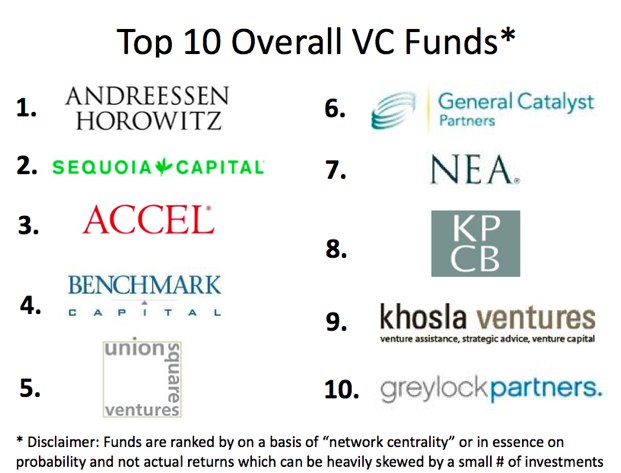
What Defines a Prestigious Venture Capital Firm?
A prestigious venture capital firm is typically characterized by its track record, reputation, and influence in the industry. These firms often have a history of successful investments in high-growth startups, strong relationships with top entrepreneurs, and a significant impact on shaping industries. Key factors include:
- Successful Exits: A history of IPOs or acquisitions of portfolio companies.
- Network: Access to influential founders, executives, and industry leaders.
- Brand Recognition: A well-known name that attracts top-tier startups.
Top Contenders for the Most Prestigious Venture Capital Firm
Several firms are often cited as the most prestigious in the venture capital world. These include:
- Sequoia Capital: Known for early investments in Apple, Google, and Airbnb.
- Andreessen Horowitz: Renowned for its focus on tech startups and thought leadership.
- Accel: Early backer of Facebook and other unicorns.
Why Sequoia Capital Stands Out
Sequoia Capital is frequently regarded as the most prestigious venture capital firm due to its longevity, global presence, and consistent success. Key reasons include:
- Global Reach: Offices in the U.S., China, India, and Southeast Asia.
- Diverse Portfolio: Investments across tech, healthcare, and consumer sectors.
- Mentorship: Active involvement in guiding startups to success.
Andreessen Horowitz: A Modern Powerhouse
Andreessen Horowitz has gained prestige through its innovative approach and strong focus on technology. Highlights include:
- Thought Leadership: Regular publications and insights on tech trends.
- Cultural Impact: Investments in companies like Instagram and Slack.
- Operational Support: Providing startups with access to expertise and resources.
Accel: A Legacy of Unicorn Investments
Accel has built its reputation by identifying unicorns early and nurturing them to success. Notable aspects include:
- Early Wins: Backing Facebook in its early stages.
- Global Expansion: Strong presence in Europe and Asia.
- Diverse Sectors: Investments in SaaS, fintech, and e-commerce.
Frequently Asked Questions by our Community
When searching for the best venture capital newsletters, it's essential to consider several key features. First, look for newsletters that provide timely and accurate updates on funding rounds, mergers, and acquisitions. Second, prioritize those that offer insightful analysis from industry experts, as this can help you understand trends and make informed decisions. Third, ensure the newsletter covers a broad range of industries and stages of investment, from seed to late-stage funding. Lastly, check if the newsletter includes exclusive interviews with founders, investors, and other key players in the venture capital ecosystem.
The frequency of updates in a venture capital newsletter can vary depending on the provider. Some newsletters offer daily updates, ensuring you stay on top of the latest developments in real-time. Others may provide weekly or bi-weekly summaries, which are ideal for those who prefer a more consolidated overview. It's important to choose a newsletter that aligns with your schedule and information needs. For instance, if you're an active investor, a daily newsletter might be more suitable, whereas a weekly digest could suffice for those with a more passive interest.
Yes, there are several free venture capital newsletters that offer valuable insights and updates. While free newsletters may not always provide the same depth of analysis as their paid counterparts, many still deliver high-quality content. Examples include newsletters from reputable industry blogs, venture capital firms, and financial news websites. These free resources can be a great way to stay informed without incurring additional costs. However, if you require more specialized or in-depth information, you might consider subscribing to a paid newsletter.
Some of the top venture capital newsletters available today include CB Insights, PitchBook, and TechCrunch's The Exchange. CB Insights is renowned for its data-driven insights and comprehensive reports on venture capital trends. PitchBook offers detailed analysis and market intelligence, making it a favorite among professional investors. TechCrunch's The Exchange provides a mix of news, analysis, and interviews, catering to a broad audience. Each of these newsletters has its unique strengths, so it's worth exploring multiple options to find the one that best meets your needs.
Leave a Reply
Our Recommended Articles