
What is a Reasonable Hourly Rate to Charge for a Contract Business Analyst?

Determining a reasonable hourly rate as a contract business analyst involves balancing expertise, market demand, and regional standards. Rates vary widely based on factors like experience, industry specialization, and geographic location. Entry-level analysts might charge between $30 to $50 per hour, while seasoned professionals with niche skills or certifications can command $100 or more. Industry-specific demands, such as finance or tech, often drive higher rates due to complex project requirements. Additionally, remote work trends and global competition influence pricing strategies. Understanding these variables, alongside researching local benchmarks and aligning with client budgets, ensures a fair rate that reflects value without compromising competitiveness in a dynamic contracting landscape.
- What is a Reasonable Hourly Rate to Charge for a Contract Business Analyst?
- What is the hourly rate for a Business Analyst in the US?
- What should my hourly rate be as a contractor?
- What is the going rate for a Business Analyst?
-
How much do freelance business analysts make?
- What Factors Influence Freelance Business Analyst Salaries?
- How Do Hourly Rates Compare to Project-Based Fees?
- How Does Location Affect Freelance Business Analyst Income?
- Which Industries Pay the Highest Rates for Freelance Business Analysts?
- How Can Freelance Business Analysts Increase Their Earnings?
-
Frequently Asked Questions (FAQs)
- What Factors Influence the Reasonable Hourly Rate for a Contract Business Analyst?
- What Is the Average Hourly Rate Range for Contract Business Analysts?
- How Can I Determine a Competitive Yet Fair Hourly Rate as a Contract Business Analyst?
- Should Contract Business Analysts Negotiate Rates Based on Project Scope?
What is a Reasonable Hourly Rate to Charge for a Contract Business Analyst?
The hourly rate for a contract business analyst varies based on factors like experience, geographic location, industry, and project complexity. On average, rates range from $45 to $150+ per hour. Entry-level analysts typically charge $45–$75/hour, while seasoned professionals in high-demand sectors (e.g., IT, finance) may command $100–$150/hour or more. Rates also depend on whether the role is remote or onsite, with onsite contracts often including premiums for travel or relocation.
See Also Where Can I Find a Comprehensive List of All Venture Capital Firms in the Us?
Key Factors Influencing a Contract Business Analyst’s Hourly Rate
Experience, specialized skills, and industry demand significantly impact rates. Analysts with certifications (e.g., CBAP, PMI-PBA) or expertise in tools like SQL or Jira often charge higher fees. Geographic location also plays a role: rates in major cities (e.g., New York, San Francisco) are 20–30% higher than in smaller markets. Additionally, short-term or high-stakes projects may justify elevated rates.
| Factor | Impact on Rate |
|---|---|
| Years of Experience | +$10–$30/hour per 5 years |
| Technical Skills | +$15–$40/hour |
| High-Cost Location | +$20–$50/hour |
Average Hourly Rates by Experience Level
Rates scale with seniority and niche expertise. Entry-level analysts (1–3 years) average $45–$75/hour, mid-level (4–7 years) earn $75–$110/hour, and senior analysts (8+ years) charge $110–$150/hour. Those with domain-specific knowledge (e.g., healthcare compliance, fintech) may exceed these ranges.
See Also What Are the Different Stages in Startup Funding?
| Experience Level | Hourly Rate Range |
|---|---|
| Entry-Level | $45–$75 |
| Mid-Level | $75–$110 |
| Senior/Expert | $110–$150+ |
Geographic Variations in Business Analyst Rates
Location heavily influences pricing. In the U.S., analysts in tech hubs (e.g., Silicon Valley, Seattle) charge $90–$150/hour, whereas those in mid-sized cities (e.g., Austin, Denver) average $70–$120/hour. Offshore contractors (e.g., India, Eastern Europe) may offer $25–$60/hour, but time zones and communication barriers can affect suitability.
| Region | Average Hourly Rate |
|---|---|
| U.S. (Major Cities) | $90–$150 |
| U.S. (Mid-Sized Cities) | $70–$120 |
| Offshore | $25–$60 |
Industry-Specific Hourly Rate Benchmarks
Industry requirements dictate rate premiums. For example, healthcare and finance projects often pay 10–25% more due to regulatory complexity. Tech startups might offer lower rates but include equity incentives, while government contracts may have standardized rate caps.
See AlsoWhich Law Firms in the San Francisco Bay Area Are Especially Well Known for Their Vc Fund Formation Practices| Industry | Rate Premium |
|---|---|
| Healthcare/Finance | +10–25% |
| Government | Fixed rates ($55–$130) |
| Tech Startups | Equity options common |
Negotiating Tips for Contract Business Analysts
To justify higher rates, emphasize ROI (e.g., process optimization savings) and certifications. Use platforms like Glassdoor or Payscale to benchmark rates. For long-term contracts, consider discounted retainers to secure steady work. Always clarify scope creep terms to avoid uncompensated overtime.
| Strategy | Outcome |
|---|---|
| Highlight ROI | +$10–$30/hour |
| Offer Retainers | Stable income |
| Define Scope | Avoid unpaid work |
What is the hourly rate for a Business Analyst in the US?
 Where Can I Find a List of Silicon Valley Venture Capital Firms?
Average Hourly Rate for Business Analysts in the US
The hourly rate for a Business Analyst in the US typically ranges between $30 to $75, depending on factors like experience, industry, and location. Entry-level analysts may earn closer to $25–$40 per hour, while senior professionals in high-demand sectors or cities can command $65–$100+ per hour.
- Experience: Junior analysts earn less, while those with 5+ years see higher rates.
- Industry: Finance or tech roles often pay more than non-profit sectors.
- Location: Major cities like NYC or San Francisco offer higher rates due to cost of living.
Factors Influencing Business Analyst Hourly Rates
Multiple elements impact hourly rates, including specialized skills, certifications, and project complexity. Analysts with expertise in data analytics tools (e.g., SQL, Tableau) or Agile methodologies often negotiate higher pay.
See Also Can Founders of a Failed Startup Be Sued Individually by Their Angel or Vc Investors
- Certifications: PMI-PBA or CBAP certifications boost earning potential.
- Technical Skills: Proficiency in programming (Python, R) or ERP systems increases rates.
- Contract Type: Freelancers may charge more to account for benefits gaps.
Regional Variations in Business Analyst Pay
Geographic location significantly affects hourly rates. For example, analysts in Silicon Valley or New York City earn 15–25% more than those in rural areas or smaller cities.
- High-cost cities: Average $55–$85/hour due to demand and living expenses.
- Midwest/South: Rates may drop to $35–$60/hour.
- Remote roles: Some companies adjust pay based on the employee’s location.
Freelance vs. Full-Time Business Analyst Rates
Freelance Business Analysts often charge $50–$100/hour, while full-time employees earn equivalent annual salaries of $65,000–$120,000. Freelancers factor in taxes, benefits, and project instability.
- Freelance perks: Flexibility and higher short-term rates.
- Full-time benefits: Health insurance, retirement plans, and job security.
- Hybrid models: Some firms offer contract-to-hire roles with adjusted rates.
Industry-Specific Hourly Rates for Business Analysts
Industries like healthcare, finance, or IT tend to pay higher hourly rates due to complex regulatory requirements and technical demands. For instance, healthcare analysts might earn $45–$80/hour versus $35–$60 in retail.
- Healthcare: High demand for compliance and data security expertise.
- Finance: Roles in investment banking or fintech offer premium rates.
- Tech: Startups and FAANG companies compete for top talent with elevated pay.
What should my hourly rate be as a contractor?

Factors to Consider When Determining Your Hourly Rate
To set a competitive and fair hourly rate, evaluate your experience, industry standards, and operational costs. Research rates for similar roles in your field, factor in taxes, benefits, and overhead expenses (e.g., software, equipment), and ensure your rate reflects your expertise.
- Experience level: Junior contractors typically charge 20-50% less than seasoned professionals.
- Industry benchmarks: Use platforms like Glassdoor or Payscale to compare rates in your niche.
- Expenses: Include healthcare, taxes, and tools in your calculations.
Calculating Your Desired Annual Income
Start by defining your target annual salary and divide it by billable hours per year (e.g., 1,800 hours for 40 hours/week minus vacation). Adjust for non-billable tasks like admin or marketing.
- Target income: Aim for a salary that covers living costs and savings.
- Billable hours: Subtract 20-30% for downtime or non-client work.
- Profit margin: Add 10-30% to account for business growth or emergencies.
Researching Market Rates for Your Industry
Analyze competitor pricing and client budgets to avoid undercharging or overpricing. Network with peers or join freelance communities for insights.
- Freelance platforms: Check Upwork or Fiverr for average rates in your field.
- Client expectations: High-budget clients may accept premium rates for specialized skills.
- Geographic differences: Adjust rates if working with international clients.
Adjusting Rates Based on Location and Demand
Your geographic location and market demand significantly influence rates. Contractors in high-cost cities often charge more, while niche expertise can justify higher fees.
- Cost of living: Rates in NYC or SF may be 20-50% higher than rural areas.
- Skill scarcity: Rare technical skills (e.g., AI development) command premium rates.
- Economic trends: Increase rates during high-demand periods.
Negotiating and Communicating Your Rate to Clients
Confidently justify your rate by emphasizing value delivery and ROI. Use case studies or testimonials to showcase past successes.
- Transparency: Break down costs to clarify your rate’s fairness.
- Flexibility: Offer retainers or project-based pricing as alternatives.
- Boundaries: Avoid undervaluing your work; politely decline lowball offers.
What is the going rate for a Business Analyst?
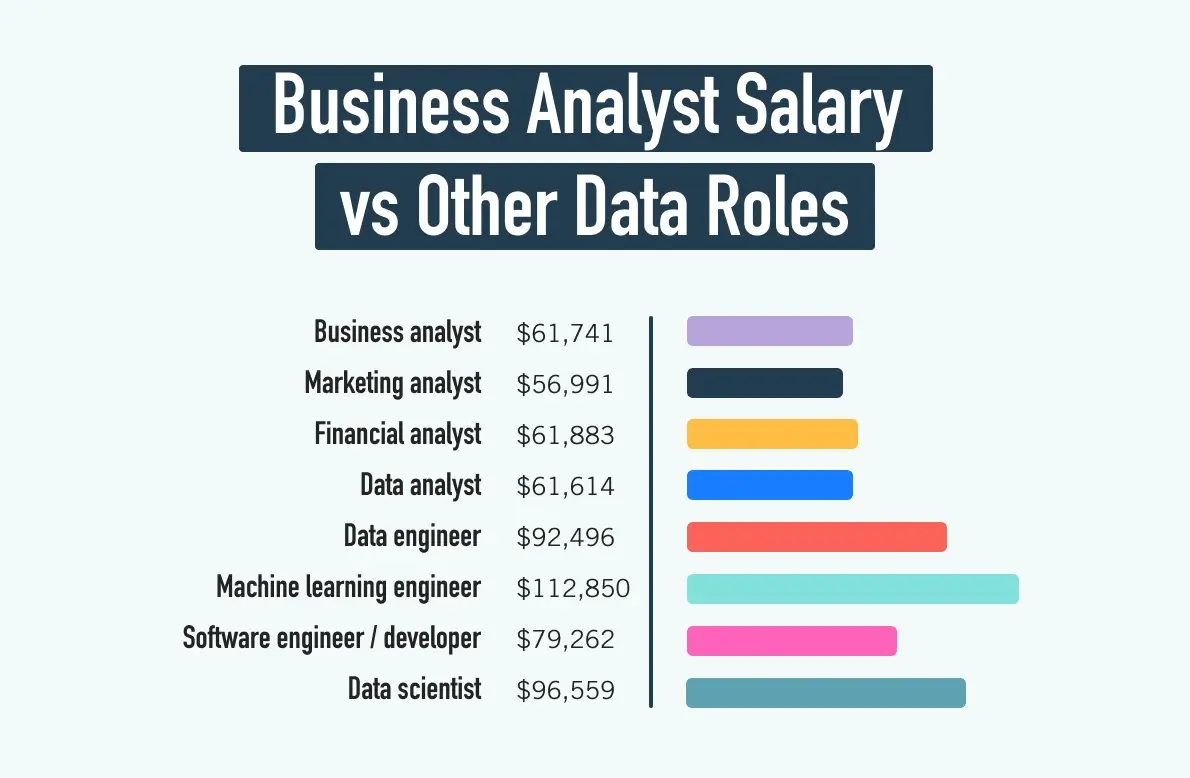
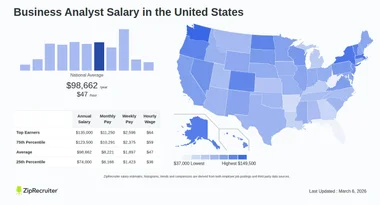
The going rate for a Business Analyst varies significantly based on factors like geography, experience, industry, and employment type (contract vs. full-time). In the United States, the average annual salary ranges from $60,000 to $120,000, with entry-level roles starting around $60,000–$75,000 and senior positions exceeding $100,000. In Europe, rates range between €40,000 and €85,000, while in Asia-Pacific, salaries typically fall between ₹600,000 and ₹1,800,000 in India or AUD 80,000–130,000 in Australia. Contract roles often command hourly rates of $40–$100+, depending on expertise.
Average Salary Ranges for Business Analysts
Business Analyst salaries differ widely by region and seniority. In the U.S., mid-level professionals earn $75,000–$95,000, while those in high-demand sectors like finance or tech may earn more.
- Entry-level: $60,000–$75,000 annually.
- Mid-career: $75,000–$95,000 with 3–5 years of experience.
- Senior-level: $100,000+ for roles requiring 8+ years or specialized skills.
Factors Influencing Business Analyst Rates
Multiple variables affect compensation, including industry demand, certifications, and technical expertise. For example, proficiency in data analytics tools or Agile methodologies can boost earnings.
- Certifications: PMI-PBA or CBAP can increase pay by 10–15%.
- Industry: Finance and tech sectors often pay 20% more than nonprofits.
- Company size: Corporations typically offer higher salaries than startups.
Regional Variations in Business Analyst Compensation
Geographic location plays a critical role due to cost of living and market demand. For instance, Silicon Valley rates exceed national averages, while Eastern Europe offers lower but competitive rates for remote roles.
- North America: $70,000–$120,000 (U.S. and Canada).
- Europe: €45,000–€80,000 (Germany, UK) vs. €30,000–€50,000 (Eastern Europe).
- Asia-Pacific: ₹800,000–₹1,500,000 (India) vs. AUD 90,000–130,000 (Australia).
Industry-Specific Rates for Business Analysts
Salaries fluctuate by sector, with finance, healthcare, and IT leading in compensation. For example, FinTech BAs often earn 15–25% more than those in retail.
- Finance/Banking: $85,000–$130,000 (U.S.).
- Healthcare: $75,000–$110,000 with domain-specific knowledge.
- Government: $65,000–$95,000, often with added benefits.
Contract vs. Full-Time Business Analyst Rates
Contract roles typically offer higher hourly rates but lack benefits, while full-time positions provide stability. Freelancers may charge $50–$150/hour based on project complexity.
- Contract hourly rates: $50–$100+ for short-term projects.
- Full-time benefits: Health insurance, bonuses, and retirement plans.
- Hybrid models: Part-time or consulting roles at $70–$120/hour.
How much do freelance business analysts make?
What Factors Influence Freelance Business Analyst Salaries?
Freelance business analyst earnings vary based on experience, industry specialization, geographic location, and project complexity. Entry-level analysts may charge $35–$75 per hour, while seasoned professionals with niche expertise can command $100–$150+ per hour. Key factors include:
- Experience: Senior analysts earn 30–50% more than juniors.
- Client type: Corporate clients often pay higher rates than startups.
- Certifications: Credentials like CBAP or PMP boost earning potential.
How Do Hourly Rates Compare to Project-Based Fees?
Freelancers often choose between hourly rates (common for short-term tasks) and fixed project fees (ideal for defined scopes). For example:
- Hourly rates: Range from $50–$150, depending on expertise.
- Project fees: $2,000–$15,000+ for deliverables like process optimization or data analysis reports.
- Hybrid models: Some combine a base fee with hourly charges for scope changes.
How Does Location Affect Freelance Business Analyst Income?
Geographic location significantly impacts rates due to cost of living and local market demand. Examples include:
- North America: $70–$150/hour (high demand in tech hubs).
- Europe: €50–€120/hour, with Western Europe offering higher rates.
- Asia: $25–$80/hour, varying by country and client base (local vs. international).
Which Industries Pay the Highest Rates for Freelance Business Analysts?
Industry specialization drives earning potential. Top-paying sectors include:
- Finance & Banking: $90–$160/hour for risk analysis or regulatory projects.
- Healthcare: $80–$140/hour for EHR implementations or compliance.
- Technology: $100–$150+/hour for SaaS or AI-driven data solutions.
How Can Freelance Business Analysts Increase Their Earnings?
Maximizing income requires strategic positioning and skill enhancement. Tactics include:
- Niche specialization: Focus on high-demand areas like cybersecurity or Agile methodologies.
- Portfolio building: Showcase case studies to justify premium rates.
- Networking: Leverage platforms like LinkedIn or Upwork for high-value clients.
Frequently Asked Questions (FAQs)
What Factors Influence the Reasonable Hourly Rate for a Contract Business Analyst?
Experience, geographic location, industry demand, and project complexity are key factors that determine a reasonable hourly rate for a contract Business Analyst. Professionals with niche certifications (e.g., CBAP) or expertise in high-demand sectors like finance or tech often command higher rates. Rates also vary significantly by region—for example, analysts in major cities like New York or London may charge 20-50% more than those in smaller markets. Additionally, short-term contracts or urgent projects may justify premium pricing due to the specialized effort required.
What Is the Average Hourly Rate Range for Contract Business Analysts?
The average hourly rate for contract Business Analysts typically ranges between $50 to $150 USD, depending on the factors mentioned earlier. Junior analysts or those in regions with lower living costs might charge $50–$75, while mid-level professionals often fall into the $75–$120 range. Senior analysts with specialized skills or those working in high-cost areas can exceed $150 per hour. Industries like healthcare, finance, or IT may also drive rates upward due to stricter compliance requirements or technical complexity.
How Can I Determine a Competitive Yet Fair Hourly Rate as a Contract Business Analyst?
Start by researching market benchmarks using platforms like Glassdoor, Payscale, or industry-specific surveys. Factor in your operational costs (e.g., software, insurance, taxes) and desired profit margin. A common formula is: (Annual Expenses + Desired Salary + Profit Margin) / Billable Hours Per Year. For example, if your total costs are $100,000 and you plan to bill 1,000 hours annually, your rate would be $100/hour. Adjust based on demand, competition, and unique value propositions like certifications or domain expertise.
Should Contract Business Analysts Negotiate Rates Based on Project Scope?
Absolutely. Project scope, duration, and client budget should heavily influence rate negotiations. For long-term contracts, consider offering a slightly reduced rate in exchange for stability. Conversely, complex, short-term projects with tight deadlines may warrant higher rates. Always clarify deliverables, timelines, and expectations upfront to avoid scope creep. If a client’s budget is limited, propose value-based pricing (e.g., fixed fees for specific milestones) as an alternative to hourly billing to align incentives and maintain fairness.
Leave a Reply
Our Recommended Articles