
LLC Operating Agreement: Oklahoma

An LLC operating agreement is a foundational document that outlines the structure, management, and operational guidelines for a limited liability company in Oklahoma. While Oklahoma law does not legally require LLCs to adopt an operating agreement, creating one is strongly recommended to clarify member roles, profit-sharing arrangements, and decision-making processes. This internal contract helps safeguard the company’s limited liability protections, reduces disputes, and ensures compliance with state regulations. By customizing provisions related to governance, voting rights, and dissolution procedures, Oklahoma LLCs can tailor the agreement to their unique needs. A well-drafted operating agreement serves as a critical roadmap for both daily operations and long-term business strategy.
- Understanding the LLC Operating Agreement in Oklahoma
-
Can I write my own operating agreement for my LLC?
- Is It Legally Permissible to Draft Your Own LLC Operating Agreement?
- What Should Be Included in a Self-Drafted Operating Agreement?
- What Are the Risks of Writing Your Own Operating Agreement?
- How to Ensure Compliance When Drafting an Operating Agreement?
- When Should You Consult a Lawyer Instead of Self-Drafting?
- Should an LLC have an operating agreement?
- How much does it cost to draft an LLC operating agreement?
- Frequently Asked Questions About LLCs (FAQs)
Understanding the LLC Operating Agreement in Oklahoma
An LLC Operating Agreement in Oklahoma is a legal document outlining the ownership structure, management, and operational rules for a limited liability company (LLC). While Oklahoma does not legally require LLCs to have an operating agreement, creating one is highly recommended to define member roles, profit distribution, and dispute resolution processes. It ensures compliance with state laws, protects members' limited liability status, and provides clarity during conflicts. Customizing the agreement to address Oklahoma-specific regulations, such as tax requirements or dissolution procedures, is critical for smooth business operations.
See AlsoIndiana LLC Operating AgreementLegal Requirements for an LLC Operating Agreement in Oklahoma
Oklahoma does not mandate LLCs to file or maintain an operating agreement. However, drafting one is advisable to avoid defaulting to state laws under the Oklahoma Limited Liability Company Act. While the agreement can be oral or written, a written document is legally enforceable and reduces ambiguity. Key elements to include are member ownership percentages, voting rights, and dissolution terms. Single-member LLCs also benefit from an operating agreement to reinforce liability protection.
| Requirement | Details |
| Mandatory | No |
| Single-Member LLCs | Recommended for liability protection |
| Oral vs. Written | Written preferred for enforceability |
| Governing Law | Oklahoma Limited Liability Company Act |
Key Provisions to Include in an Oklahoma LLC Operating Agreement
A robust operating agreement should address management structure (member-managed vs. manager-managed), profit/loss allocation, and procedures for adding/removing members. Including buyout clauses, dispute resolution methods, and meeting protocols ensures preparedness for future challenges. Oklahoma-specific provisions, such as state tax obligations or compliance with local business licenses, should also be detailed.
See AlsoLLC Operating Agreement: Oregon| Provision | Purpose |
| Management Structure | Defines decision-making authority |
| Voting Rights | Outlines member influence on major decisions |
| Dissolution Process | Guides closure of the LLC |
| Tax Elections | Specifies federal/state tax treatment |
Member Roles and Responsibilities in an Oklahoma LLC
Members in an Oklahoma LLC can act as managers or passive investors, depending on the agreement. The document should clarify fiduciary duties, capital contributions, and profit-sharing ratios. It should also outline procedures for member withdrawals, transfers of ownership, and handling conflicts of interest to prevent operational disruptions.
| Role | Responsibility |
| Managing Member | Oversees daily operations |
| Passive Member | Provides capital without managerial duties |
| Voting Power | Tied to ownership percentage or agreement terms |
Amending an LLC Operating Agreement in Oklahoma
Amendments require approval per terms outlined in the original agreement, typically a majority or unanimous vote. Changes must be documented in writing and signed by all members. Common reasons for amendments include adding members, altering profit distributions, or updating compliance measures. Oklahoma law does not restrict amendment frequency, but consistency with state regulations is essential.
See AlsoNew Mexico LLC Operating Agreement| Step | Description |
| Proposal | A member suggests changes |
| Vote | Members approve per agreement terms |
| Documentation | Revised agreement is signed and stored |
Consequences of Not Having an LLC Operating Agreement in Oklahoma
Without an operating agreement, Oklahoma LLCs default to state law under the Oklahoma Limited Liability Company Act, which may not align with members' preferences. Disputes over profit sharing, management, or dissolution become harder to resolve, risking litigation. Additionally, single-member LLCs may lose liability protection if courts deem the business structure informal.
| Risk | Impact |
| State Default Rules | Loss of customized governance |
| Liability Exposure | Personal assets at risk in disputes |
| Dispute Resolution | Costly legal battles |
Can I write my own operating agreement for my LLC?
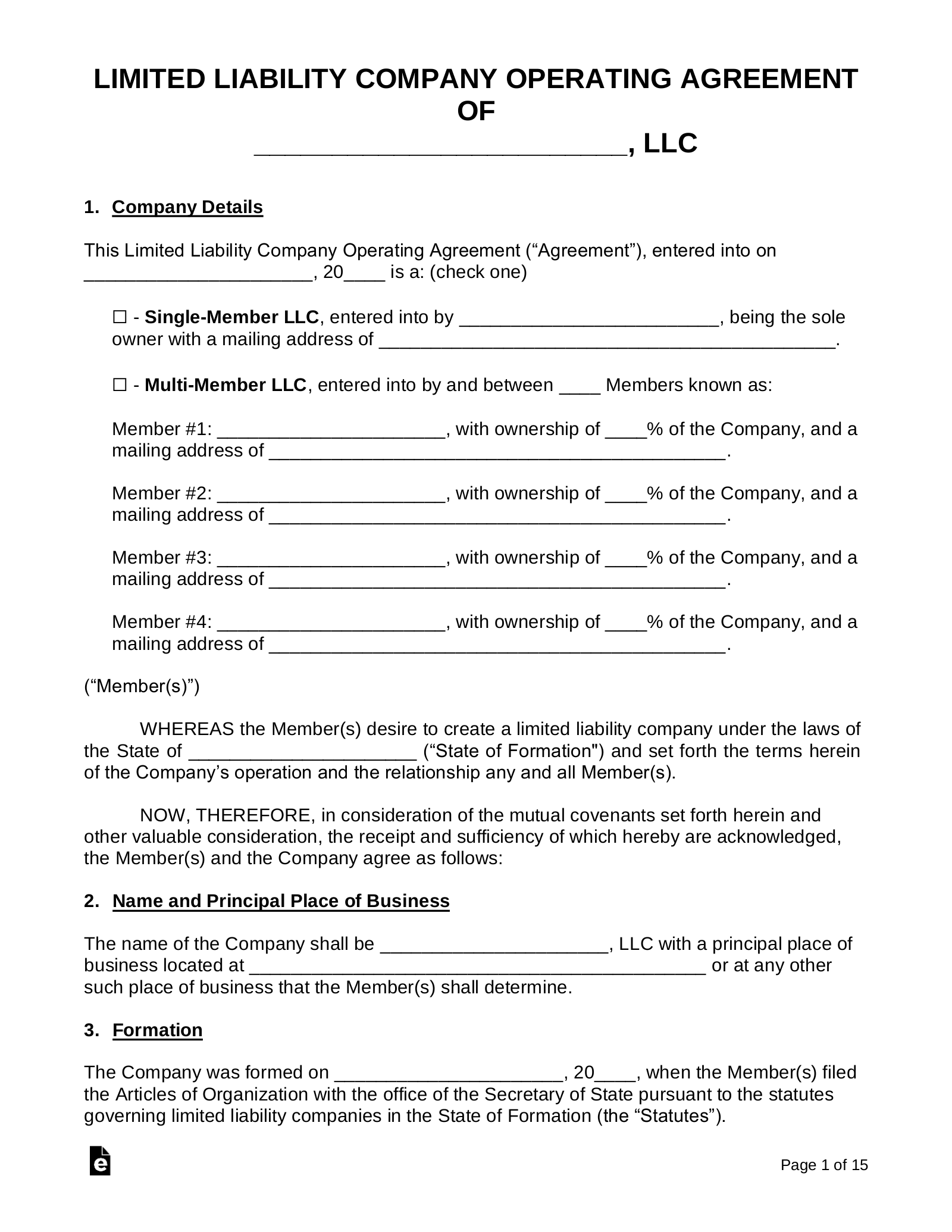
Is It Legally Permissible to Draft Your Own LLC Operating Agreement?
Yes, you can legally draft your own operating agreement for your LLC. Most states do not require operating agreements to be filed, but having one is strongly recommended to define member roles, profit distribution, and dispute resolution.
- State-specific laws may influence required clauses (e.g., California requires dissolution terms).
- A customized agreement avoids default state rules governing LLCs.
- Ensure clarity to prevent enforceability issues in legal disputes.
What Should Be Included in a Self-Drafted Operating Agreement?
A comprehensive operating agreement should cover member responsibilities, profit-sharing, and procedures for changes or dissolution. Missing key elements can lead to conflicts or legal vulnerabilities.
See AlsoLLC Operating Agreement: Hawaii- Define ownership percentages and capital contributions.
- Outline voting rights and decision-making processes.
- Include buyout clauses for member exits or transfers.
What Are the Risks of Writing Your Own Operating Agreement?
While cost-effective, self-drafted agreements risk oversights that could invalidate terms or expose members to liability. Ambiguous language or non-compliance with state laws are common pitfalls.
- Unenforceable clauses due to vague wording.
- Failure to address tax implications (e.g., pass-through taxation).
- Ignoring state-specific requirements (e.g., annual reporting).
How to Ensure Compliance When Drafting an Operating Agreement?
Research your state’s LLC statutes and consult templates or legal guides to align your agreement with mandatory regulations.
- Review state business codes (e.g., Delaware’s LLC Act).
- Use approved templates from reputable legal sources.
- Include clauses for annual meetings or record-keeping if required.
When Should You Consult a Lawyer Instead of Self-Drafting?
Consider professional legal help for complex ownership structures, multi-state operations, or high-risk ventures to mitigate risks.
- If your LLC has multiple classes of membership.
- When operating in heavily regulated industries (e.g., healthcare).
- To validate tax and liability protections under local laws.
Should an LLC have an operating agreement?
Is an Operating Agreement Legally Required for an LLC?
While most states do not legally require an LLC to have an operating agreement, creating one is highly advisable. Even in states where it’s optional, this document serves as the foundation for your business’s structure and operations. Key reasons to draft one include:
- Formalizing business rules to avoid relying on default state laws.
- Meeting banking or licensing requirements, as some institutions demand an operating agreement.
- Ensuring legal clarity in disputes or audits.
How Does an Operating Agreement Protect LLC Members?
An operating agreement safeguards members by defining roles, responsibilities, and financial arrangements. It minimizes ambiguity and potential conflicts by:
- Establishing ownership percentages and profit-sharing terms.
- Outlining decision-making processes (e.g., voting rights).
- Providing a framework for resolving disputes or member exits.
What Are the Risks of Not Having an Operating Agreement?
Operating without this agreement exposes the LLC to legal and financial vulnerabilities, including:
- State default rules governing your business, which may conflict with member intentions.
- Increased risk of personal liability if the LLC’s legitimacy is challenged.
- Potential internal disputes over management or profit distribution.
Can an Operating Agreement Customize LLC Management Structure?
Yes, this document allows members to tailor management and operational processes to their needs. For example, it can:
- Designate a manager-managed or member-managed structure.
- Define roles for officers, committees, or advisors.
- Set protocols for meetings, reporting, and record-keeping.
Does an Operating Agreement Strengthen an LLC’s Legal Standing?
A well-drafted agreement reinforces the LLC’s legal legitimacy, especially in court or with external entities. Benefits include:
- Demonstrating compliance with corporate formalities.
- Protecting the corporate veil to shield personal assets.
- Providing evidence of intent in contractual or tax disputes.
How much does it cost to draft an LLC operating agreement?
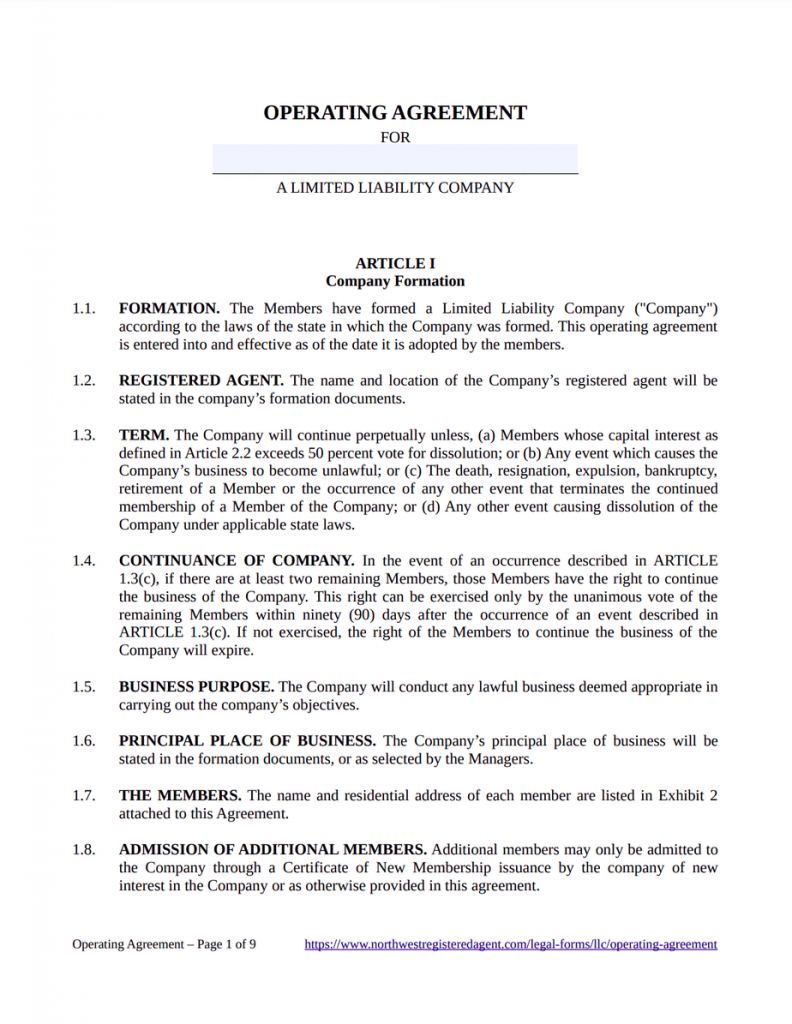
Factors Influencing the Cost of Drafting an LLC Operating Agreement
The cost to draft an LLC operating agreement depends on several factors. Complexity of the business structure, such as multi-member ownership or unique profit-sharing arrangements, often increases fees. Geographic location impacts attorney rates, with urban areas typically charging more. Additionally, customization needs—like adding clauses for dispute resolution or dissolution—can raise costs compared to generic templates.
- Business complexity: More members or intricate management structures require detailed drafting.
- Legal expertise: Experienced attorneys charge higher fees for specialized knowledge.
- Template vs. custom: Pre-made templates cost less but may lack tailored provisions.
Average Costs for Professional Legal Drafting
Hiring a lawyer to draft an LLC operating agreement typically ranges between $500 to $3,000. Basic agreements for single-member LLCs often fall on the lower end, while multi-member or complex agreements cost more. Some law firms offer flat-rate packages, while others bill hourly (averaging $150–$300/hour).
- Single-member LLC: $500–$1,000 for straightforward agreements.
- Multi-member LLC: $1,500–$3,000 due to added negotiation and clauses.
- Hourly rates: Total costs depend on time spent refining terms.
DIY Options vs. Hiring an Attorney
Using online templates or DIY services (e.g., LegalZoom, Rocket Lawyer) costs $50–$300, but may lack state-specific compliance. Hiring an attorney ensures legal precision, especially for complex LLCs. Weigh cost savings against potential risks of errors in self-drafted agreements.
- Online templates: Affordable but may miss critical state requirements.
- Attorney review: Some services offer hybrid options ($200–$500) for template customization.
- Risk assessment: Errors in DIY agreements could lead to disputes or penalties.
Beyond drafting fees, additional expenses may arise. Amendments to the agreement, annual legal reviews, or resolving ambiguities in poorly drafted terms can increase long-term costs.
- Amendment fees: $100–$500 per update.
- Dispute resolution: Unclear clauses may lead to costly litigation.
- State filing fees: Separate from drafting costs (varies by state).
Cost Comparison by Service Provider
Prices vary widely between online platforms, freelance attorneys, and traditional law firms. Online services are budget-friendly, while boutique firms offer personalized attention at a premium.
- Online services: $50–$300 (e.g., LegalZoom, Northwest Registered Agent).
- Freelance lawyers: $300–$1,500 via platforms like UpCounsel.
- Law firms: $800–$3,000+ for full-service drafting and consultation.
Frequently Asked Questions About LLCs (FAQs)
Is an LLC Operating Agreement legally required in Oklahoma?
Oklahoma does not legally require LLCs to have an Operating Agreement. However, drafting one is strongly recommended to establish clear rules for ownership, management, and operations. Without an Operating Agreement, your LLC will default to Oklahoma’s state laws governing LLCs, which may not align with your business’s specific needs. An agreement helps prevent disputes among members and clarifies financial and managerial responsibilities.
What key provisions should be included in an Oklahoma LLC Operating Agreement?
A comprehensive Oklahoma LLC Operating Agreement should outline member ownership percentages, profit/loss distribution, voting rights, management structure, and procedures for adding/removing members. It should also address dissolution processes, dispute resolution methods, and rules for amending the agreement. Including tax treatment elections (e.g., partnership vs. corporation) and meeting protocols further ensures legal and operational clarity.
Can a single-member LLC in Oklahoma benefit from an Operating Agreement?
Yes, even single-member LLCs in Oklahoma should create an Operating Agreement. This document reinforces the LLC’s limited liability protection by separating personal and business assets, which is critical in legal disputes. It also establishes formal business procedures, making it easier to secure financing, add members in the future, or sell the business. Courts may view a single-member LLC without an agreement as a sole proprietorship, undermining liability protections.
How do I amend an existing LLC Operating Agreement in Oklahoma?
To amend an Oklahoma LLC Operating Agreement, follow the amendment procedures outlined in the original document. Most agreements require member approval via a majority or unanimous vote. Once approved, draft an amendment detailing the changes, have all members sign it, and attach it to the original agreement. Keep updated copies with your business records and provide them to relevant parties (e.g., banks or legal advisors) as needed.
Leave a Reply
Our Recommended Articles